S5-119 · 119th Congress
Signed
Signed Jan 29, 2025Laken Riley Act
Laken Riley Act This bill requires the Department of Homeland Security (DHS) to detain certain non-U.S. nationals ( aliens under federal law) who have been arrested for burglary, theft, larceny, or shoplifting. The bill also authorizes states to sue the federal government for decisions or alleged failures related to immigration enforcement. Under this bill, DHS must detain an individual who (1) is unlawfully present in the United States or did not possess the necessary documents when applying for admission; and (2) has been charged with, arrested for, convicted of, or admits to having committed acts that constitute the essential elements of burglary, theft, larceny, or shoplifting. The bill also authorizes state governments to sue for injunctive relief over certain immigration-related decisions or alleged failures by the federal government if the decision or failure caused the state or its residents harm, including financial harm of more than $100. Specifically, the state government may sue the federal government over a decision to release a non-U.S. national from custody; failure to fulfill requirements relating to inspecting individuals seeking admission into the United States, including requirements related to asylum interviews; failure to fulfill a requirement to stop issuing visas to nationals of a country that unreasonably denies or delays acceptance of nationals of that country; violation of limitations on immigration parole, such as the requirement that parole be granted only on a case-by-case basis; or failure to detain an individual who has been ordered removed fr…
VOTE BREAKDOWN
Final passage · 520 politicians tracked
323
YEA
184
NAY
0
PRESENT
13
NOT VOTING
Dem YEA 58Dem NAY 182Ind YEA 1Ind NAY 2Rep YEA 264
BY PARTY · ✕ NAY ← | → YEA ✓
REP
0
264
DEM
182
58
IND
2
1
MONEY ON THIS BILL
Which donor industries fund each side of the vote — total contributions from that industry to those members, all cycles · plus lobbying activity in affected industries
⬆ YEA voters — top donor industries
- 1. Lawyers & Lobbyists$206.8M
- 2. Securities & Investment$162.5M
- 3. Health Services$141.1M
⬇ NAY voters — top donor industries
- 1. Lawyers & Lobbyists$141.5M
- 2. Securities & Investment$80.3M
- 3. Health Services$78.6M
◎ Lobbying activity by issue area
No bill-issue lobbying matches.
Dollar figures are each industry's total contributions to those members across all tracked cycles — not money given for this specific bill. Statistical patterns in public records; correlation, not causation.
LOBBYING ON THIS BILL
43 federal lobbying reports name this bill in their activity descriptions · LDA disclosures
NETWORK7 reports
YWCA USA6 reports
AMERICAN CONSERVATION COALITION ACTION, INC.4 reports
NUMBERSUSA ACTION, INC.3 reports
FEDERATION FOR AMERICAN IMMIGRATION REFORM2 reports
UNITED STEEL PAPER & FORESTRY RUBBER MANUFACTURING ENERGY1 report
OXFAM AMERICA INC1 report
AMERICAN CIVIL LIBERTIES UNION1 report
⟳ The revolving door — lobbyists on this bill with disclosed former government roles
Joe ChathamChief Counsel, Rep. Ken Buck
Christina WestAssociate V/C, Vanderbilt University Federal Relations
Heather BloemhardDirector, Vanderbilt University Federal Relations
Julie KirchnerSenior Advisor, Customs and Border Protection, Department of Homeland Security; Citizenship and Immigration Services Ombudsman, Department of Homeland Security; Senior Advisor, Office of the Immigration Detention Ombudsman
Mark ClackSenior Legislative Assistant, Sen. Ben Cardin (D-MD), 2007-2009
Samuel KesslerClimate Solutions Foundation Fellow, Rep. Fitzpatrick
“Covered position” is the former government job lobbyists must disclose by law (LDA §4). Prior service is stated on the filings; it carries no implication of wrongdoing. Full revolving-door board →
A report naming a bill means the organization disclosed lobbying activity on it — the disclosure does not state a position for or against.
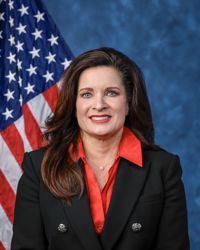
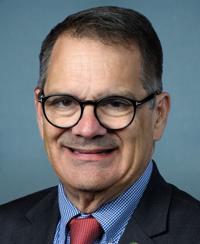
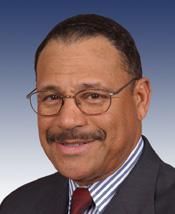
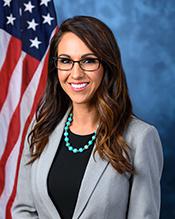
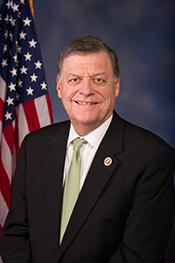
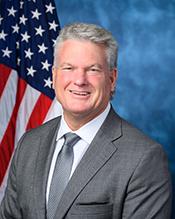
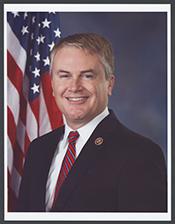
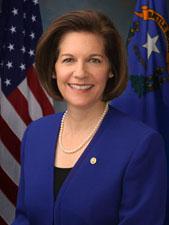
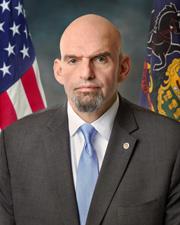
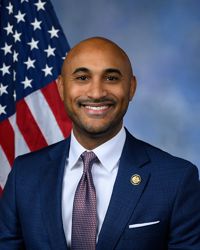
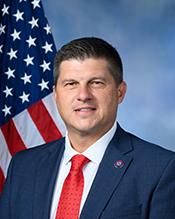
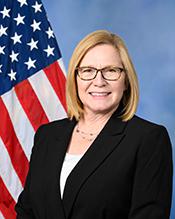
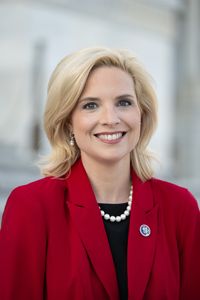
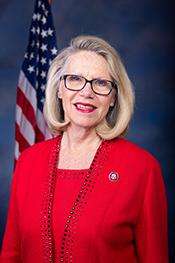
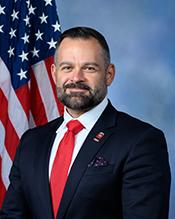
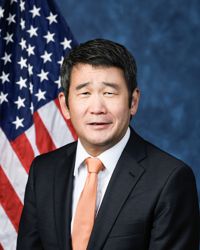
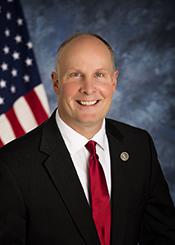
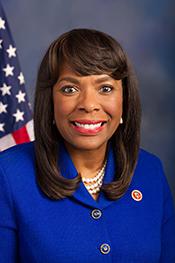
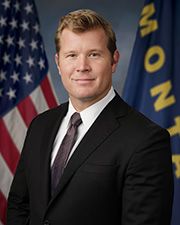
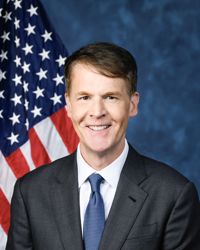
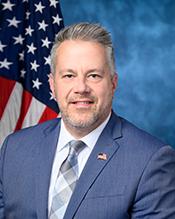
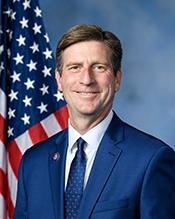
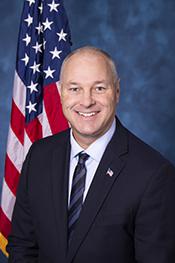
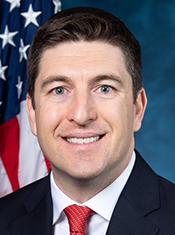
INDIVIDUAL VOTES
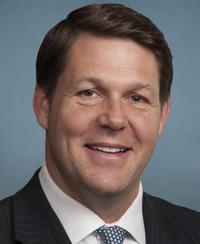
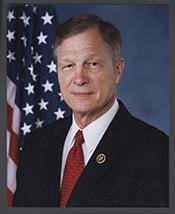
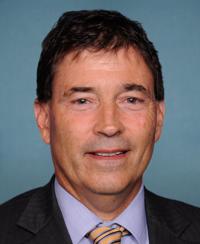
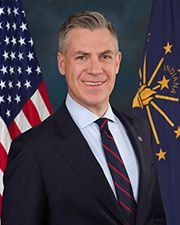
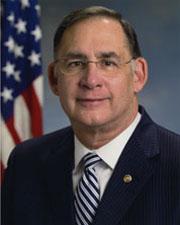
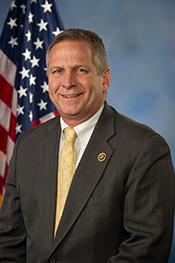
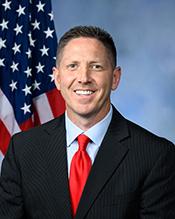
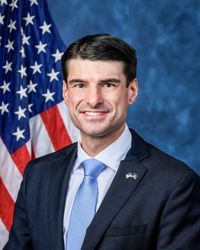
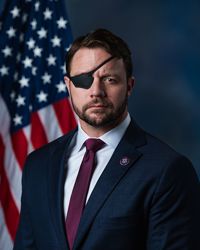
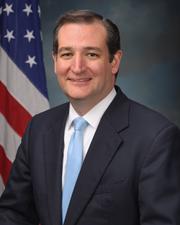
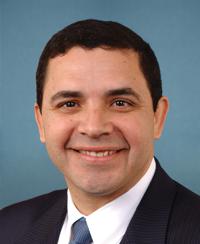
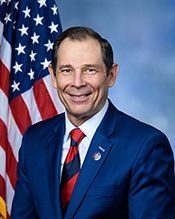
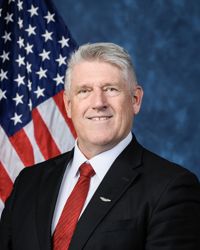
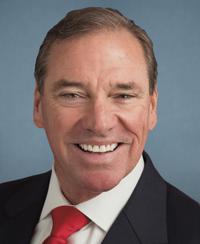
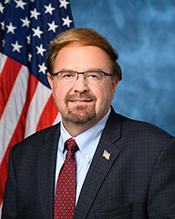
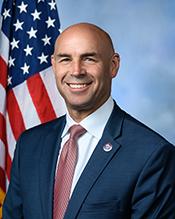
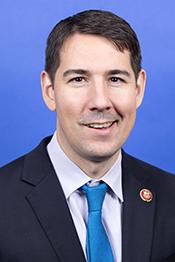
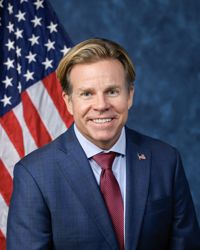
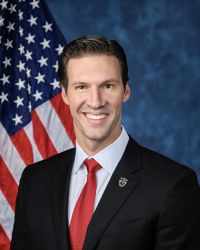
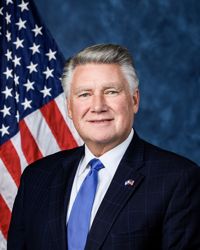
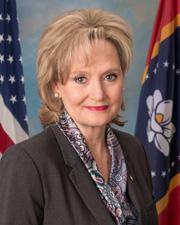
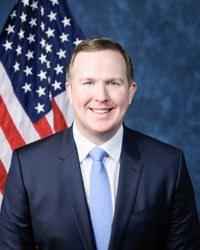
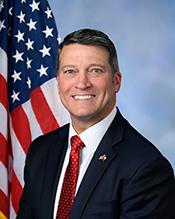
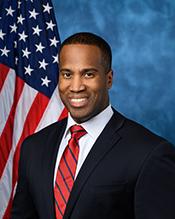
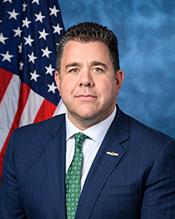
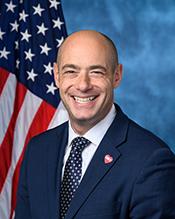
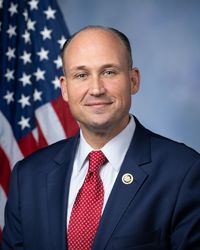
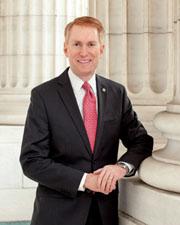
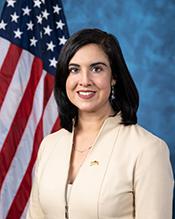
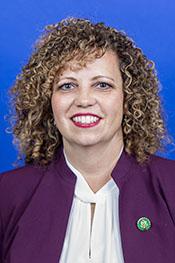
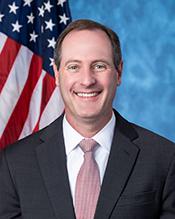
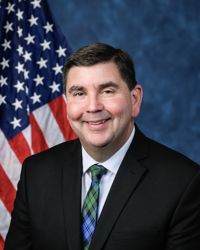
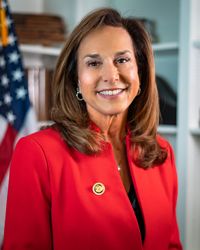
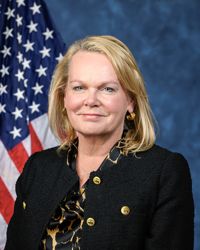
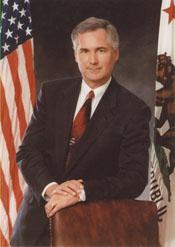
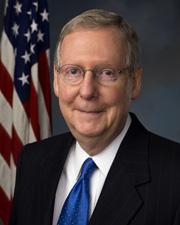
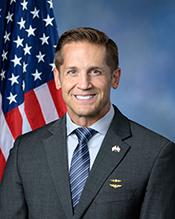
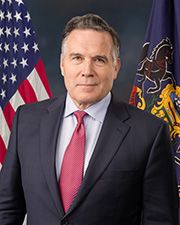
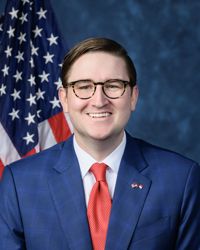
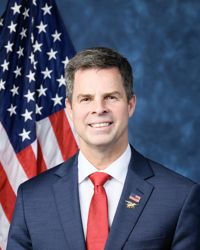
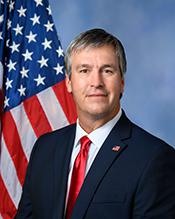
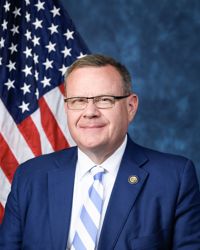
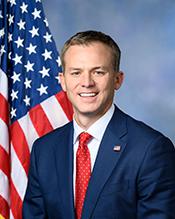
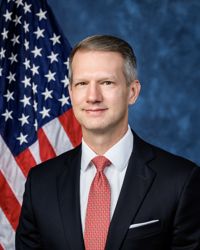
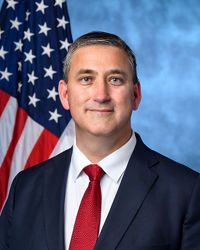
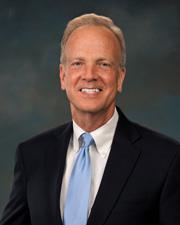
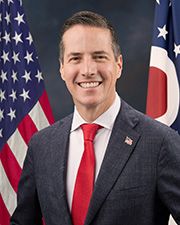
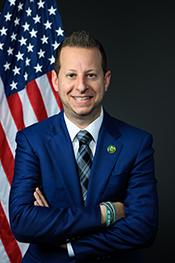
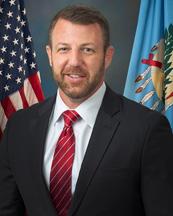
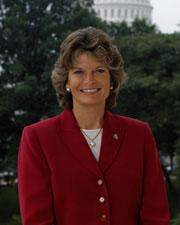
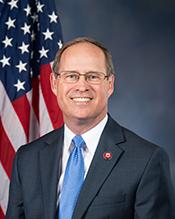
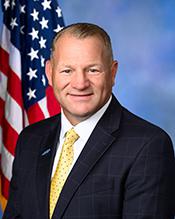
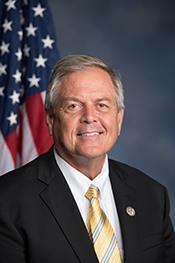
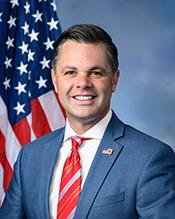
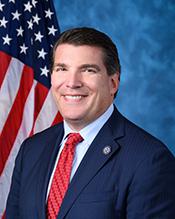
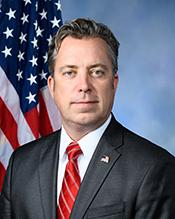
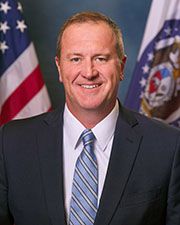
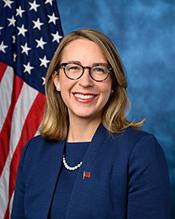
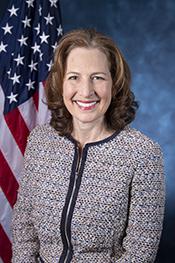
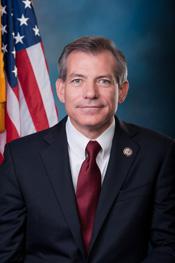
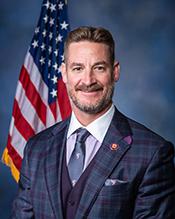
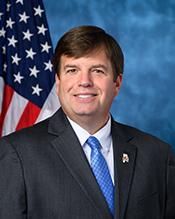
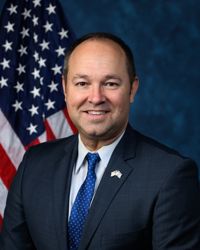
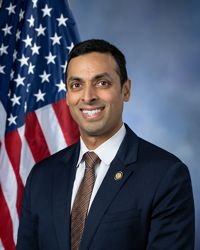
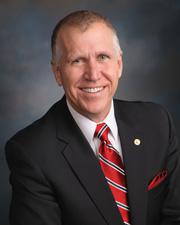
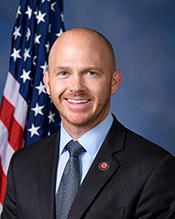
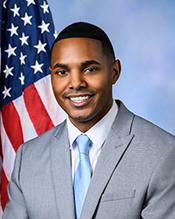
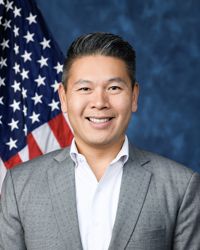
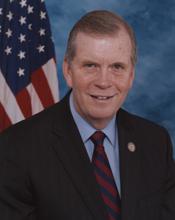
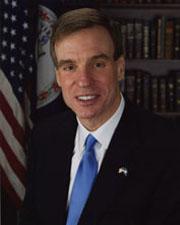
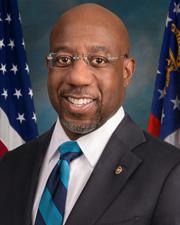
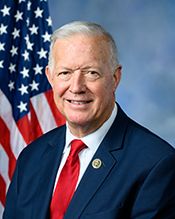
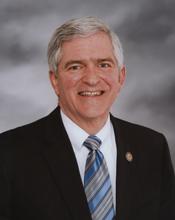
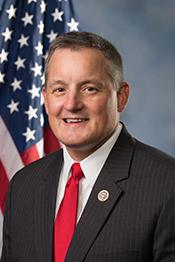
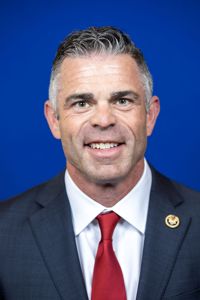
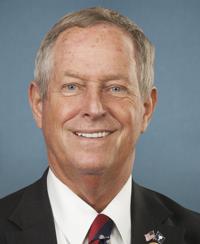
Recorded positions for tracked politicians






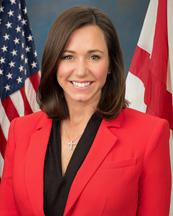
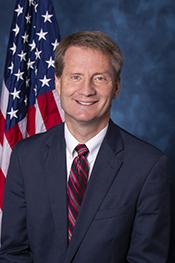
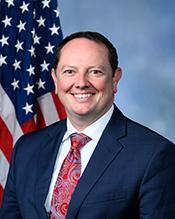
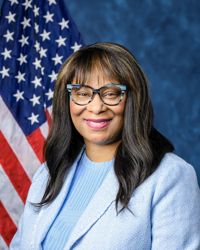
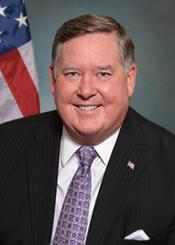
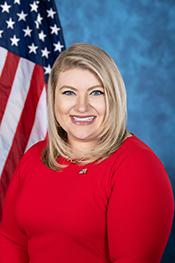


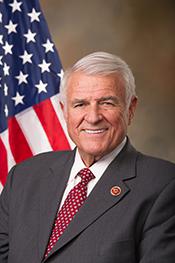
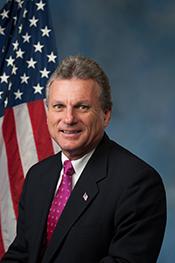
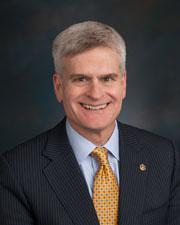
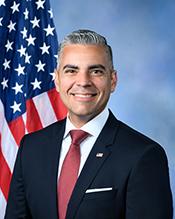
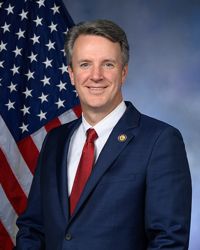
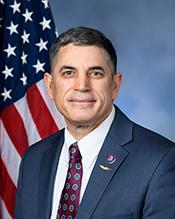



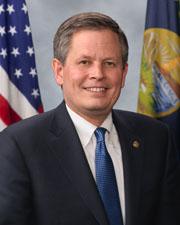
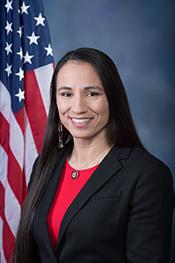
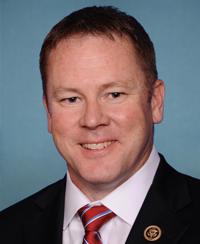
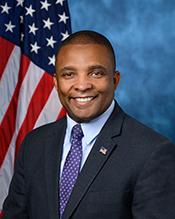
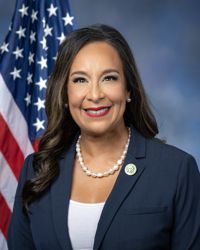
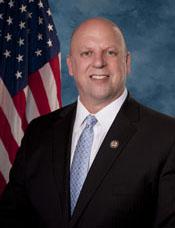
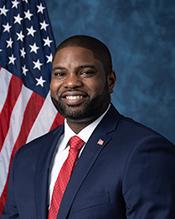
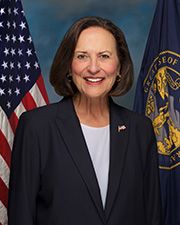
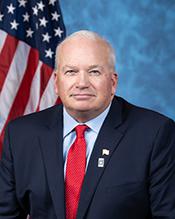
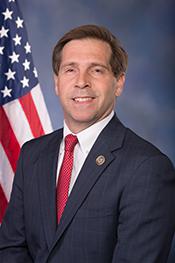
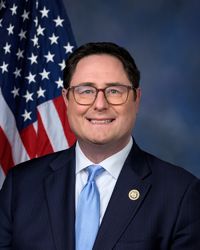
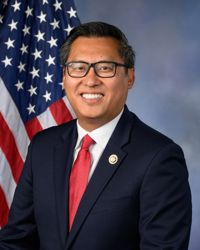

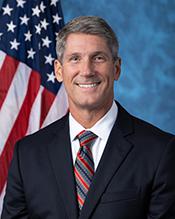
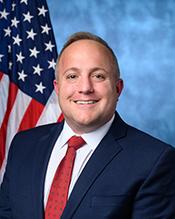
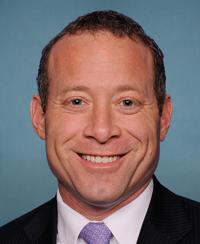
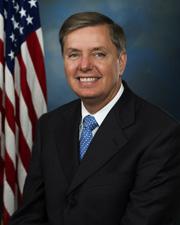

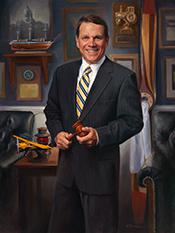
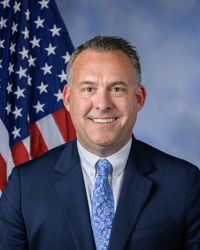
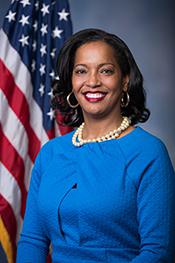
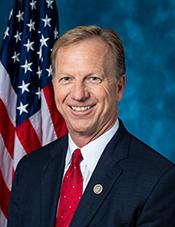
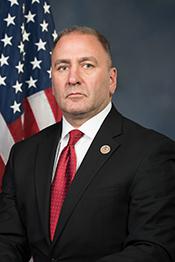
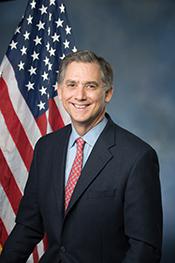




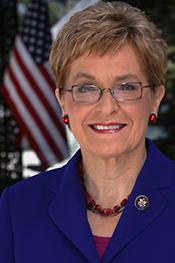
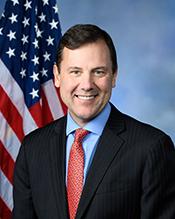

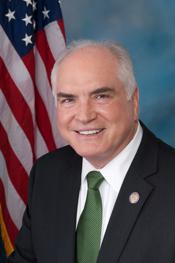
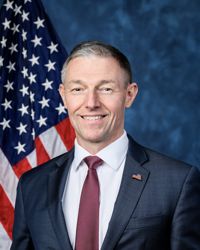
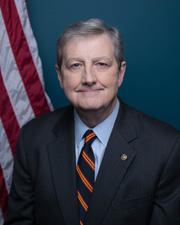
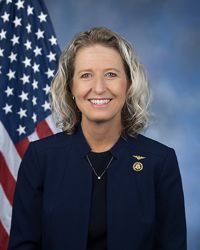
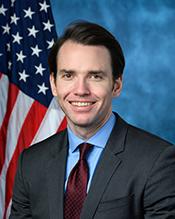
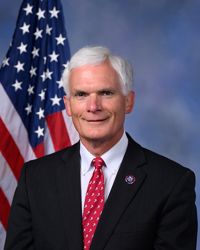
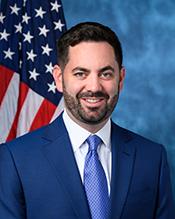
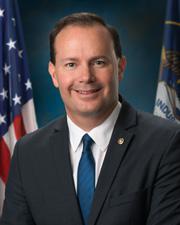
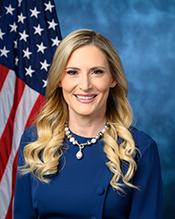
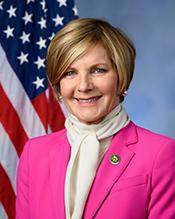

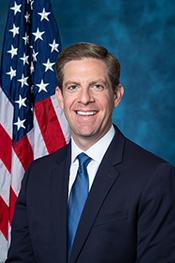
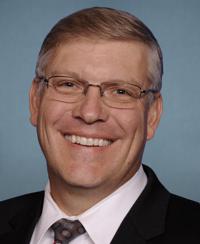
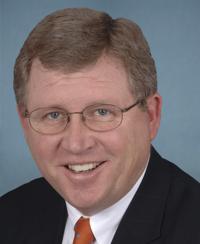

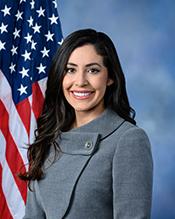
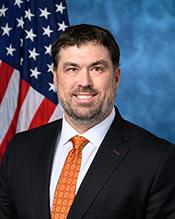

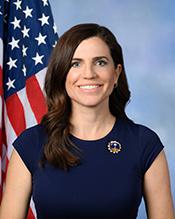
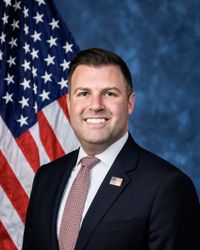
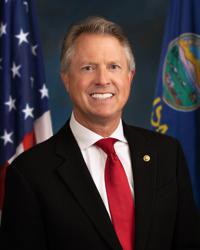

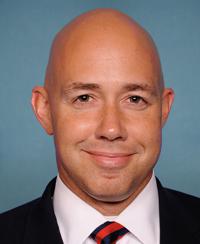
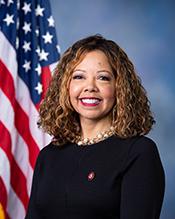
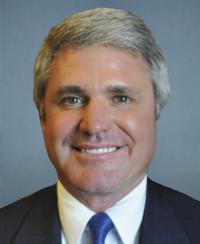

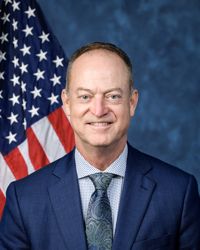
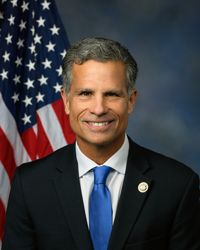
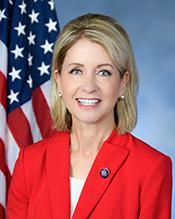
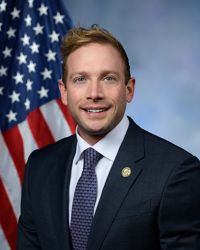





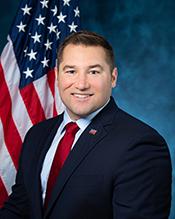
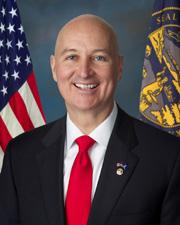
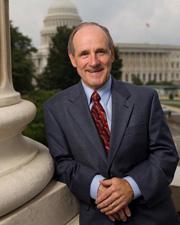
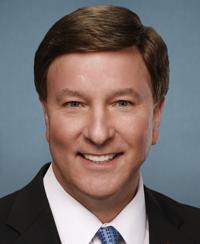
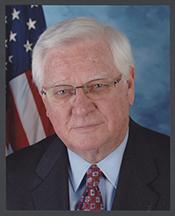
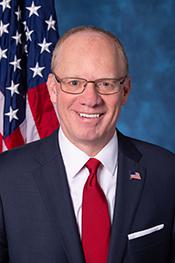


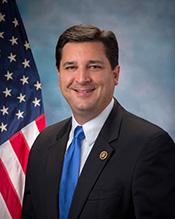
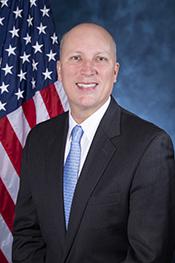



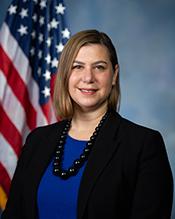
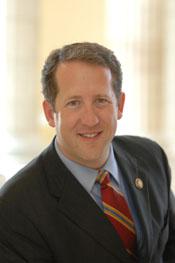
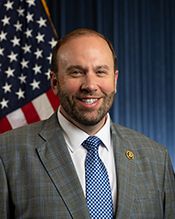

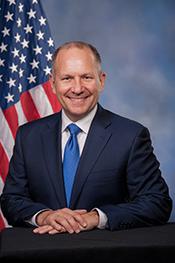


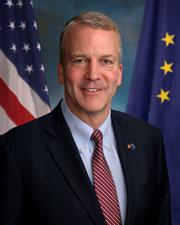
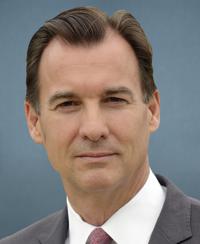
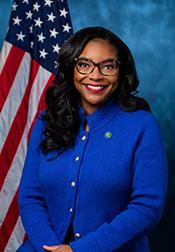
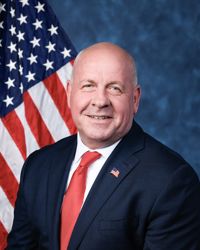
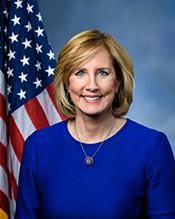
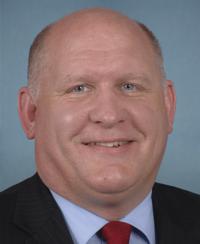
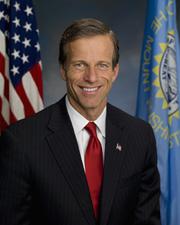
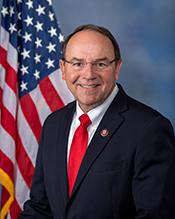

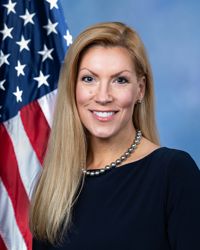
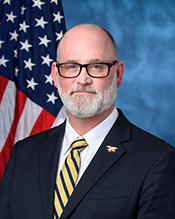
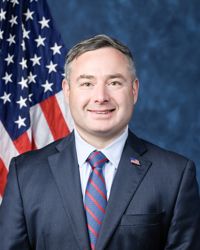
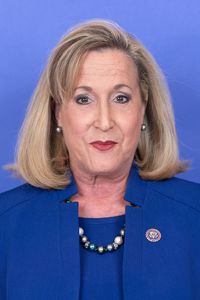


SPONSORS
Katie Boyd Britt
R-AL · Primary
51 COSPONSORS
BIPARTISAN● 2 D● 49 R
+45 more (see dot grid above)
SPONSOR FUNDING
Top industries funding Britt
Lawyers & Lobbyists16%
Lawyers & Lobbyists 16% of classified donations
Securities & Investment9%
Securities & Investment 9% of classified donations
Single-Issue Advocacy8%
Single-Issue Advocacy 8% of classified donations
Real Estate7%
Real Estate 7% of classified donations
Construction & Engineering7%
Construction & Engineering 7% of classified donations
TRAIL AI
The Laken Riley Act (S 5) addresses immigration enforcement and detention policies. The bill passed with 322 votes in favor and 184 opposed, with Republicans voting unanimously in support and Democrats splitting 58 in favor to 182 opposed, before being signed into law.
Based on public voting records. Does not imply causation.
TIMELINE
INTRODUCEDJan 6, 2025
PASSED HOUSEJan 22, 2025
PASSED SENATEJan 20, 2025
SIGNEDJan 29, 2025
DATA SOURCES
Bill data: Congress.gov · 117th–119th Congress (2021–present)
Vote records: House Clerk / Senate · 2021–present
Reflects public records. Does not imply causation.