S1582-119 · 119th Congress
286 lobbying reports name this bill. See the war room — the surge, who showed up, and the money behind the vote→Signed
Signed Jul 18, 2025GENIUS Act
Guiding and Establishing National Innovation for U.S. Stablecoins Act or the GENIUS Act This bill establishes a regulatory framework for payment stablecoins (digital assets which an issuer must redeem for a fixed value). Under the bill, only permitted issuers may issue a payment stablecoin for use by U.S. persons, subject to certain exceptions and safe harbors. Permitted issuers must be a subsidiary of an insured depository institution, a federal-qualified nonbank payment stablecoin issuer, or a state-qualified payment stablecoin issuer. Permitted issuers must be regulated by the appropriate federal or state regulator. Permitted issuers may choose federal or state regulation; however, state regulation is limited to those with a stablecoin issuance of $10 billion or less. Permitted issuers must maintain reserves backing the stablecoin on a one-to-one basis using U.S. currency or other similarly liquid assets, as specified. Permitted issuers must also publicly disclose their redemption policy and publish monthly the details of their reserves. The bill specifies requirements for (1) reusing reserves; (2) providing safekeeping services for stablecoins; and (3) supervisory, examination, and enforcement authority over federal-qualified issuers. The bill allows foreign issuers of stablecoins to offer, sell, or make available in the United States stablecoins using digital asset service providers, subject to requirements, including a determination by the Department of Treasury that they are subject to comparable foreign regulations. Under…
VOTE BREAKDOWN
Final passage · 525 politicians tracked
371
YEA
151
NAY
0
PRESENT
3
NOT VOTING
Dem YEA 116Dem NAY 135Ind YEA 1Ind NAY 2Rep NAY 14Rep YEA 254
BY PARTY · ✕ NAY ← | → YEA ✓
REP
14
254
DEM
135
116
IND
2
1
MONEY ON THIS BILL
Which donor industries fund each side of the vote — total contributions from that industry to those members, all cycles · plus lobbying activity in affected industries
⬆ YEA voters — top donor industries
- 1. Lawyers & Lobbyists$271.2M
- 2. Securities & Investment$209.6M
- 3. Health Services$171.0M
⬇ NAY voters — top donor industries
- 1. Lawyers & Lobbyists$90.1M
- 2. Health Services$56.2M
- 3. Labor Unions$54.4M
◎ Lobbying activity by issue area
- securities764 filings
- banking367 filings
Dollar figures are each industry's total contributions to those members across all tracked cycles — not money given for this specific bill. Statistical patterns in public records; correlation, not causation.
LOBBYING ON THIS BILL
286 federal lobbying reports name this bill in their activity descriptions · LDA disclosures
COINBASE, INC.11 reports
AMERICAN AIRLINES, INC.10 reports
BLOCK INC.9 reports
VISA, INC.7 reports
PAYWARD INC.7 reports
BLOCKCHAIN ASSOCIATION6 reports
ERNST & YOUNG LLP (WASHINGTON COUNCIL ERNST & YOUNG)6 reports
SOLANA POLICY INSTITUTE6 reports
⟳ The revolving door — lobbyists on this bill with disclosed former government roles
Joshua FendrickStaff Assistant, Legislative Correspondent, and Legislative Aide, Sen. Gary C. Peters; Economic Policy Adviser, Rep. Josh Gottheimer; Economic Policy Adviser, Sen. Gary C. Peters
Daniel ZieglerExecutive Director, Republican Study Committee; Legislative Director for Rep Doug Lamborn, Policy Director; Speaker Mike Johnson
Christopher WilcoxLA, Leg Counsel, LD & Counsel, Rep. Arcuri; LD & Counsel, Rep. Demings
Jack FieldsFormer Member of Congress.
Christine PollackRep. E. Clay Shaw, Jr.
Brian AppelLegislative assis't, Sen. Mary Landrieu(5/07-1/09); Democratic Counsel, Small Business Committee(1/09-5/09); Legislative Counsel, Sen. Michael Bennet(5/09-11); Deputy Leg. Dir, Sen. Michael Bennet(11-14); Leg. Dir, Sen. Michael Bennet (8/14-8/22)
“Covered position” is the former government job lobbyists must disclose by law (LDA §4). Prior service is stated on the filings; it carries no implication of wrongdoing. Full revolving-door board →
A report naming a bill means the organization disclosed lobbying activity on it — the disclosure does not state a position for or against.
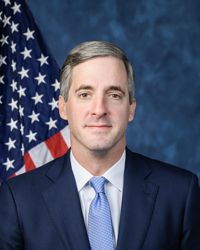
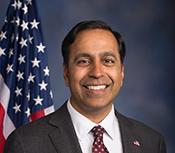
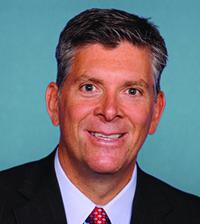
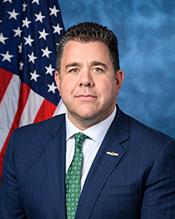
INDIVIDUAL VOTES
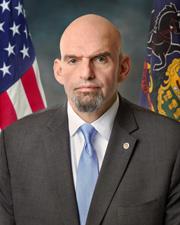
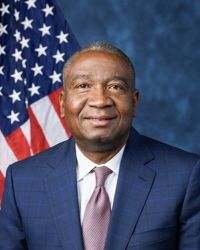
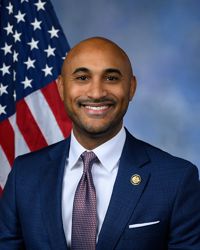
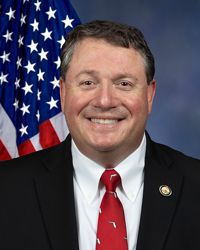
Recorded positions for tracked politicians

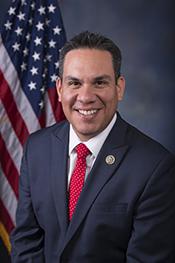
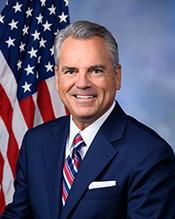
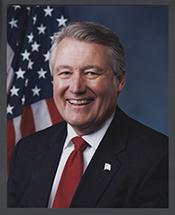

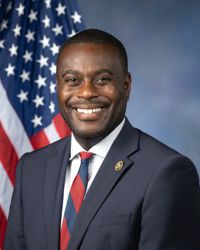














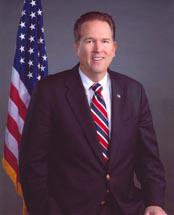
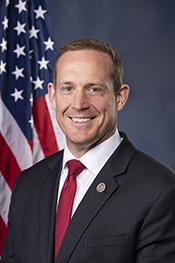
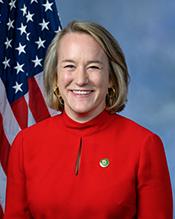
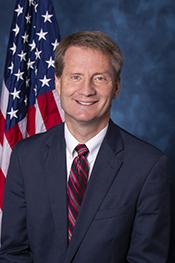

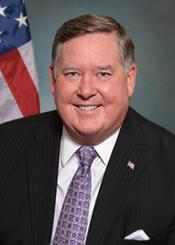


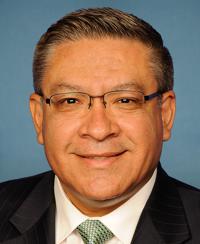

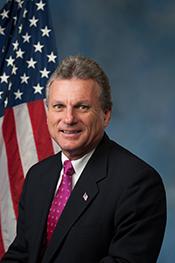
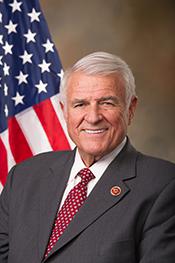

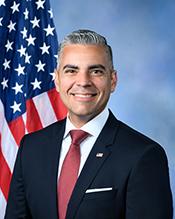

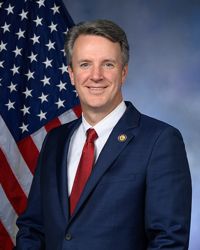
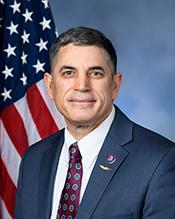
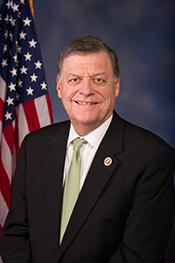






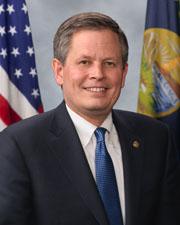

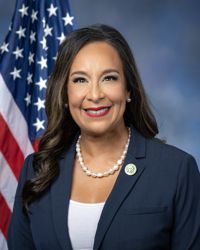
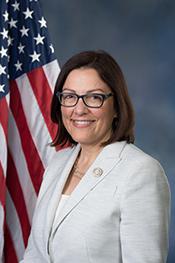
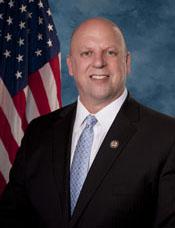

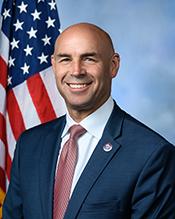
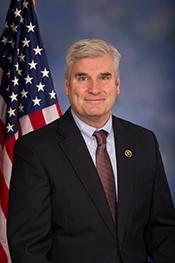
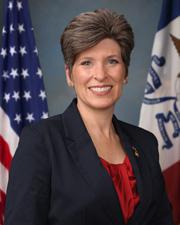
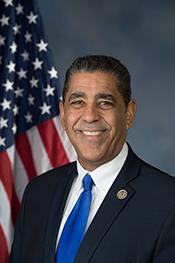




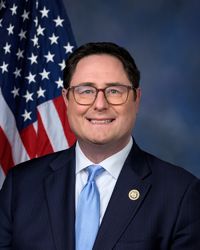
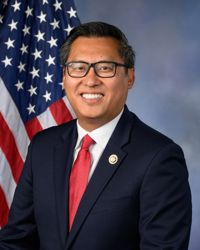

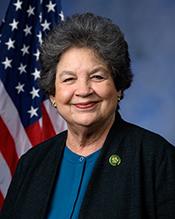
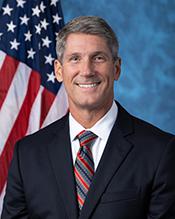
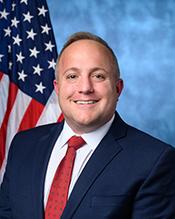
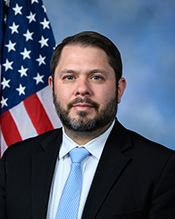

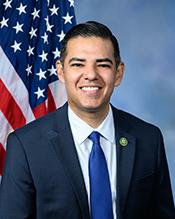
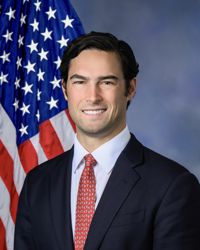




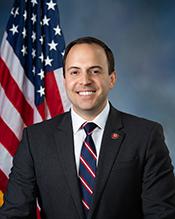
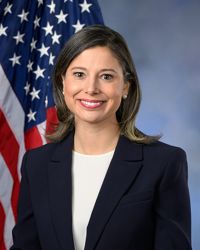
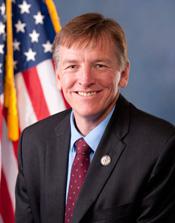
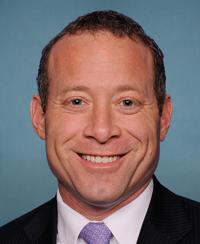
D
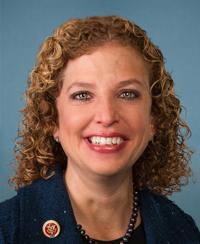
R-SCDarline Graham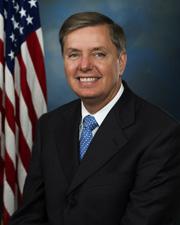









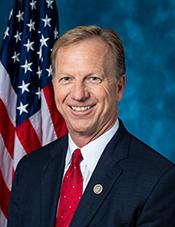

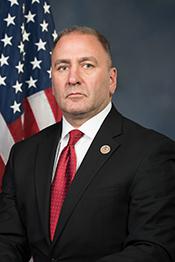

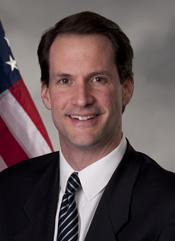

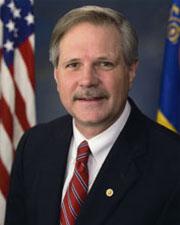

















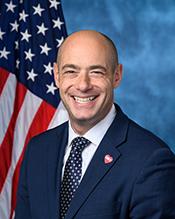
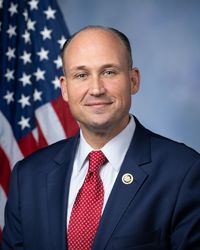
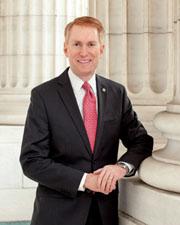
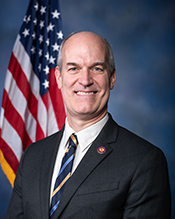




















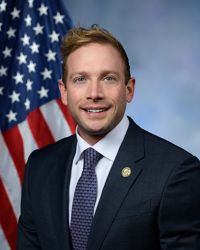
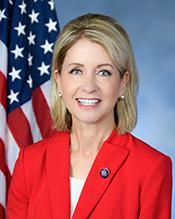

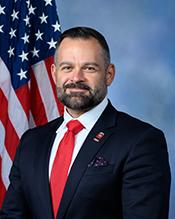


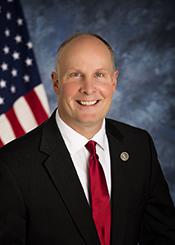




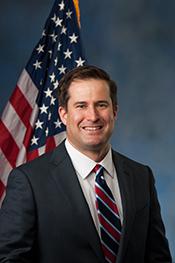


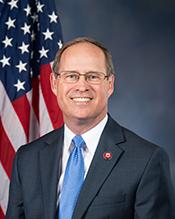
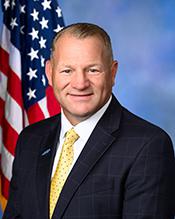

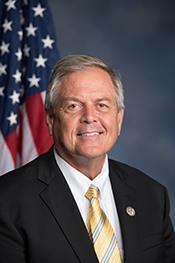
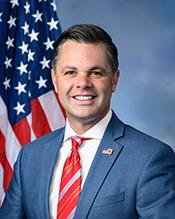
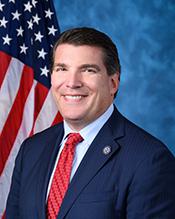


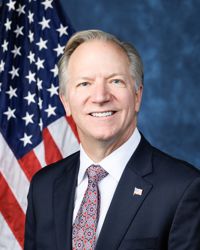

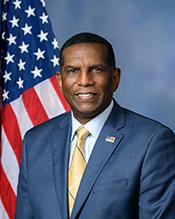
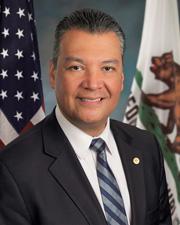
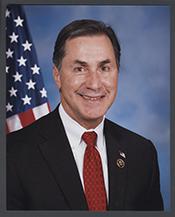
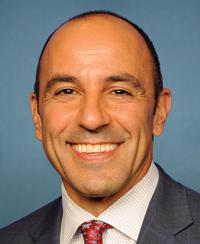
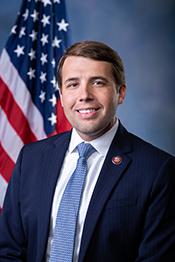
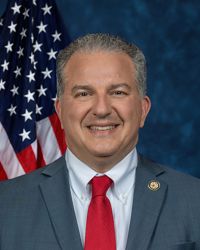




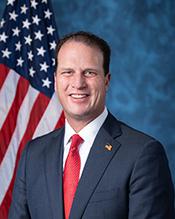


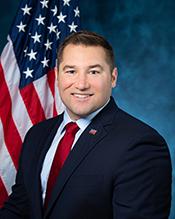
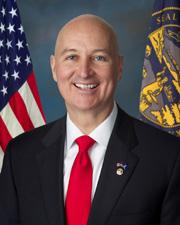

















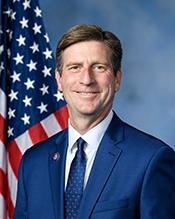
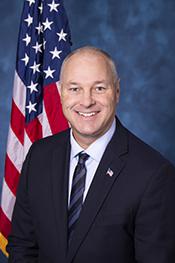

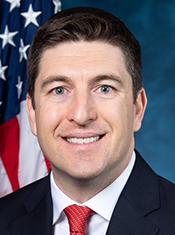

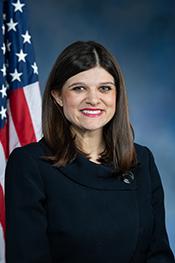











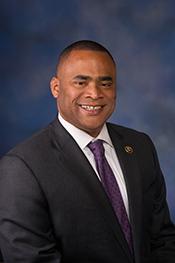


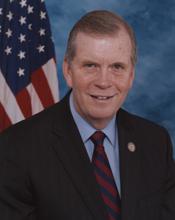
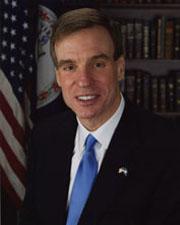
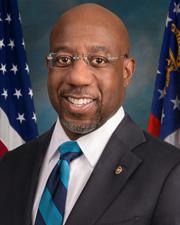






SPONSORS
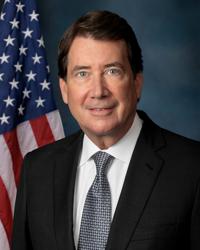
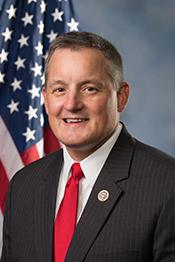
Bill Hagerty
R-TN · Primary
5 COSPONSORS
REPUBLICAN● 5 R
SPONSOR FUNDING
Top industries funding Hagerty
Party & Leadership26%
Party & Leadership 26% of classified donations
Securities & Investment11%
Securities & Investment 11% of classified donations
Lawyers & Lobbyists10%
Lawyers & Lobbyists 10% of classified donations
Commercial Banks7%
Commercial Banks 7% of classified donations
Health Services5%
Health Services 5% of classified donations
TRAIL AI
The GENIUS Act (S 1582) addresses intellectual property protections and innovation incentives. The bill passed with 369 votes in favor and 151 opposed, with support largely divided along party lines: 252 Republicans and 14 voted yes while 135 Democrats and 116 voted no. The legislation was signed into law.
Based on public voting records. Does not imply causation.
TIMELINE
INTRODUCEDMay 1, 2025
PASSED HOUSEJul 16, 2025
PASSED SENATEJun 17, 2025
SIGNEDJul 18, 2025
DATA SOURCES
Bill data: Congress.gov · 117th–119th Congress (2021–present)
Vote records: House Clerk / Senate · 2021–present
Reflects public records. Does not imply causation.