HR1968-119 · 119th Congress
1,447 lobbying reports name this bill. See the war room — the surge, who showed up, and the money behind the vote→Signed
Signed Mar 15, 2025Full-Year Continuing Appropriations and Extensions Act, 2025
Full-Year Continuing Appropriations and Extensions Act, 2025 This bill provides continuing FY2025 appropriations for federal agencies and extends various expiring programs and authorities. Specifically, the bill provides continuing FY2025 appropriations to federal agencies for the remainder of FY2025. It is known as a continuing resolution (CR) and prevents a government shutdown that would otherwise occur if the FY2025 appropriations bills have not been enacted when the existing CR expires on March 14, 2025. The CR funds most programs and activities at the FY2024 levels. It also includes several additional provisions that increase or decrease funding for various programs compared to FY2024 levels. In addition, the bill extends several expiring programs and authorities, including several public health, Medicare, and Medicaid authorities and programs; the National Flood Insurance Program; authorities related to the Commodity Futures Trading Commission whistleblower program; the Department of Homeland Security (DHS) National Cybersecurity Protection System; authorities for DHS and the Department of Justice to take certain actions to mitigate a credible threat from an unmanned aircraft system; the Temporary Assistance for Needy Families (TANF) program; several immigration-related programs and authorities; the special assessment on nonindigent persons or entities convicted of certain offenses involving sexual abuse or human trafficking; the temporary scheduling order issued by the Drug Enforcement Administration to place fentanyl-related substances in Sch…
VOTE BREAKDOWN
Final passage · 522 politicians tracked
268
YEA
253
NAY
0
PRESENT
1
NOT VOTING
Dem YEA 2Dem NAY 250Ind YEA 2Ind NAY 1Rep NAY 2Rep YEA 264
BY PARTY · ✕ NAY ← | → YEA ✓
REP
2
264
DEM
250
2
IND
1
2
MONEY ON THIS BILL
Which donor industries fund each side of the vote — total contributions from that industry to those members, all cycles · plus lobbying activity in affected industries
⬆ YEA voters — top donor industries
- 1. Lawyers & Lobbyists$115.3M
- 2. Securities & Investment$106.3M
- 3. Health Services$90.5M
⬇ NAY voters — top donor industries
- 1. Lawyers & Lobbyists$248.5M
- 2. Securities & Investment$151.3M
- 3. Health Services$137.2M
◎ Lobbying activity by issue area
No bill-issue lobbying matches.
Dollar figures are each industry's total contributions to those members across all tracked cycles — not money given for this specific bill. Statistical patterns in public records; correlation, not causation.
LOBBYING ON THIS BILL
1,447 federal lobbying reports name this bill in their activity descriptions · LDA disclosures
AMERICAN MEDICAL ASSOCIATION12 reports
CROPLIFE AMERICA10 reports
FRIENDS COMMITTEE ON NATIONAL LEGISLATION9 reports
LIBERTY MUTUAL GROUP9 reports
STARKEY LABORATORIES, INC.8 reports
NATIONAL COMMITTEE TO PRESERVE SOCIAL SECURITY AND MEDICARE8 reports
AMERICAN ASSOCIATION OF NURSE PRACTITIONERS8 reports
OPEN SPACE INSTITUTE, INC.8 reports
⟳ The revolving door — lobbyists on this bill with disclosed former government roles
Mark KadeshRep. Harman (1995-1997) - Chief of Staff; Sen. Feinstein (1998-2007) - Legislative Director & Chief of Staff
Dave RameyRep. Ken Calvert (1993 - October 2016) - Chief of Staff
Christian KierigSen. Feinstein (1995-2001) - Legislative Assistant
Ben MillerRep. George Miller (2003-2012) - Legislative Assistant, Legislative Director, Deputy Chief of Staff; Rep. Huffman (2013-2020) - Chief of Staff
Camille BianchiniIntern for Senator Hatch (January 2016-April 2016)
Carlos JacksonLegislative Assistant; House Member Office (Rep. Gwen Moore), Executive Assistant, Special Projects Coordinator, House Member Office (Kleczka)
“Covered position” is the former government job lobbyists must disclose by law (LDA §4). Prior service is stated on the filings; it carries no implication of wrongdoing. Full revolving-door board →
A report naming a bill means the organization disclosed lobbying activity on it — the disclosure does not state a position for or against.
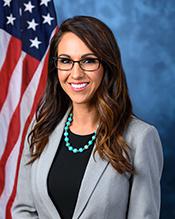
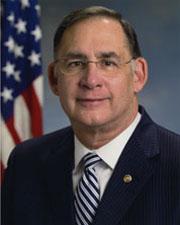
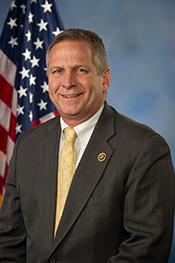
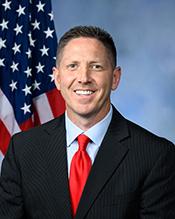
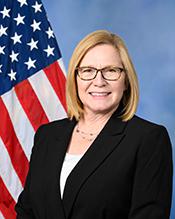
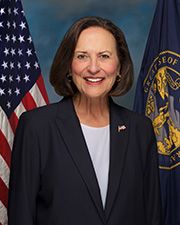
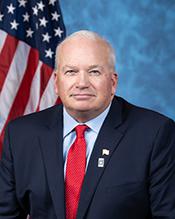
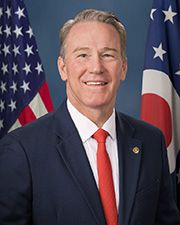
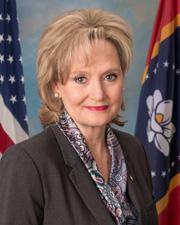
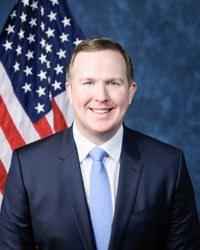
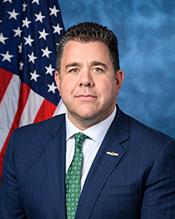
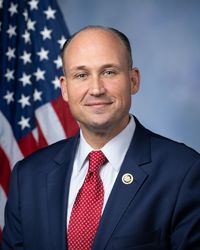
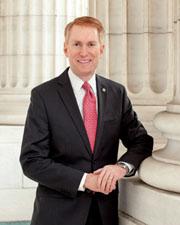
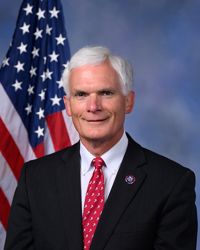
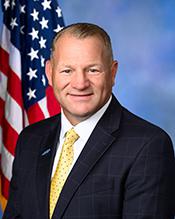
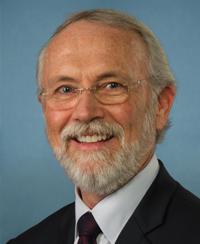
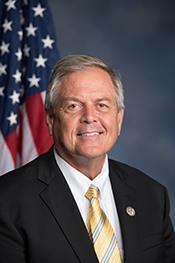
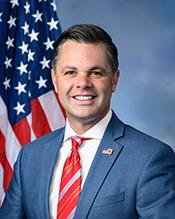
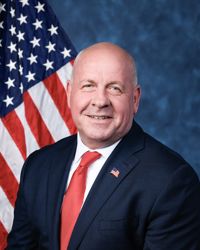
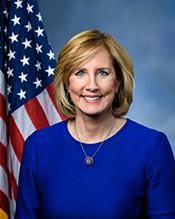
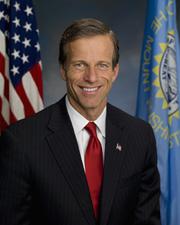
INDIVIDUAL VOTES
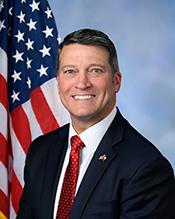
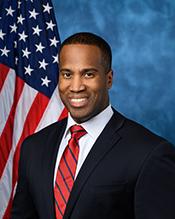
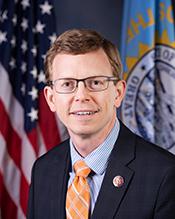
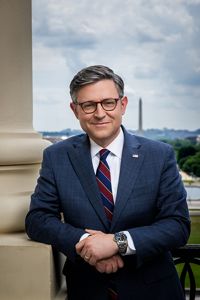
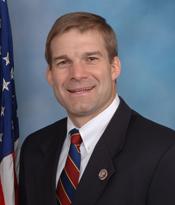
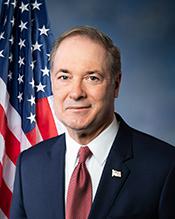
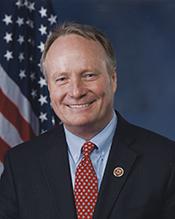
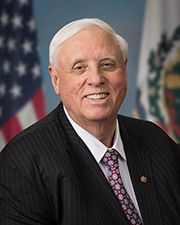
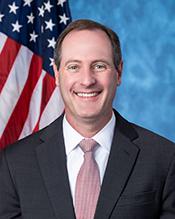
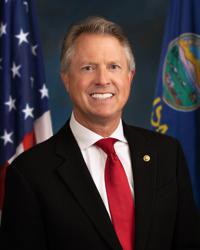
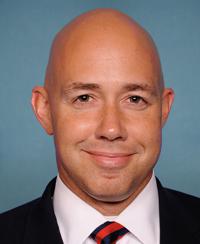
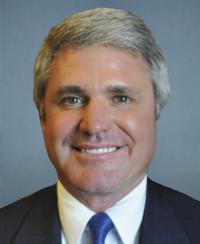
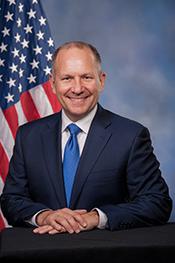
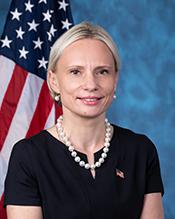
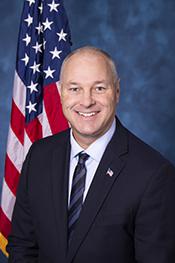
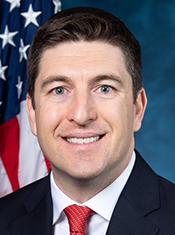
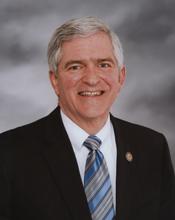
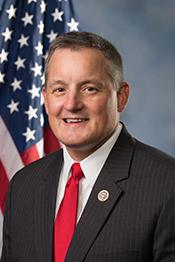
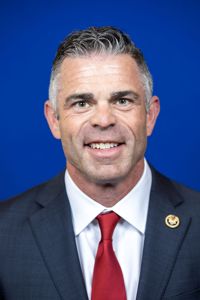
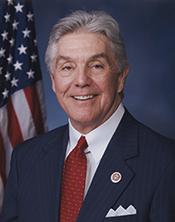
Recorded positions for tracked politicians


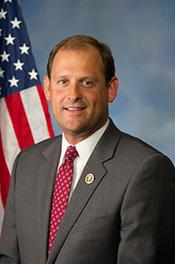
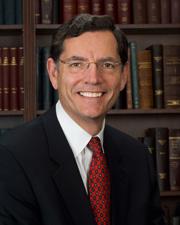
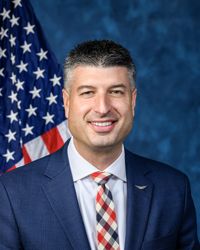
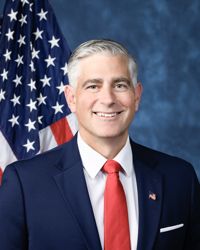

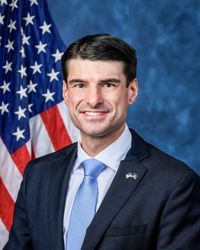
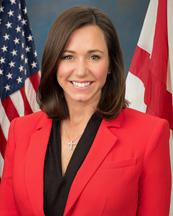
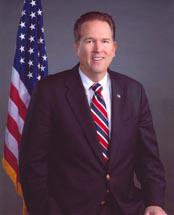
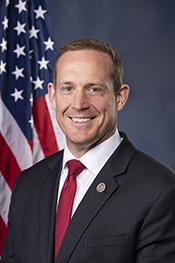
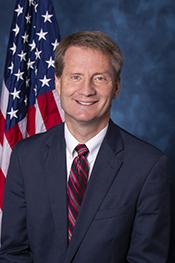
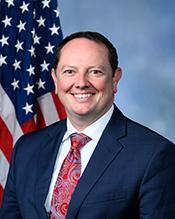
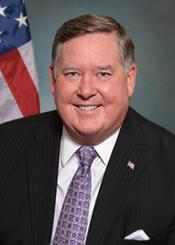
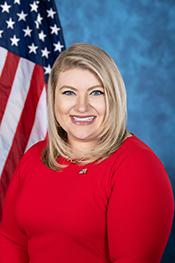
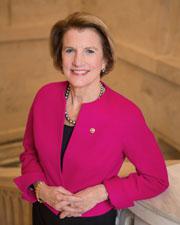
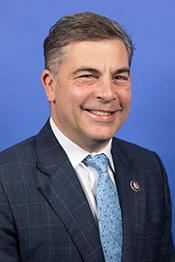
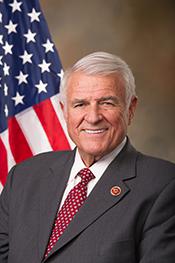
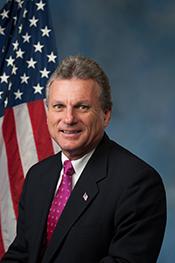
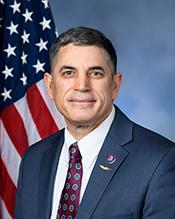
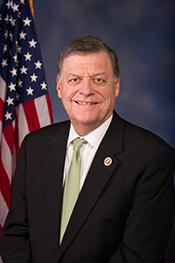
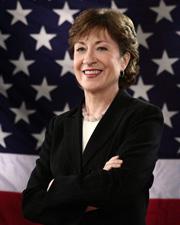
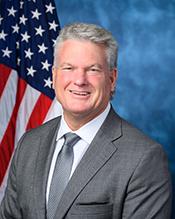
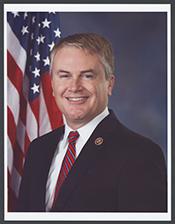
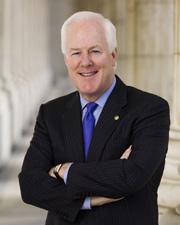
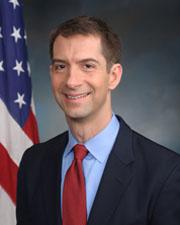
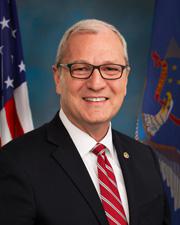


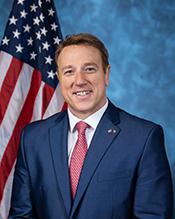
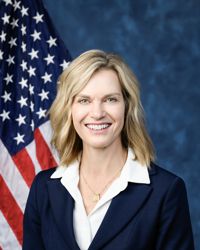
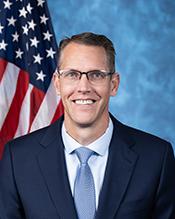
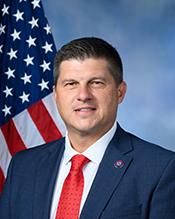
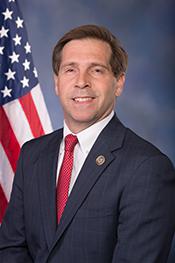
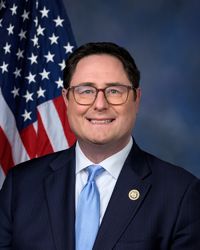
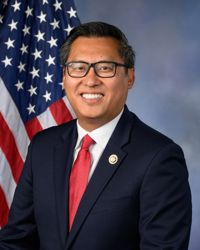
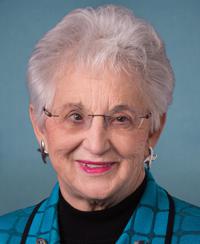
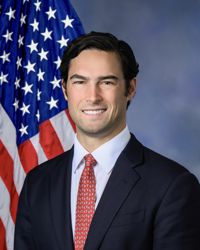
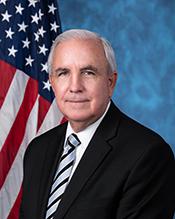
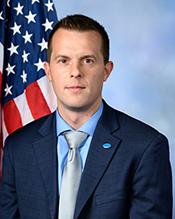
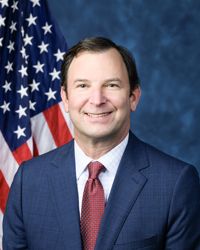

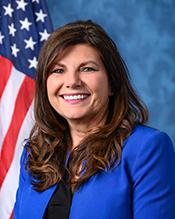
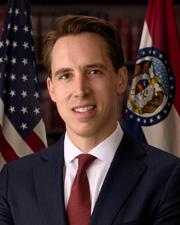
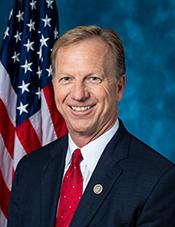
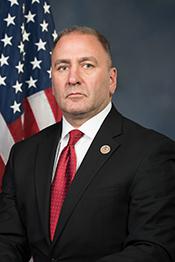

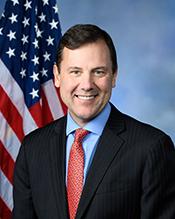
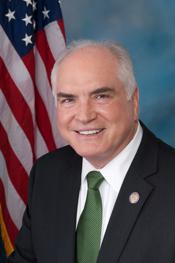
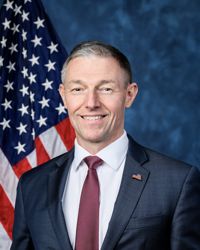
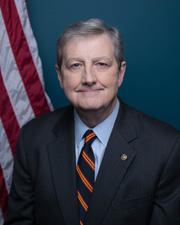
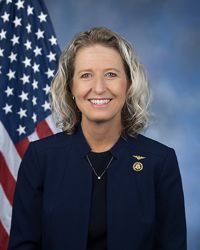
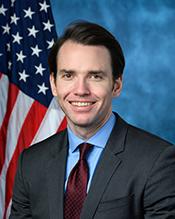
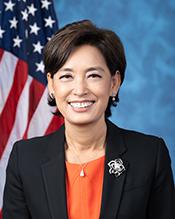

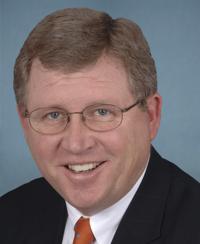
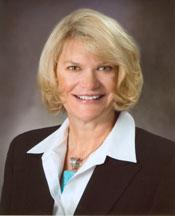
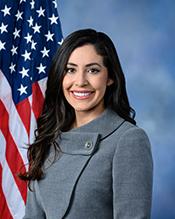
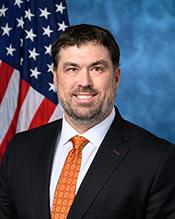
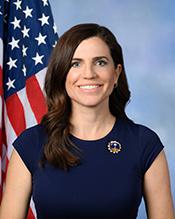
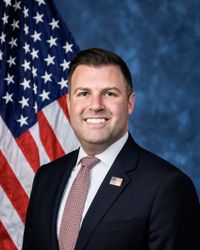
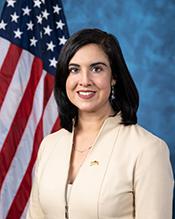
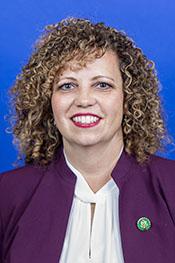
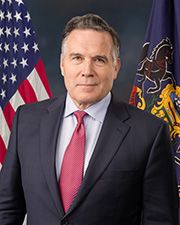
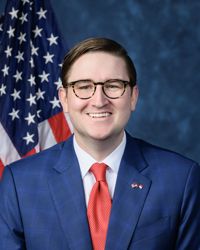
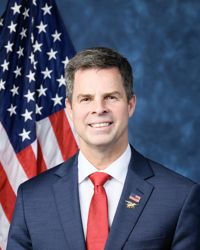
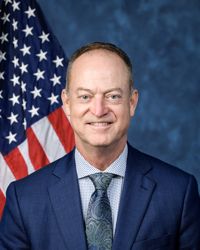
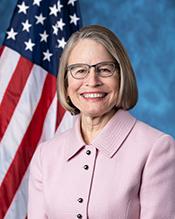
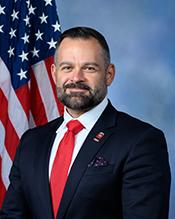

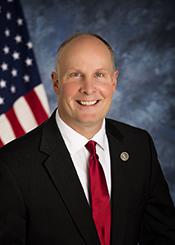
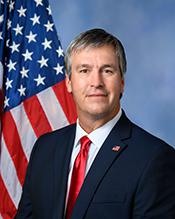
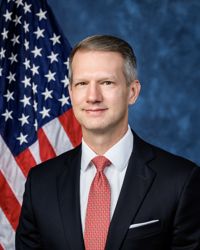
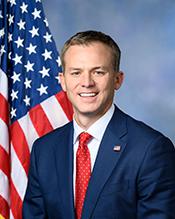
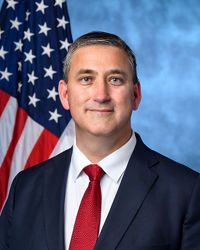
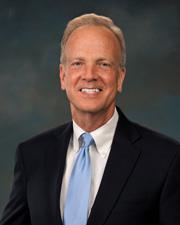
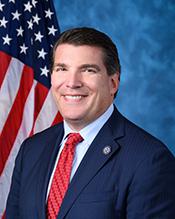
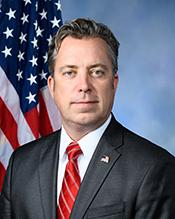
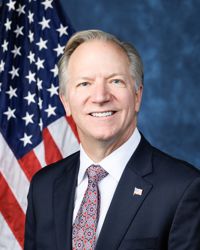
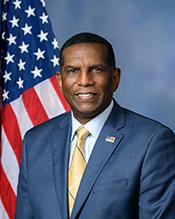
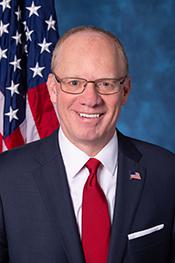

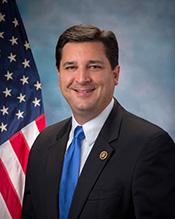
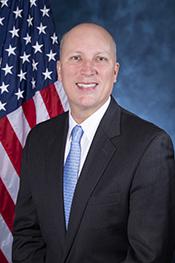
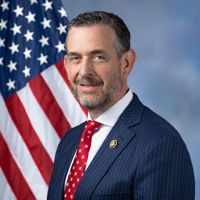

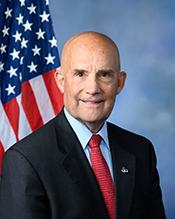
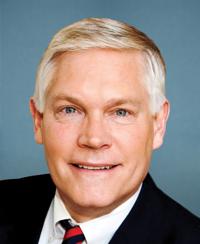
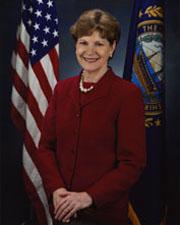
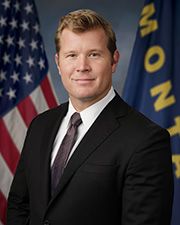


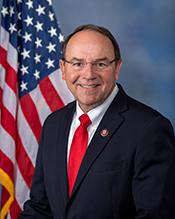
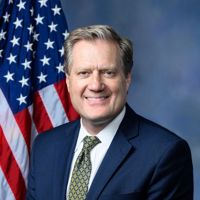
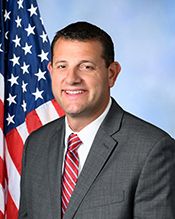
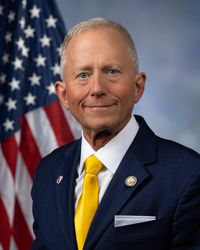
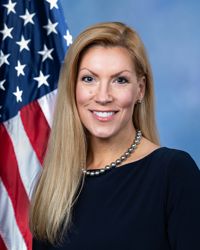

SPONSORS
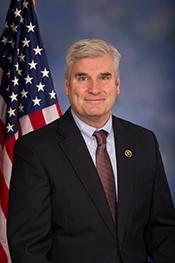
Tom Cole
R-OK · Primary
SPONSOR FUNDING
Top industries funding Cole
Lawyers & Lobbyists12%
Lawyers & Lobbyists 12% of classified donations
Defense & Aerospace11%
Defense & Aerospace 11% of classified donations
Health Services8%
Health Services 8% of classified donations
Technology6%
Technology 6% of classified donations
Party & Leadership5%
Party & Leadership 5% of classified donations
TRAIL AI
HR 1968, the Full-Year Continuing Appropriations and Extensions Act, 2025, provides funding for federal government operations through the fiscal year and extends certain programs or authorities. The bill passed with 267 votes in favor and 253 opposed, with near-unanimous Republican support (263-2) and near-unanimous Democratic opposition (2-250). The legislation was signed into law.
Based on public voting records. Does not imply causation.
TIMELINE
INTRODUCEDMar 10, 2025
PASSED HOUSEMar 11, 2025
PASSED SENATEMar 14, 2025
SIGNEDMar 15, 2025
DATA SOURCES
Bill data: Congress.gov · 117th–119th Congress (2021–present)
Vote records: House Clerk / Senate · 2021–present
Reflects public records. Does not imply causation.