HR7148-119 · 119th Congress
594 lobbying reports name this bill. See the war room — the surge, who showed up, and the money behind the vote→Signed
Signed Feb 3, 2026Consolidated Appropriations Act, 2026
Consolidated Appropriations Act, 2026 This bill provides FY2026 appropriations to several federal departments and agencies. It also extends various expiring programs and authorities. Specifically, the bill includes 3 of the 12 regular FY2026 appropriations bills: the Department of Defense Appropriations Act, 2026; the Departments of Labor, Health and Human Services, and Education, and Related Agencies Appropriations Act, 2026; and the Transportation, Housing and Urban Development, and Related Agencies Appropriations Act. The departments and agencies funded in the bill include the Department of Defense, the Department of Labor, the Department of Health and Human Services, the Department of Education, the Department of Transportation, the Department of Housing and Urban Development, and related agencies. The bill also extends several expiring programs and authorities, including the U.S. Grain Standards Act; the Commodity Futures Trading Commission’s whistleblower program; the National Flood Insurance Program; the Forest Service's participation in the Agriculture Conservation Experienced Services Program; the Transportation Security Administration’s Reimbursable Screening Services Program; the Motor Carrier Safety Advisory Committee; several authorities and programs related to cybersecurity; the technology modernization fund and board; the U.S. Parole Commission; the special assessment on nonindigent persons or entities convicted of certain offenses involving sexual abuse or human trafficking; several immigration-related programs and authorities; the…
VOTE BREAKDOWN
Final passage · 527 politicians tracked
286
YEA
240
NAY
0
PRESENT
1
NOT VOTING
Dem YEA 42Dem NAY 213Ind YEA 2Ind NAY 1Rep NAY 26Rep YEA 242
BY PARTY · ✕ NAY ← | → YEA ✓
REP
26
242
DEM
213
42
IND
1
2
MONEY ON THIS BILL
Which donor industries fund each side of the vote — total contributions from that industry to those members, all cycles · plus lobbying activity in affected industries
⬆ YEA voters — top donor industries
- 1. Lawyers & Lobbyists$163.2M
- 2. Securities & Investment$136.9M
- 3. Health Services$112.6M
⬇ NAY voters — top donor industries
- 1. Lawyers & Lobbyists$202.2M
- 2. Securities & Investment$120.6M
- 3. Health Services$114.9M
◎ Lobbying activity by issue area
No bill-issue lobbying matches.
Dollar figures are each industry's total contributions to those members across all tracked cycles — not money given for this specific bill. Statistical patterns in public records; correlation, not causation.
LOBBYING ON THIS BILL
594 federal lobbying reports name this bill in their activity descriptions · LDA disclosures
AMERICAN MEDICAL ASSOCIATION6 reports
LOCKHEED MARTIN CORPORATION4 reports
NATIONAL ASSOCIATION OF COMMUNITY HEALTH CENTERS4 reports
NATIONAL ALLIANCE TO END HOMELESSNESS3 reports
NATIONAL SHOOTING SPORTS FOUNDATION3 reports
UNIVERSITY OF CALIFORNIA3 reports
ELEVANCE HEALTH, INC.3 reports
PHARMACEUTICAL CARE MANAGEMENT ASSOCIATION3 reports
⟳ The revolving door — lobbyists on this bill with disclosed former government roles
Andrew QuinnSA, LA - Rep. Hoyer
Elizabeth FoleyLA - Rep. McCollum
Mark KadeshRep. Harman (1995-1997) - Chief of Staff; Sen. Feinstein (1998-2007) - Legislative Director & Chief of Staff
Dave RameyRep. Ken Calvert (1993 - October 2016) - Chief of Staff
Ben MillerRep. George Miller (2003-2012) - Legislative Assistant, Legislative Director, Deputy Chief of Staff; Rep. Huffman (2013-2020) - Chief of Staff
Christian KierigSen. Feinstein (1995-2001) - Legislative Assistant
“Covered position” is the former government job lobbyists must disclose by law (LDA §4). Prior service is stated on the filings; it carries no implication of wrongdoing. Full revolving-door board →
A report naming a bill means the organization disclosed lobbying activity on it — the disclosure does not state a position for or against.
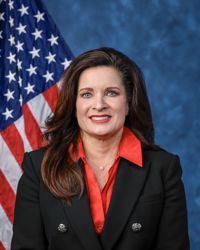
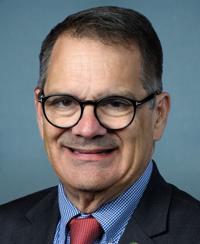
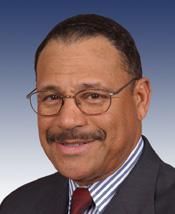
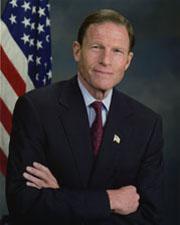
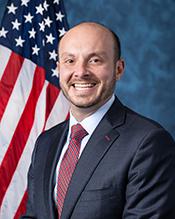
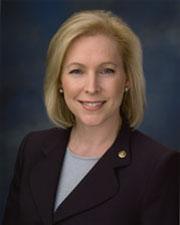
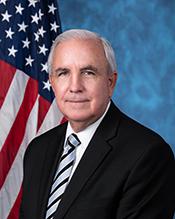
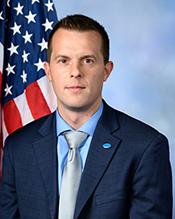
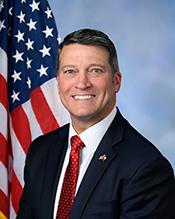
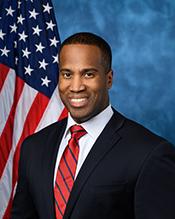
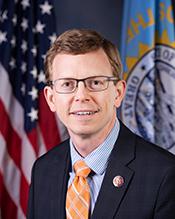
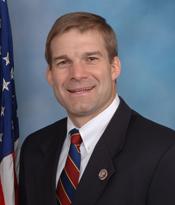
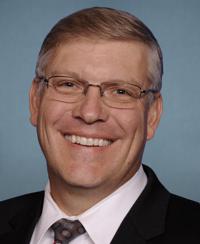
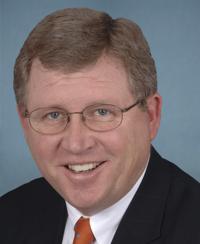
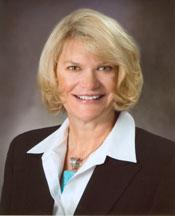
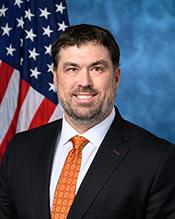
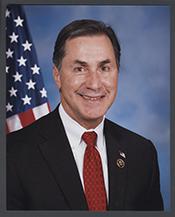
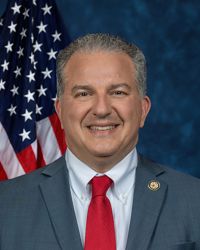
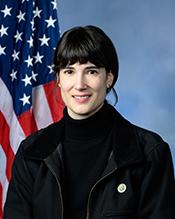
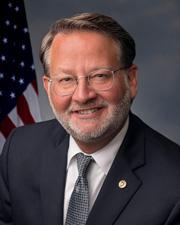
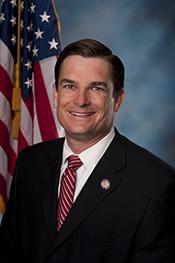
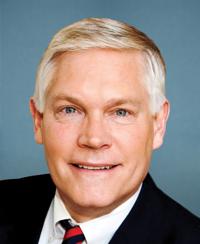
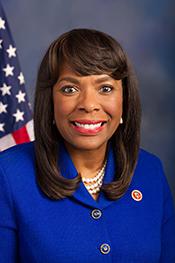
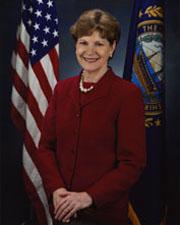
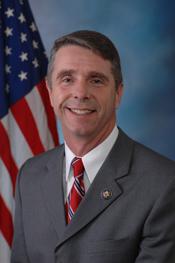
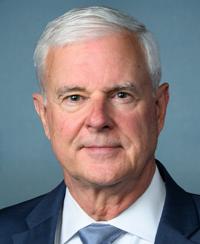
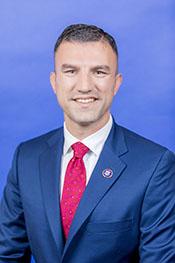
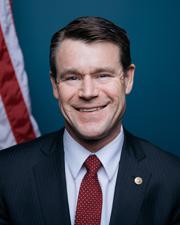
INDIVIDUAL VOTES
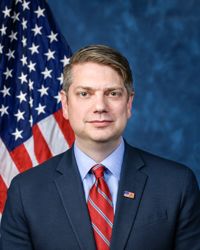
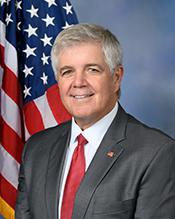
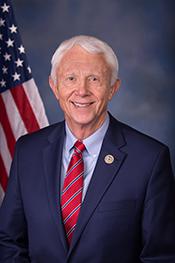
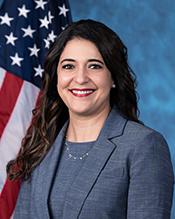
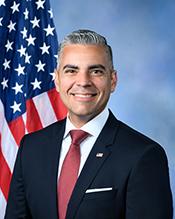
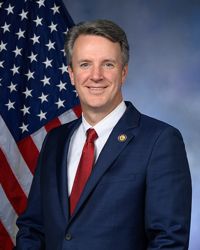
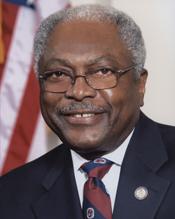
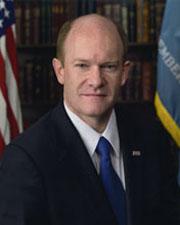
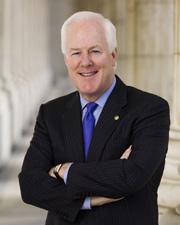
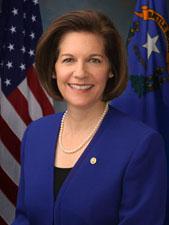
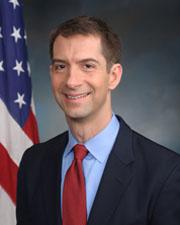
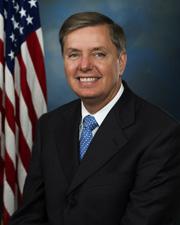
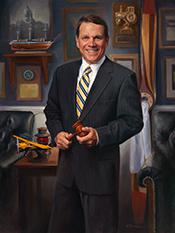
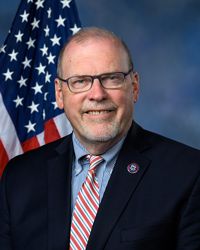
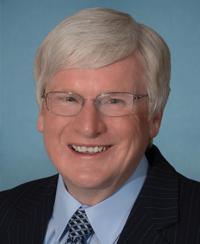
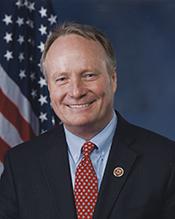
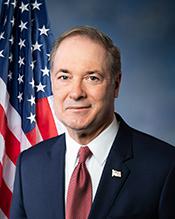
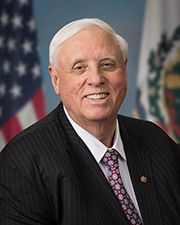
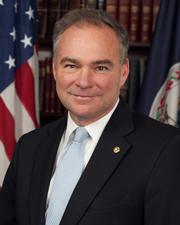
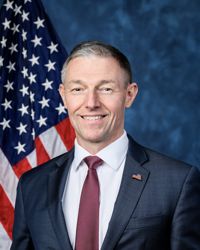
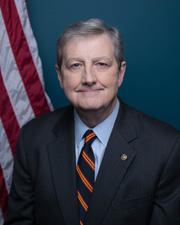
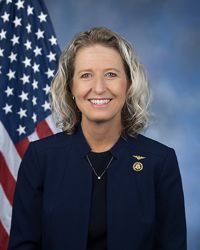
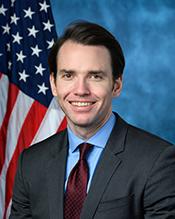
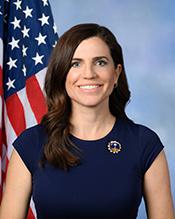
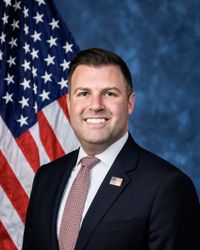
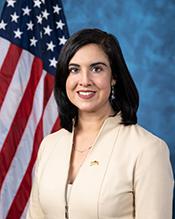
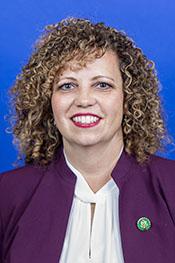
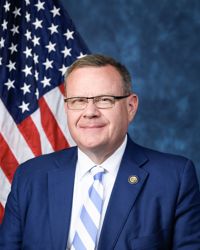
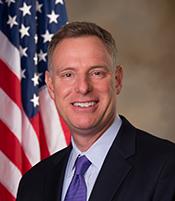
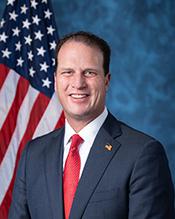
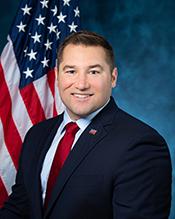
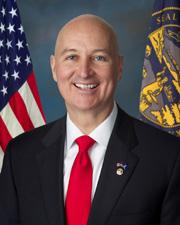
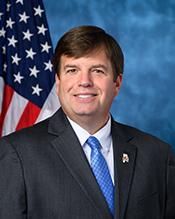
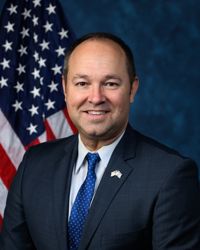
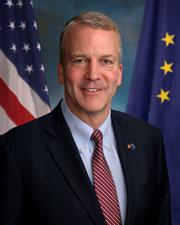
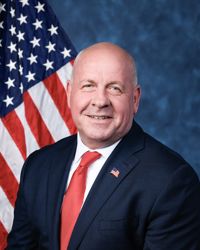
Recorded positions for tracked politicians





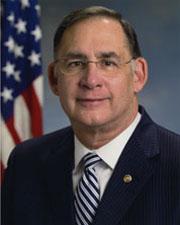
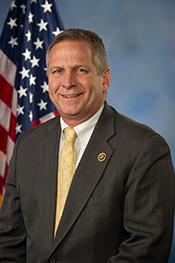
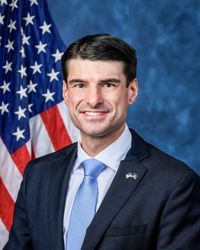
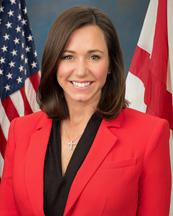






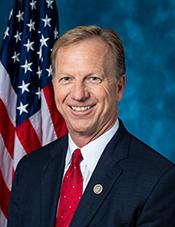

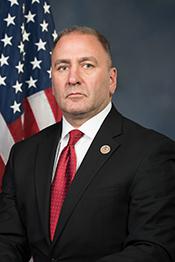
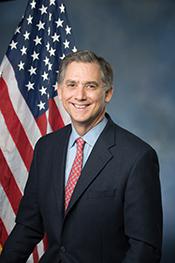
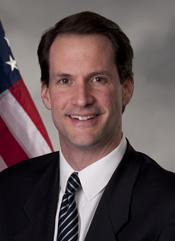

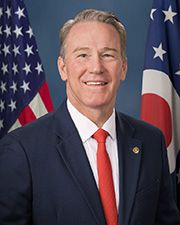
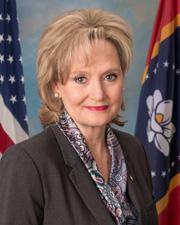
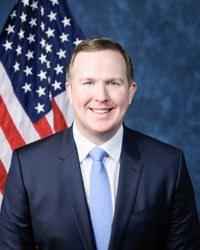

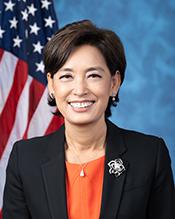
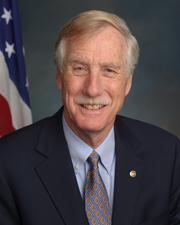
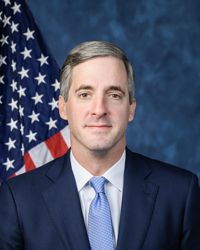
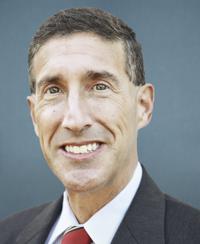

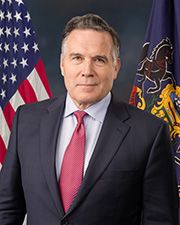
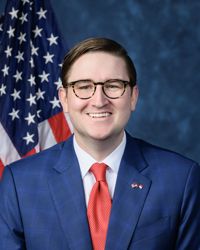
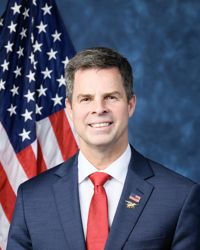
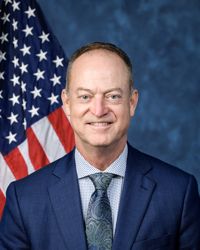
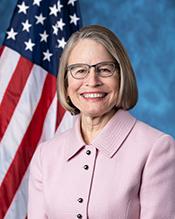

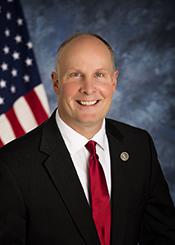
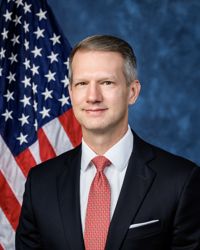
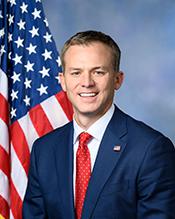
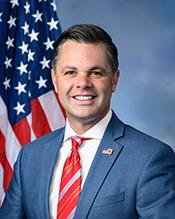
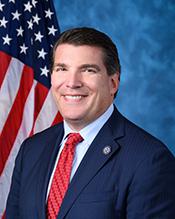
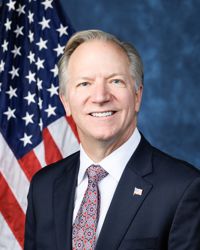

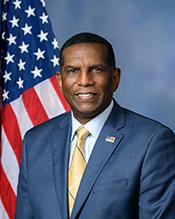




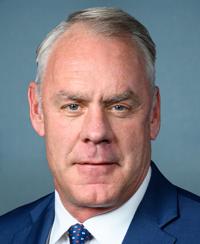
SPONSORS
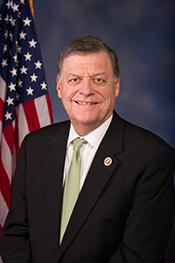
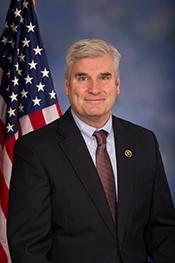
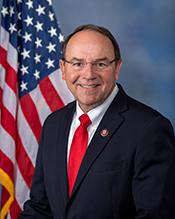
Tom Cole
R-OK · Primary
SPONSOR FUNDING
Top industries funding Cole
Lawyers & Lobbyists12%
Lawyers & Lobbyists 12% of classified donations
Defense & Aerospace11%
Defense & Aerospace 11% of classified donations
Health Services8%
Health Services 8% of classified donations
Technology6%
Technology 6% of classified donations
Party & Leadership5%
Party & Leadership 5% of classified donations
TRAIL AI
HR 7148, the Consolidated Appropriations Act, 2026, is an omnibus spending bill that provides fiscal year 2026 appropriations across federal agencies and departments. The measure passed with 285 votes in favor and 240 opposed, with Republican support accounting for 241 of the yes votes and 26 no votes, while Democratic members split 42 in favor and 213 opposed. The bill was signed into law.
Based on public voting records. Does not imply causation.
TIMELINE
INTRODUCEDJan 20, 2026
PASSED SENATEJan 30, 2026
SIGNEDFeb 3, 2026
DATA SOURCES
Bill data: Congress.gov · 117th–119th Congress (2021–present)
Vote records: House Clerk / Senate · 2021–present
Reflects public records. Does not imply causation.