S1351-118 · 118th Congress
Signed
Signed Dec 23, 2024Stop Institutional Child Abuse Act
Stop Institutional Child Abuse Act This bill establishes an interagency Federal Work Group on Youth Residential Programs to support and implement best practices regarding the health and safety, care, treatment, and appropriate placement of youth in youth residential programs. The work group must develop recommendations about a national database to aggregate information about processes and outcomes for youth in such programs. The work group also must support the education and training of professional and paraprofessional personnel in fields that service such youth. Further, the Department of Health and Human Services must contract with the National Academies of Sciences, Engineering, and Medicine to study and make recommendations about various aspects of federal and state oversight of youth residential programs.
VOTE BREAKDOWN
Final passage · 365 politicians tracked
323
YEA
31
NAY
0
PRESENT
11
NOT VOTING
Dem YEA 172Ind YEA 1Rep NAY 31Rep YEA 150
BY PARTY · ✕ NAY ← | → YEA ✓
DEM
0
172
REP
31
150
IND
0
1
MONEY ON THIS BILL
Which donor industries fund each side of the vote — total contributions from that industry to those members, all cycles · plus lobbying activity in affected industries
⬆ YEA voters — top donor industries
- 1. Lawyers & Lobbyists$194.8M
- 2. Securities & Investment$135.2M
- 3. Health Services$131.0M
⬇ NAY voters — top donor industries
- 1. Health Services$5.0M
- 2. Lawyers & Lobbyists$4.8M
- 3. Construction & Engineering$3.9M
◎ Lobbying activity by issue area
No bill-issue lobbying matches.
Dollar figures are each industry's total contributions to those members across all tracked cycles — not money given for this specific bill. Statistical patterns in public records; correlation, not causation.
LOBBYING ON THIS BILL
30 federal lobbying reports name this bill in their activity descriptions · LDA disclosures
NEXUS FAMILY HEALING10 reports
ASSOCIATION OF AMERICAN UNIVERSITIES9 reports
AMERICAN BAR ASSOCIATION6 reports
ARC OF THE UNITED STATES2 reports
11:11 MEDIA IMPACT2 reports
NATIONAL ALLIANCE ON MENTAL ILLNESS1 report
⟳ The revolving door — lobbyists on this bill with disclosed former government roles
Emily TranterSenate Research Assistant
Pamela DavidsonProf. Staff, Senate HELP Committee, 2019-21; Senior Policy Advisor, Sen Bill Cassidy, 2015-19; Prof. Staff/Leg. Asst, House Ed & Workforce Comm., 1997-2007; Leg. Asst, Rep Jon Christensen, 1995-97; Leg. Asst, Rep Tom Delay, 1992-95
Jeremy DeutschChief of Staff, Office of Congresswoman Cathy McMorris Rodgers; Chief of Staff, House Republican Conference
Michael LinskeyLegislative Correspondent for Debbie Wassermann Schultz 4/2005-10/2005
“Covered position” is the former government job lobbyists must disclose by law (LDA §4). Prior service is stated on the filings; it carries no implication of wrongdoing. Full revolving-door board →
A report naming a bill means the organization disclosed lobbying activity on it — the disclosure does not state a position for or against.
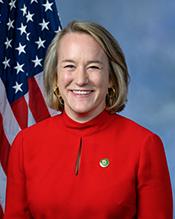
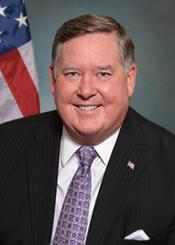
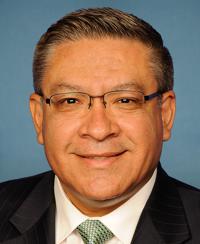
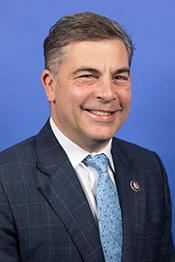
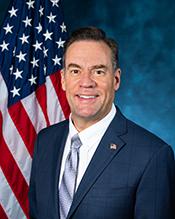
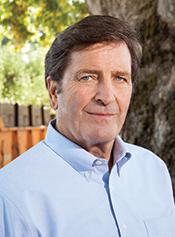
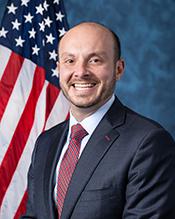
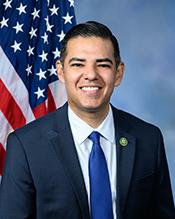
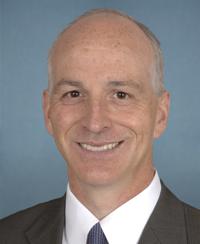
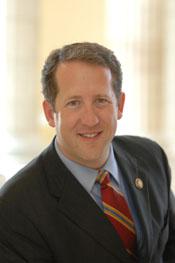
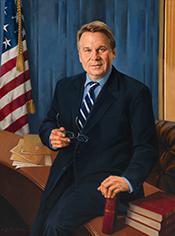
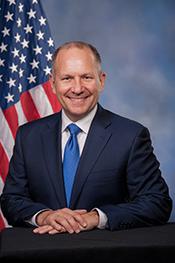
INDIVIDUAL VOTES
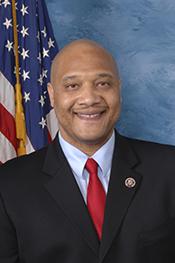
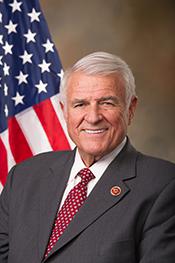
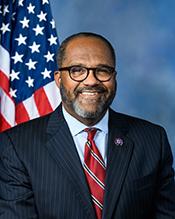
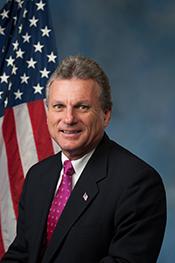
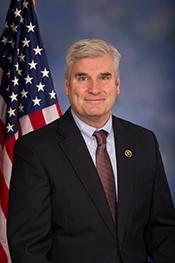
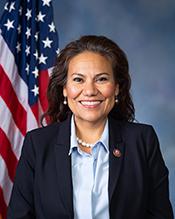
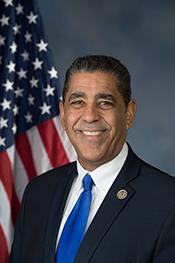
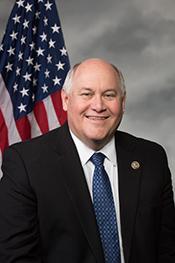
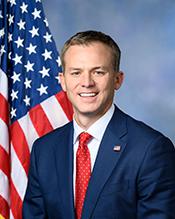
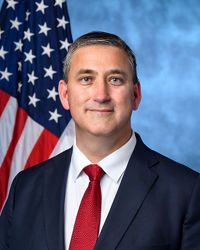
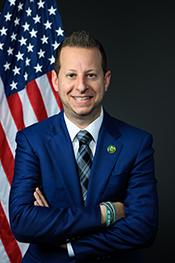
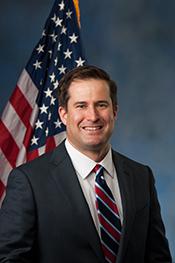
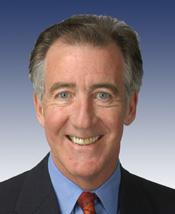
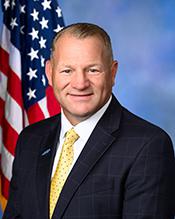
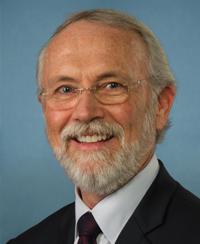
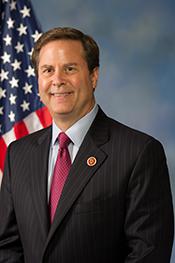
Recorded positions for tracked politicians
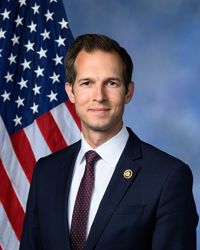
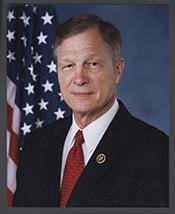


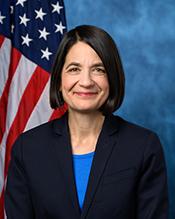
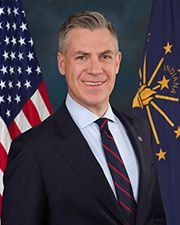
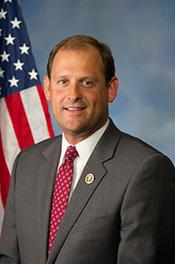

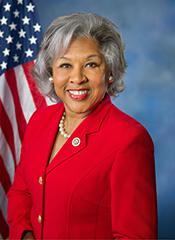
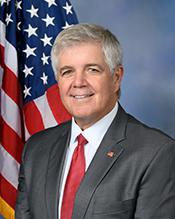
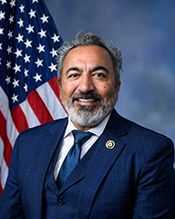
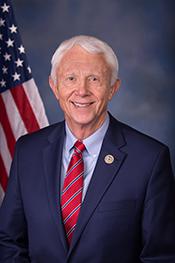
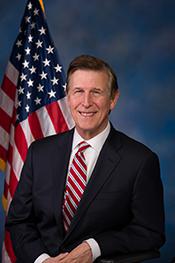
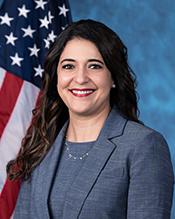
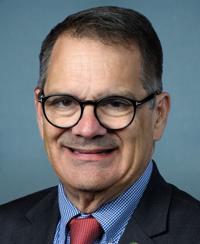
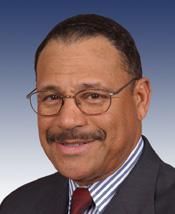
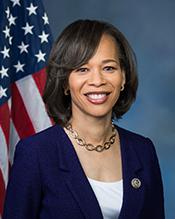
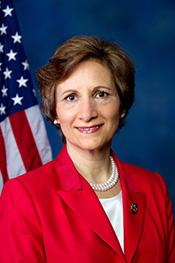
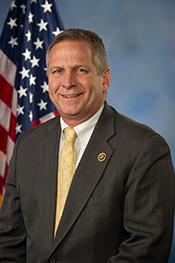

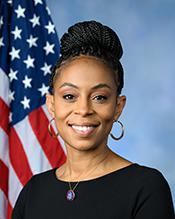
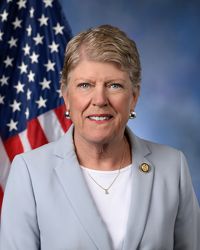
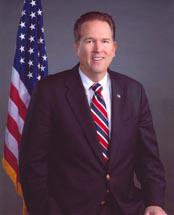
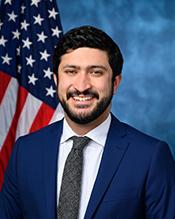
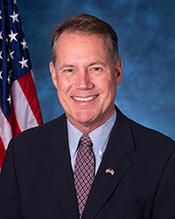
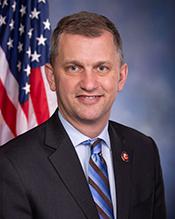
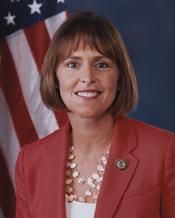

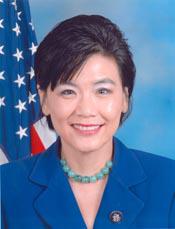
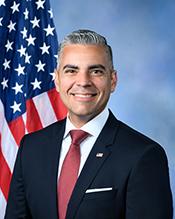

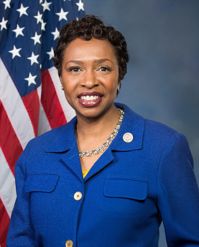
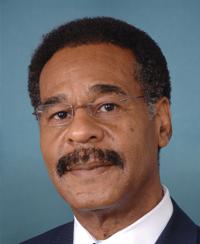
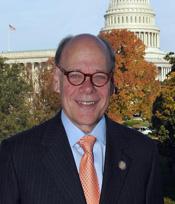
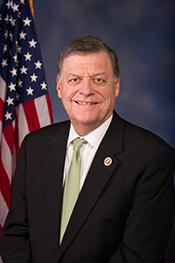
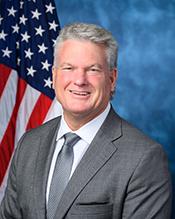
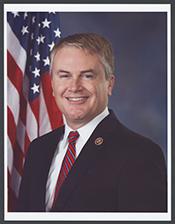


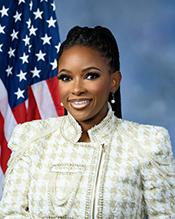

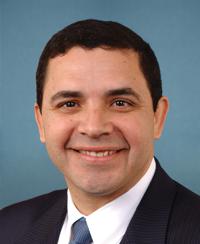
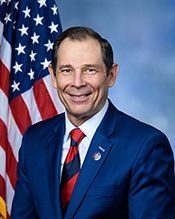
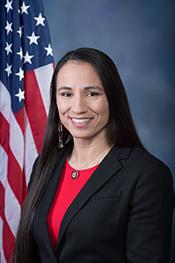
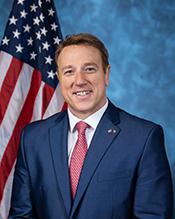
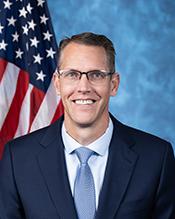
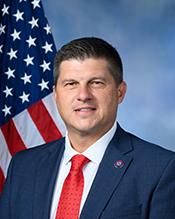
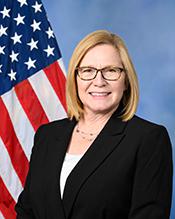

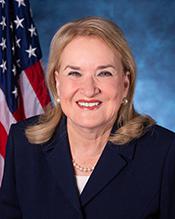
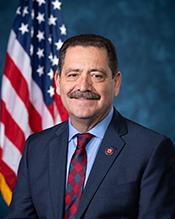
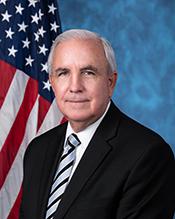
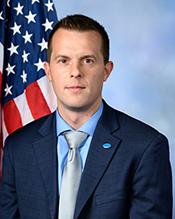
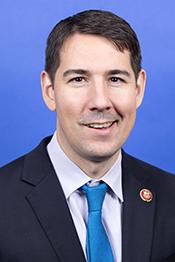
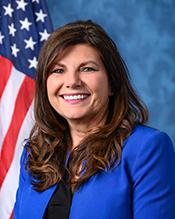
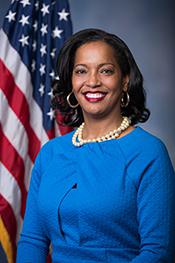
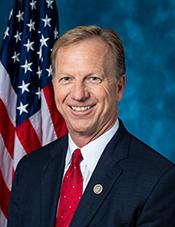
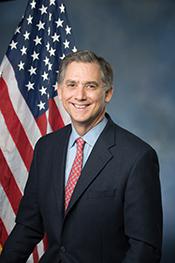
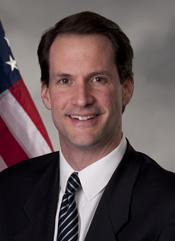
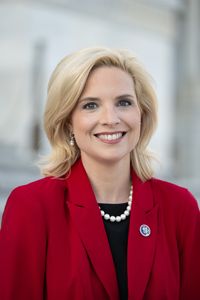
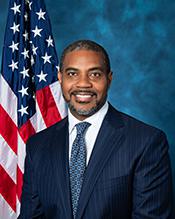

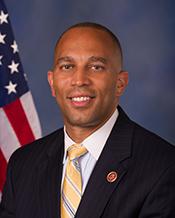
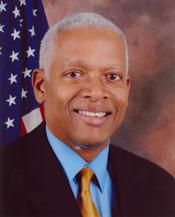
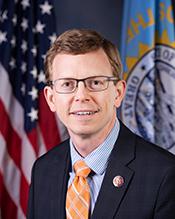
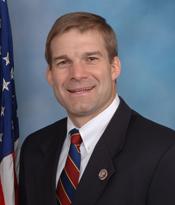
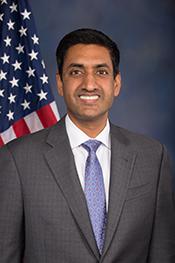
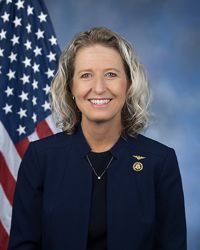
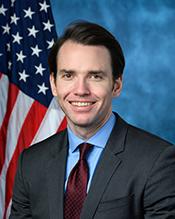
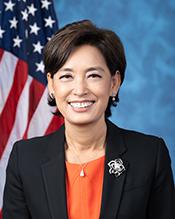
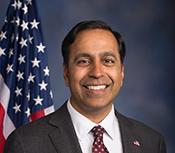
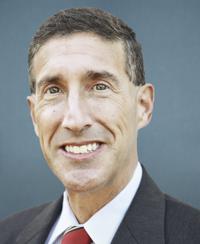
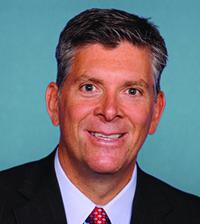
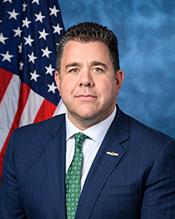
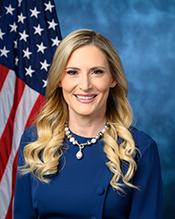
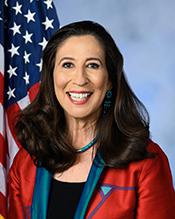

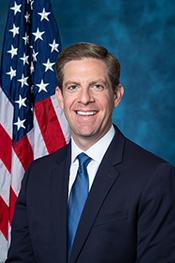
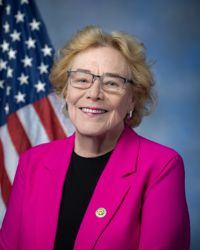

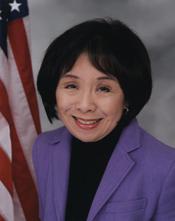
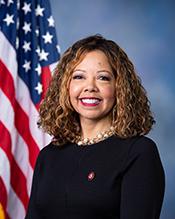
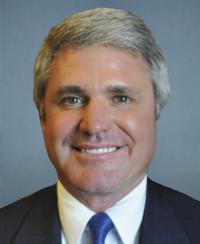
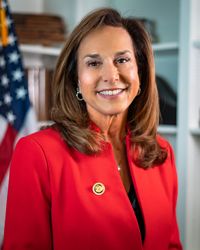
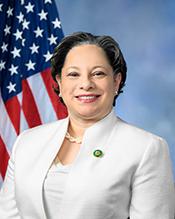
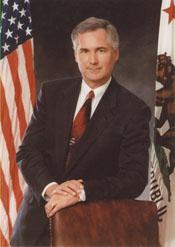
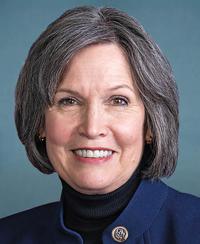
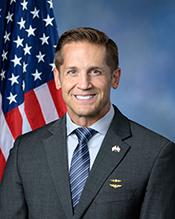
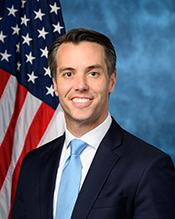


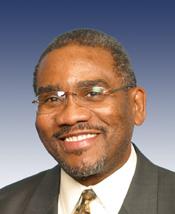
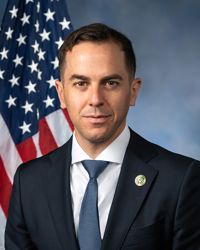
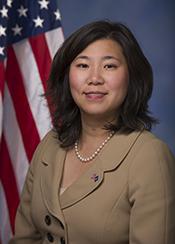
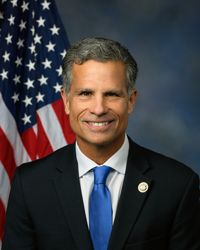
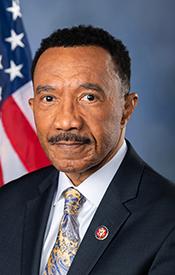
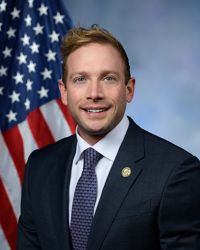
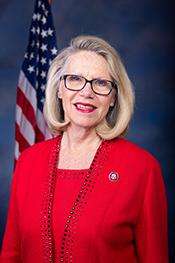
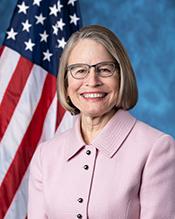
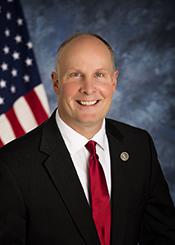
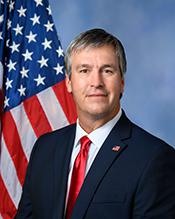
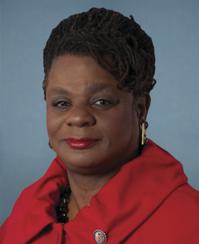

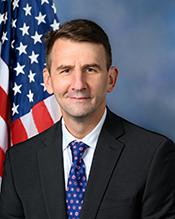
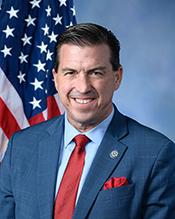
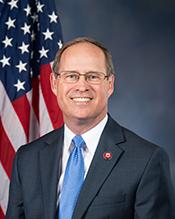
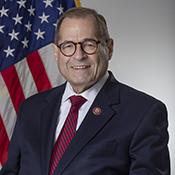

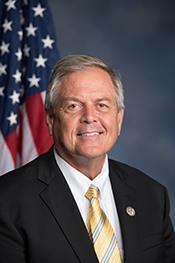
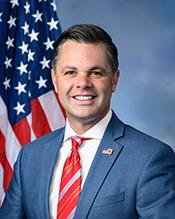
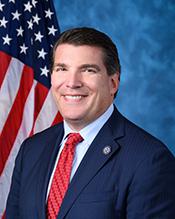
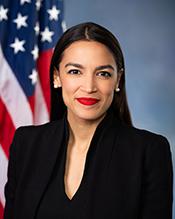

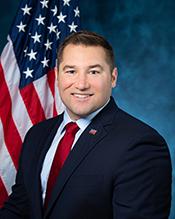
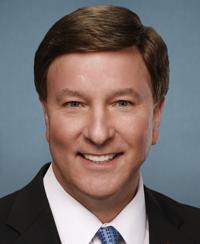
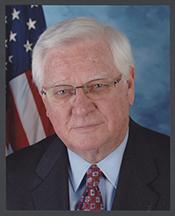
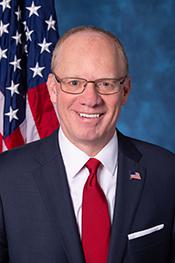
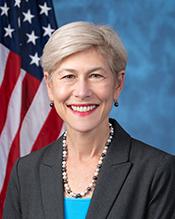
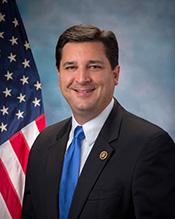
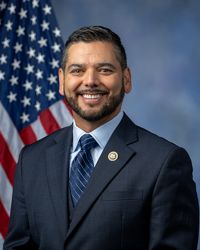
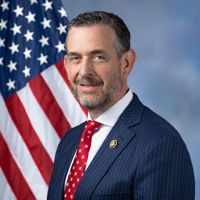
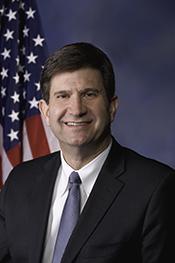
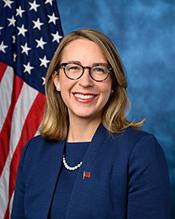
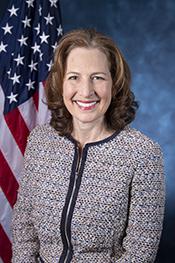
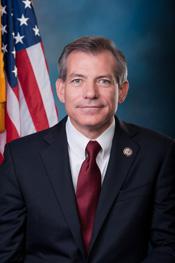
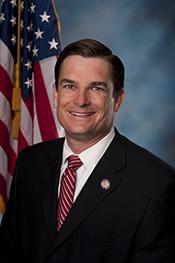
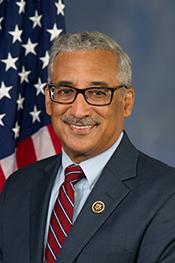
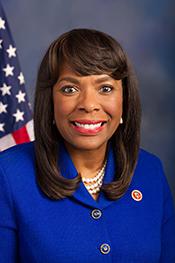
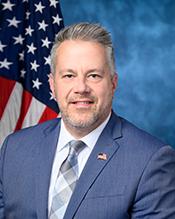
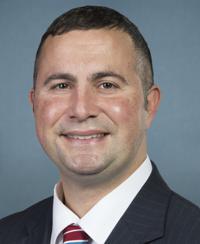
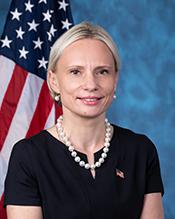
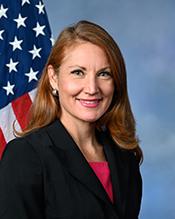
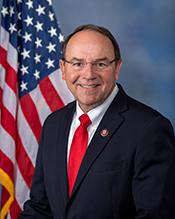
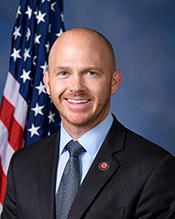

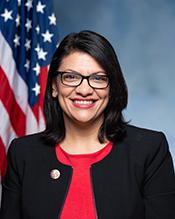
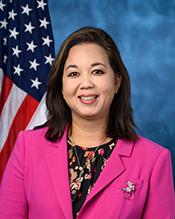

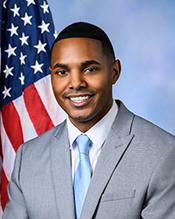
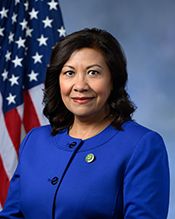
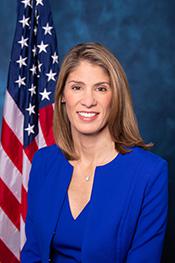
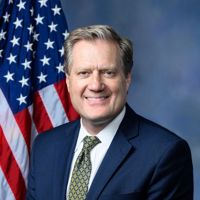
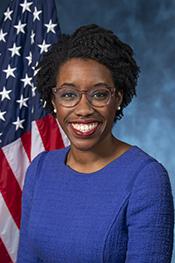
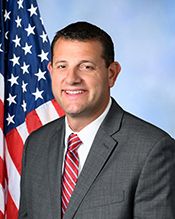
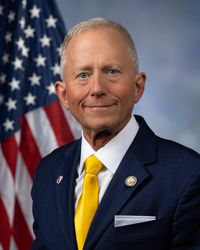
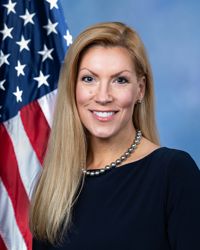
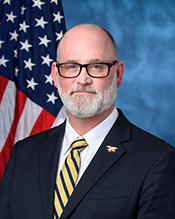
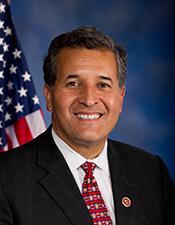
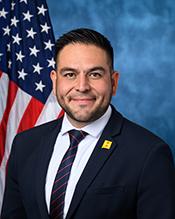
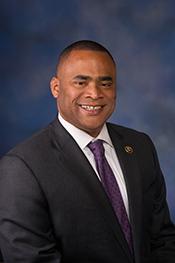
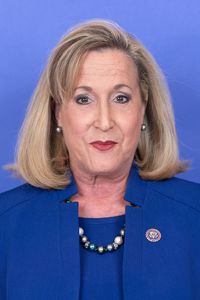
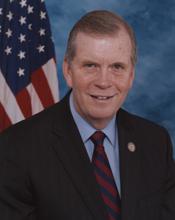
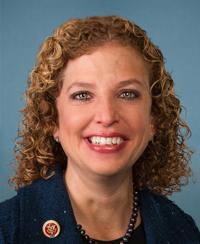

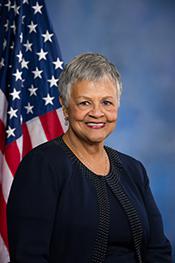
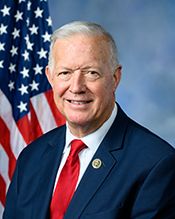
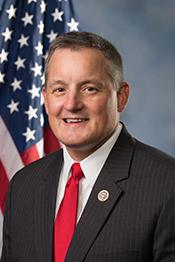
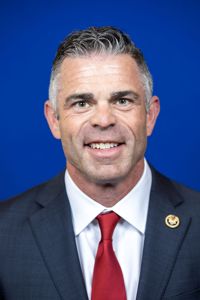
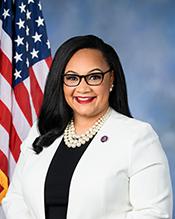
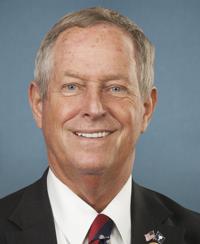
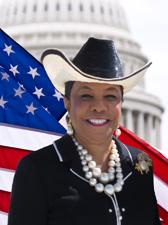
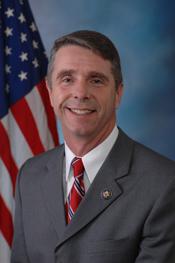
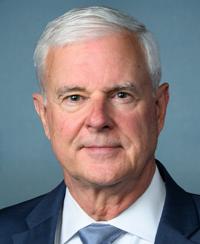
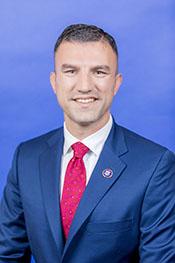
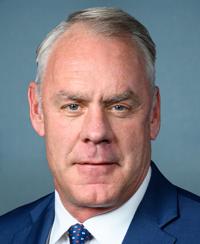
SPONSORS
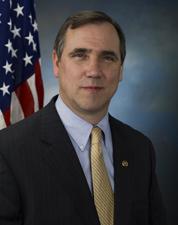
Jeff Merkley
D-OR · Primary
22 COSPONSORS
BIPARTISAN● 9 D● 12 R● 1 I

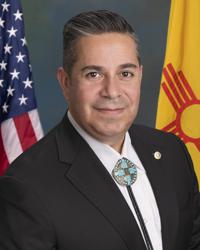
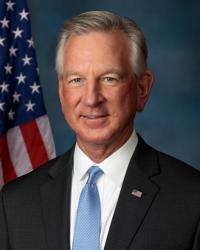

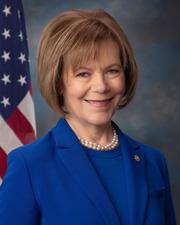
+16 more (see dot grid above)
SPONSOR FUNDING
Top industries funding Merkley
Lawyers & Lobbyists24%
Lawyers & Lobbyists 24% of classified donations
Health Services13%
Health Services 13% of classified donations
Technology9%
Technology 9% of classified donations
Education8%
Education 8% of classified donations
Labor Unions8%
Labor Unions 8% of classified donations
TRAIL AI
S 1351, the Stop Institutional Child Abuse Act, addresses policies and practices related to the treatment of children in institutional settings. The bill passed with 323 votes in favor and 31 opposed, with all 172 voting Democrats in support and 150 Republicans voting yes while 31 Republicans voted no, and was subsequently signed into law. The measure was introduced by Senator Jeff Merkley of Oregon.
Based on public voting records. Does not imply causation.
TIMELINE
INTRODUCEDApr 27, 2023
PASSED SENATEDec 11, 2024
SIGNEDDec 23, 2024
DATA SOURCES
Bill data: Congress.gov · 117th–119th Congress (2021–present)
Vote records: House Clerk / Senate · 2021–present
Reflects public records. Does not imply causation.