HR1734-118 · 118th Congress
Signed
Signed Dec 19, 2023TRANQ Research Act of 2023
Testing, Rapid Analysis, and Narcotic Quality Research Act or the TRANQ Research Act This bill requires the National Institute of Standards and Technology (NIST) to support research and other activities related to identifying xylazine (a compound used in veterinary medicine as a nonopioid tranquilizer), novel synthetic opioids, and other emerging substances of concern. In particular, NIST must support basic measurement science and research, including graduate and postgraduate research; near-real time spectrometry capabilities (i.e., a technique for rapidly identifying the chemical composition of a substance); strategies and voluntary best practices for handling, transporting, and analyzing such substances; and collaboration with other government agencies, institutions of higher education, and the private sector to enhance relevant narcotic and opioid detection and analysis capabilities.
VOTE BREAKDOWN
Final passage · 360 politicians tracked
353
YEA
0
NAY
0
PRESENT
7
NOT VOTING
Dem YEA 172Ind YEA 1Rep YEA 180
BY PARTY · ✕ NAY ← | → YEA ✓
DEM
0
172
REP
0
180
IND
0
1
MONEY ON THIS BILL
Which donor industries fund each side of the vote — total contributions from that industry to those members, all cycles · plus lobbying activity in affected industries
⬆ YEA voters — top donor industries
- 1. Lawyers & Lobbyists$213.0M
- 2. Securities & Investment$153.5M
- 3. Health Services$143.2M
⬇ NAY voters — top donor industries
No data yet.
◎ Lobbying activity by issue area
No bill-issue lobbying matches.
Dollar figures are each industry's total contributions to those members across all tracked cycles — not money given for this specific bill. Statistical patterns in public records; correlation, not causation.
LOBBYING ON THIS BILL
17 federal lobbying reports name this bill in their activity descriptions · LDA disclosures
NATIONAL ASSOCIATION OF MUTUAL INSURANCE COMPANIES5 reports
NOTARIZE, INC. DBA PROOF.COM4 reports
AARP4 reports
SOCURE, INC.2 reports
CENTER FOR AMERICAN PROGRESS ACTION FUND1 report
AMERICAN FINTECH COUNCIL1 report
⟳ The revolving door — lobbyists on this bill with disclosed former government roles
Charles CooperChief of Staff for Rep. Adam Putnam(1/08-11/10); Policy Dir, House Republican Conference(1/07-3/08); Staff Dir, Republican Policy Committee(4/06-1/07); Leg Dir, Rep. Mario Diaz-Balart(1/03-4/06);Leg Assistant, Rep. Felix Grucci (10/1-1/03)
Andrew DonnellyRep. Lisa Blunt Rochester Communications Director/Senior Adviser (May 2020 - Feb. 2024) Press Secretary (July 2019-May 2020) Legislative Assistant (July 2018-July 2019) Project Specialist (March 2017-July 2018)
Elisa WalkerSenior Technical Advisor, Social Security Administration: 2/27/23 - 1/20/25 (Schedule C appointee) Professional Staff Member, Committee on Ways and Means, U.S. House of Representatives: 3/7/19 - 1/2/23
Jon AdameCoS, LD, GC (Sen. Blackburn); Counsel (Rep. Blackburn); Policy Coordinator (House E&C); Intern (Sen. Domenici)
Joseph BrownSr Prof Staff (EPW Comm Maj/Sen. Moore Capito); Prof Staff (EPW Comm Min/Ranking Mem Sen. Moore Capito); Leg Asst (Sen. Boozman); Maj Leg Asst (EPW Comm Maj/Sen. Jim Inhofe); Maj Research Asst (EPW Comm Maj/Sen. Jim Inhofe); Intern (Rep. Jim Renacci)
“Covered position” is the former government job lobbyists must disclose by law (LDA §4). Prior service is stated on the filings; it carries no implication of wrongdoing. Full revolving-door board →
A report naming a bill means the organization disclosed lobbying activity on it — the disclosure does not state a position for or against.
INDIVIDUAL VOTES
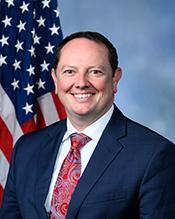
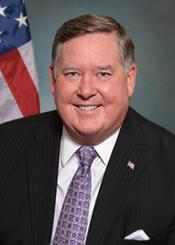
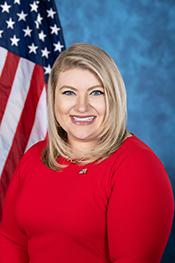
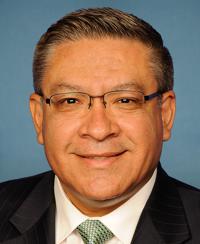
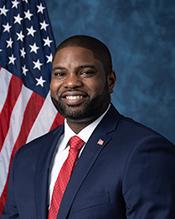
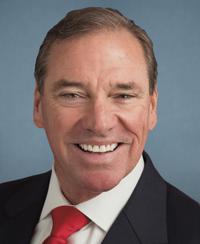
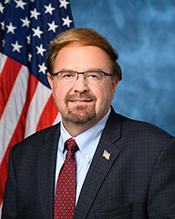
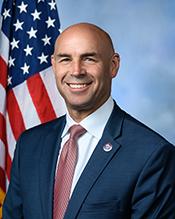
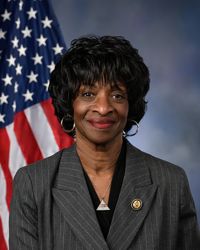
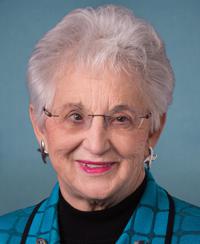
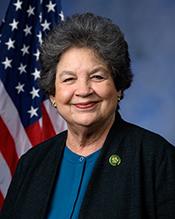
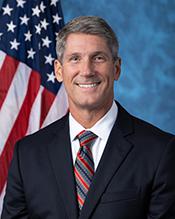
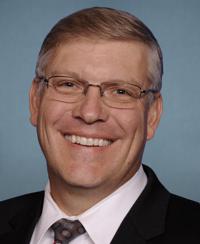
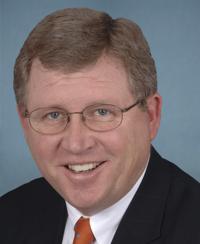
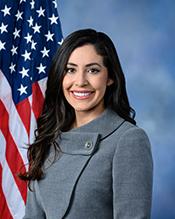
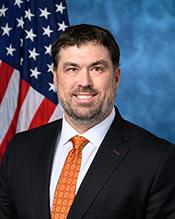
Recorded positions for tracked politicians



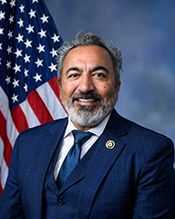
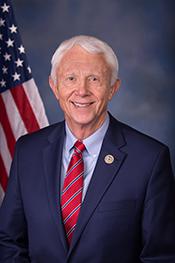
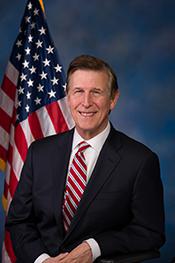
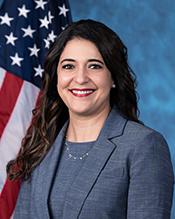

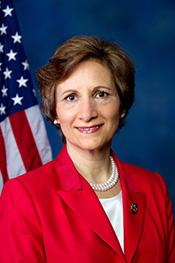
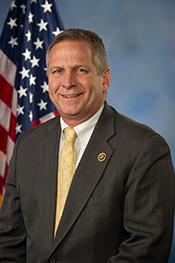

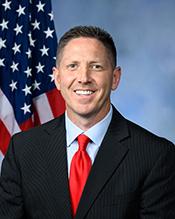
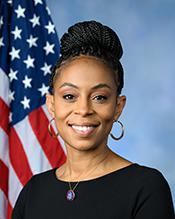
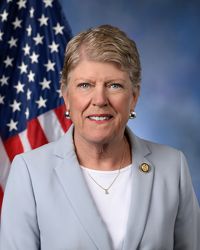
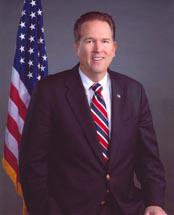
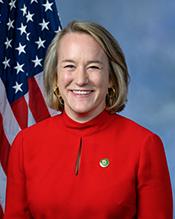
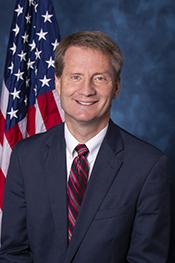
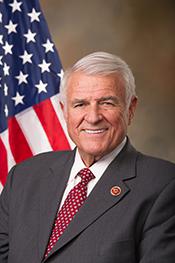
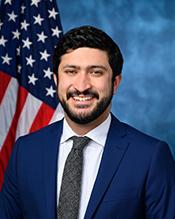
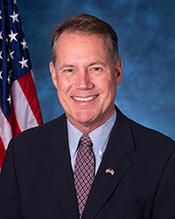
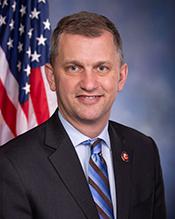
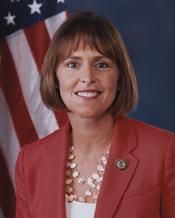

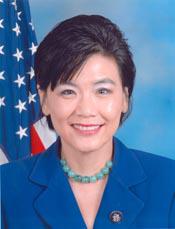
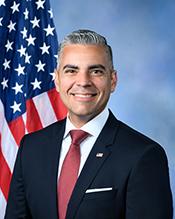

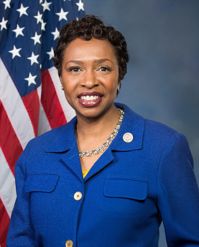

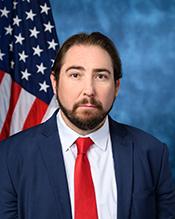



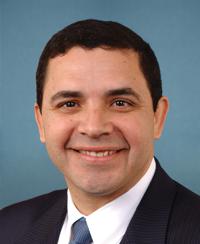
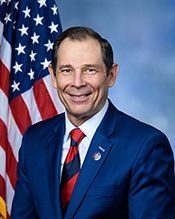
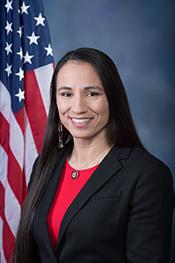
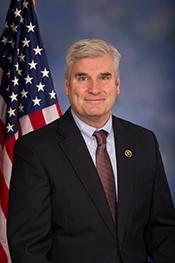
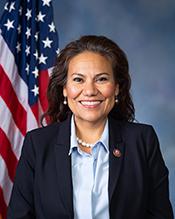
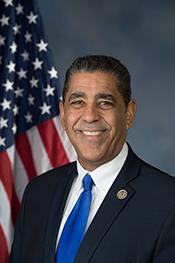
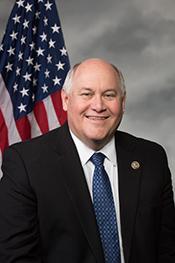
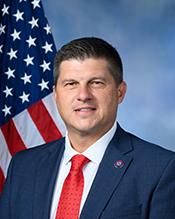
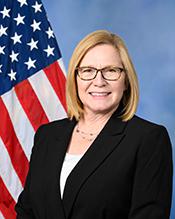
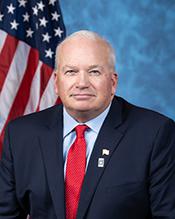

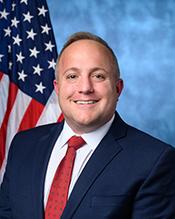
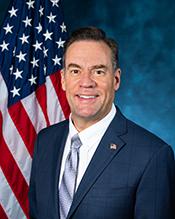
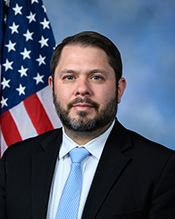
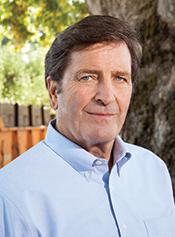
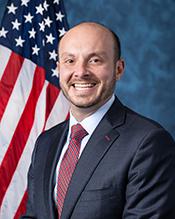
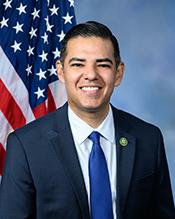
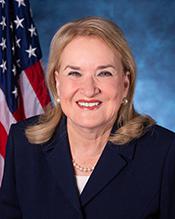
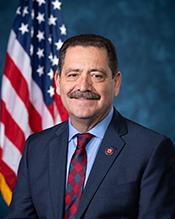
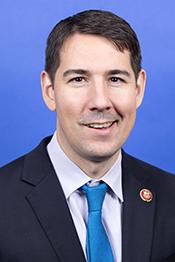
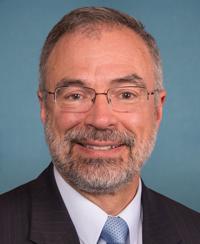
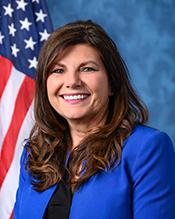
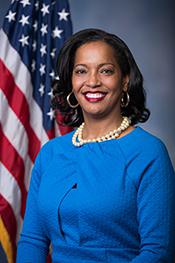
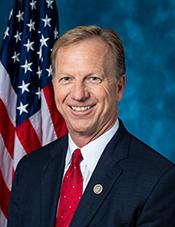


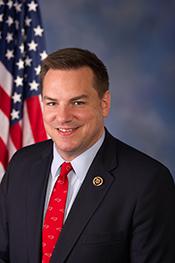
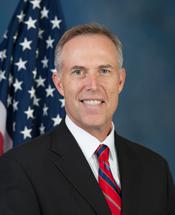
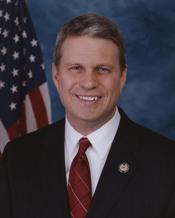
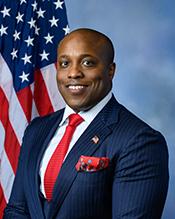

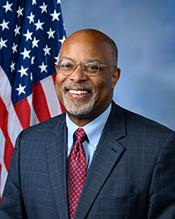
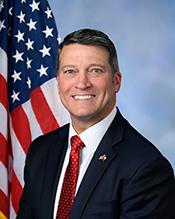
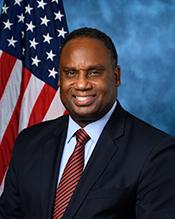
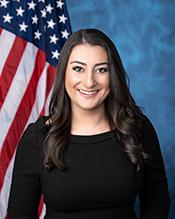
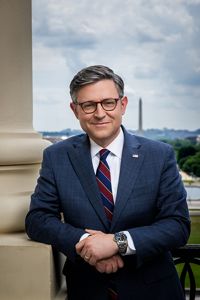
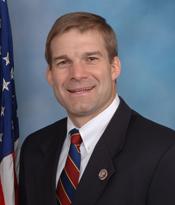
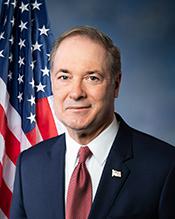
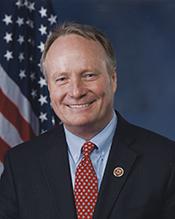
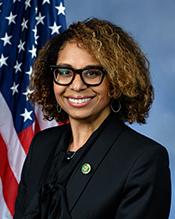
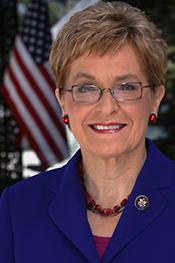
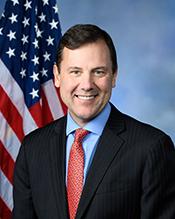
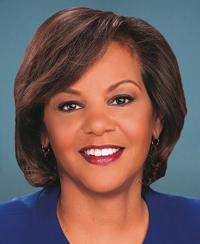
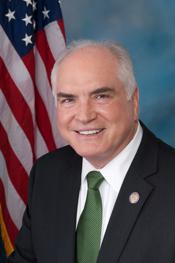
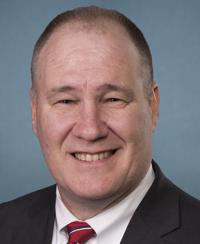
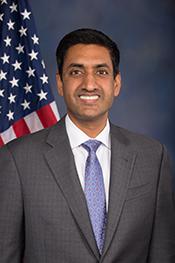
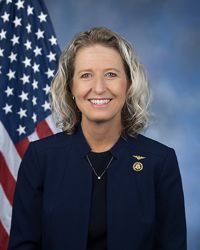
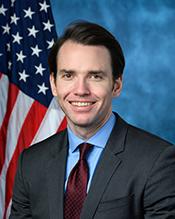
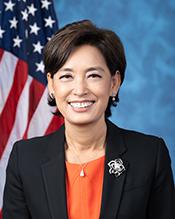

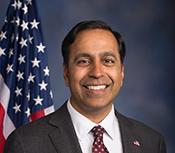
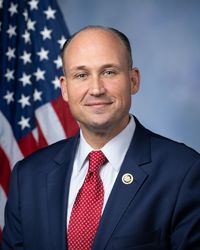
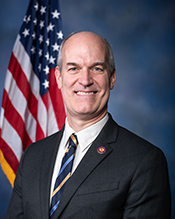
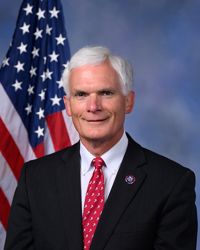
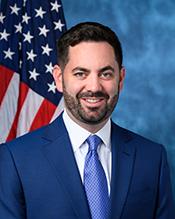
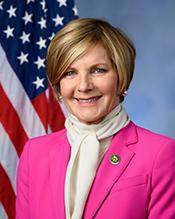
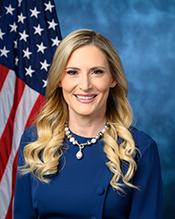
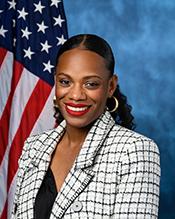
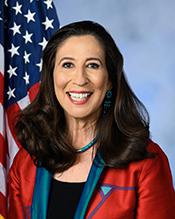

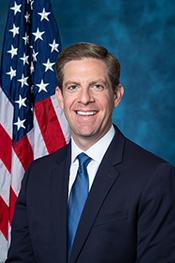
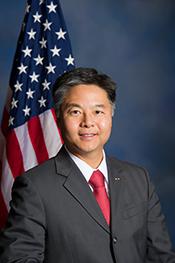
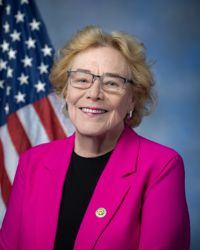

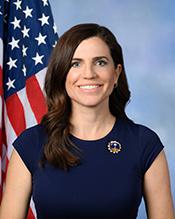
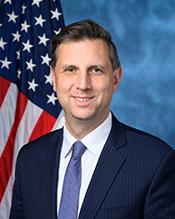
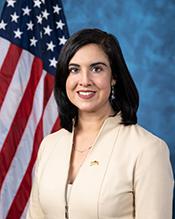
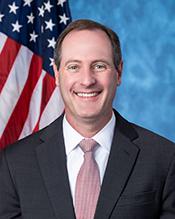

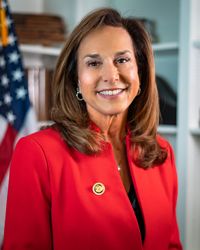
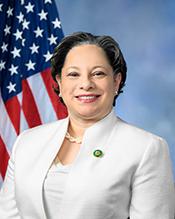
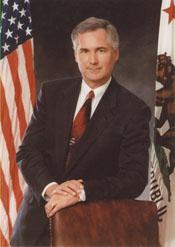
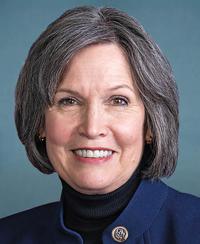
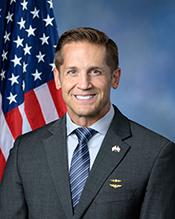
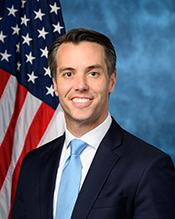
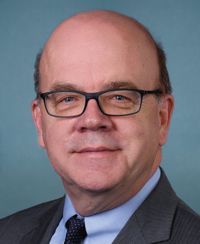
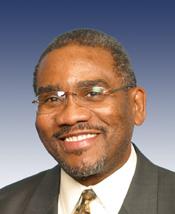
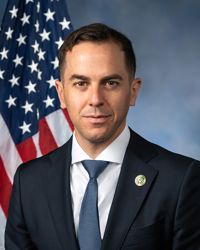
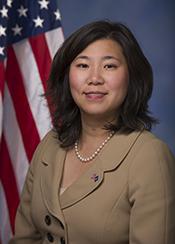
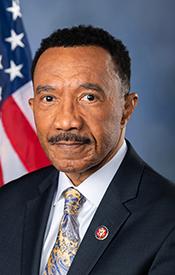
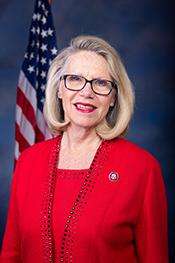
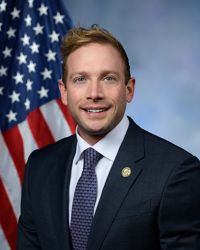
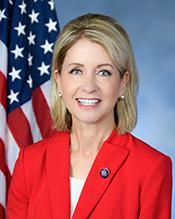
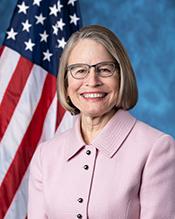
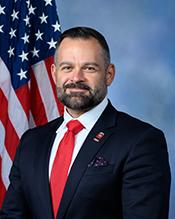
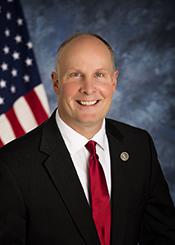
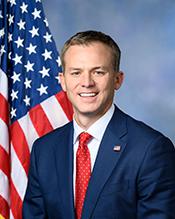
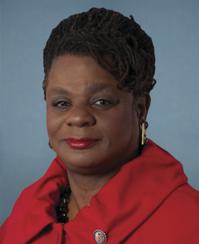
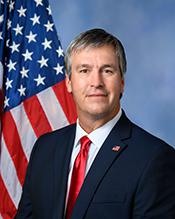


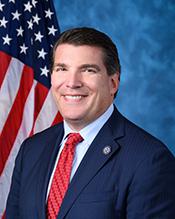
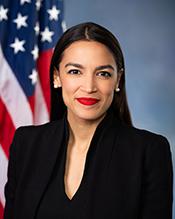
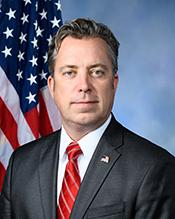

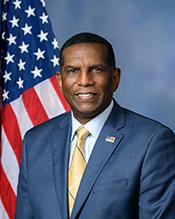
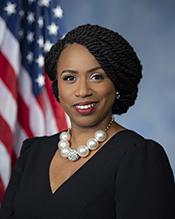
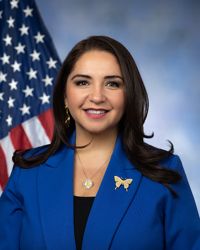
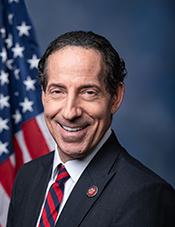
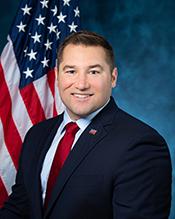
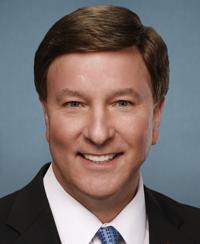
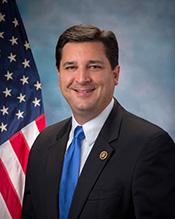
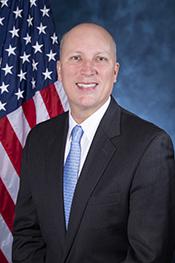
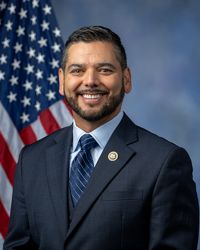
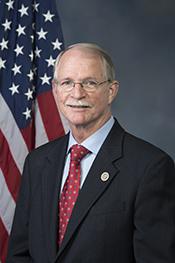


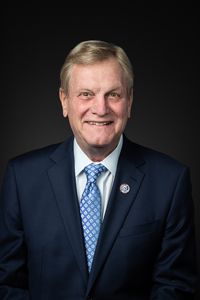
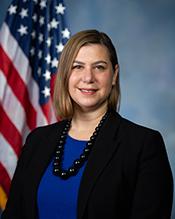

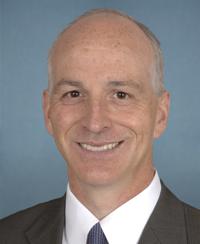
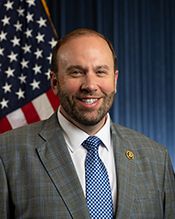
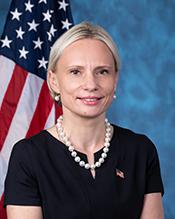
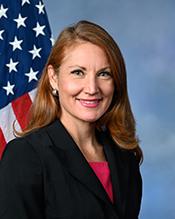
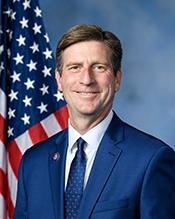
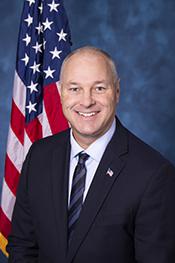
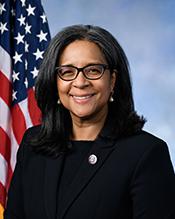
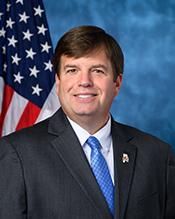
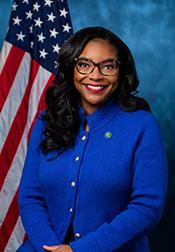
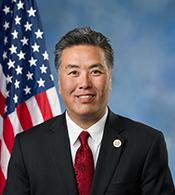

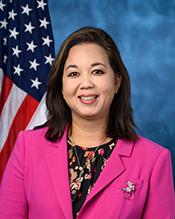

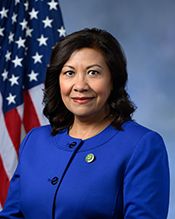
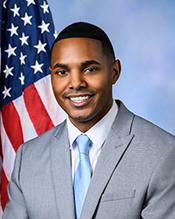
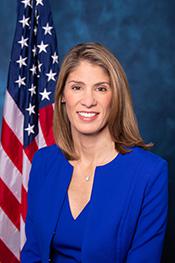
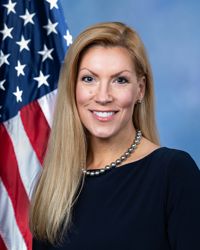
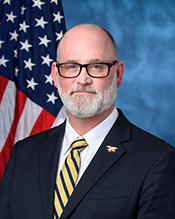
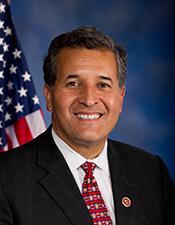
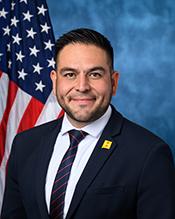


SPONSORS
Mike Collins
R-GA · Primary
20 COSPONSORS
BIPARTISAN● 10 D● 10 R

SPONSOR FUNDING
Top industries funding Collins
Transportation11%
Transportation 11% of classified donations
Construction & Engineering10%
Construction & Engineering 10% of classified donations
Single-Issue Advocacy8%
Single-Issue Advocacy 8% of classified donations
Real Estate7%
Real Estate 7% of classified donations
Securities & Investment7%
Securities & Investment 7% of classified donations
TRAIL AI
The TRANQ Research Act of 2023 (HR 1734) directs federal research efforts and resources toward understanding tranquilizer drugs, particularly xylazine, and their public health impacts. The bill passed with unanimous support, receiving 353 yes votes with no opposing votes, including 172 votes from Democrats and 180 from Republicans. The legislation has been signed into law.
Based on public voting records. Does not imply causation.
TIMELINE
INTRODUCEDMar 23, 2023
PASSED SENATEJun 22, 2023
SIGNEDDec 19, 2023
DATA SOURCES
Bill data: Congress.gov · 117th–119th Congress (2021–present)
Vote records: House Clerk / Senate · 2021–present
Reflects public records. Does not imply causation.