HR2992-117 · 117th Congress
Signed
Signed Aug 16, 2022TBI and PTSD Law Enforcement Training Act
Traumatic Brain Injury and Post-Traumatic Stress Disorder Law Enforcement Training Act or the TBI and PTSD Law Enforcement Training Act This bill requires the Bureau of Justice Assistance (BJA) to consult with relevant agencies to establish crisis intervention training tools for first responders to address individuals with traumatic brain injuries, acquired brain injuries, and post-traumatic stress disorder. The BJA must ensure that at least one police department designated as a Law Enforcement Mental Health Learning Site utilizes the tools and that such tools are part of the Police-Mental Health Collaboration Toolkit. Additionally, the bill requires the Centers for Disease Control and Prevention to study and report about the prevalence and incidence of concussions among first responders.
VOTE BREAKDOWN
Final passage · 293 politicians tracked
274
YEA
16
NAY
0
PRESENT
3
NOT VOTING
Dem YEA 145Rep NAY 16Rep YEA 129
BY PARTY · ✕ NAY ← | → YEA ✓
DEM
0
145
REP
16
129
MONEY ON THIS BILL
Which donor industries fund each side of the vote — total contributions from that industry to those members, all cycles · plus lobbying activity in affected industries
⬆ YEA voters — top donor industries
- 1. Lawyers & Lobbyists$172.0M
- 2. Securities & Investment$123.4M
- 3. Health Services$121.2M
⬇ NAY voters — top donor industries
- 1. Health Services$2.6M
- 2. Lawyers & Lobbyists$2.1M
- 3. Construction & Engineering$2.0M
◎ Lobbying activity by issue area
No bill-issue lobbying matches.
Dollar figures are each industry's total contributions to those members across all tracked cycles — not money given for this specific bill. Statistical patterns in public records; correlation, not causation.
LOBBYING ON THIS BILL
63 federal lobbying reports name this bill in their activity descriptions · LDA disclosures
CALIFORNIA STATE UNIVERSITY27 reports
AMERICAN LIBRARY ASSOCIATION9 reports
CENTRAL WASHINGTON UNIV.8 reports
NATIONAL ASSN OF INDEPENDENT COLLEGES & UNIVERSITIES8 reports
NATIONAL ASSOCIATION OF ELEMENTARY SCHOOL PRINCIPALS (NAESP)7 reports
HP INC3 reports
NATIONAL EDUCATION ASSOCIATION1 report
⟳ The revolving door — lobbyists on this bill with disclosed former government roles
Karin JohnsDir., Tax Policy
Stephanie GieseckeDir., Budget & Appropriations
Jody FederDir., Accountability & Regulatory Affairs
Sarah FlanaganVP, Government Relations & Policy Development
Justin MonkDirector of Student and Institutional Aid Policy
Emmanual GuilloryDirector of Student and Institutional Aid Policy
“Covered position” is the former government job lobbyists must disclose by law (LDA §4). Prior service is stated on the filings; it carries no implication of wrongdoing. Full revolving-door board →
A report naming a bill means the organization disclosed lobbying activity on it — the disclosure does not state a position for or against.
INDIVIDUAL VOTES
Recorded positions for tracked politicians
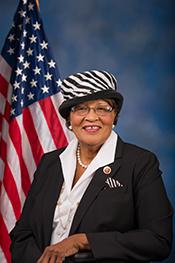
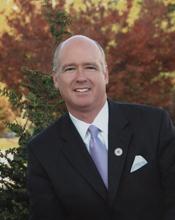
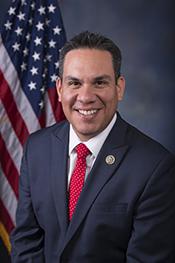
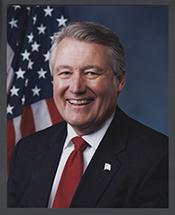


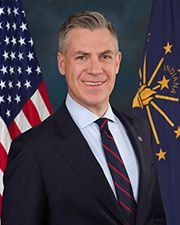
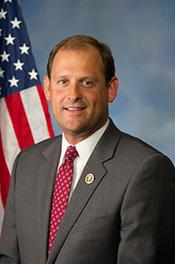

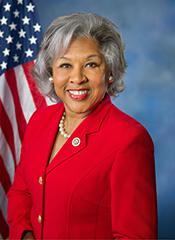
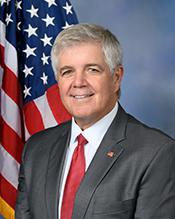
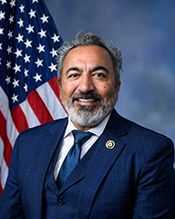
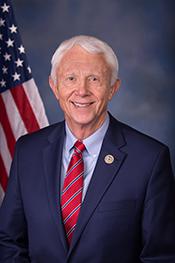
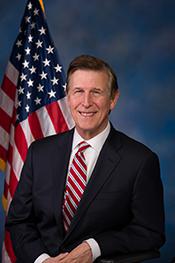
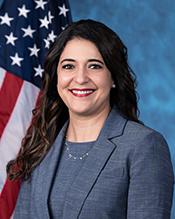
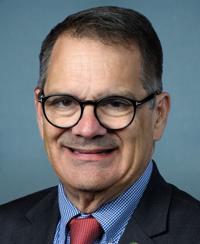
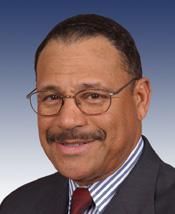
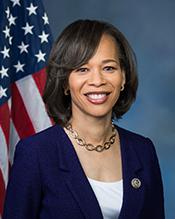
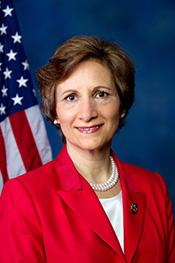
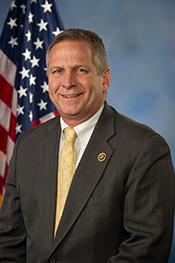


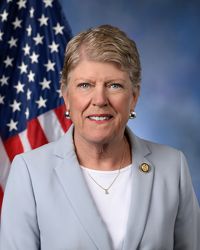
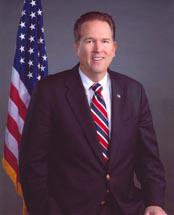
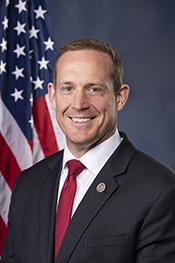
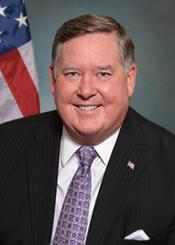
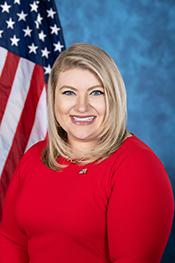
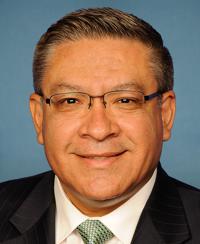

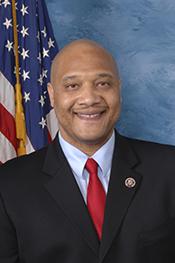
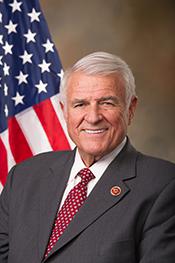
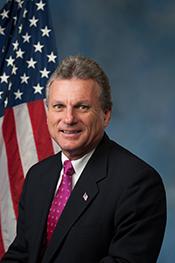
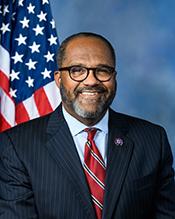
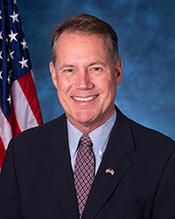
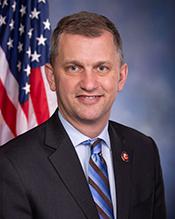


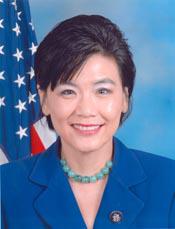

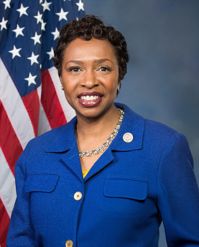
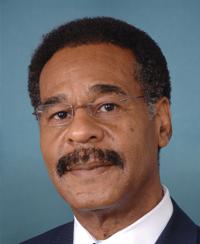
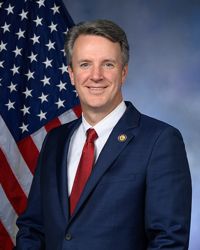
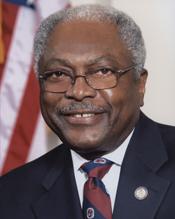
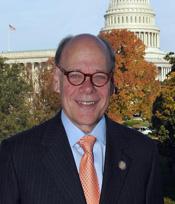
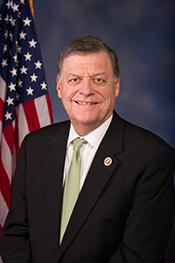
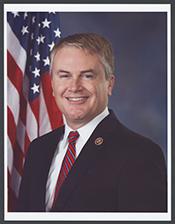
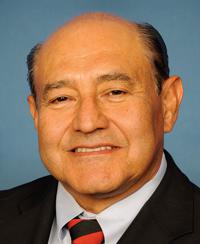
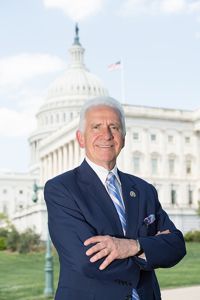
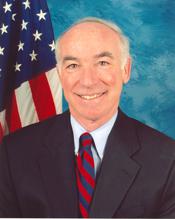
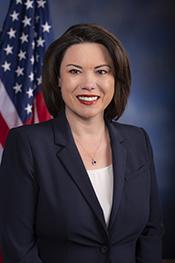

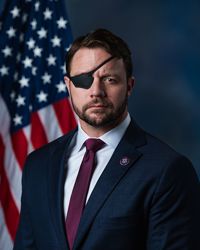

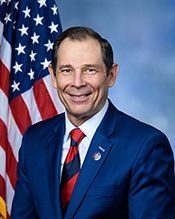
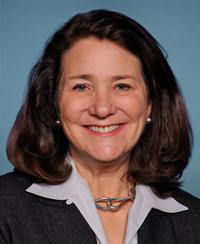

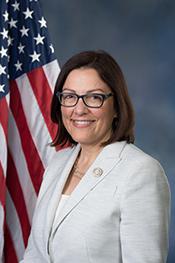
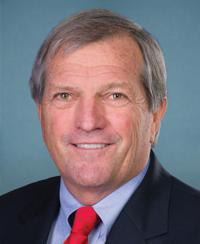
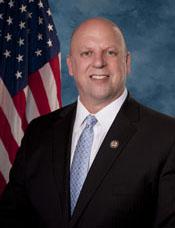
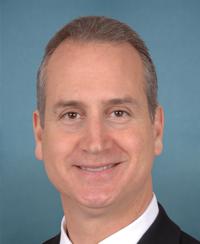

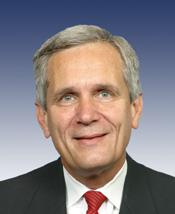
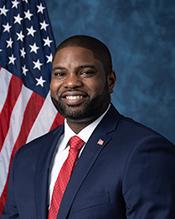
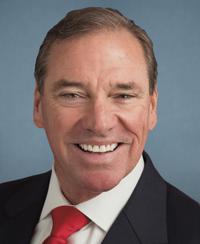
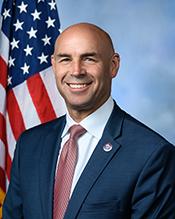
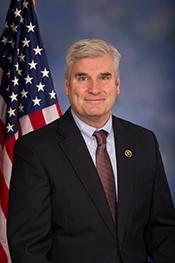
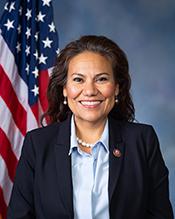
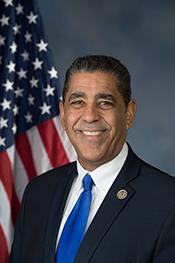
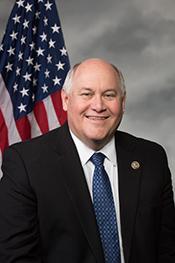
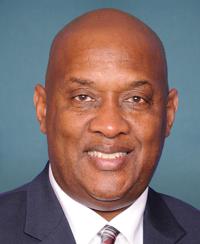
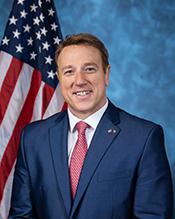
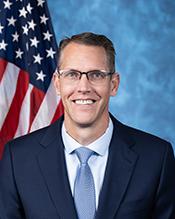
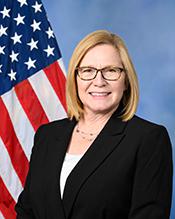
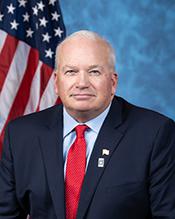
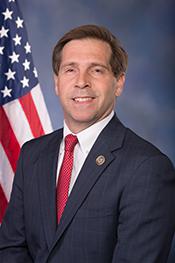

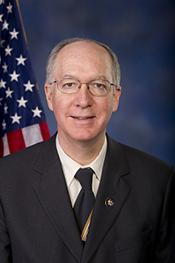
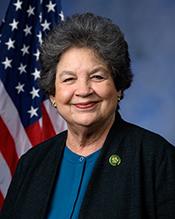
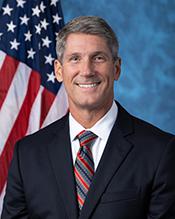
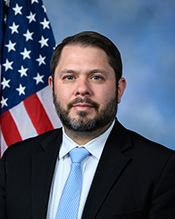
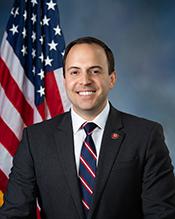
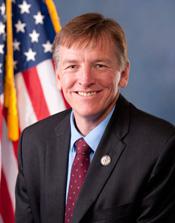
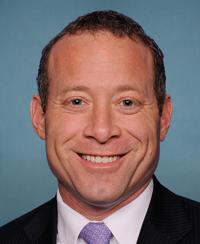
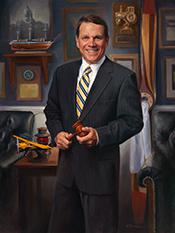
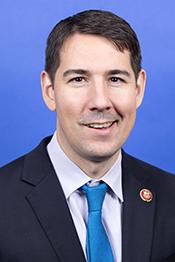
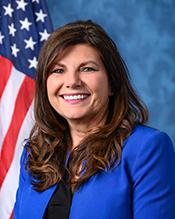

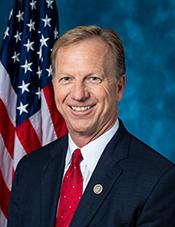
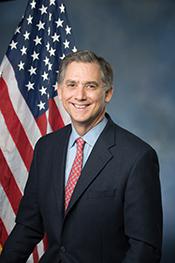
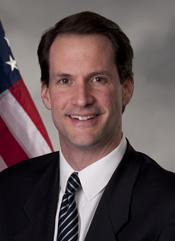

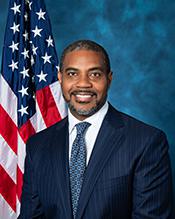

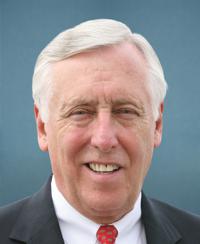
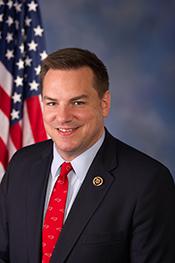
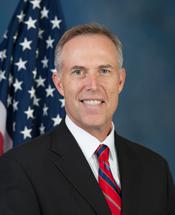
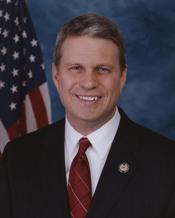

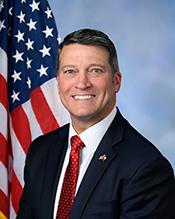


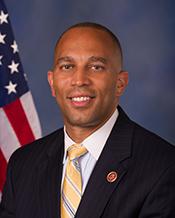

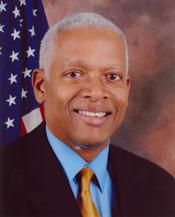
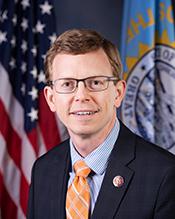
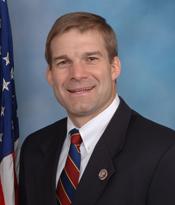
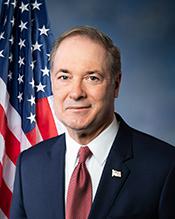

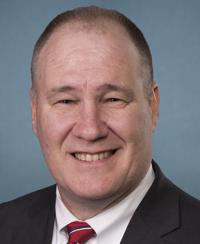
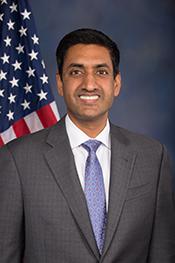
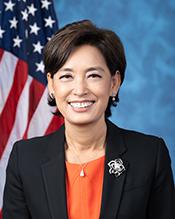

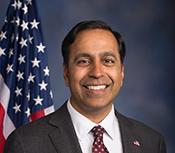
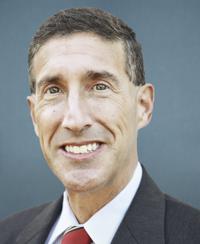
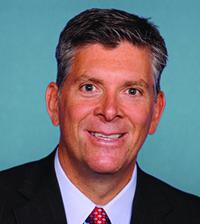
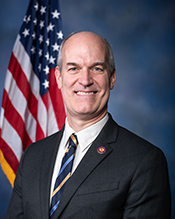
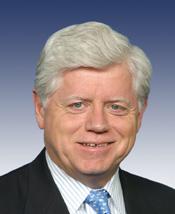
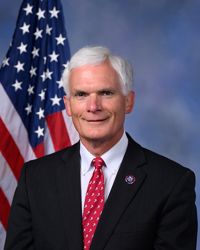
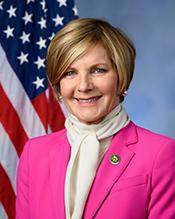


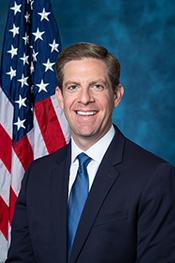
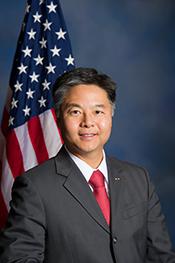
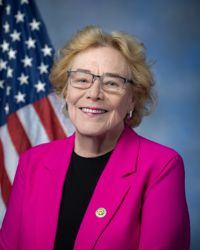
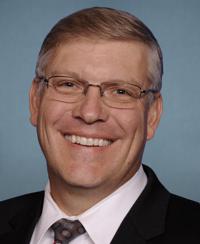
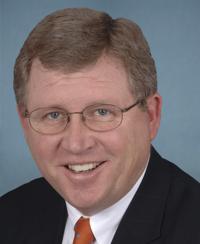

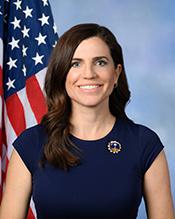
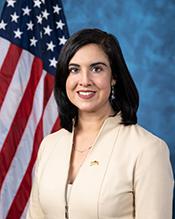
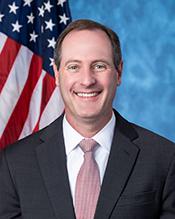

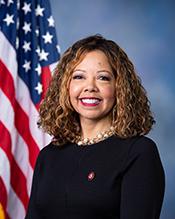
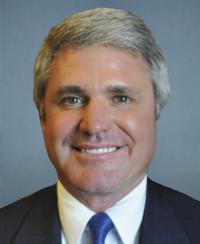

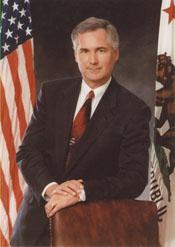
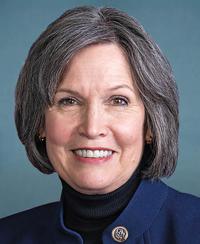
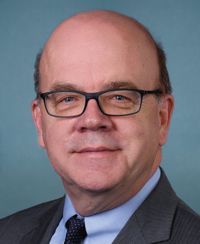
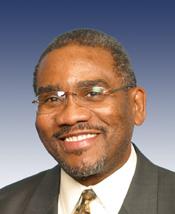

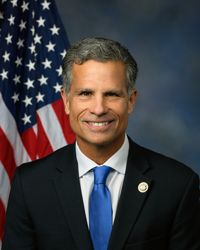
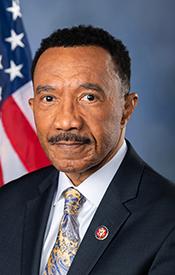
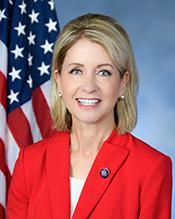
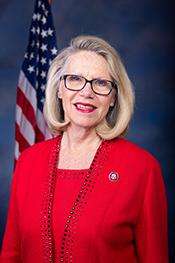

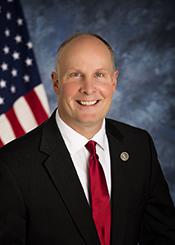
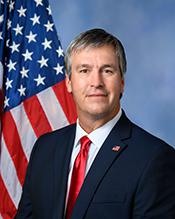
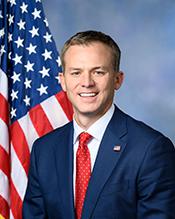
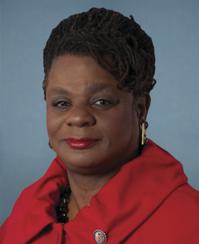

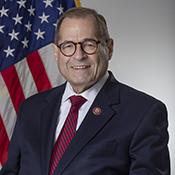
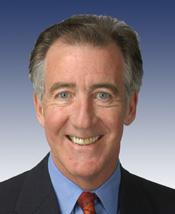

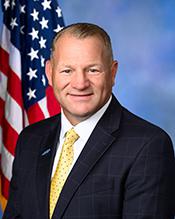
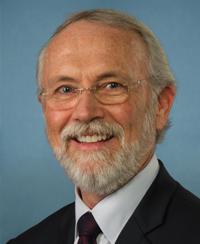
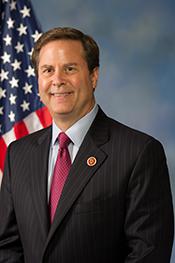
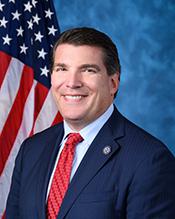


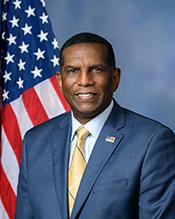
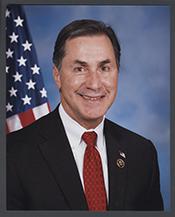
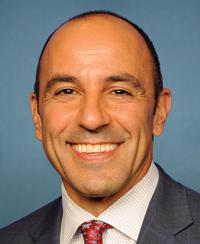
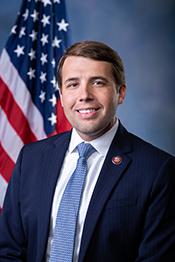

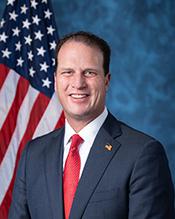
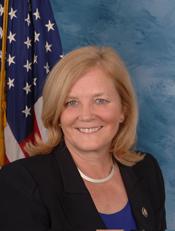
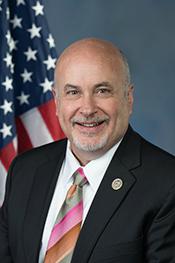

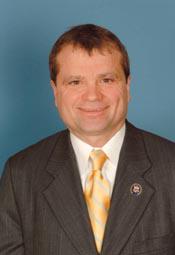
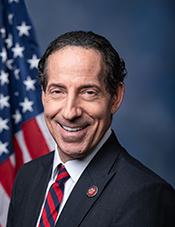
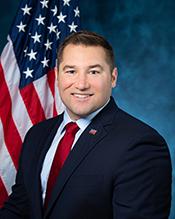
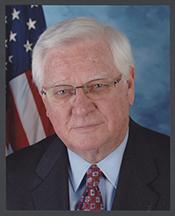
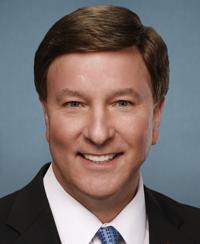
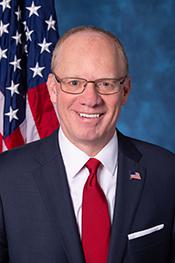
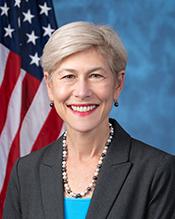
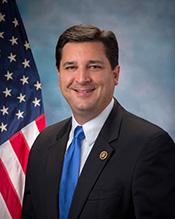
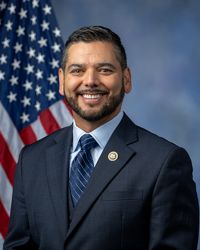


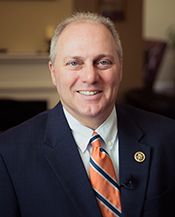


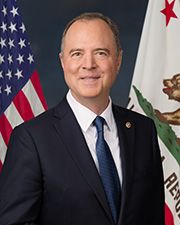
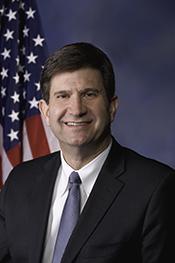
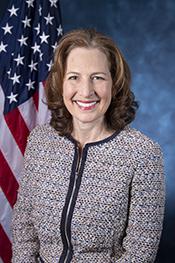
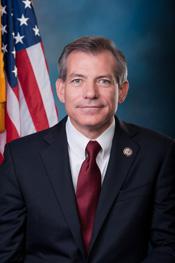
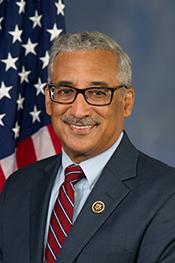
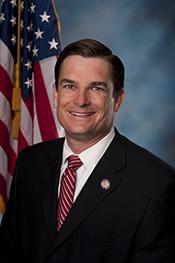
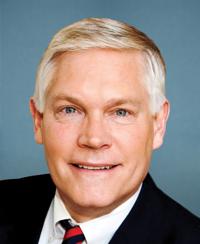
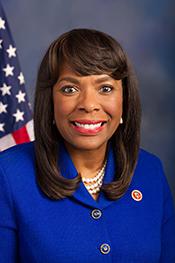



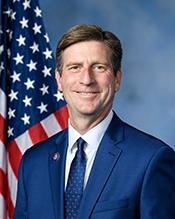
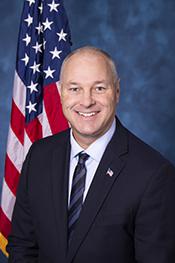

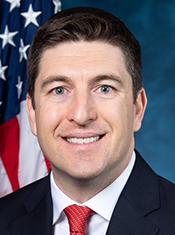
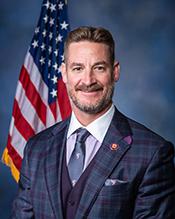
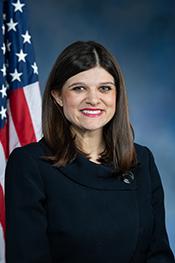
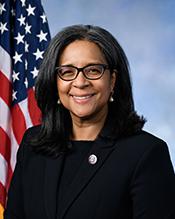
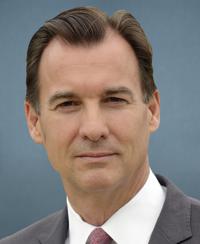
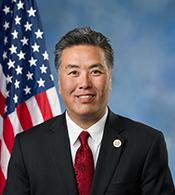
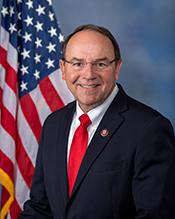
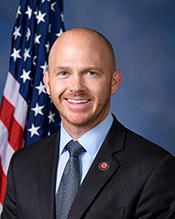

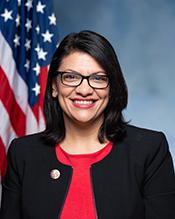

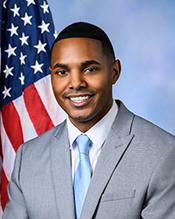
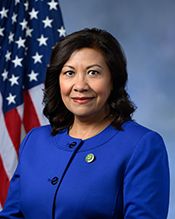
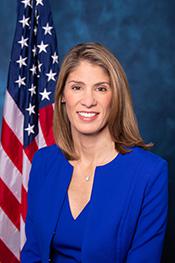
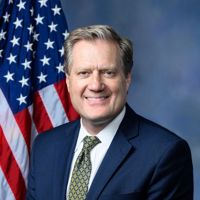

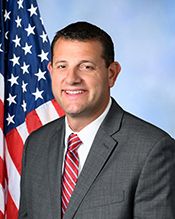
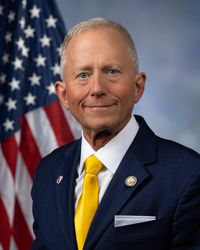

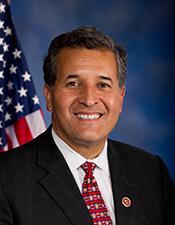
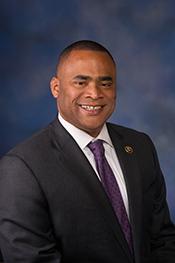

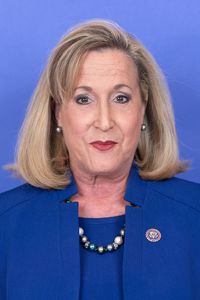
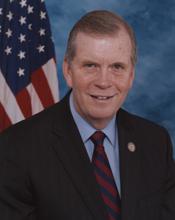
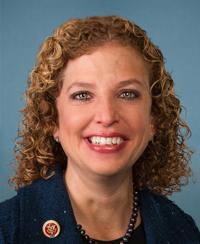

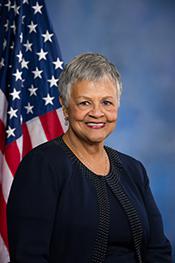
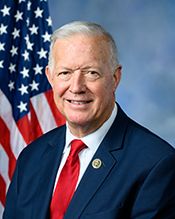
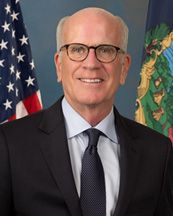
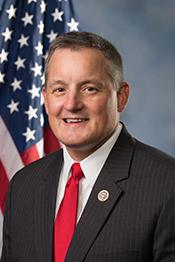
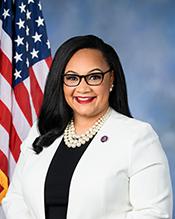
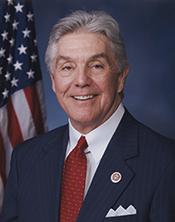

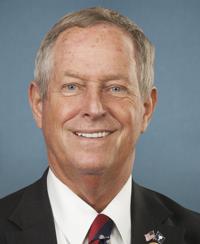
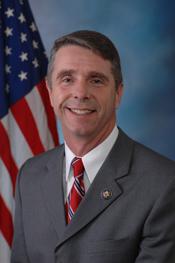
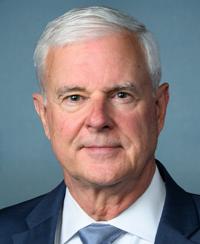
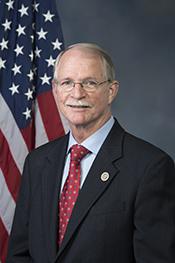
SPONSORS
8 COSPONSORS
BIPARTISAN● 5 D● 3 R

TRAIL AI
HR 2992, the TBI and PTSD Law Enforcement Training Act, addresses training requirements for law enforcement personnel regarding traumatic brain injury and post-traumatic stress disorder. The bill was signed into law with broad bipartisan support, receiving 273 votes in favor and 16 votes against, with all opposing votes coming from Republican members while Democrats voted unanimously in support.
Based on public voting records. Does not imply causation.
TIMELINE
INTRODUCEDMay 4, 2021
PASSED SENATEAug 1, 2022
SIGNEDAug 16, 2022
DATA SOURCES
Bill data: Congress.gov · 117th–119th Congress (2021–present)
Vote records: House Clerk / Senate · 2021–present
Reflects public records. Does not imply causation.