S4160-117 · 117th Congress
Signed
Signed Jun 16, 2022Supreme Court Police Parity Act of 2022
Supreme Court Police Parity Act of 202 2 This bill grants the Marshal of the Supreme Court and the Supreme Court Police the authority to protect any member of the immediate family of the Chief Justice, any Associate Justice, or any officer of the Supreme Court if the Marshal determines that such protection is necessary.
VOTE BREAKDOWN
Final passage · 293 politicians tracked
275
YEA
15
NAY
0
PRESENT
3
NOT VOTING
Dem YEA 129Dem NAY 15Rep YEA 146
BY PARTY · ✕ NAY ← | → YEA ✓
DEM
15
129
REP
0
146
MONEY ON THIS BILL
Which donor industries fund each side of the vote — total contributions from that industry to those members, all cycles · plus lobbying activity in affected industries
⬆ YEA voters — top donor industries
- 1. Lawyers & Lobbyists$164.7M
- 2. Health Services$116.0M
- 3. Securities & Investment$115.5M
⬇ NAY voters — top donor industries
- 1. Securities & Investment$8.3M
- 2. Lawyers & Lobbyists$8.0M
- 3. Health Services$7.4M
◎ Lobbying activity by issue area
No bill-issue lobbying matches.
Dollar figures are each industry's total contributions to those members across all tracked cycles — not money given for this specific bill. Statistical patterns in public records; correlation, not causation.
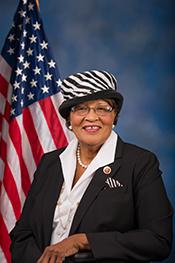
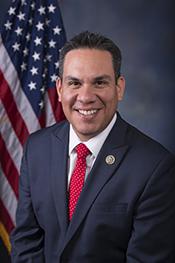
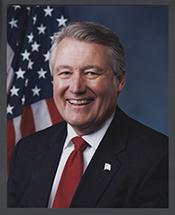
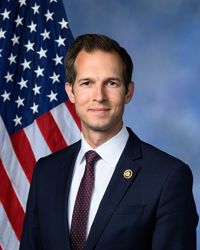
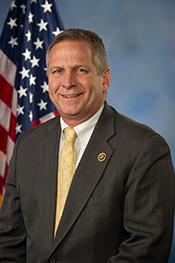
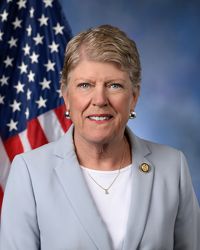
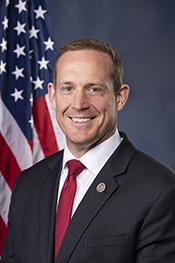
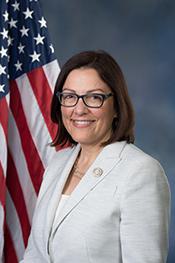
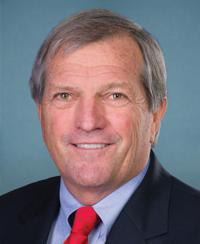
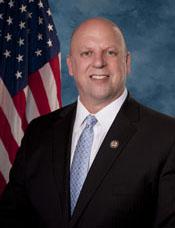
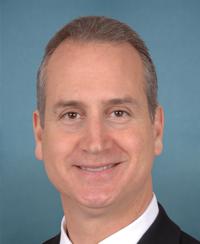
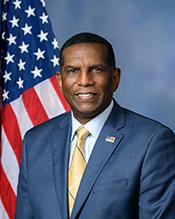
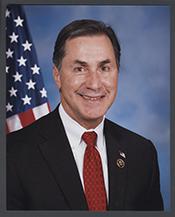
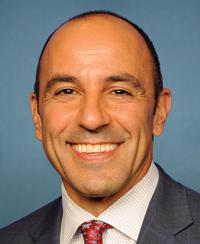
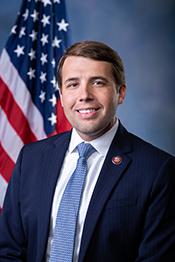
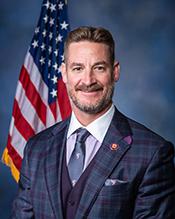
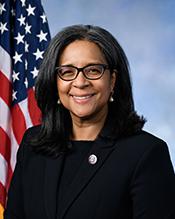
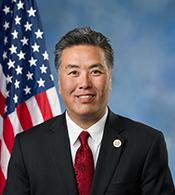
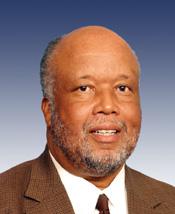
INDIVIDUAL VOTES
Recorded positions for tracked politicians








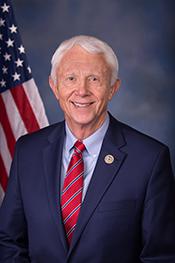
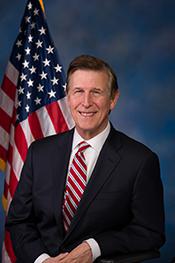



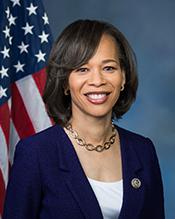





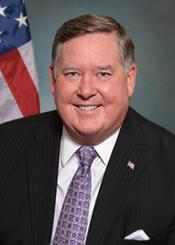

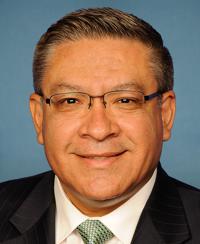


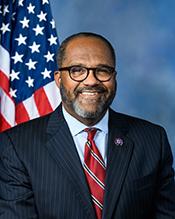

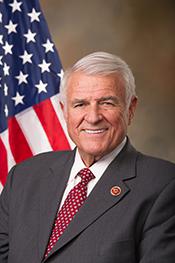
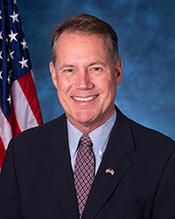





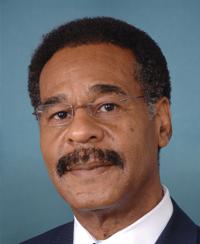



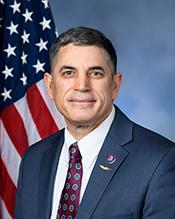


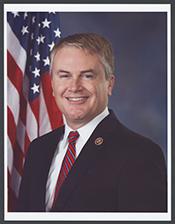




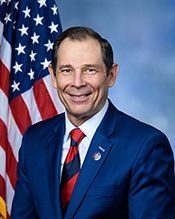
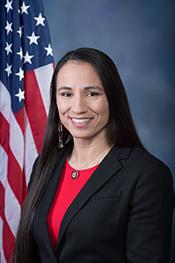
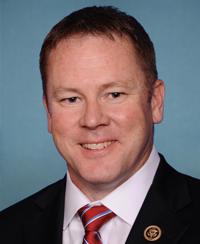
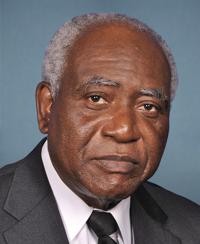













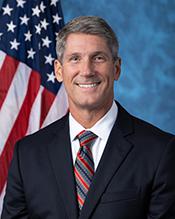
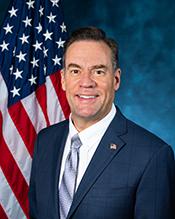
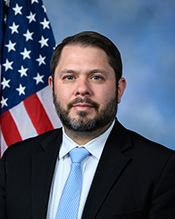


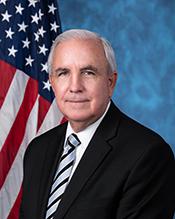

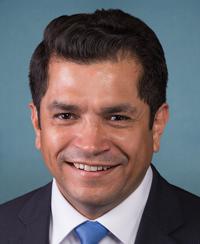

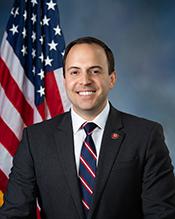


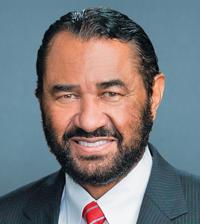

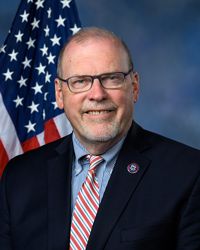










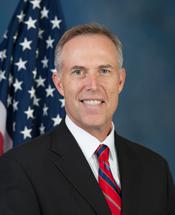


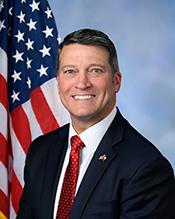

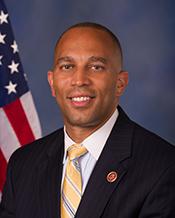




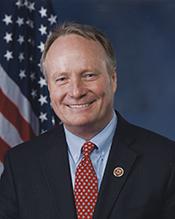











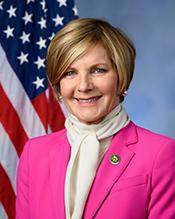


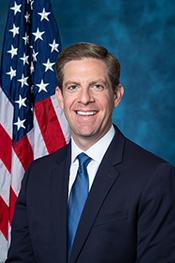
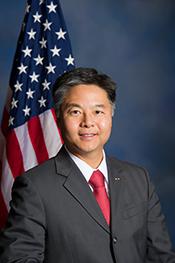






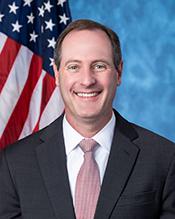














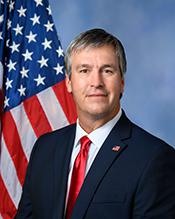

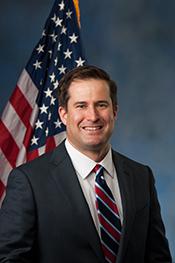


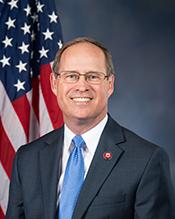
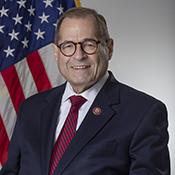


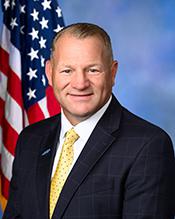

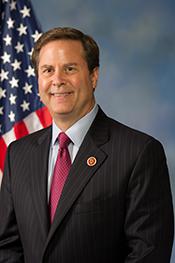
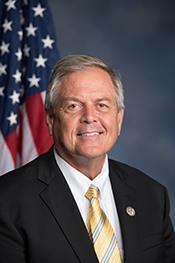
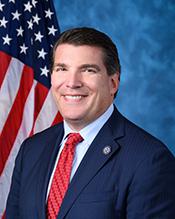


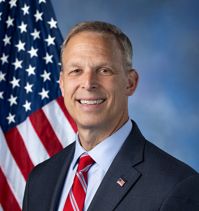

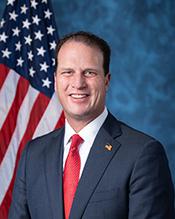

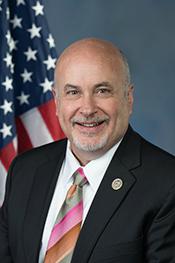

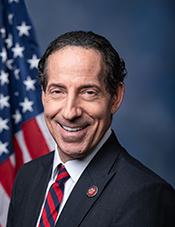






























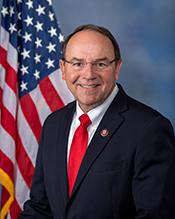
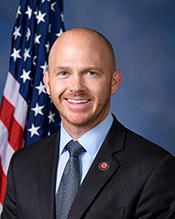






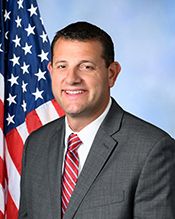
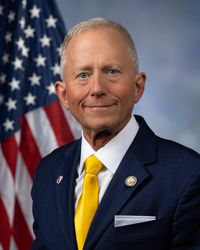

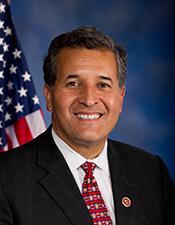



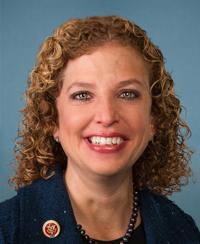
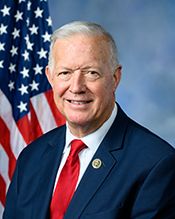


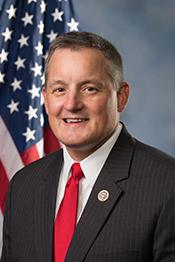



SPONSORS

John Cornyn
R-TX · Primary
1 COSPONSOR
DEMOCRATIC● 1 D

SPONSOR FUNDING
Top industries funding Cornyn
Securities & Investment15%
Securities & Investment 15% of classified donations
Lawyers & Lobbyists11%
Lawyers & Lobbyists 11% of classified donations
Real Estate8%
Real Estate 8% of classified donations
Health Services7%
Health Services 7% of classified donations
Technology6%
Technology 6% of classified donations
TRAIL AI
The Supreme Court Police Parity Act of 2022 addressed compensation and benefits for the Supreme Court Police force. The bill passed the House with 274 votes in favor and 15 opposed, with all 15 opposing votes coming from Democratic members, while Republicans voted unanimously in support. The legislation was signed into law during the 117th Congress.
Based on public voting records. Does not imply causation.
TIMELINE
INTRODUCEDMay 5, 2022
PASSED SENATEMay 9, 2022
SIGNEDJun 16, 2022
DATA SOURCES
Bill data: Congress.gov · 117th–119th Congress (2021–present)
Vote records: House Clerk / Senate · 2021–present
Reflects public records. Does not imply causation.