S2959-117 · 117th Congress
Signed
Signed Jan 21, 2022Supplemental Impact Aid Flexibility Act
Supplemental Impact Aid Flexibility Act This bill revises the Impact Aid Program application process for FY2023. Specifically, the bill requires local educational agencies (LEAs) participating in the Impact Aid Program to use the student count or federal property valuation data from their FY2022 program applications, as applicable, for their FY2023 program applications. The program provides funding to LEAs that have lost property tax revenue due to the presence of tax-exempt federal property or to those that have experienced increased expenditures due to enrollment of federally connected children (e.g., children living on Indian lands or military bases).
VOTE BREAKDOWN
Final passage · 293 politicians tracked
282
YEA
4
NAY
0
PRESENT
7
NOT VOTING
Dem YEA 145Rep NAY 4Rep YEA 137
BY PARTY · ✕ NAY ← | → YEA ✓
DEM
0
145
REP
4
137
MONEY ON THIS BILL
Which donor industries fund each side of the vote — total contributions from that industry to those members, all cycles · plus lobbying activity in affected industries
⬆ YEA voters — top donor industries
- 1. Lawyers & Lobbyists$171.8M
- 2. Securities & Investment$122.7M
- 3. Health Services$122.0M
⬇ NAY voters — top donor industries
- 1. Construction & Engineering$577K
- 2. Lawyers & Lobbyists$499K
- 3. Health Services$445K
◎ Lobbying activity by issue area
No bill-issue lobbying matches.
Dollar figures are each industry's total contributions to those members across all tracked cycles — not money given for this specific bill. Statistical patterns in public records; correlation, not causation.
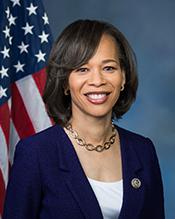
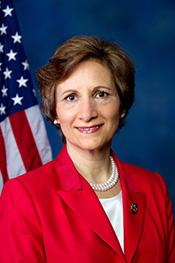
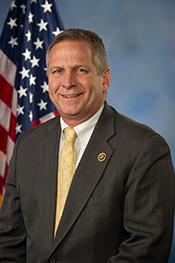
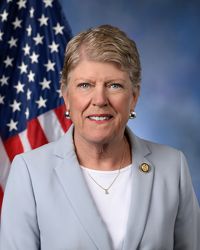
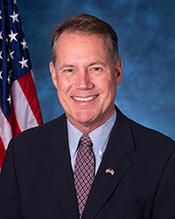
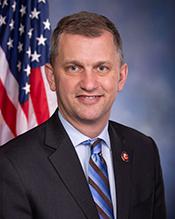
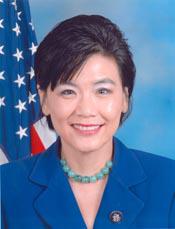
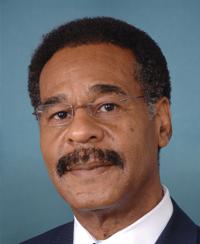
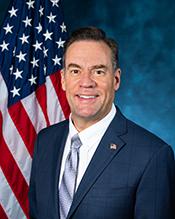
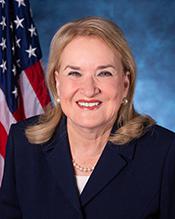
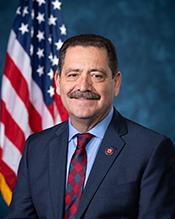
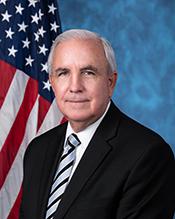
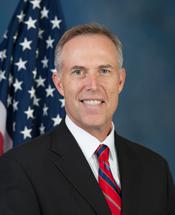
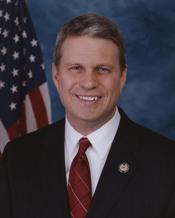
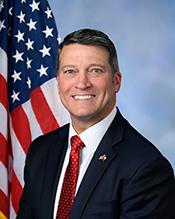
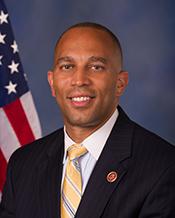
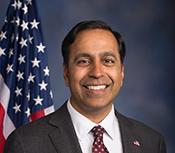
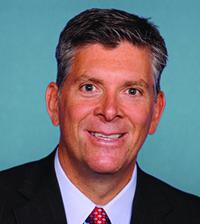
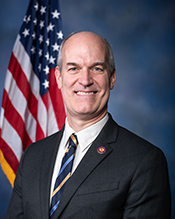
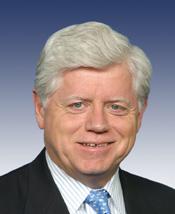
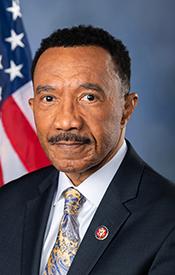
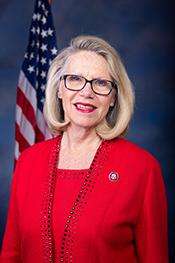
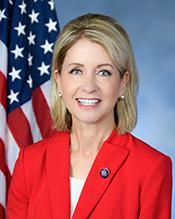
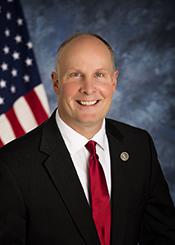
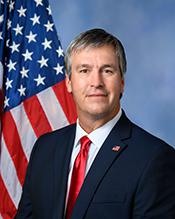
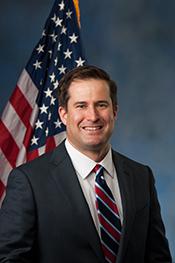
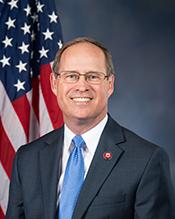
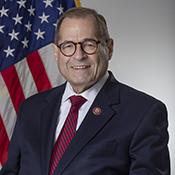
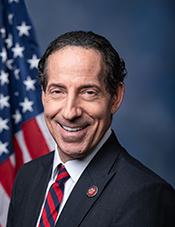
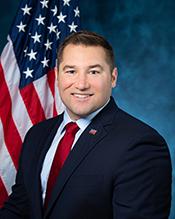
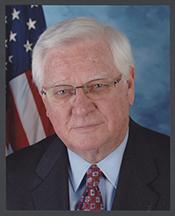
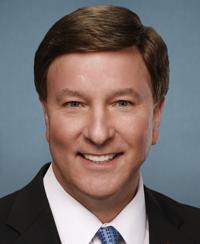
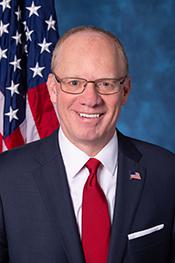
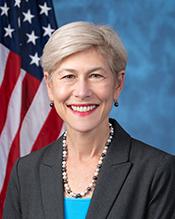
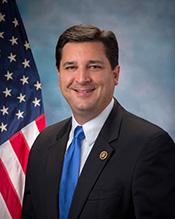
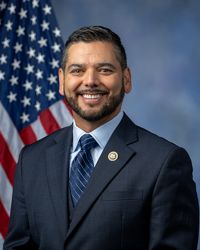
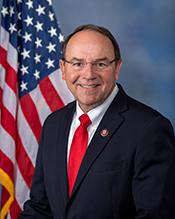
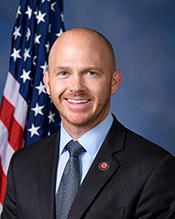
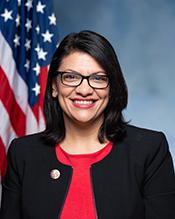
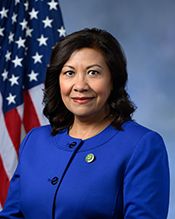
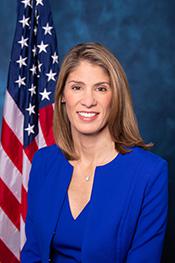
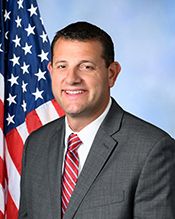
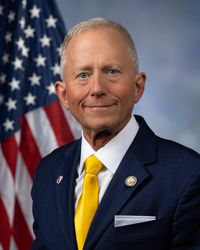
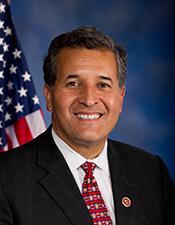
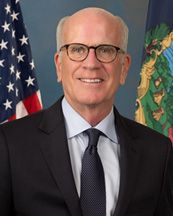
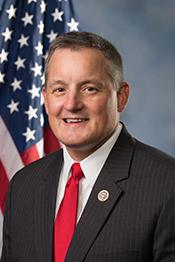
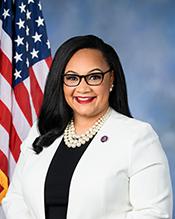
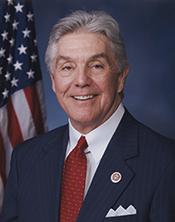
INDIVIDUAL VOTES
Recorded positions for tracked politicians
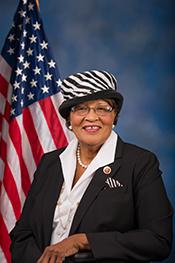

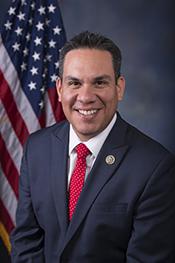
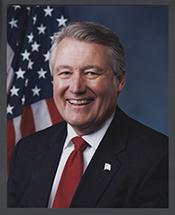
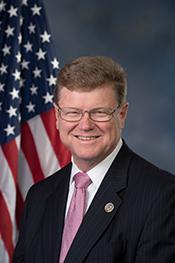




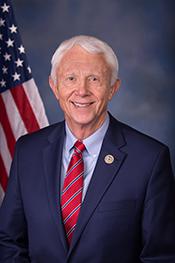
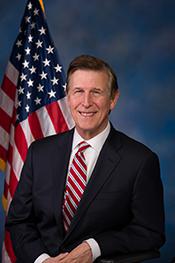

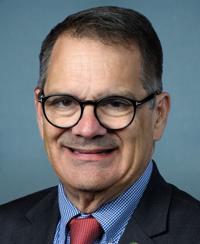


















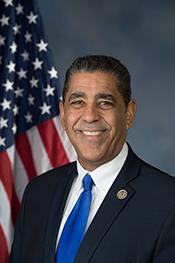
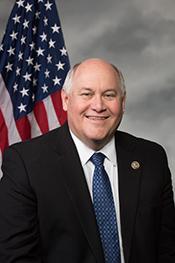
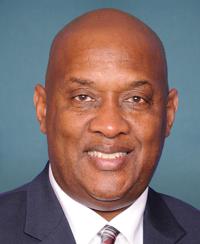



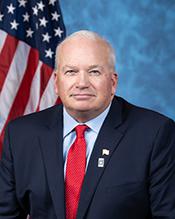





















































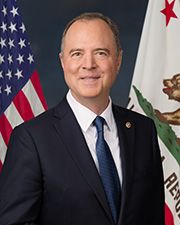
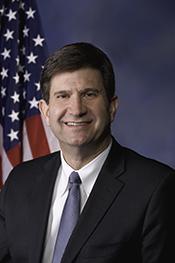
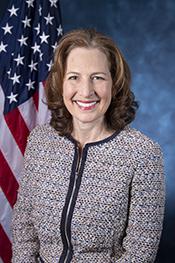
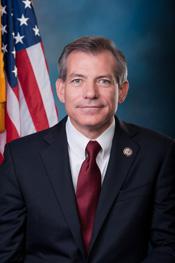




















SPONSORS
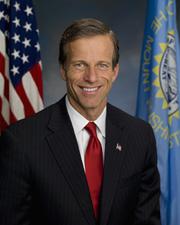
John Thune
R-SD · Primary
3 COSPONSORS
BIPARTISAN● 1 D● 2 R


SPONSOR FUNDING
Top industries funding Thune
Securities & Investment13%
Securities & Investment 13% of classified donations
Lawyers & Lobbyists10%
Lawyers & Lobbyists 10% of classified donations
Real Estate9%
Real Estate 9% of classified donations
Health Services8%
Health Services 8% of classified donations
Telecommunications5%
Telecommunications 5% of classified donations
TRAIL AI
S 2959, the Supplemental Impact Aid Flexibility Act, was introduced by Senator John Thune and signed into law during the 117th Congress. The bill passed with overwhelming bipartisan support, receiving 281 votes in favor and 4 votes against, with all 145 voting Democrats supporting the measure and 136 Republicans voting yes alongside 4 Republican votes in opposition. The legislation addresses flexibility provisions related to Impact Aid, a federal program that provides funding to school districts affected by federal activities.
Based on public voting records. Does not imply causation.
TIMELINE
INTRODUCEDOct 7, 2021
PASSED SENATEDec 13, 2021
SIGNEDJan 21, 2022
DATA SOURCES
Bill data: Congress.gov · 117th–119th Congress (2021–present)
Vote records: House Clerk / Senate · 2021–present
Reflects public records. Does not imply causation.