S66-117 · 117th Congress
Signed
Signed Jun 16, 2022South Florida Clean Coastal Waters Act of 2021
South Florida Clean Coastal Waters Act of 2021 This bill addresses harmful algal blooms and hypoxia in the South Florida ecosystem. An algal bloom is a rapid growth of algae that may create toxic or hypoxic (severely low-oxygen) conditions that are harmful to humans, animals, aquatic ecosystems, and the economy. The Inter-Agency Task Force on Harmful Algal Blooms and Hypoxia must assess potential approaches to reduce harmful algal blooms and hypoxia in the ecosystem. The task force must also submit a plan, based on the assessment, for reducing, mitigating, and controlling harmful algal blooms and hypoxia in the region.
VOTE BREAKDOWN
Final passage · 293 politicians tracked
280
YEA
6
NAY
0
PRESENT
7
NOT VOTING
Dem YEA 140Dem NAY 3Rep NAY 3Rep YEA 140
BY PARTY · ✕ NAY ← | → YEA ✓
DEM
3
140
REP
3
140
MONEY ON THIS BILL
Which donor industries fund each side of the vote — total contributions from that industry to those members, all cycles · plus lobbying activity in affected industries
⬆ YEA voters — top donor industries
- 1. Lawyers & Lobbyists$170.3M
- 2. Securities & Investment$121.9M
- 3. Health Services$120.7M
⬇ NAY voters — top donor industries
- 1. Lawyers & Lobbyists$1.9M
- 2. Securities & Investment$1.6M
- 3. Real Estate$939K
◎ Lobbying activity by issue area
No bill-issue lobbying matches.
Dollar figures are each industry's total contributions to those members across all tracked cycles — not money given for this specific bill. Statistical patterns in public records; correlation, not causation.
LOBBYING ON THIS BILL
37 federal lobbying reports name this bill in their activity descriptions · LDA disclosures
AMERICAN ASSOCIATION OF AIRPORT EXECUTIVES11 reports
AIR LINE PILOTS ASSOCIATION8 reports
AIR TRANSPORT ASSOCIATION OF AMERICA, INC. (D/B/A AIRLINES FOR AMERICA)4 reports
PROFESSIONAL AVIATION SAFETY SPECIALISTS3 reports
SOUTHWEST AIRLINES PILOTS' ASSOCIATION3 reports
AIRCRAFT OWNERS & PILOTS ASSOCIATION2 reports
VERTICAL AVIATION INTERNATIONAL2 reports
NATIONAL BUSINESS AVIATION ASSOCIATION2 reports
⟳ The revolving door — lobbyists on this bill with disclosed former government roles
Cade ClarkVice President, Government Affairs
John SheaDirector of Government Affairs
Frank MccarthyHouse Transportation Committee; Representative Sue Kelly (NY-19)
Paul MilotteLegislative Director; Representative Don Young (AK-At Large)
“Covered position” is the former government job lobbyists must disclose by law (LDA §4). Prior service is stated on the filings; it carries no implication of wrongdoing. Full revolving-door board →
A report naming a bill means the organization disclosed lobbying activity on it — the disclosure does not state a position for or against.
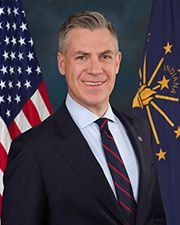
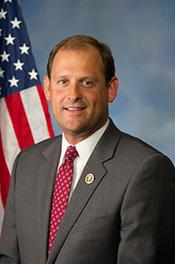
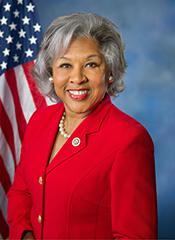
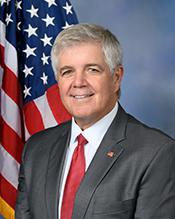
INDIVIDUAL VOTES
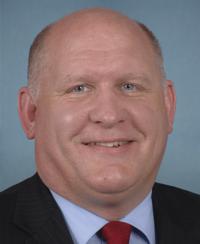
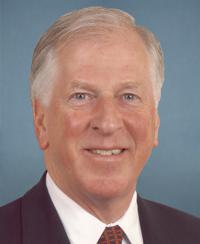
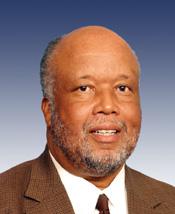
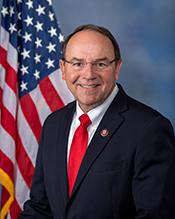
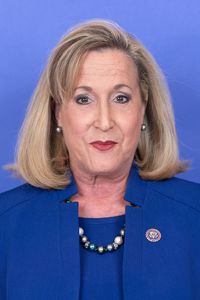
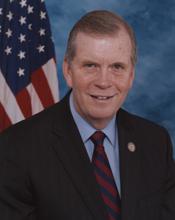
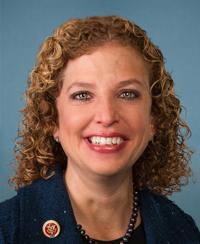
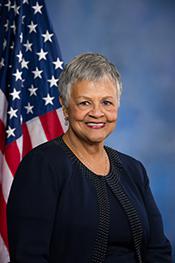
Recorded positions for tracked politicians
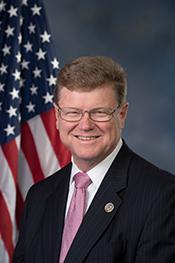
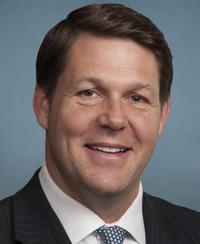
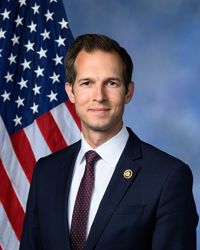


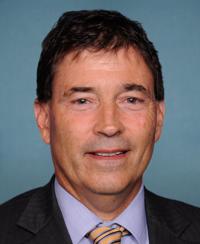

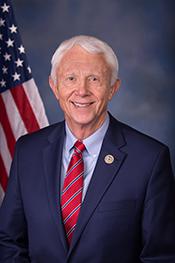
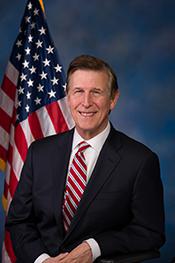
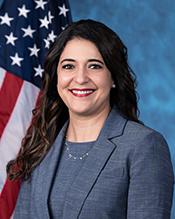
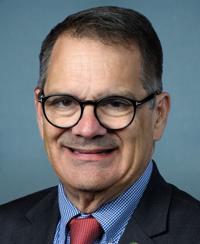
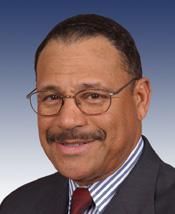
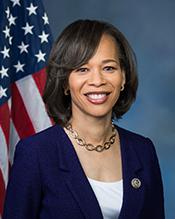
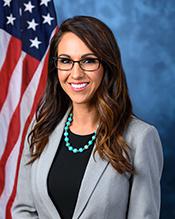
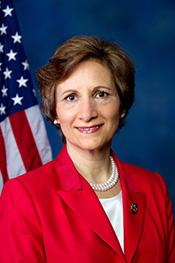

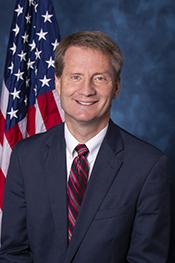
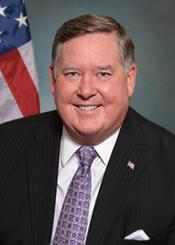
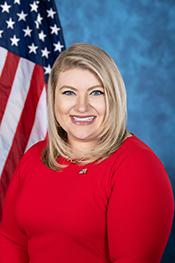
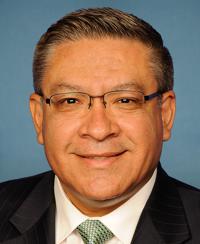
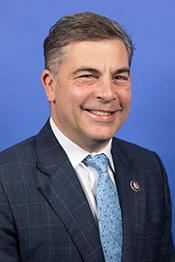
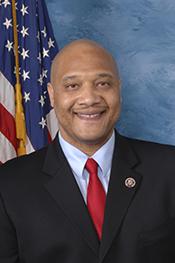
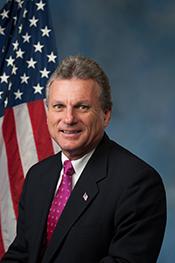
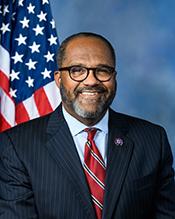
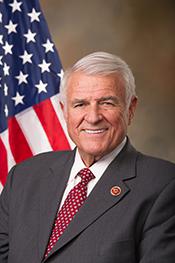
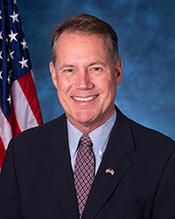
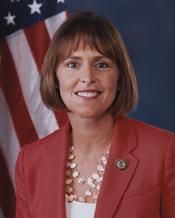

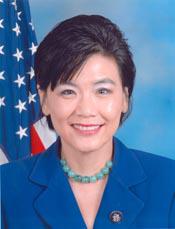

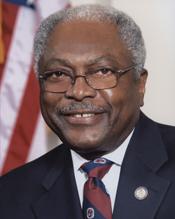
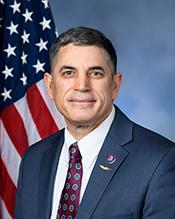
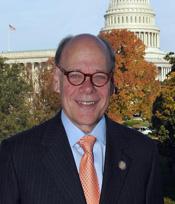
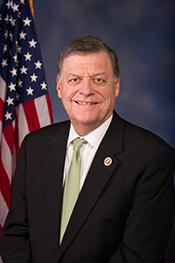
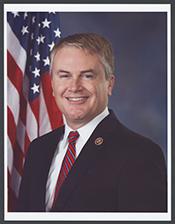
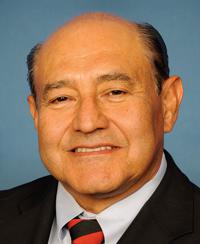
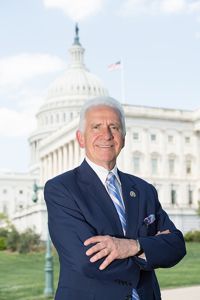
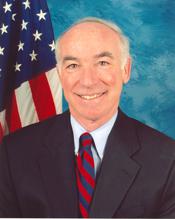


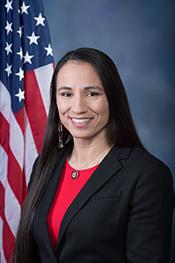
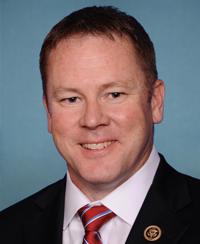
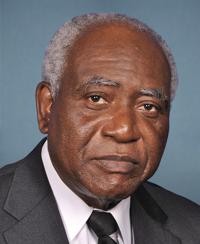
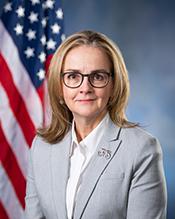
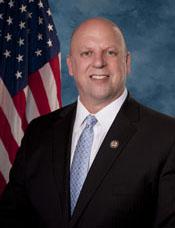
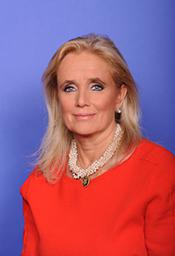
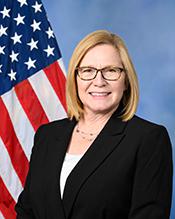
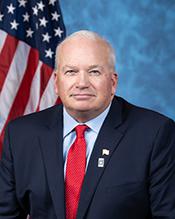
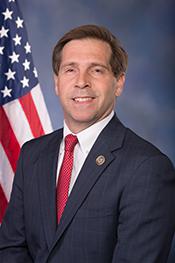
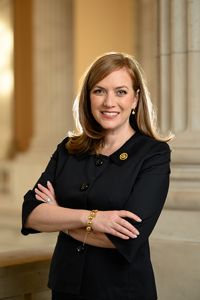
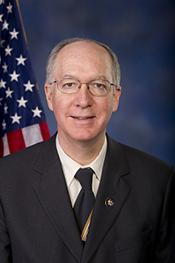
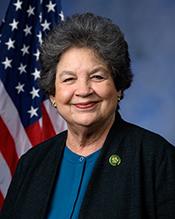
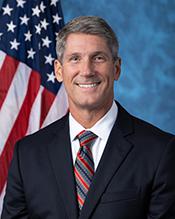
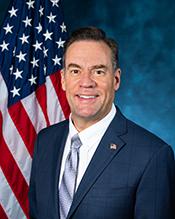
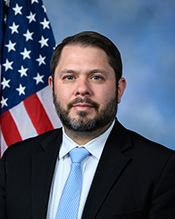
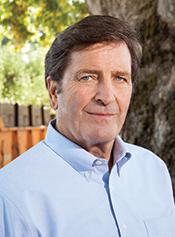
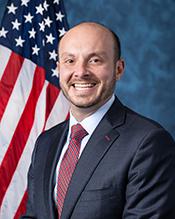
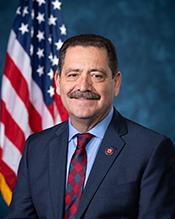
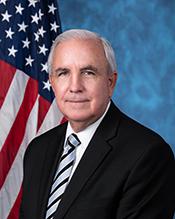
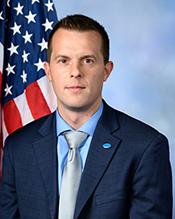
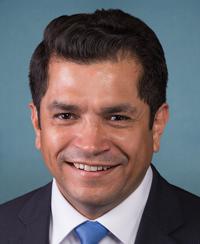
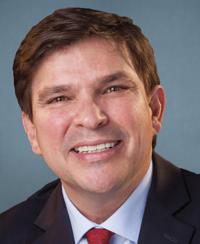
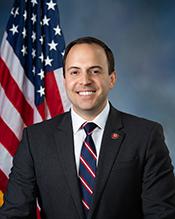
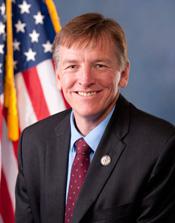
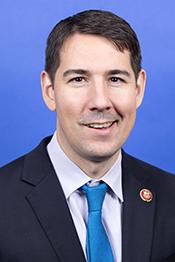
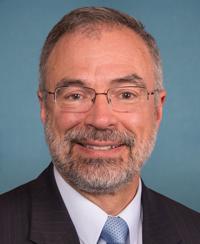
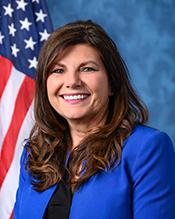
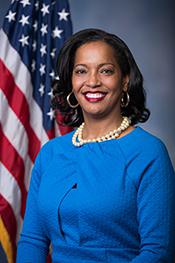
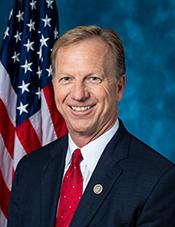
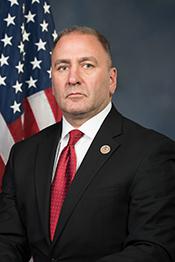
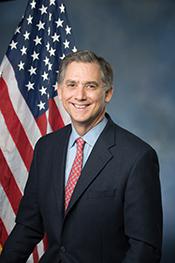
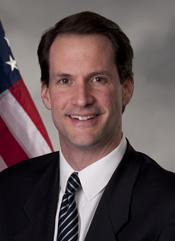
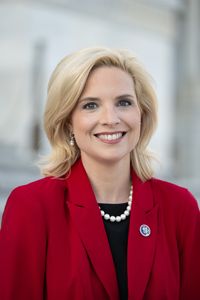
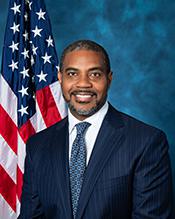

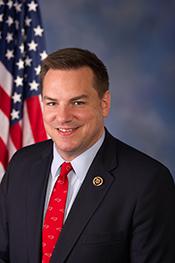
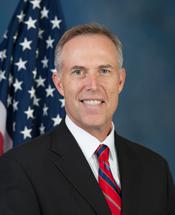
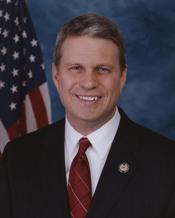

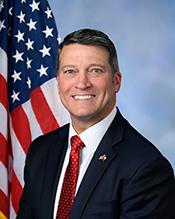
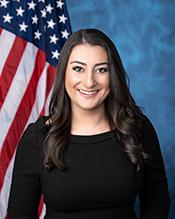
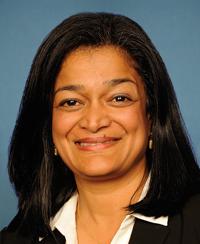
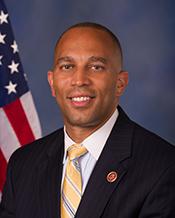
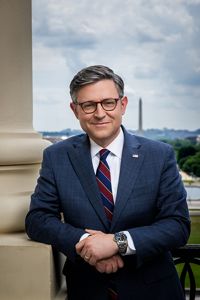
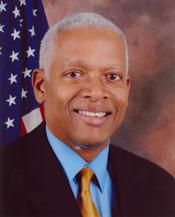
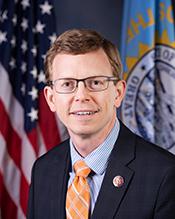
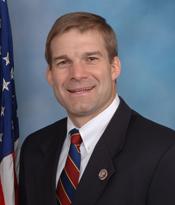
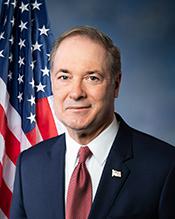
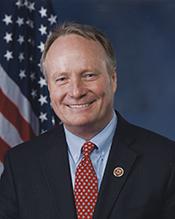

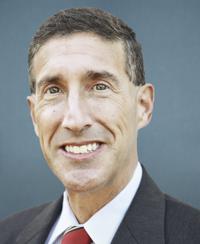
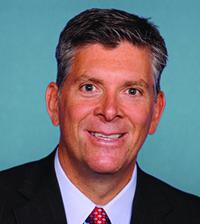
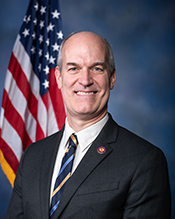
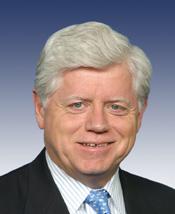
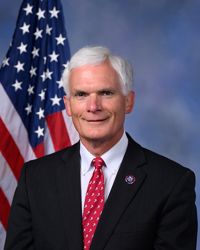
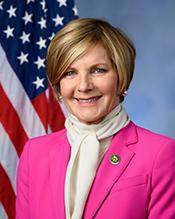
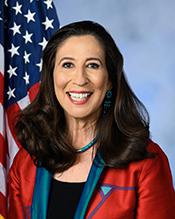

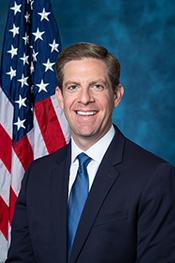
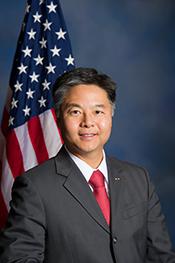
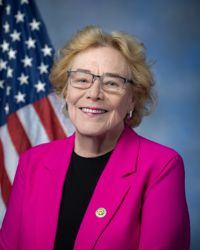
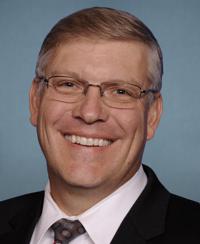
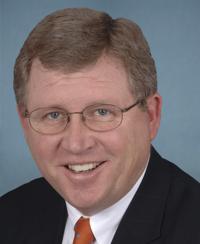

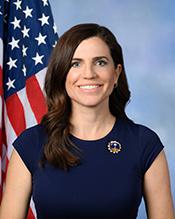
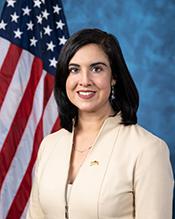
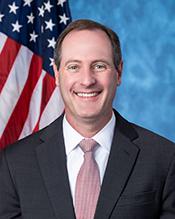
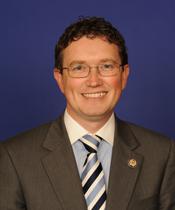

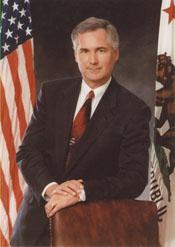
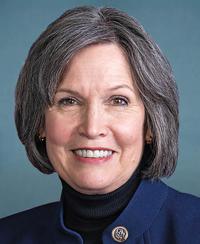

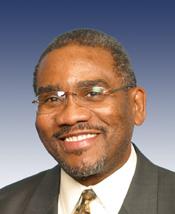
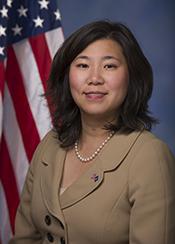
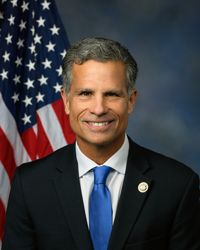
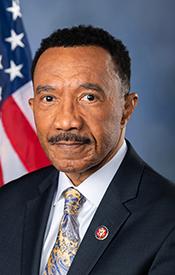
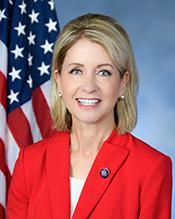
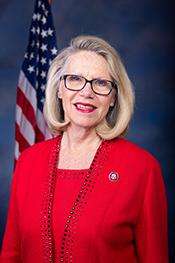
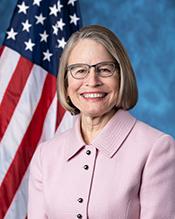
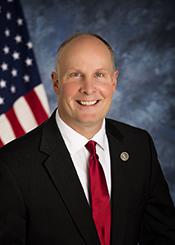
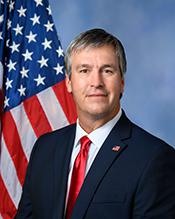
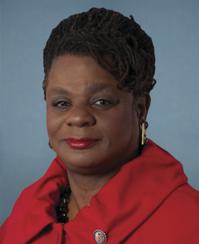

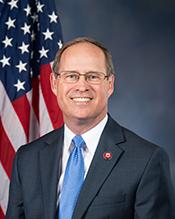
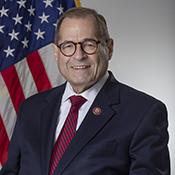
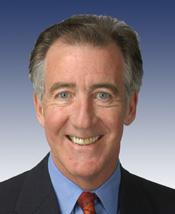

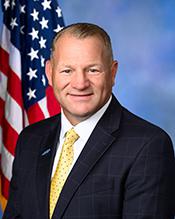
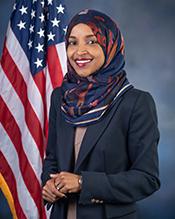
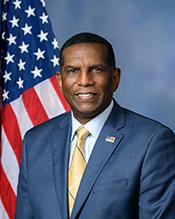
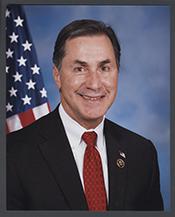
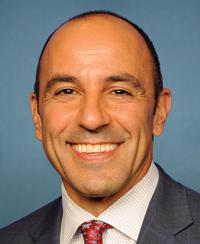
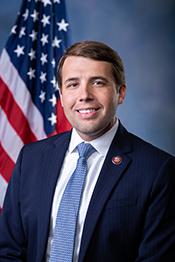
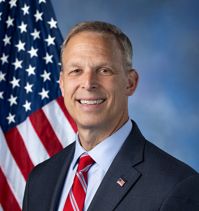
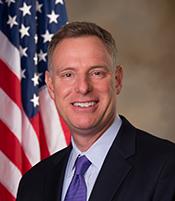
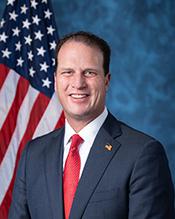
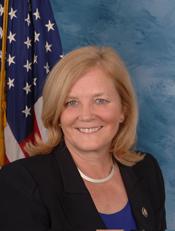
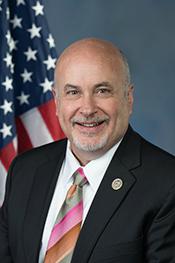
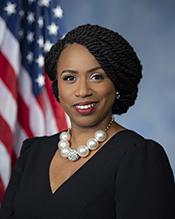
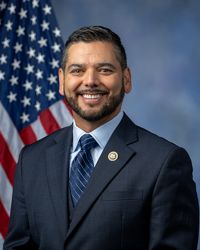
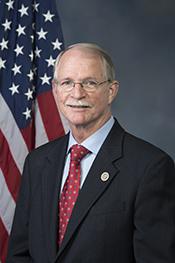

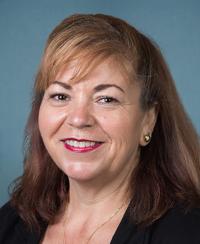
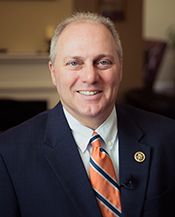
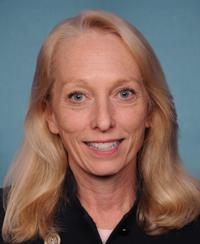

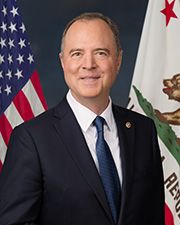
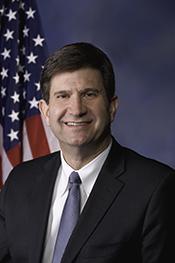
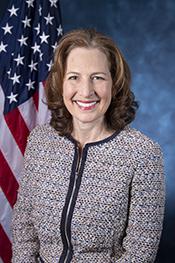
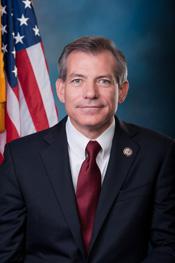
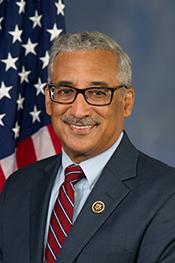
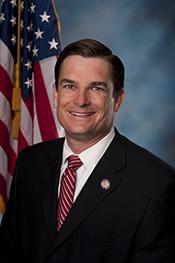
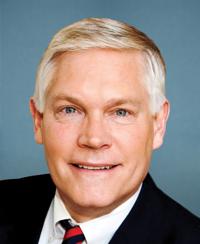
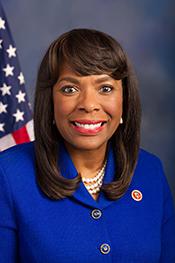
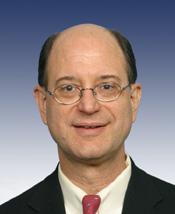
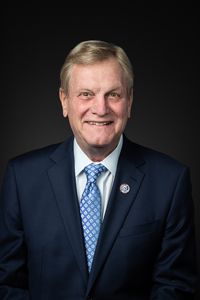
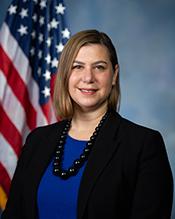

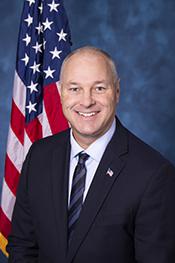
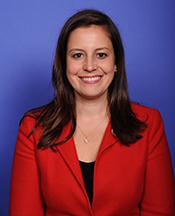
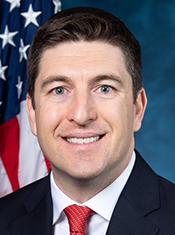
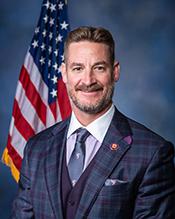
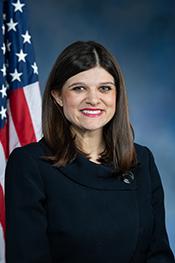
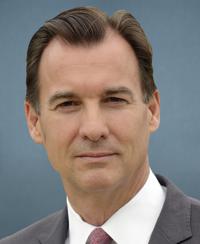
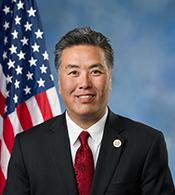
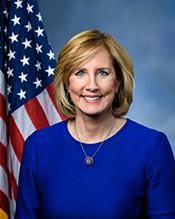
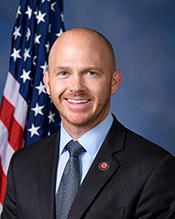

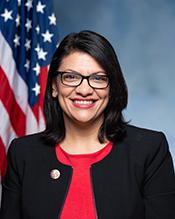

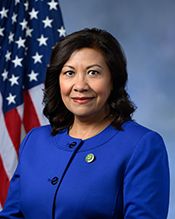
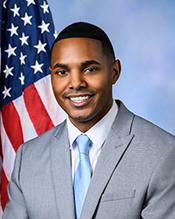
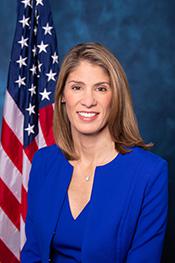
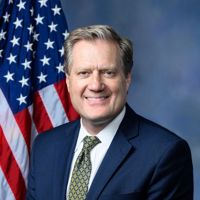
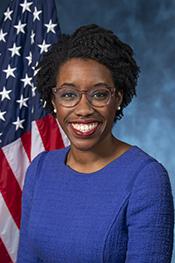
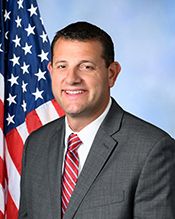
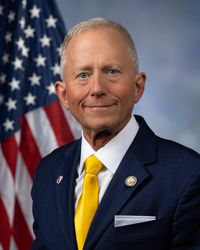
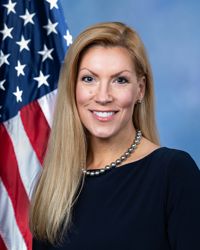
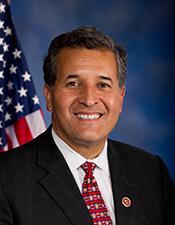
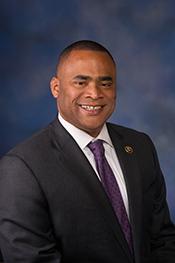

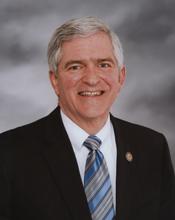
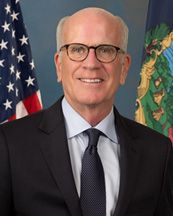
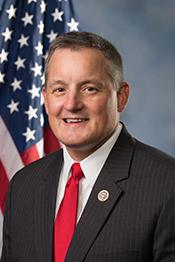
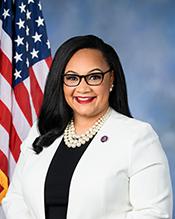
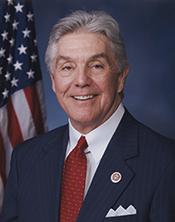
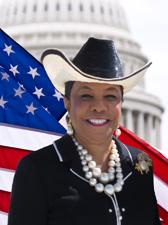
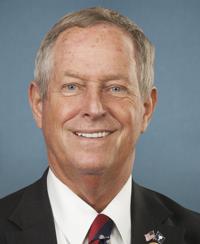
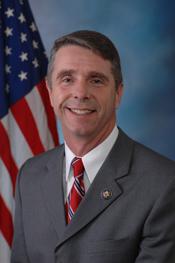
SPONSORS
1 COSPONSOR
REPUBLICAN● 1 R
TRAIL AI
The South Florida Clean Coastal Waters Act of 2021 (S 66) addresses water quality and environmental protection in South Florida's coastal regions. The bill was signed into law during the 117th Congress with broad bipartisan support, passing 279-6 with 140 Democrats and 3 Republicans voting in favor and 139 Republicans and 3 Democrats voting in favor, while 6 members voted against it.
Based on public voting records. Does not imply causation.
TIMELINE
INTRODUCEDJan 27, 2021
PASSED SENATEMar 8, 2022
SIGNEDJun 16, 2022
DATA SOURCES
Bill data: Congress.gov · 117th–119th Congress (2021–present)
Vote records: House Clerk / Senate · 2021–present
Reflects public records. Does not imply causation.