HR3919-117 · 117th Congress
Signed
Signed Nov 11, 2021Secure Equipment Act of 2021
Secure Equipment Act of 2021 This bill requires the Federal Communications Commission (FCC) to establish rules stating that it will no longer review or approve any authorization application for equipment that is on the list of covered communications equipment or services. (Listed communications equipment or services are those that the FCC determines pose an unacceptable risk to national security or the security and safety of U.S. persons.)
VOTE BREAKDOWN
Final passage · 291 politicians tracked
282
YEA
4
NAY
0
PRESENT
5
NOT VOTING
Dem YEA 139Dem NAY 3Rep NAY 1Rep YEA 143
BY PARTY · ✕ NAY ← | → YEA ✓
DEM
3
139
REP
1
143
MONEY ON THIS BILL
Which donor industries fund each side of the vote — total contributions from that industry to those members, all cycles · plus lobbying activity in affected industries
⬆ YEA voters — top donor industries
- 1. Lawyers & Lobbyists$167.7M
- 2. Health Services$121.0M
- 3. Securities & Investment$118.1M
⬇ NAY voters — top donor industries
- 1. Lawyers & Lobbyists$2.0M
- 2. Securities & Investment$1.4M
- 3. Labor Unions$870K
◎ Lobbying activity by issue area
- telecom1,000 filings
Dollar figures are each industry's total contributions to those members across all tracked cycles — not money given for this specific bill. Statistical patterns in public records; correlation, not causation.
LOBBYING ON THIS BILL
14 federal lobbying reports name this bill in their activity descriptions · LDA disclosures
FEDEX CORPORATION7 reports
HONEYWELL INTERNATIONAL6 reports
FEDERATION FOR AMERICAN IMMIGRATION REFORM1 report
⟳ The revolving door — lobbyists on this bill with disclosed former government roles
Joe ChathamChief Counsel, Rep. Ken Buck
Julie KirchnerSenior Advisor, Customs and Border Protection, Department of Homeland Security; Citizenship and Immigration Services Ombudsman, Department of Homeland Security; Senior Advisor, Office of the Immigration Detention Ombudsman
“Covered position” is the former government job lobbyists must disclose by law (LDA §4). Prior service is stated on the filings; it carries no implication of wrongdoing. Full revolving-door board →
A report naming a bill means the organization disclosed lobbying activity on it — the disclosure does not state a position for or against.
INDIVIDUAL VOTES
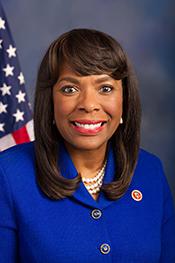
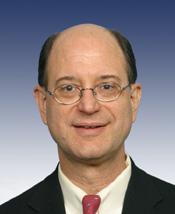
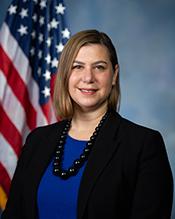
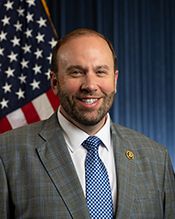
Recorded positions for tracked politicians
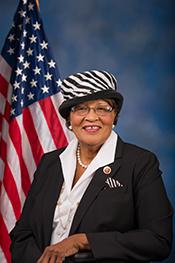

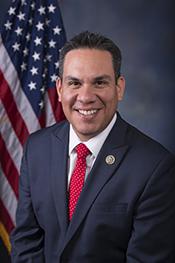
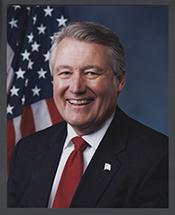
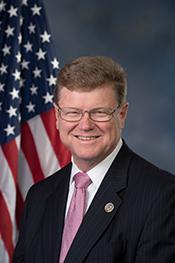


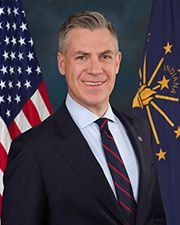
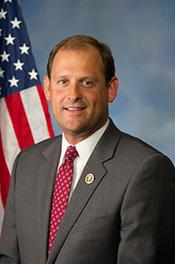

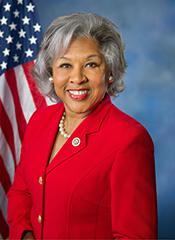
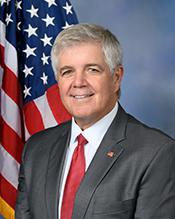

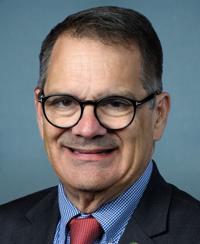
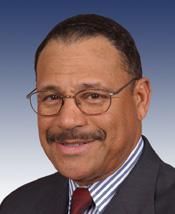
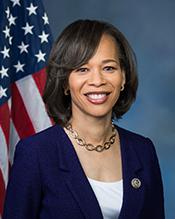
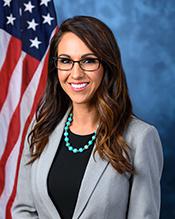



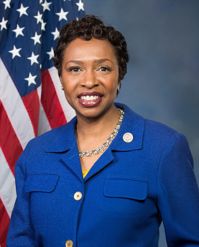
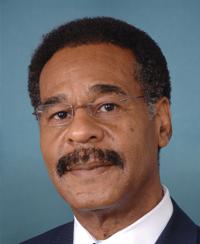
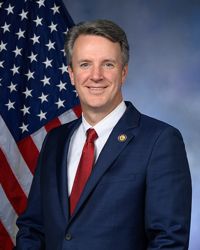
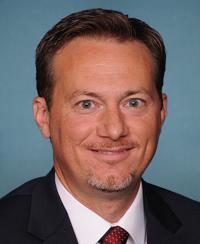
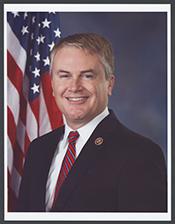
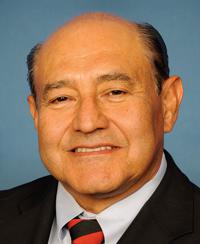
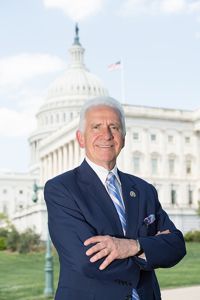
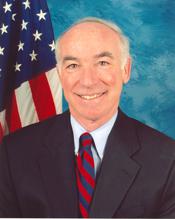



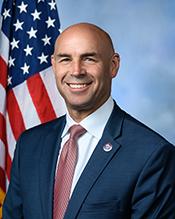
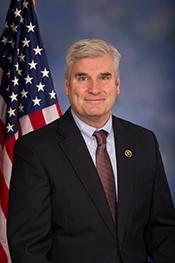
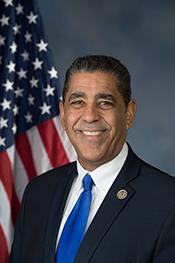
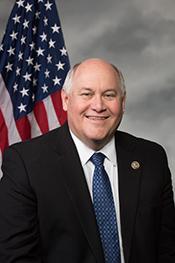
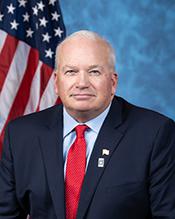
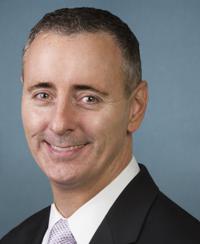
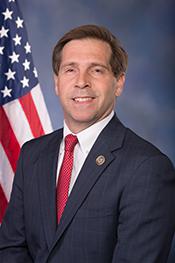
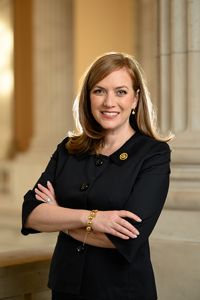
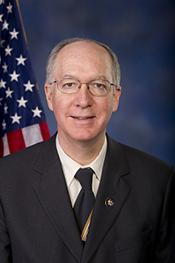

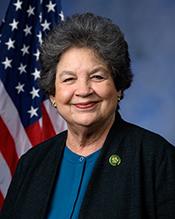
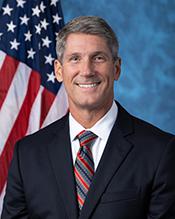
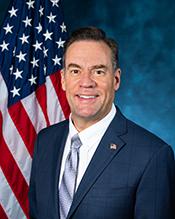
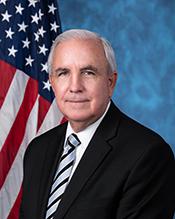
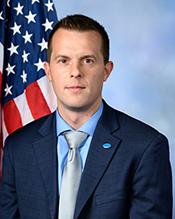
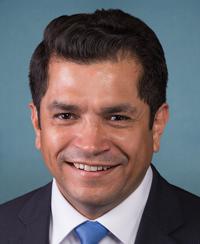
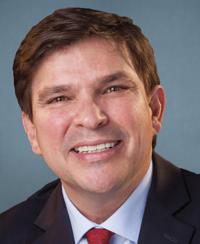
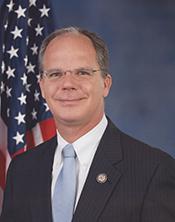

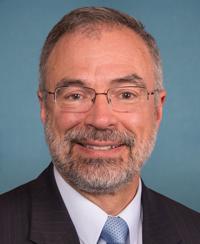
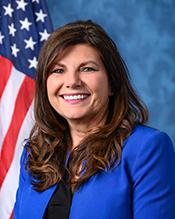
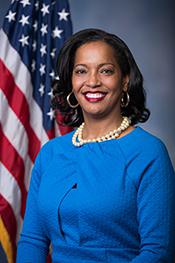
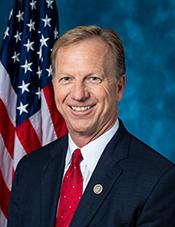
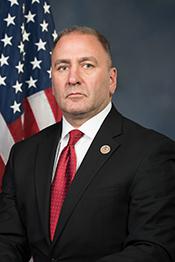
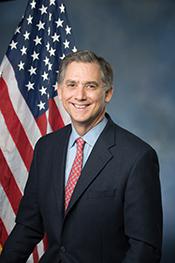

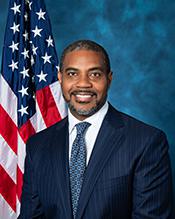





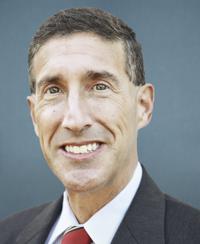
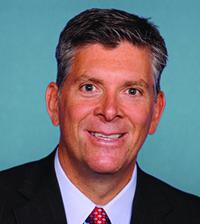
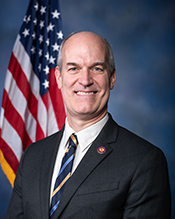
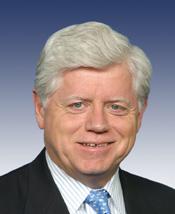
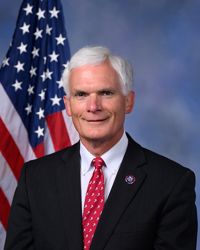
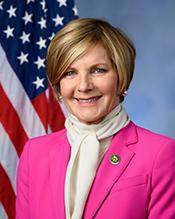
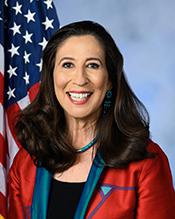

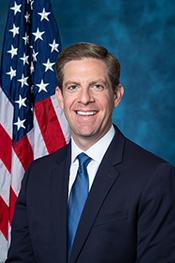


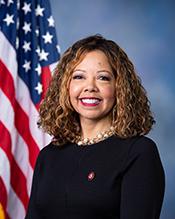
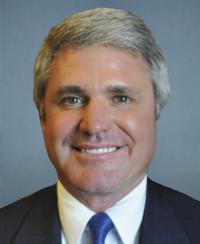
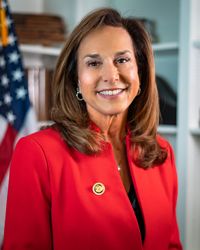
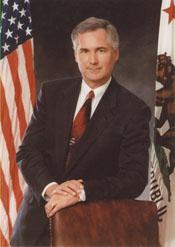


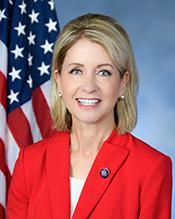
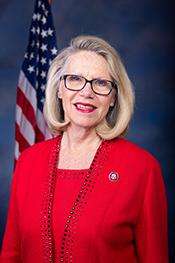

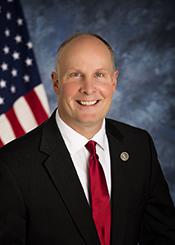
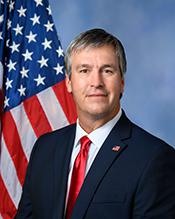
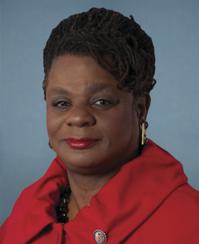
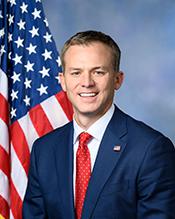

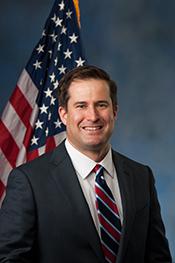
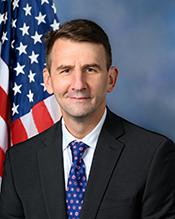
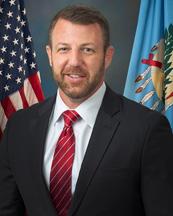
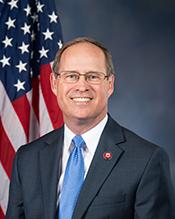
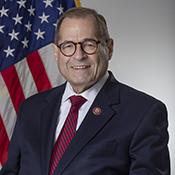
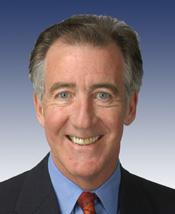

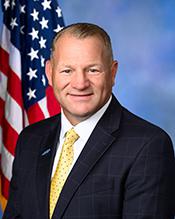
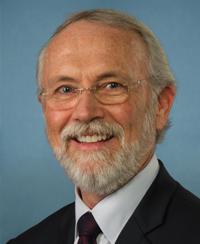
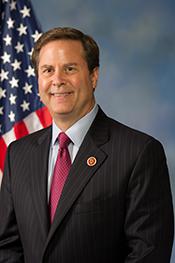
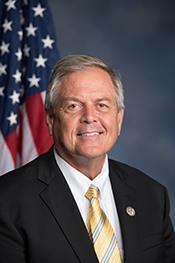
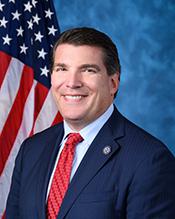
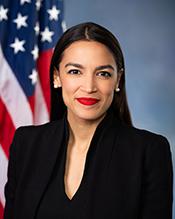

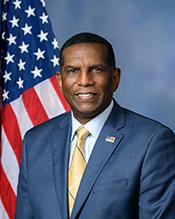
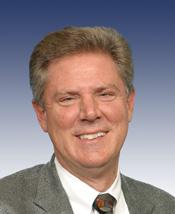
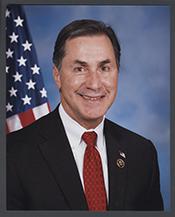
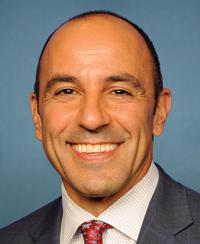
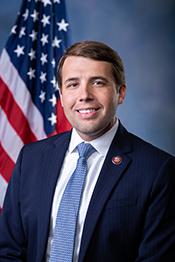
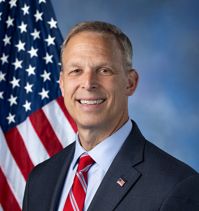

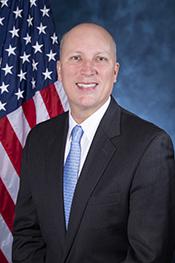
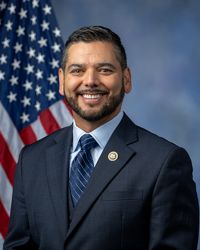
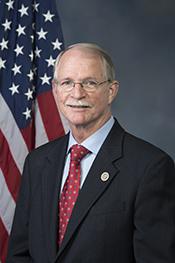
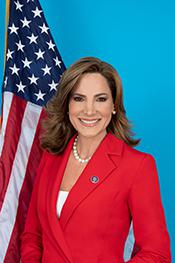

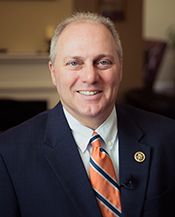


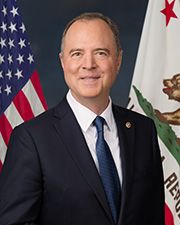
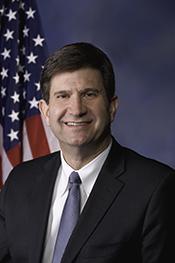
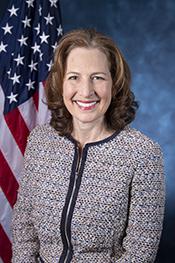



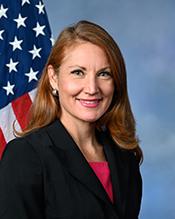
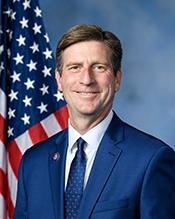
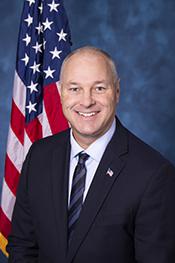

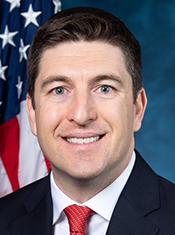
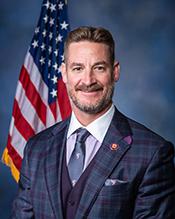
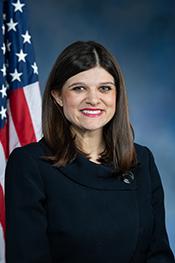
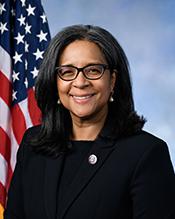

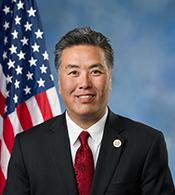
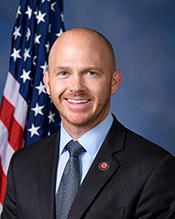

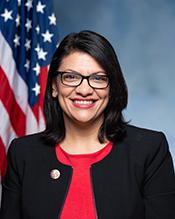

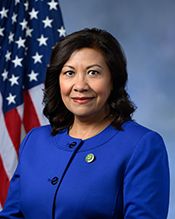
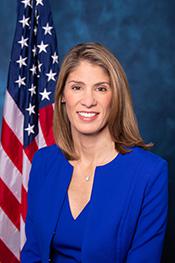
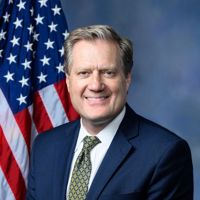

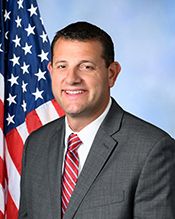
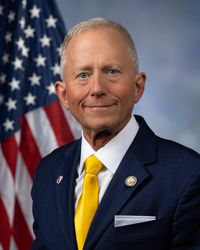
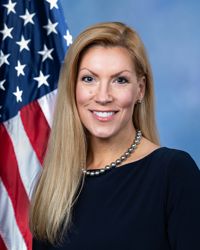
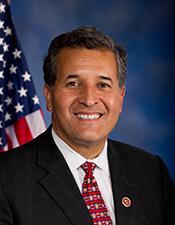
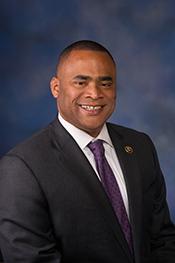

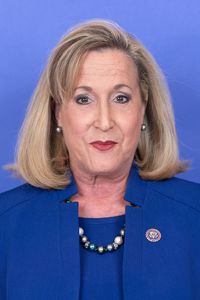
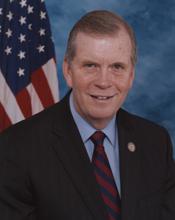

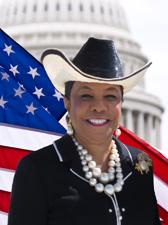
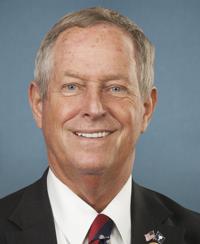
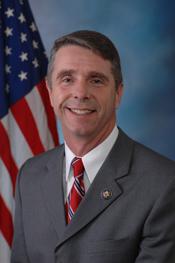
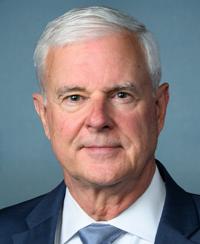
SPONSORS
Steve Scalise
R-LA · Primary
13 COSPONSORS
BIPARTISAN● 6 D● 7 R
+7 more (see dot grid above)
SPONSOR FUNDING
Top industries funding Scalise
Party & Leadership45%
Party & Leadership 45% of classified donations
Retail & Consumer8%
Retail & Consumer 8% of classified donations
Lawyers & Lobbyists6%
Lawyers & Lobbyists 6% of classified donations
Securities & Investment6%
Securities & Investment 6% of classified donations
Oil & Gas3%
Oil & Gas 3% of classified donations
TRAIL AI
The Secure Equipment Act of 2021 addresses the procurement of telecommunications equipment by establishing security requirements for communications infrastructure used by federal agencies. The bill passed with broad bipartisan support, receiving 281 votes in favor and 4 votes against, with Democrats voting 139-3 in support and Republicans voting 142-1 in support. The bill was signed into law.
Based on public voting records. Does not imply causation.
TIMELINE
INTRODUCEDJun 15, 2021
PASSED SENATEOct 28, 2021
SIGNEDNov 11, 2021
DATA SOURCES
Bill data: Congress.gov · 117th–119th Congress (2021–present)
Vote records: House Clerk / Senate · 2021–present
Reflects public records. Does not imply causation.