S4926-117 · 117th Congress
Signed
Signed Jan 5, 2023Respect for Child Survivors Act
Respect for Child Survivors Act This bill requires the Federal Bureau of Investigation (FBI) to use a multidisciplinary approach with any investigation of child sexual exploitation or abuse, the production of child sexual abuse material, or child trafficking. The FBI must also use a trained child adolescent forensic interviewer in these investigations if practicable and consistent with applicable federal law. In implementing a multidisciplinary approach, the bill requires the FBI to use and coordinate with multidisciplinary teams based at children's advocacy centers.
VOTE BREAKDOWN
Final passage · 297 politicians tracked
269
YEA
22
NAY
0
PRESENT
6
NOT VOTING
Dem YEA 146Rep NAY 22Rep YEA 123
BY PARTY · ✕ NAY ← | → YEA ✓
DEM
0
146
REP
22
123
MONEY ON THIS BILL
Which donor industries fund each side of the vote — total contributions from that industry to those members, all cycles · plus lobbying activity in affected industries
⬆ YEA voters — top donor industries
- 1. Lawyers & Lobbyists$172.6M
- 2. Securities & Investment$124.4M
- 3. Health Services$120.6M
⬇ NAY voters — top donor industries
- 1. Agriculture$4.0M
- 2. Health Services$3.5M
- 3. Lawyers & Lobbyists$3.2M
◎ Lobbying activity by issue area
No bill-issue lobbying matches.
Dollar figures are each industry's total contributions to those members across all tracked cycles — not money given for this specific bill. Statistical patterns in public records; correlation, not causation.
LOBBYING ON THIS BILL
2 federal lobbying reports name this bill in their activity descriptions · LDA disclosures
CREDIT UNION NATIONAL ASSOCIATION, INC. DBA AMERICA'S CREDIT UNIONS2 reports
⟳ The revolving door — lobbyists on this bill with disclosed former government roles
Gordon HolzbergLegislative Director for Rep. Emilia Sykes Senior Legislative Assistant for Rep. Alma Adams Legislative Assistant for Rep. Alma Adams Legislative Correspondent for Rep. Alma Adams Staff Assistant for Rep. Alma Adams
Stephanie BelkStaff Assistant for Senator David Vitter Scheduler for Senator David Vitter
“Covered position” is the former government job lobbyists must disclose by law (LDA §4). Prior service is stated on the filings; it carries no implication of wrongdoing. Full revolving-door board →
A report naming a bill means the organization disclosed lobbying activity on it — the disclosure does not state a position for or against.
INDIVIDUAL VOTES
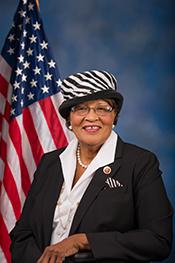
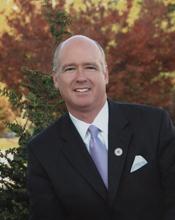
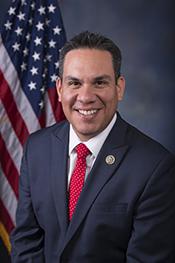
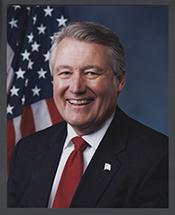
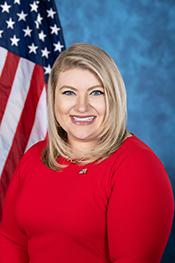
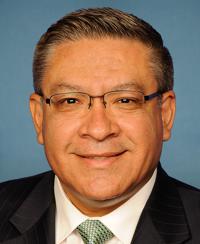
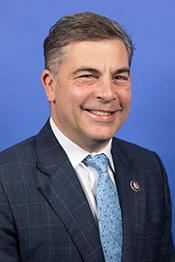
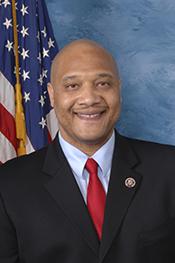
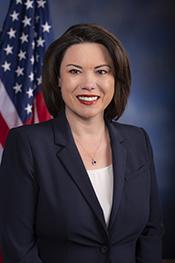
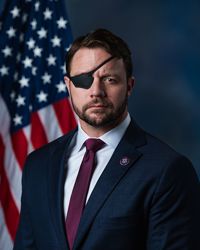
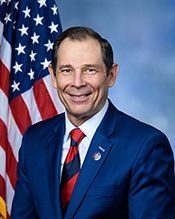
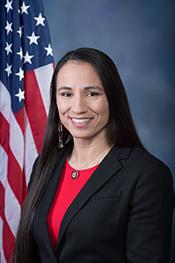
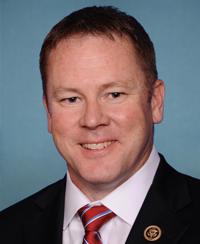
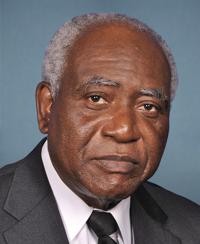
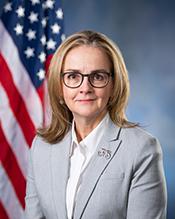
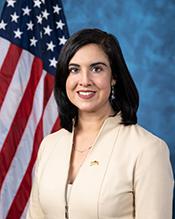
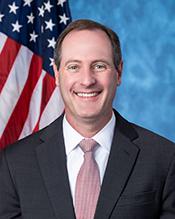
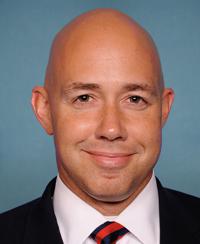
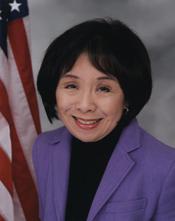
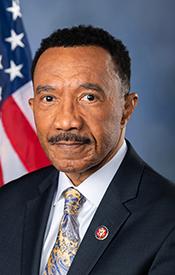
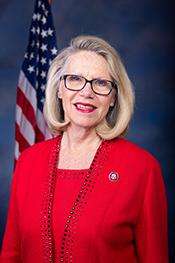
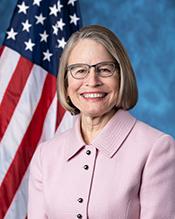
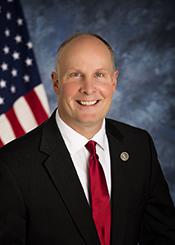
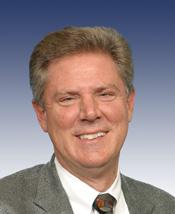
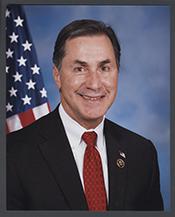
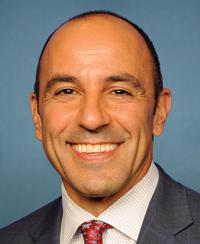
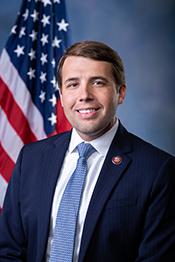
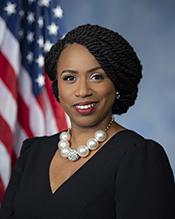
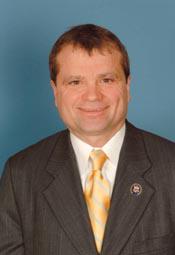
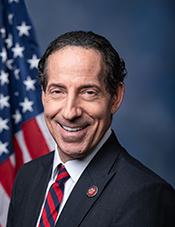
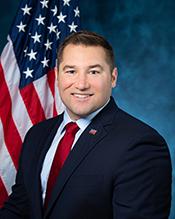
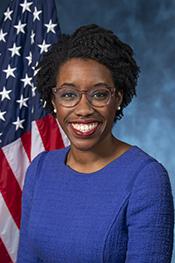
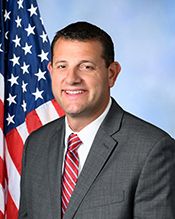
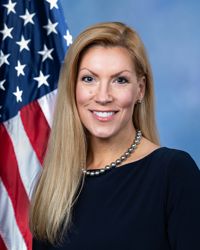
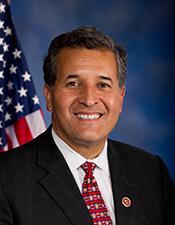
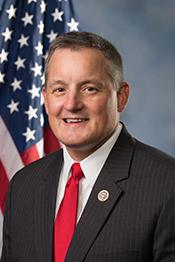
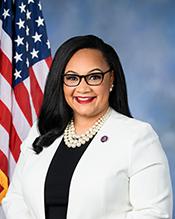
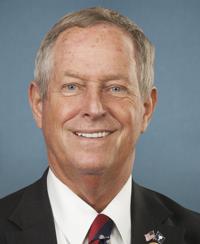
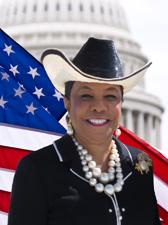
Recorded positions for tracked politicians


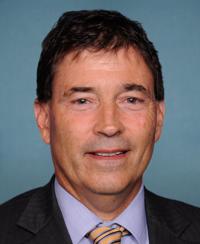
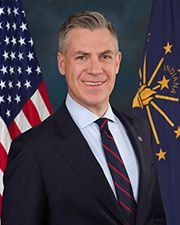
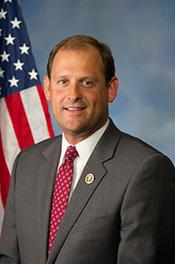

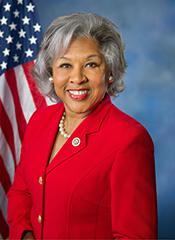
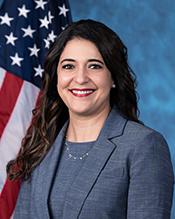
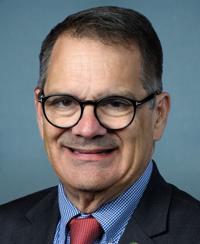
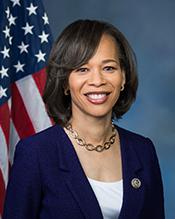
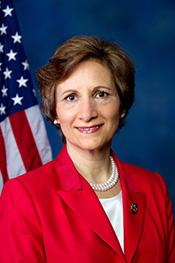
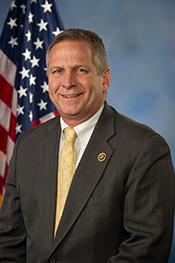

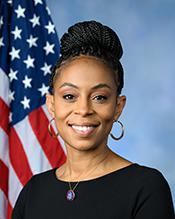
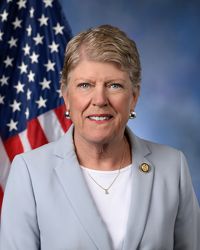
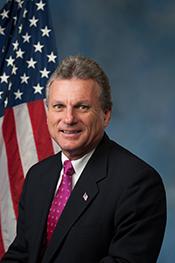
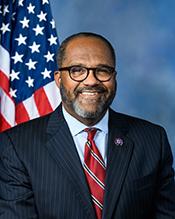
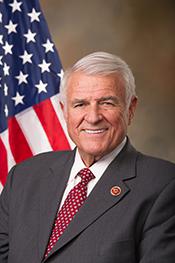
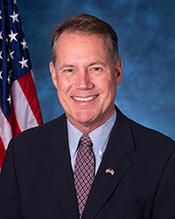
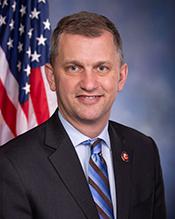
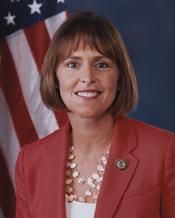

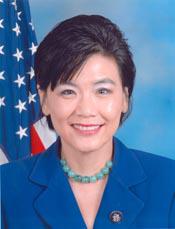

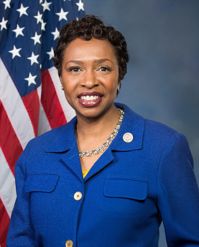

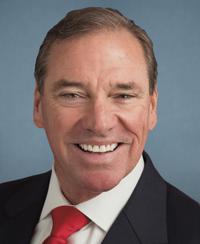
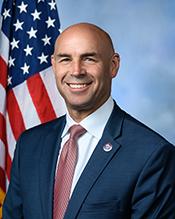
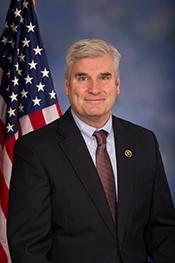
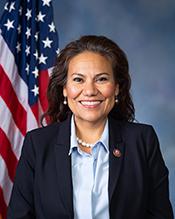
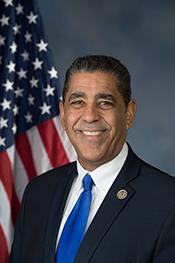
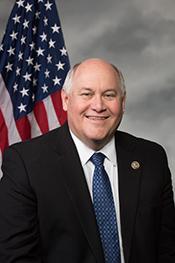
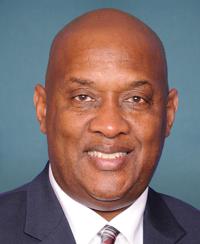
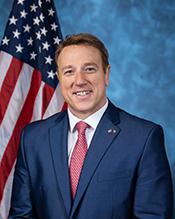
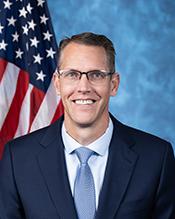
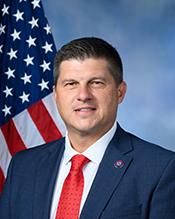
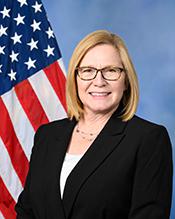
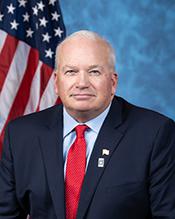
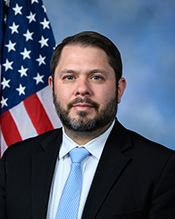
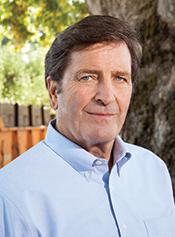
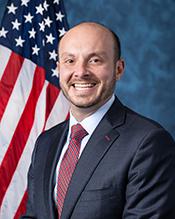
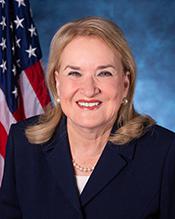
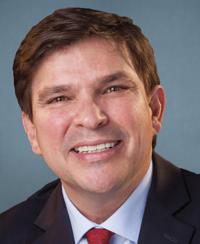
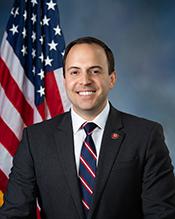
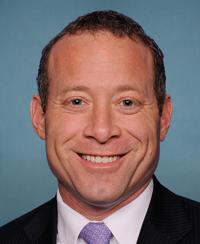
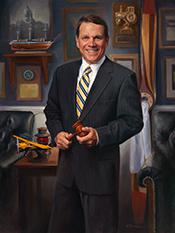
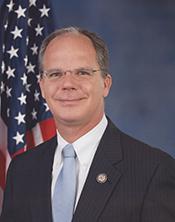
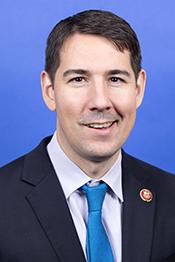
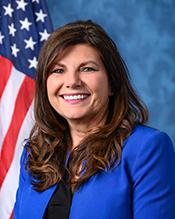
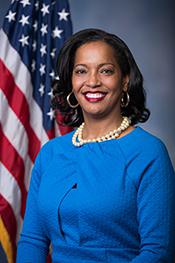


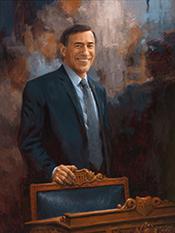
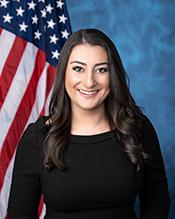
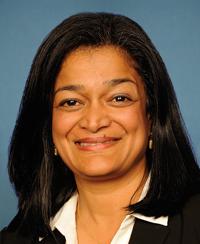
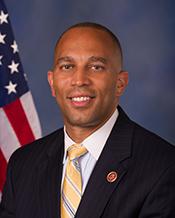
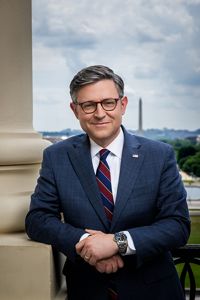
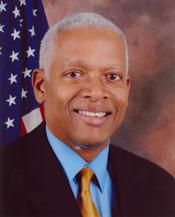
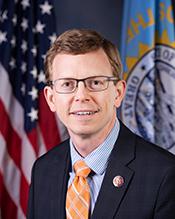
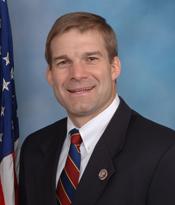
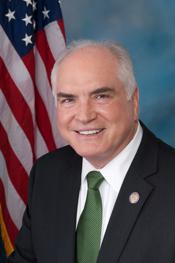
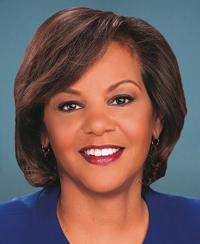
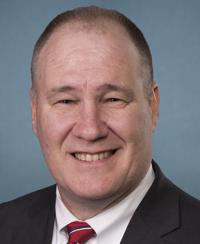
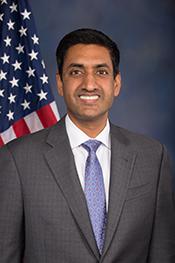
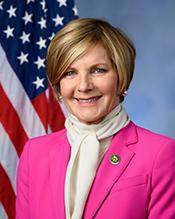
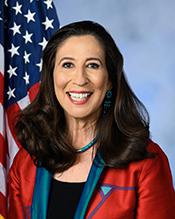

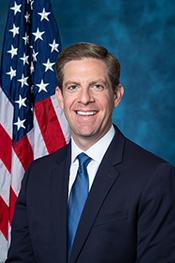
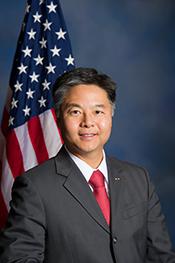
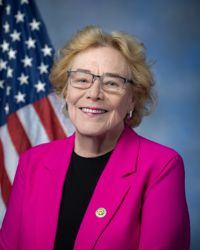
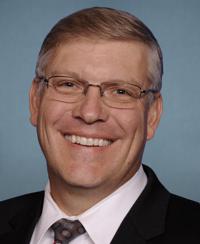
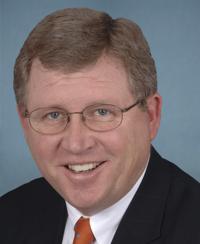

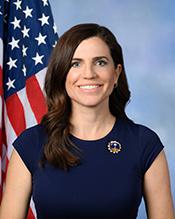
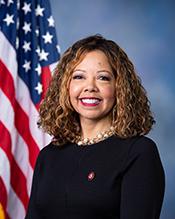
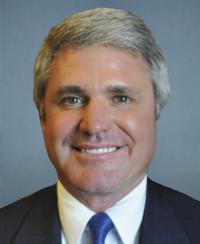
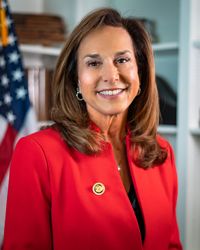
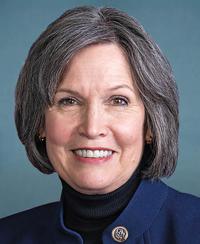
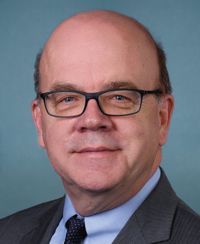
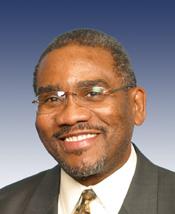
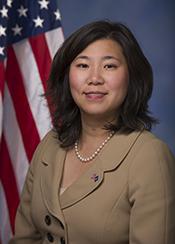
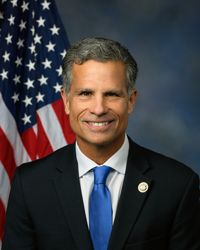


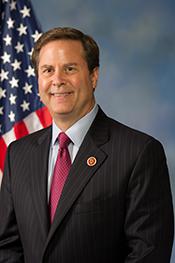
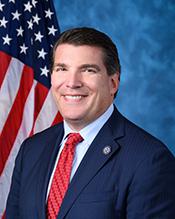
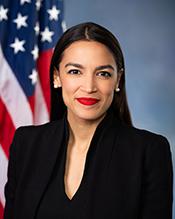

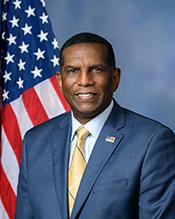
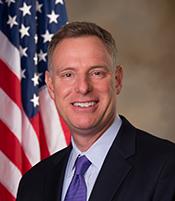
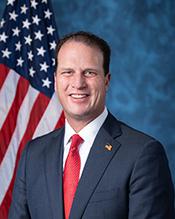
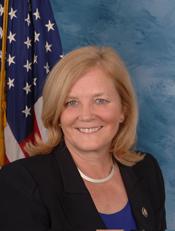
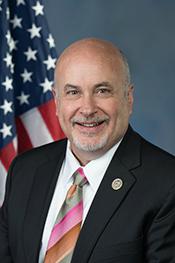
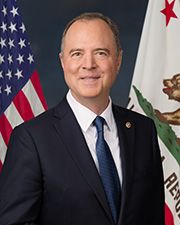
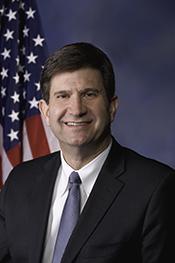
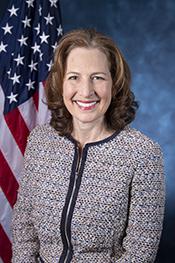
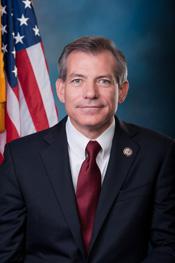
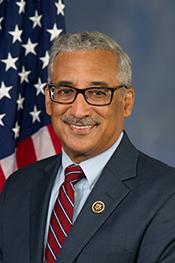
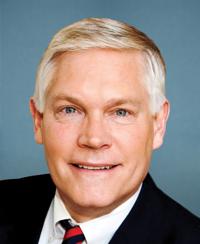
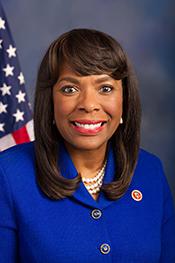
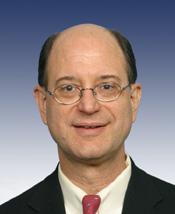
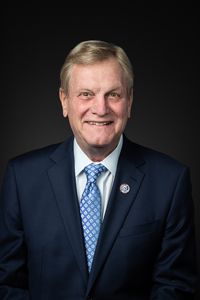
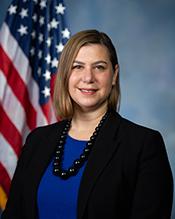
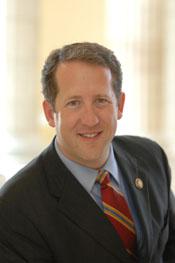
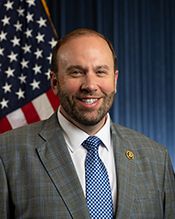

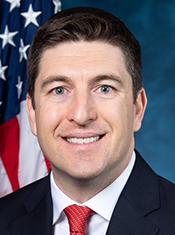
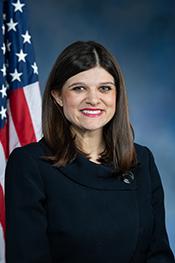
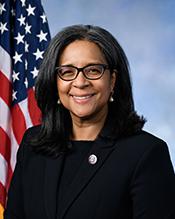
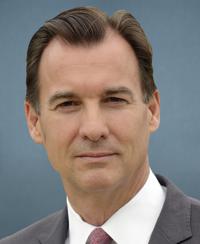
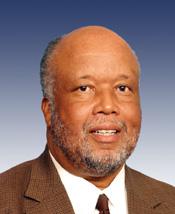
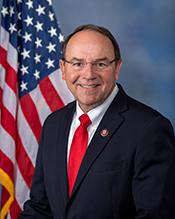
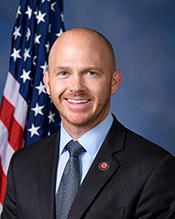

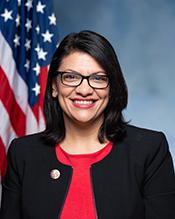

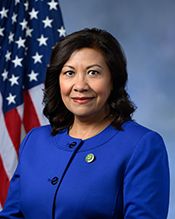
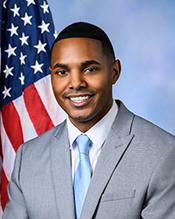
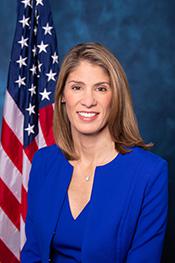
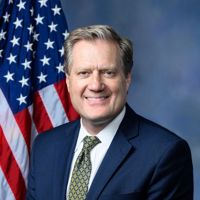


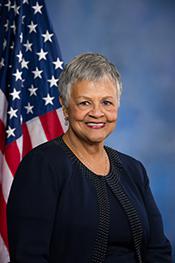
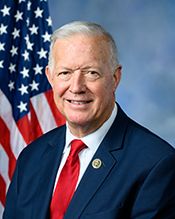
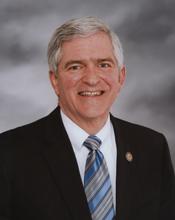
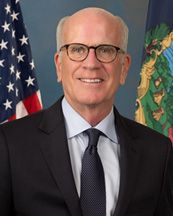
SPONSORS
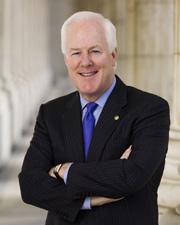
John Cornyn
R-TX · Primary
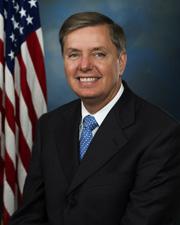
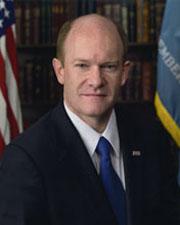
3 COSPONSORS
BIPARTISAN● 2 D● 1 R
SPONSOR FUNDING
Top industries funding Cornyn
Securities & Investment15%
Securities & Investment 15% of classified donations
Lawyers & Lobbyists11%
Lawyers & Lobbyists 11% of classified donations
Real Estate8%
Real Estate 8% of classified donations
Health Services7%
Health Services 7% of classified donations
Technology6%
Technology 6% of classified donations
TRAIL AI
The Respect for Child Survivors Act (S 4926) addresses legal protections and support for child survivors of sexual abuse. The bill was passed with 268 votes in favor and 22 opposed, with all 146 voting Democrats in support and Republicans voting 122 to 22 in favor, before being signed into law. The legislation was sponsored by Senator John Cornyn of Texas.
Based on public voting records. Does not imply causation.
TIMELINE
INTRODUCEDSep 22, 2022
PASSED SENATEDec 13, 2022
SIGNEDJan 5, 2023
DATA SOURCES
Bill data: Congress.gov · 117th–119th Congress (2021–present)
Vote records: House Clerk / Senate · 2021–present
Reflects public records. Does not imply causation.