S138-118 · 118th Congress
Signed
Signed Jul 12, 2024Promoting a Resolution to the Tibet-China Dispute Act
Promoting a Resolution to the Tibet-China Conflict Act This bill addresses issues relating to Tibet, including by establishing a statutory definition of Tibet that includes areas in Chinese provinces outside the Tibet Autonomous Region (TAR). For the purposes of U.S. policies and activities relating to Tibet, this bill defines Tibet to include the TAR and the Tibetan areas of the Qinghai, Sichuan, Gansu, and Yunnan provinces. (Generally, when China's government refers to Tibet, it means only the TAR, while Tibetan exile groups consider historical Tibet to include the TAR as well as areas in the provinces included in this bill's definition. China's government formally established the TAR in 1965.) Furthermore, the objectives of the Office of the U.S. Special Coordinator for Tibetan Issues shall include working to ensure that U.S. government statements and documents counter disinformation about Tibet by China's government and the Chinese Communist Party, including disinformation about Tibet's history and institutions. The bill also authorizes the office to take other actions to counter such disinformation. This bill also states that it is U.S. policy that the conflict between Tibet and China is unresolved and that Tibet's legal status remains to be determined in accordance with international law.
VOTE BREAKDOWN
Final passage · 365 politicians tracked
335
YEA
21
NAY
0
PRESENT
9
NOT VOTING
Dem YEA 176Ind YEA 1Rep NAY 21Rep YEA 158
BY PARTY · ✕ NAY ← | → YEA ✓
DEM
0
176
REP
21
158
IND
0
1
MONEY ON THIS BILL
Which donor industries fund each side of the vote — total contributions from that industry to those members, all cycles · plus lobbying activity in affected industries
⬆ YEA voters — top donor industries
- 1. Lawyers & Lobbyists$214.3M
- 2. Securities & Investment$153.6M
- 3. Health Services$141.2M
⬇ NAY voters — top donor industries
- 1. Health Services$2.6M
- 2. Construction & Engineering$2.4M
- 3. Agriculture$2.3M
◎ Lobbying activity by issue area
No bill-issue lobbying matches.
Dollar figures are each industry's total contributions to those members across all tracked cycles — not money given for this specific bill. Statistical patterns in public records; correlation, not causation.
LOBBYING ON THIS BILL
28 federal lobbying reports name this bill in their activity descriptions · LDA disclosures
INTERNATIONAL CAMPAIGN FOR TIBET8 reports
HOUSING POLICY COUNCIL6 reports
DISABLED AMERICAN VETERANS5 reports
BROKER ACTION COALITION4 reports
MORTGAGE BANKERS ASSOCIATION4 reports
AMERICAN FIREARMS ASSOCIATION1 report
⟳ The revolving door — lobbyists on this bill with disclosed former government roles
John NevilleAdvocacy Associate
Franz MatznerDirector of Government Relations
Naomi MathisAssistant National Legislative Director
Joseph LemayAssociate National Legislative Director
Jon RetzerDeputy National Legislative Director for Health
Peter DickinsonSenior Executive Advisor
“Covered position” is the former government job lobbyists must disclose by law (LDA §4). Prior service is stated on the filings; it carries no implication of wrongdoing. Full revolving-door board →
A report naming a bill means the organization disclosed lobbying activity on it — the disclosure does not state a position for or against.
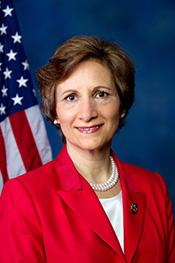
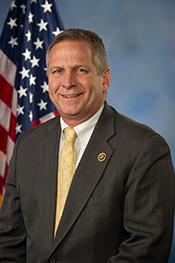
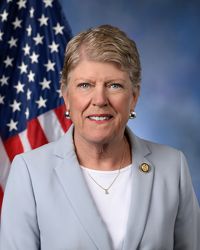
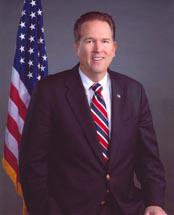
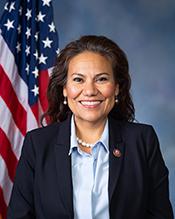
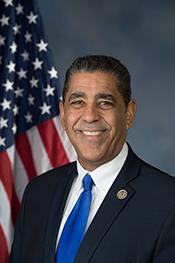
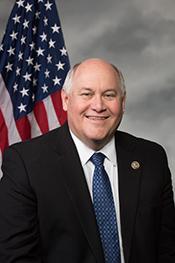
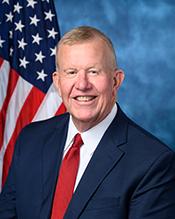
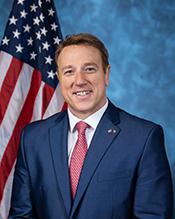
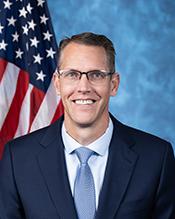
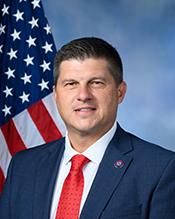
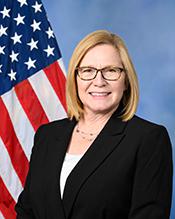
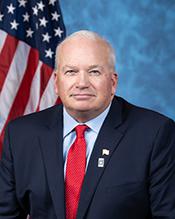
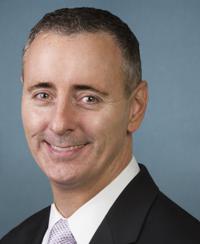
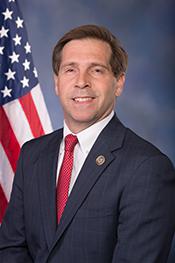
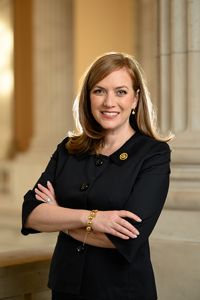
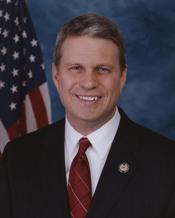
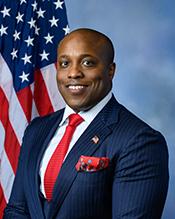
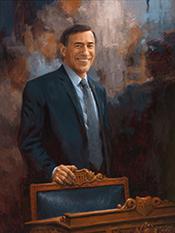
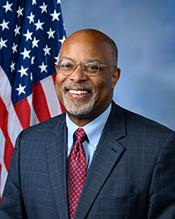
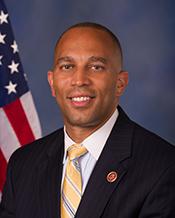
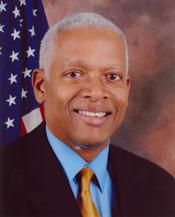
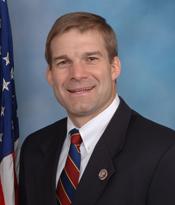
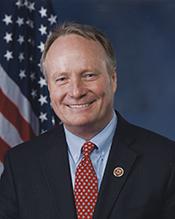
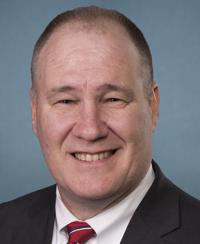
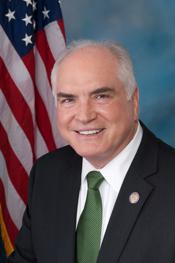
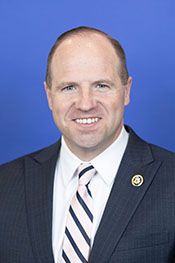
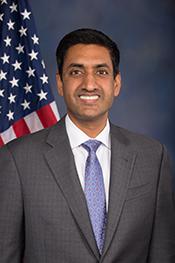
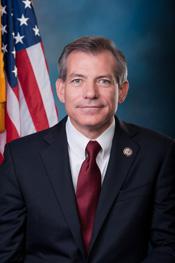
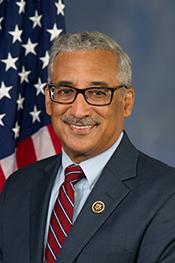
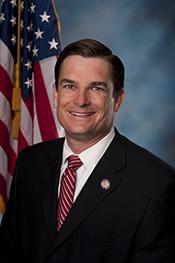
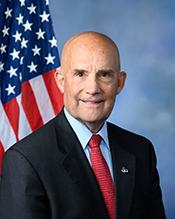
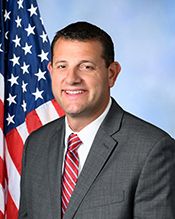
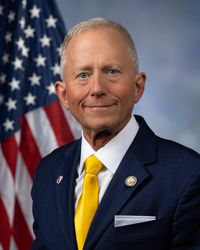
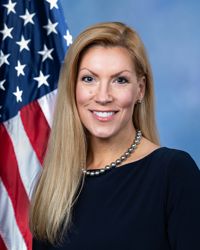
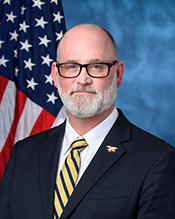
INDIVIDUAL VOTES
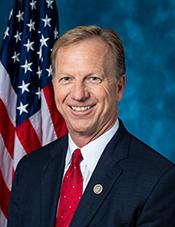
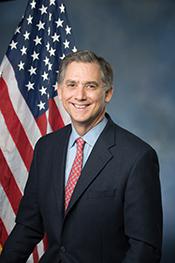
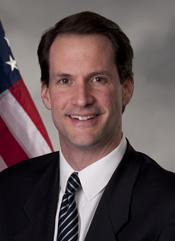
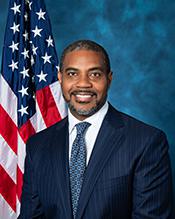
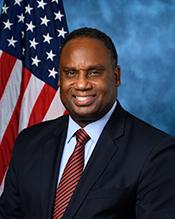
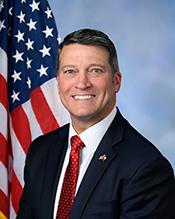
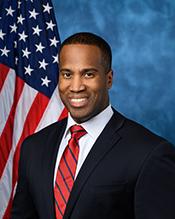
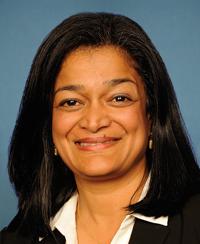
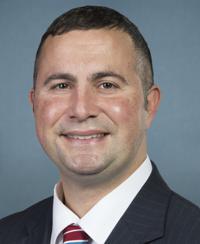
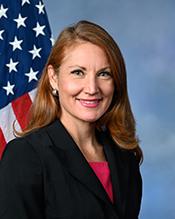
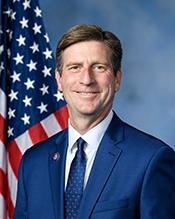
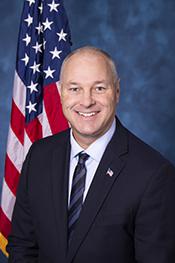
Recorded positions for tracked politicians


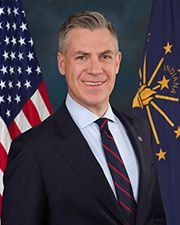
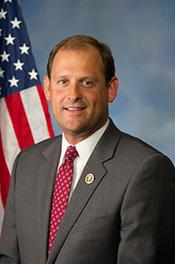

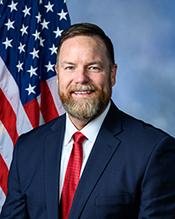
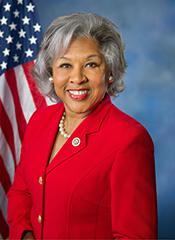
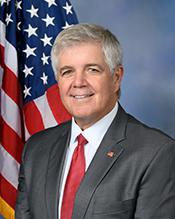
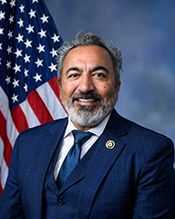
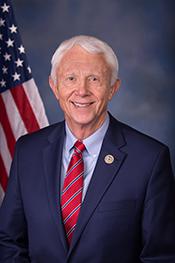
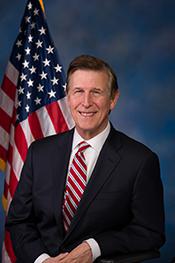


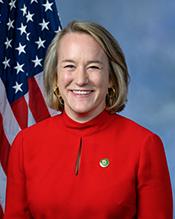
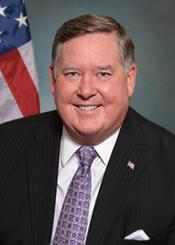

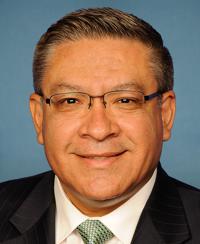

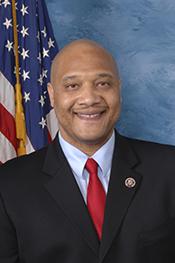





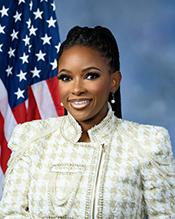

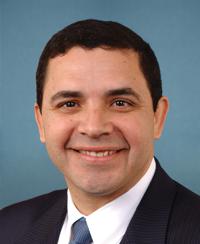
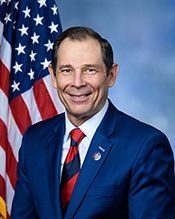
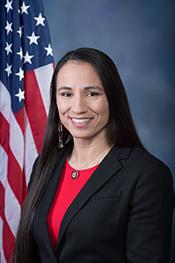



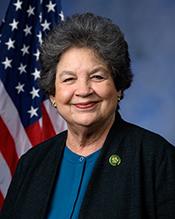
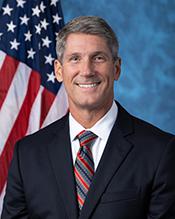

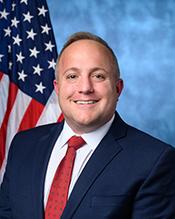
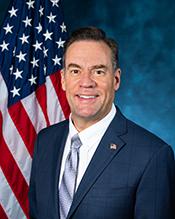
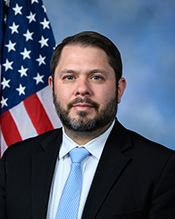
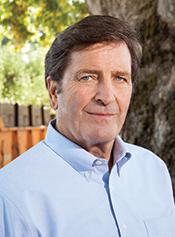
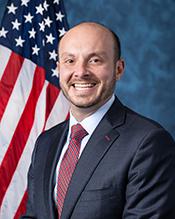
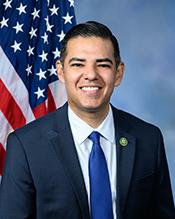
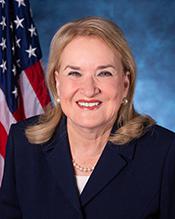
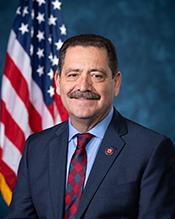
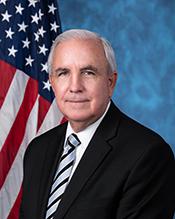
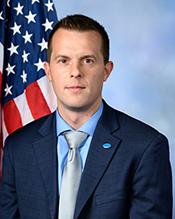

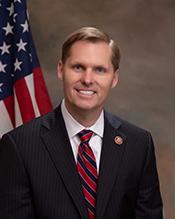
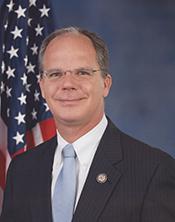
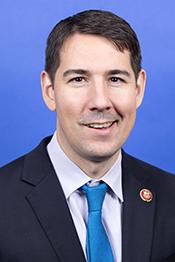
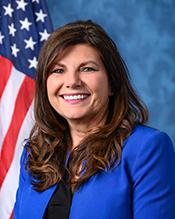









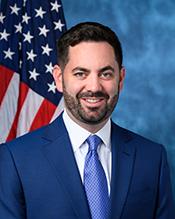

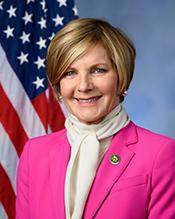
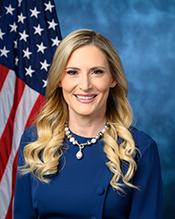
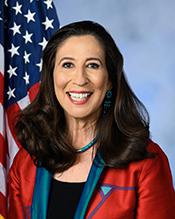






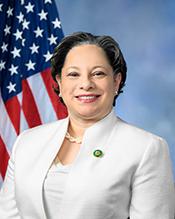
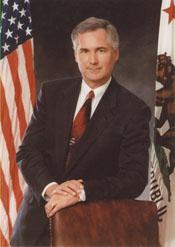
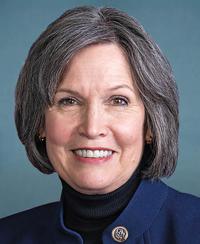
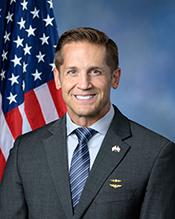
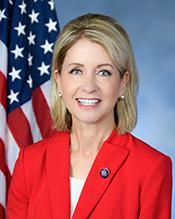
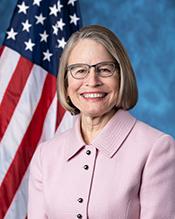
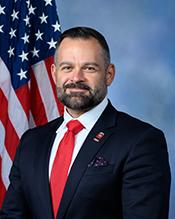
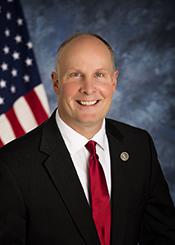
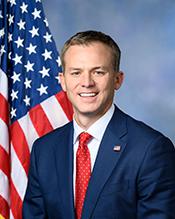
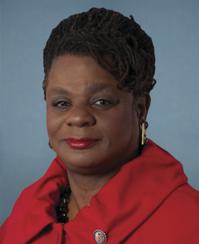
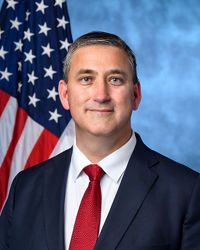


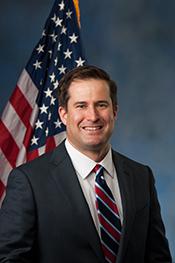

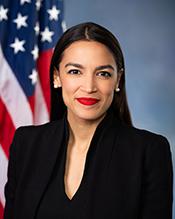

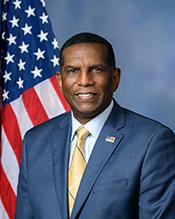
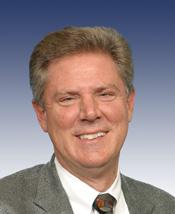
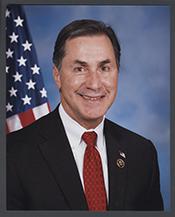

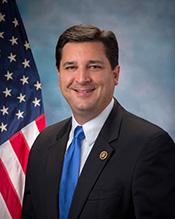
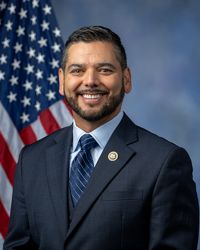
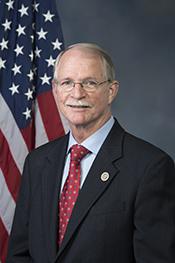
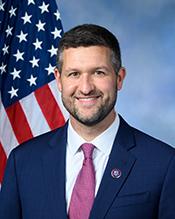



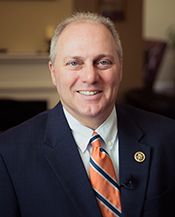


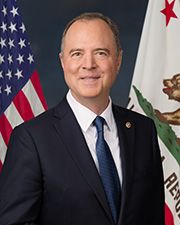
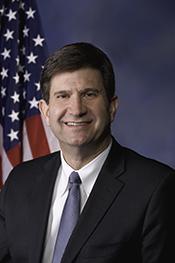

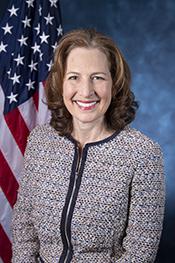
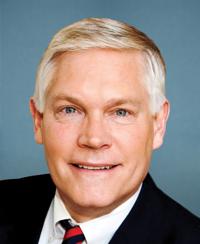
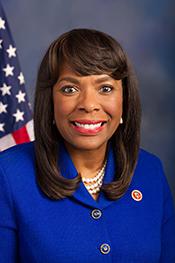
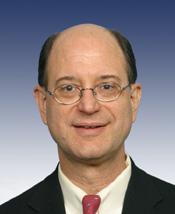

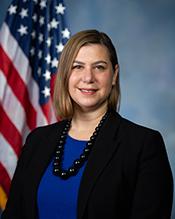


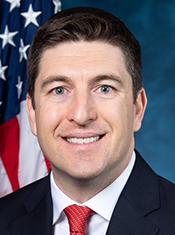
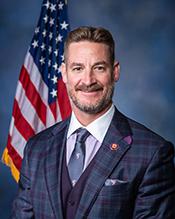
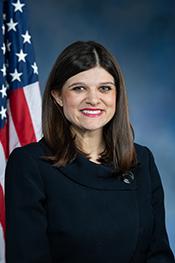
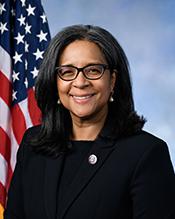

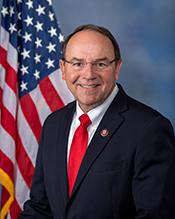
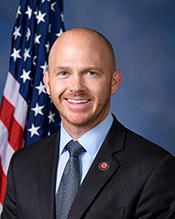

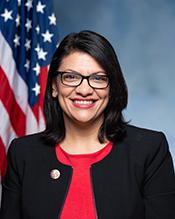
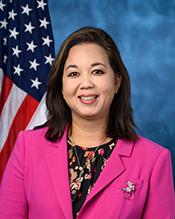

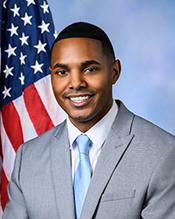
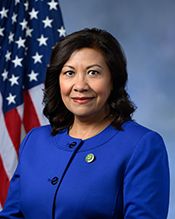
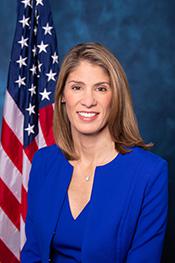
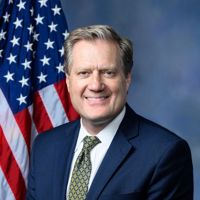



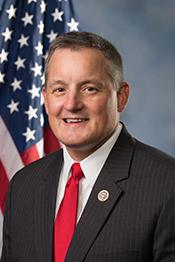
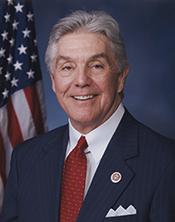
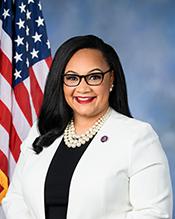
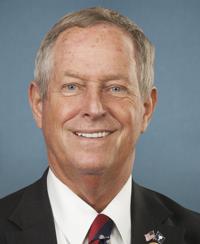
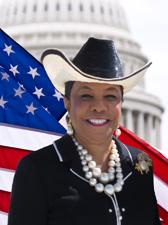
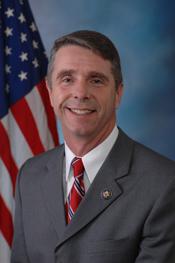
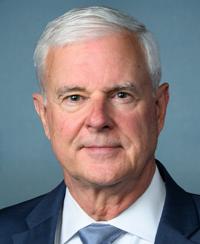

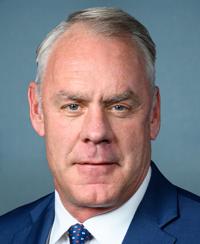
SPONSORS
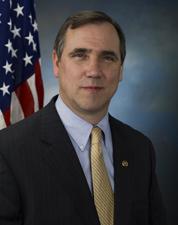
Jeff Merkley
D-OR · Primary
9 COSPONSORS
BIPARTISAN● 6 D● 3 R
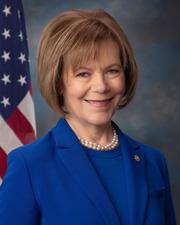
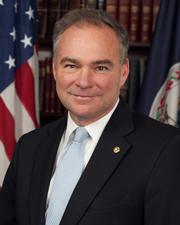
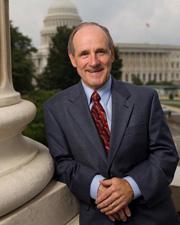
+3 more (see dot grid above)
SPONSOR FUNDING
Top industries funding Merkley
Lawyers & Lobbyists24%
Lawyers & Lobbyists 24% of classified donations
Health Services13%
Health Services 13% of classified donations
Technology9%
Technology 9% of classified donations
Education8%
Education 8% of classified donations
Labor Unions8%
Labor Unions 8% of classified donations
TRAIL AI
S 138, the Promoting a Resolution to the Tibet-China Dispute Act, addresses the dispute between Tibet and China and was signed into law during the 118th Congress. The bill passed with 335 votes in favor and 21 opposed, with all 176 voting Democrats supporting it and Republicans splitting 158 to 21 in favor. The legislation was sponsored by Senator Jeff Merkley of Oregon.
Based on public voting records. Does not imply causation.
TIMELINE
INTRODUCEDJan 30, 2023
PASSED SENATEMay 23, 2024
SIGNEDJul 12, 2024
DATA SOURCES
Bill data: Congress.gov · 117th–119th Congress (2021–present)
Vote records: House Clerk / Senate · 2021–present
Reflects public records. Does not imply causation.