S3662-117 · 117th Congress
Signed
Signed Dec 20, 2022Preventing PFAS Runoff at Airports Act
Preventing PFAS Runoff at Airports Act This bill temporarily allows the Federal Aviation Administration to cover 100% of the costs for airports to purchase and deploy equipment to test fire suppression systems that contain perfluoroalkyl and polyfluoroalkyl substances (PFAS) without discharging such substances. (PFAS are manmade substances and may have adverse human health effects.)
VOTE BREAKDOWN
Final passage · 296 politicians tracked
260
YEA
32
NAY
0
PRESENT
4
NOT VOTING
Dem YEA 142Rep NAY 32Rep YEA 118
BY PARTY · ✕ NAY ← | → YEA ✓
DEM
0
142
REP
32
118
MONEY ON THIS BILL
Which donor industries fund each side of the vote — total contributions from that industry to those members, all cycles · plus lobbying activity in affected industries
⬆ YEA voters — top donor industries
- 1. Lawyers & Lobbyists$168.2M
- 2. Securities & Investment$121.7M
- 3. Health Services$118.0M
⬇ NAY voters — top donor industries
- 1. Lawyers & Lobbyists$6.6M
- 2. Health Services$5.9M
- 3. Construction & Engineering$4.2M
◎ Lobbying activity by issue area
- defense1,000 filings
Dollar figures are each industry's total contributions to those members across all tracked cycles — not money given for this specific bill. Statistical patterns in public records; correlation, not causation.
INDIVIDUAL VOTES
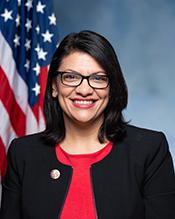
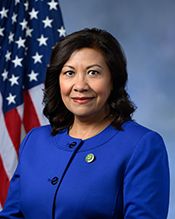
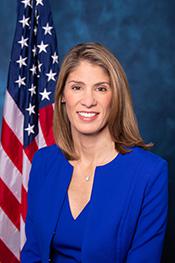
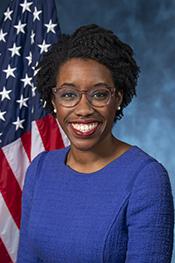
Recorded positions for tracked politicians
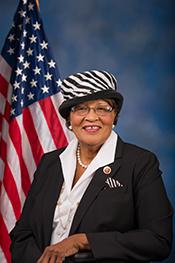

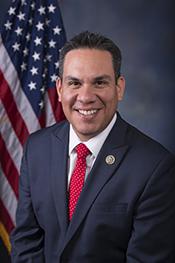
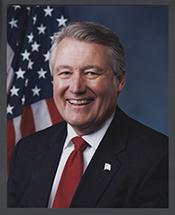
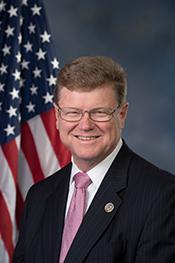
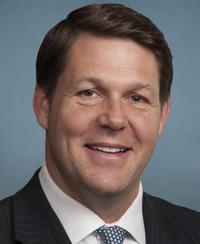
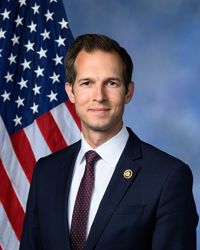

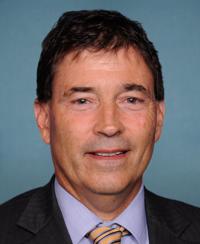
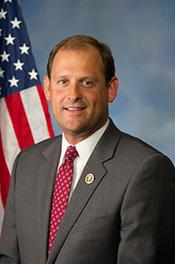

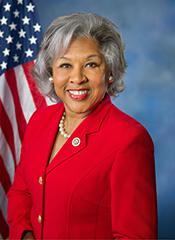
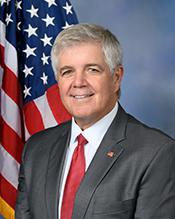
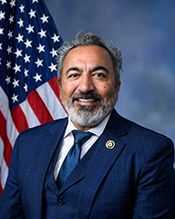
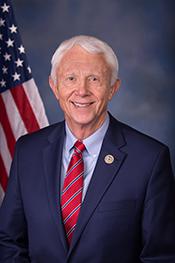
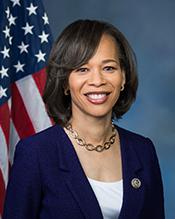
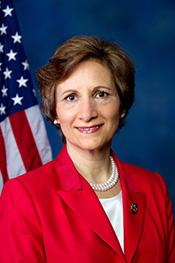
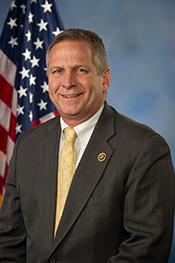

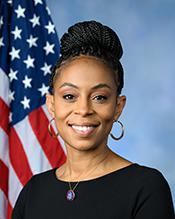
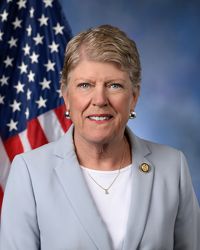
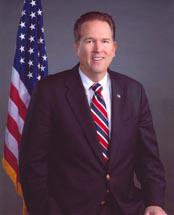
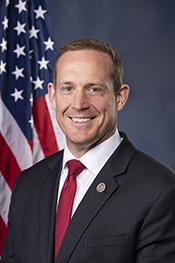
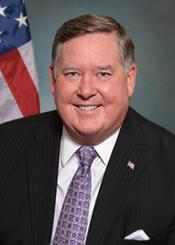
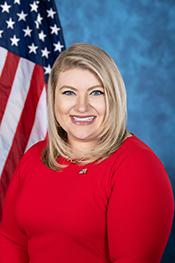
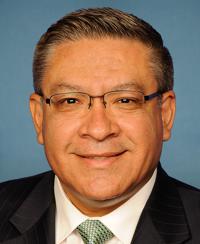

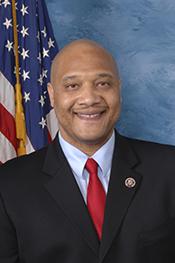
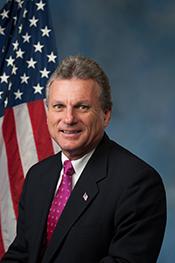
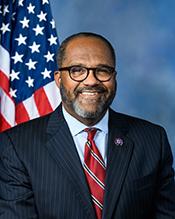
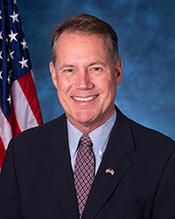
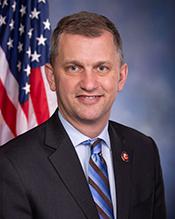


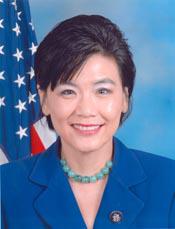

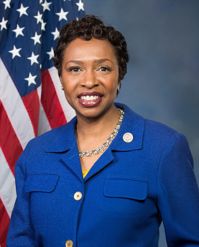
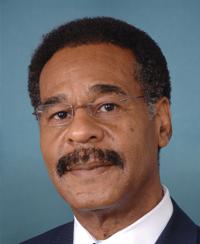


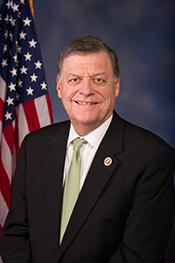
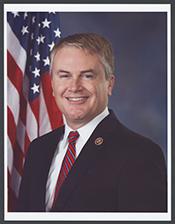




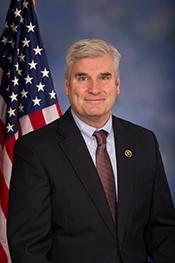
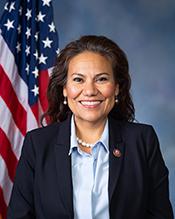
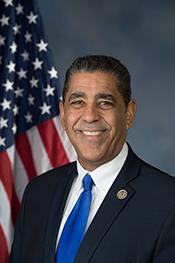
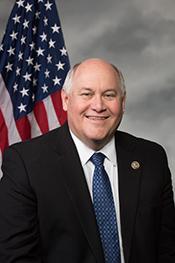
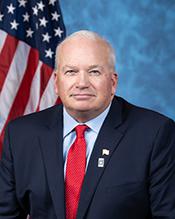
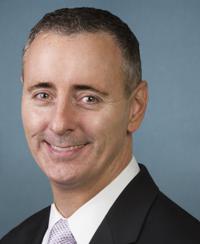
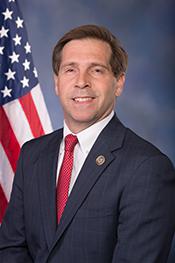

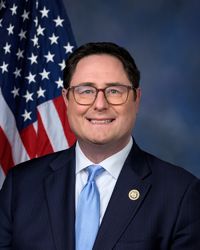

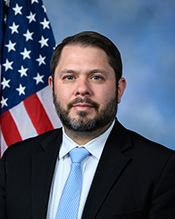
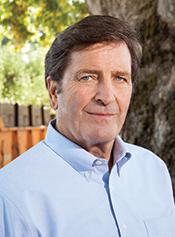
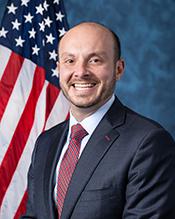
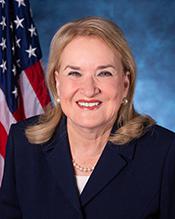

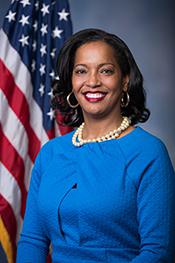
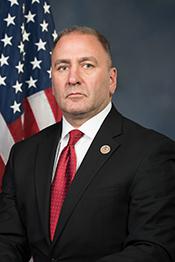
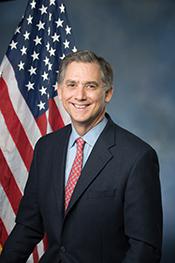
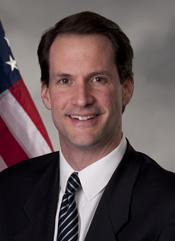

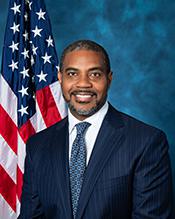

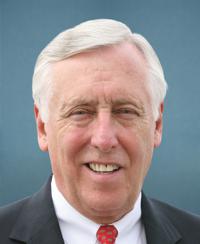
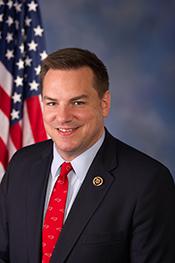
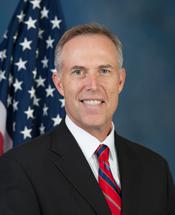
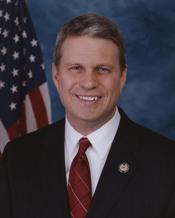

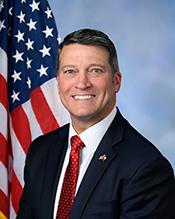
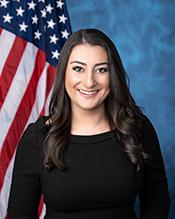

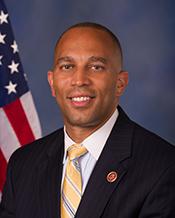


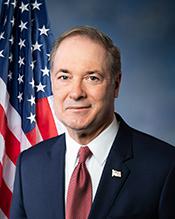
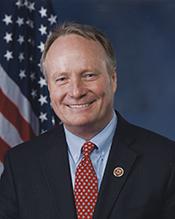

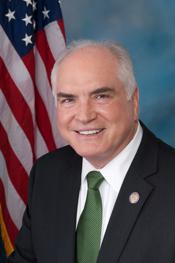


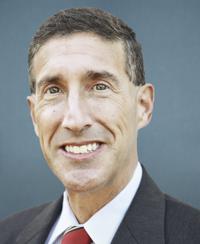
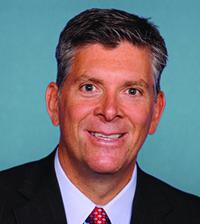
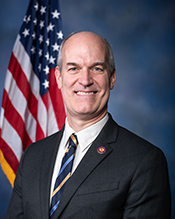
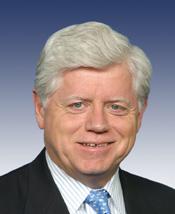

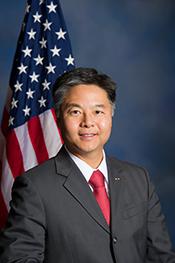

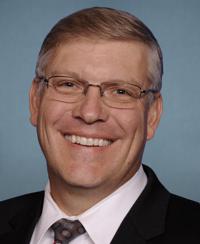
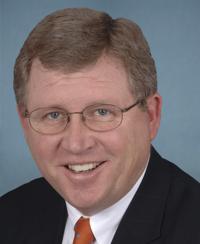

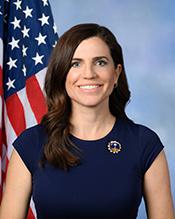
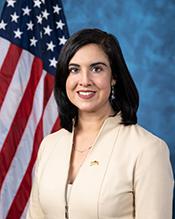
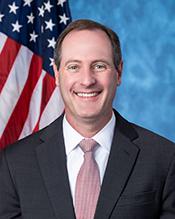
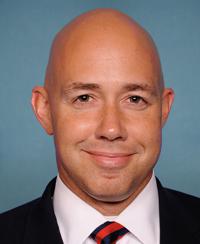

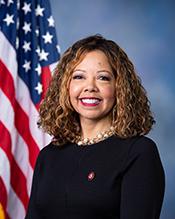




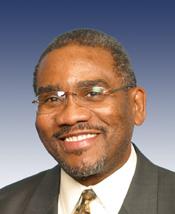

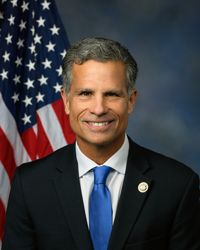
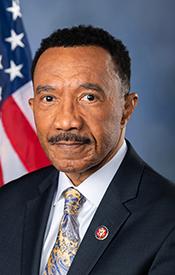
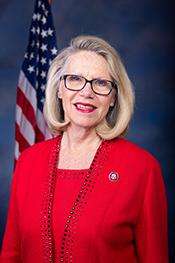


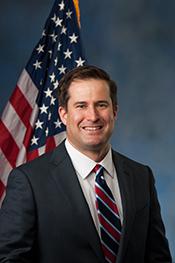
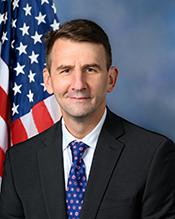
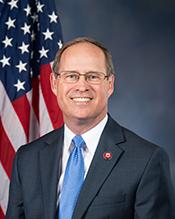
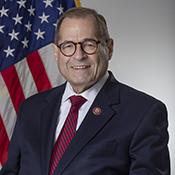




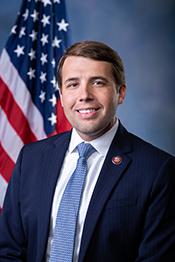
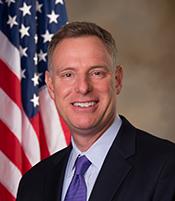
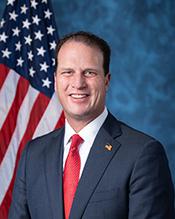
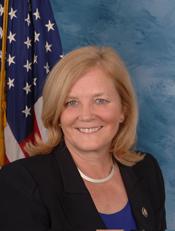
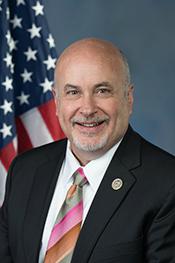
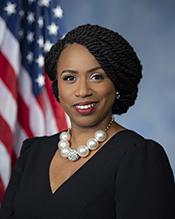
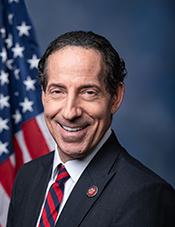
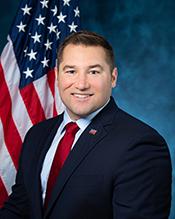
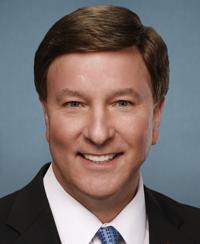
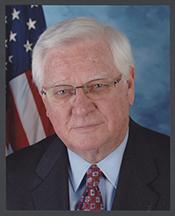
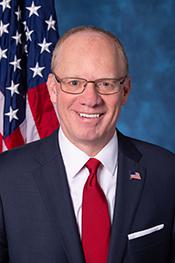
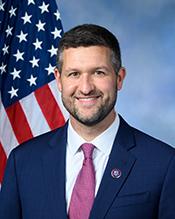


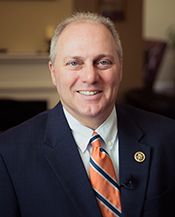


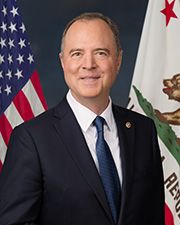
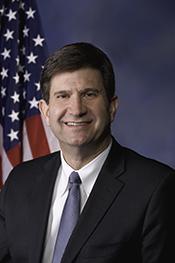
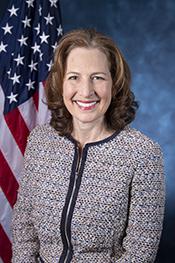
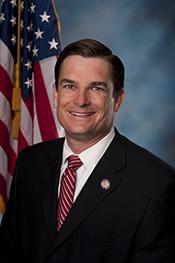
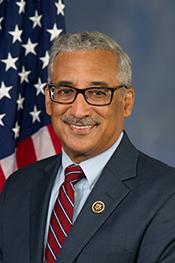
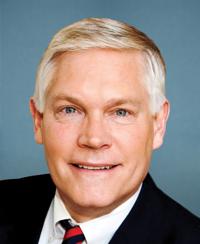
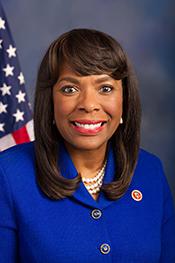
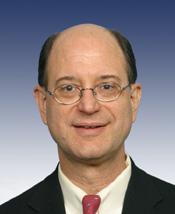

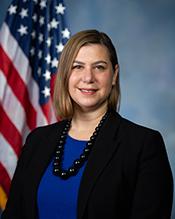
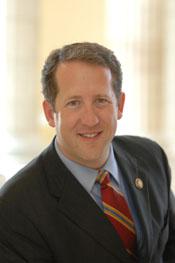


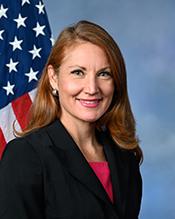
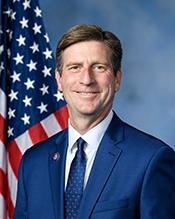
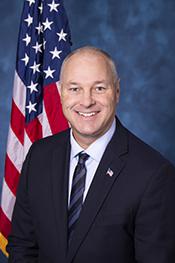

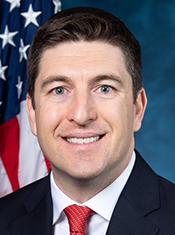
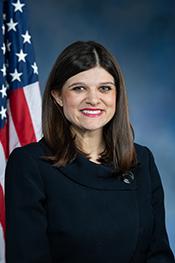
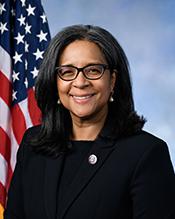
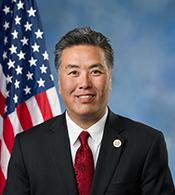
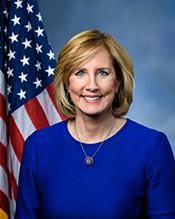
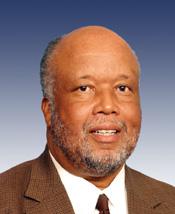
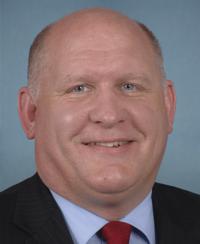
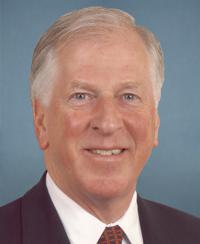
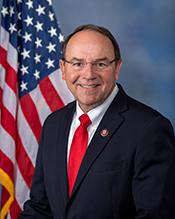




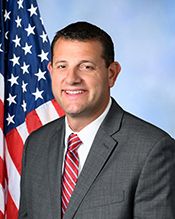
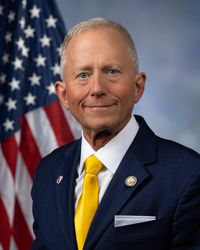
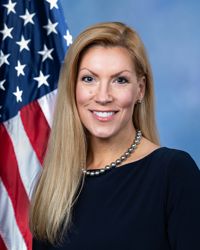
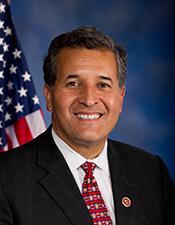
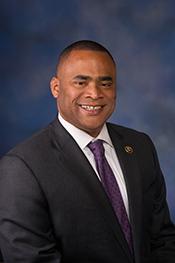

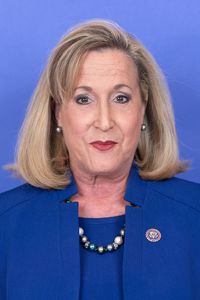
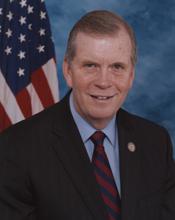
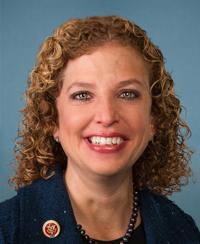

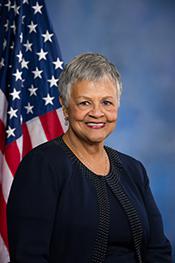
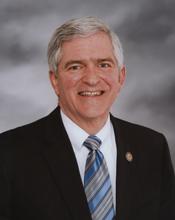
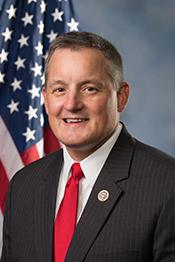
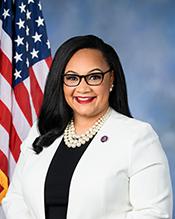
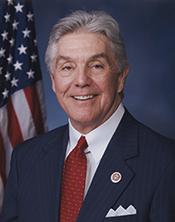
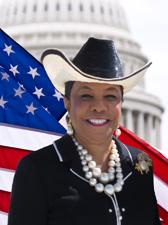
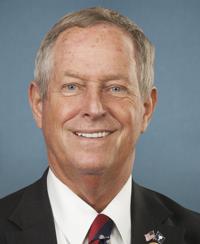
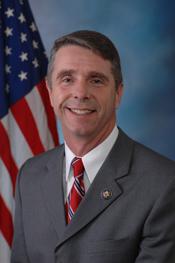
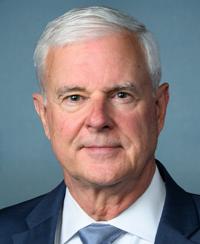
SPONSORS
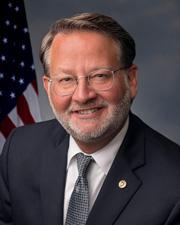
Gary C. Peters
D-MI · Primary
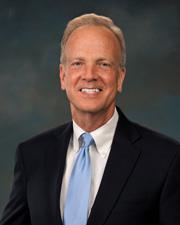
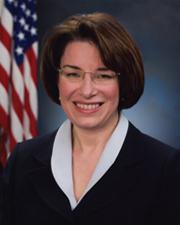
5 COSPONSORS
BIPARTISAN● 2 D● 3 R



SPONSOR FUNDING
Top industries funding Peters
Lawyers & Lobbyists21%
Lawyers & Lobbyists 21% of classified donations
Health Services9%
Health Services 9% of classified donations
Securities & Investment9%
Securities & Investment 9% of classified donations
Technology7%
Technology 7% of classified donations
Insurance5%
Insurance 5% of classified donations
TRAIL AI
The Preventing PFAS Runoff at Airports Act (S 3662) addresses the management and containment of per- and polyfluoroalkyl substances (PFAS) at airport facilities to limit environmental contamination. The bill was signed into law during the 117th Congress with bipartisan support, receiving 260 votes in favor and 31 against, with all 142 voting Democrats in support and Republicans splitting 118 to 31 in favor.
Based on public voting records. Does not imply causation.
TIMELINE
INTRODUCEDFeb 16, 2022
PASSED SENATESep 6, 2022
SIGNEDDec 20, 2022
DATA SOURCES
Bill data: Congress.gov · 117th–119th Congress (2021–present)
Vote records: House Clerk / Senate · 2021–present
Reflects public records. Does not imply causation.