S3905-117 · 117th Congress
Signed
Signed Dec 27, 2022Preventing Organizational Conflicts of Interest in Federal Acquisition Act
Preventing Organizational Conflicts of Interest in Federal Acquisition Act This bill addresses conflicts of interest in federal acquisitions. Specifically, the bill directs the Federal Acquisition Regulatory Council to (1) identify contracting methods, types, and services that raise heightened concerns for potential organizational conflicts of interest beyond those currently addressed in the Federal Acquisition Regulation (FAR); and (2) revise the FAR to address organizational conflicts of interest and require executive agencies to take certain actions. The council must revise the FAR to provide and update definitions related to organizational conflicts of interest, to include specified contractor relationships; provide executive agencies with solicitation and contract provisions that require contractors to disclose information relevant to potential organizational conflicts of interest and limit future contracting with respect to potential conflicts; and require executive agencies to establish or update agency conflict of interest procedures to implement these FAR revisions and address agency-specific conflict of interest issues.
VOTE BREAKDOWN
Final passage · 297 politicians tracked
147
YEA
148
NAY
0
PRESENT
2
NOT VOTING
Dem YEA 145Rep NAY 148Rep YEA 2
BY PARTY · ✕ NAY ← | → YEA ✓
DEM
0
145
REP
148
2
MONEY ON THIS BILL
Which donor industries fund each side of the vote — total contributions from that industry to those members, all cycles · plus lobbying activity in affected industries
⬆ YEA voters — top donor industries
- 1. Lawyers & Lobbyists$116.2M
- 2. Securities & Investment$78.9M
- 3. Health Services$73.1M
⬇ NAY voters — top donor industries
- 1. Lawyers & Lobbyists$60.7M
- 2. Health Services$51.8M
- 3. Securities & Investment$47.9M
◎ Lobbying activity by issue area
No bill-issue lobbying matches.
Dollar figures are each industry's total contributions to those members across all tracked cycles — not money given for this specific bill. Statistical patterns in public records; correlation, not causation.
LOBBYING ON THIS BILL
8 federal lobbying reports name this bill in their activity descriptions · LDA disclosures
NISKANEN CENTER FOR PUBLIC POLICY4 reports
UP FOR GROWTH ACTION INC3 reports
AICPA1 report
⟳ The revolving door — lobbyists on this bill with disclosed former government roles
Martha MillerDeputy Director of Scheduling, Sen. Ted Cruz (TX), 2019-2020; Scheduler, Rep. Warren Davidson (OH-08), 2020-2022.
“Covered position” is the former government job lobbyists must disclose by law (LDA §4). Prior service is stated on the filings; it carries no implication of wrongdoing. Full revolving-door board →
A report naming a bill means the organization disclosed lobbying activity on it — the disclosure does not state a position for or against.
INDIVIDUAL VOTES
Recorded positions for tracked politicians
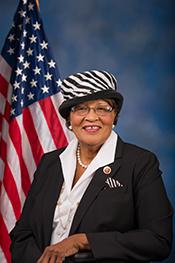
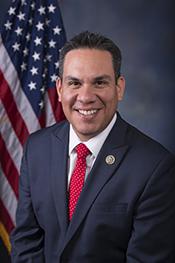
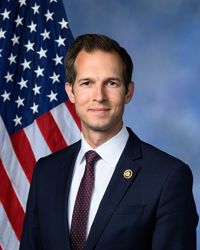

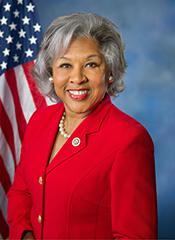

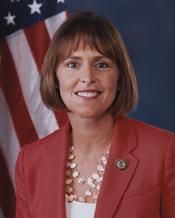

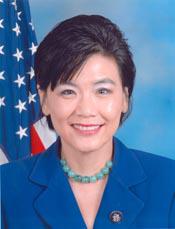

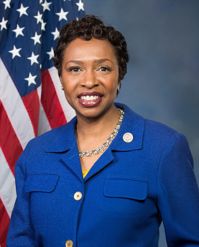
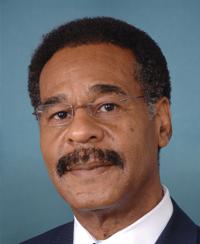
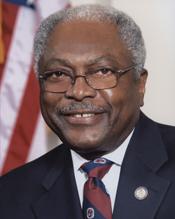
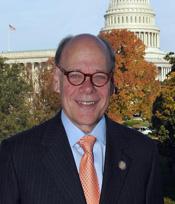
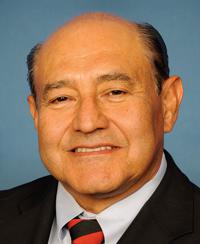
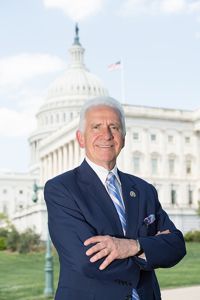

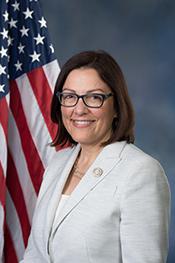
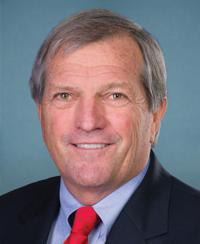
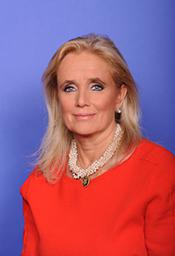
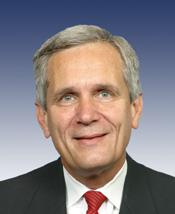
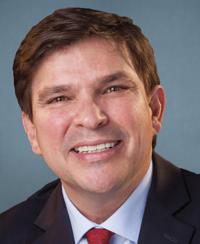
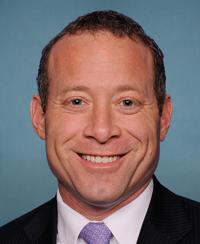
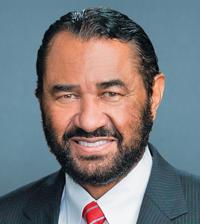
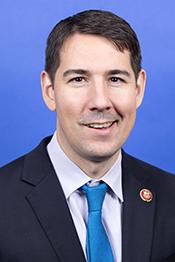



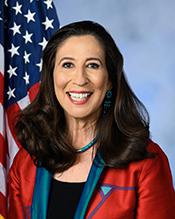
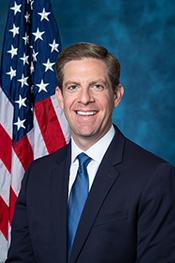
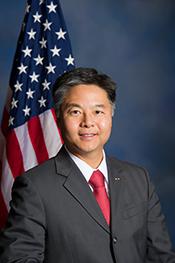
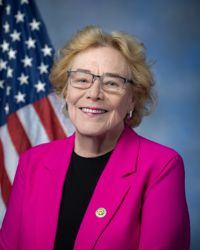


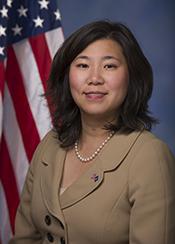
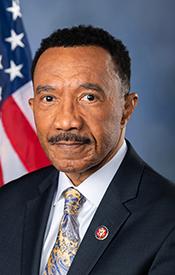
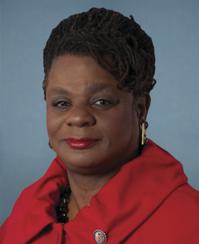

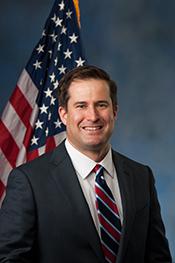

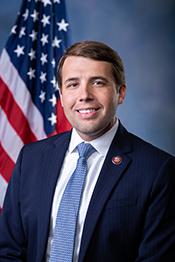
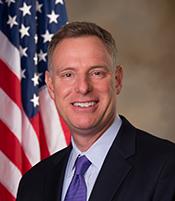
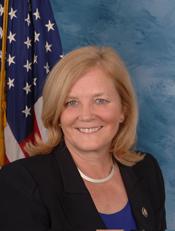
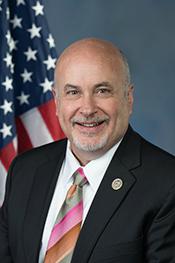
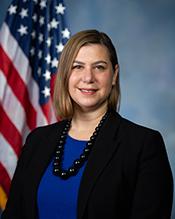
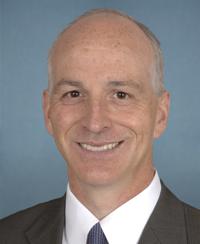
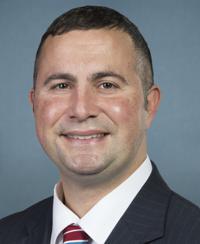
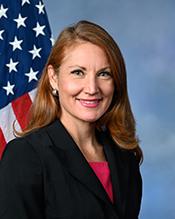
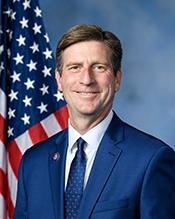
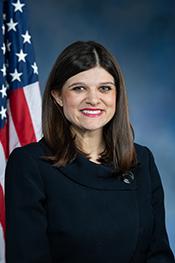
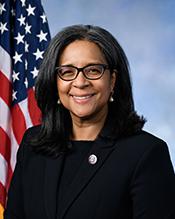
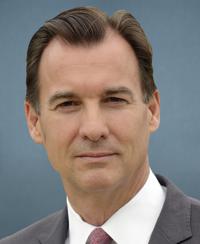
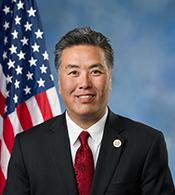
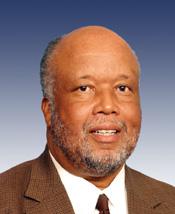
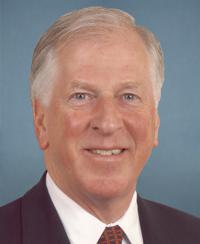

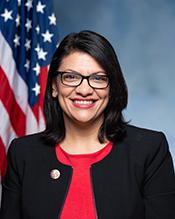

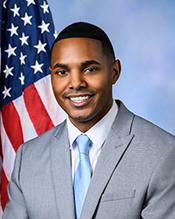
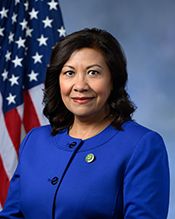
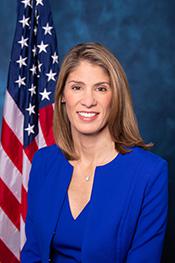
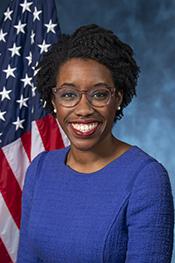


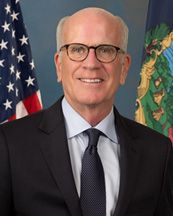
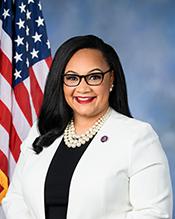
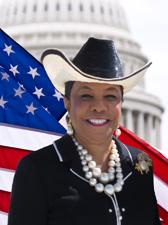
SPONSORS
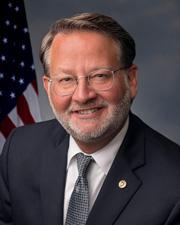
Gary C. Peters
D-MI · Primary
3 COSPONSORS
BIPARTISAN● 1 D● 2 R
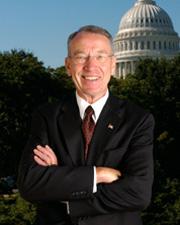
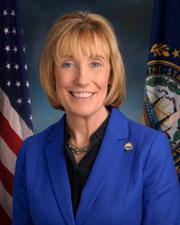
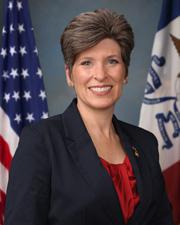
SPONSOR FUNDING
Top industries funding Peters
Lawyers & Lobbyists22%
Lawyers & Lobbyists 22% of classified donations
Health Services9%
Health Services 9% of classified donations
Securities & Investment8%
Securities & Investment 8% of classified donations
Technology7%
Technology 7% of classified donations
Insurance5%
Insurance 5% of classified donations
TRAIL AI
S 3905, the Preventing Organizational Conflicts of Interest in Federal Acquisition Act, addresses restrictions on federal contractors to prevent conflicts of interest during the government procurement process. The bill passed the House with a 147-147 tie that was broken in favor of passage, with Democrats voting unanimously in support and Republicans voting almost entirely in opposition, with two Republican exceptions. The measure was signed into law during the 117th Congress.
Based on public voting records. Does not imply causation.
TIMELINE
INTRODUCEDMar 23, 2022
PASSED SENATEAug 1, 2022
SIGNEDDec 27, 2022
DATA SOURCES
Bill data: Congress.gov · 117th–119th Congress (2021–present)
Vote records: House Clerk / Senate · 2021–present
Reflects public records. Does not imply causation.