HR5796-117 · 117th Congress
Signed
Signed Dec 20, 2022Patents for Humanity Act of 2022
Patents for Humanity Act of 2021 This bill provides statutory authority for a program to award certificates that may be used to accelerate certain proceedings and applications at the U.S. Patent and Trademark Office (PTO). The program established under this bill shall be treated as the successor to the existing Patents for Humanity program. Under this bill, the PTO must hold a competition at least once every two years to award certificates to eligible entities that submit a patent application that addresses a humanitarian issue.
VOTE BREAKDOWN
Final passage · 297 politicians tracked
275
YEA
18
NAY
0
PRESENT
4
NOT VOTING
Dem YEA 145Rep NAY 18Rep YEA 130
BY PARTY · ✕ NAY ← | → YEA ✓
DEM
0
145
REP
18
130
MONEY ON THIS BILL
Which donor industries fund each side of the vote — total contributions from that industry to those members, all cycles · plus lobbying activity in affected industries
⬆ YEA voters — top donor industries
- 1. Lawyers & Lobbyists$174.3M
- 2. Securities & Investment$126.1M
- 3. Health Services$122.0M
⬇ NAY voters — top donor industries
- 1. Health Services$3.5M
- 2. Lawyers & Lobbyists$3.1M
- 3. Securities & Investment$1.9M
◎ Lobbying activity by issue area
No bill-issue lobbying matches.
Dollar figures are each industry's total contributions to those members across all tracked cycles — not money given for this specific bill. Statistical patterns in public records; correlation, not causation.
LOBBYING ON THIS BILL
43 federal lobbying reports name this bill in their activity descriptions · LDA disclosures
AMERICAN HEALTH CARE ASSOCIATION5 reports
ADVION (FORMERLY NATIONAL ASSOCIATION FOR THE SUPPORT OF LONG TERM CARE)5 reports
SERVICE EMPLOYEES INTERNATIONAL UNION CTW-CLC5 reports
DIRECT SUPPLY, INC.5 reports
LEADINGAGE (FKA AMER. ASSOC. OF HOMES AND SERVICES FOR THE AGING)5 reports
CATHOLIC HEALTH ASSOCIATION OF THE UNITED STATES4 reports
AMERICAN FEDERATION OF STATE COUNTY AND MUNICIPAL EMPLOYEES4 reports
BIOTECHNOLOGY INNOVATION ORGANIZATION3 reports
⟳ The revolving door — lobbyists on this bill with disclosed former government roles
Cynthia MortonExecutive Vice President
Carmen WitskenManager of Legislative and Regulatory Affairs
“Covered position” is the former government job lobbyists must disclose by law (LDA §4). Prior service is stated on the filings; it carries no implication of wrongdoing. Full revolving-door board →
A report naming a bill means the organization disclosed lobbying activity on it — the disclosure does not state a position for or against.
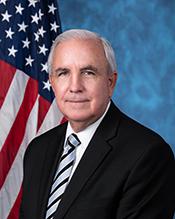
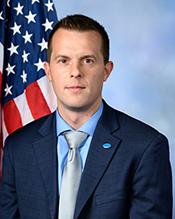
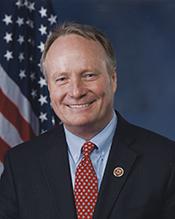
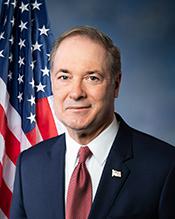
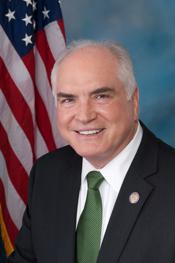
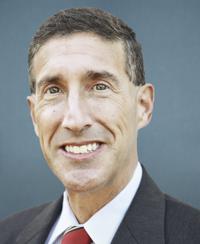
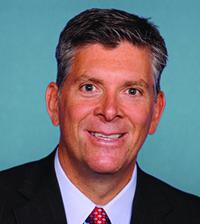
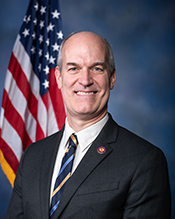
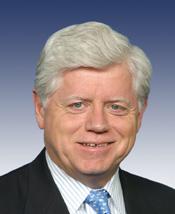
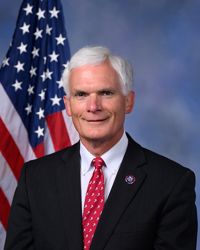
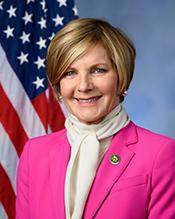
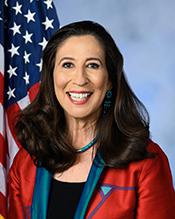
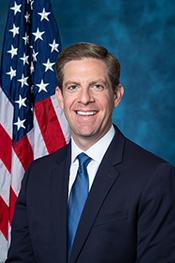
INDIVIDUAL VOTES
Recorded positions for tracked politicians



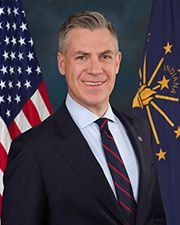
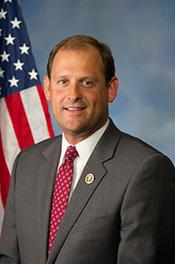

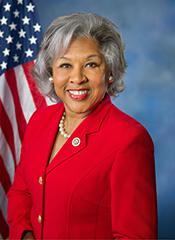
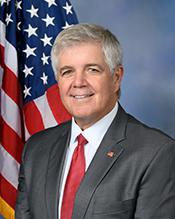
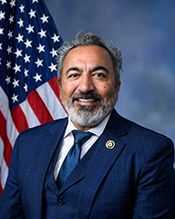
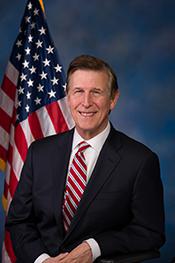
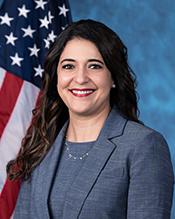
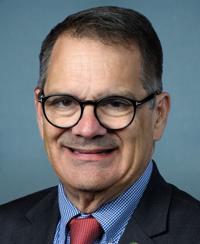
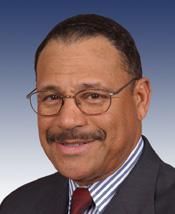
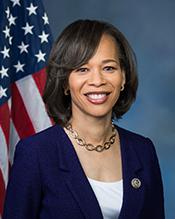

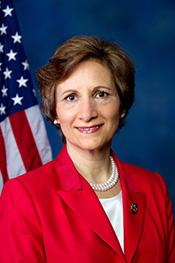
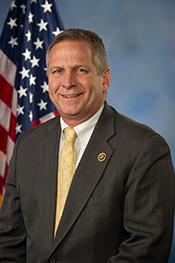

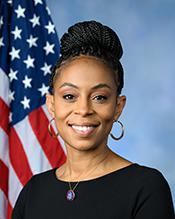
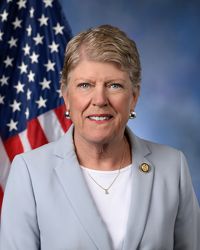
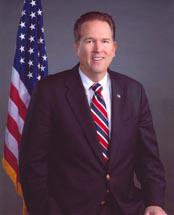
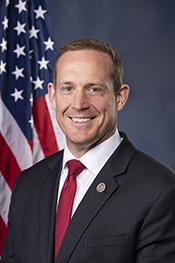
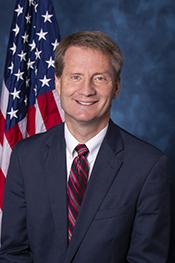
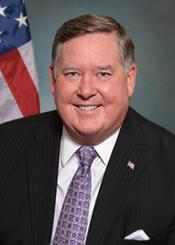
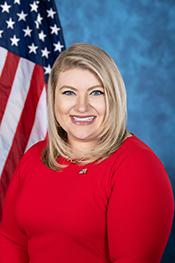
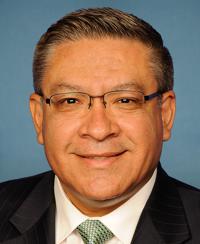

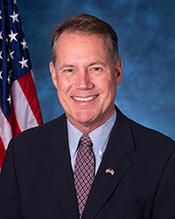
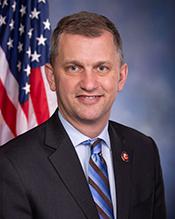
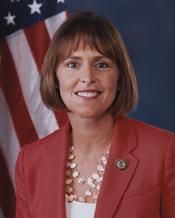

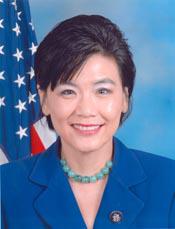





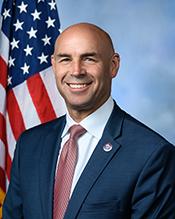
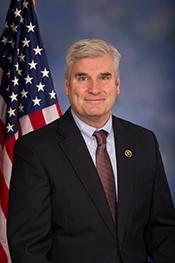
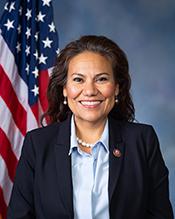
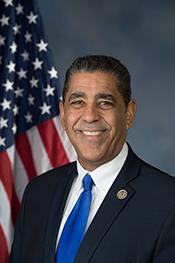
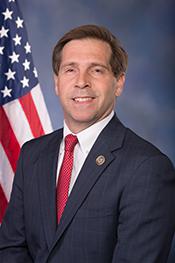
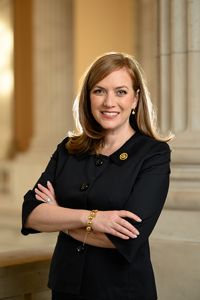
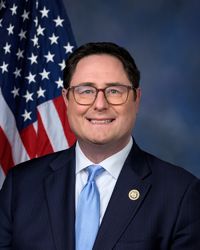
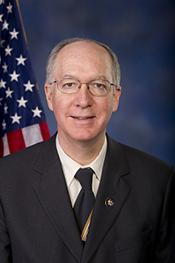

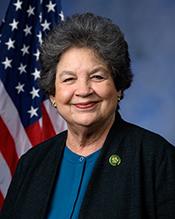
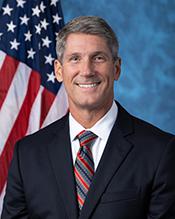
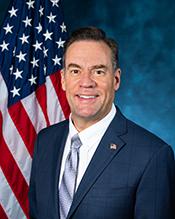
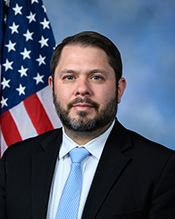
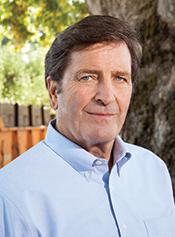
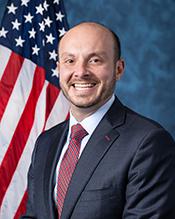
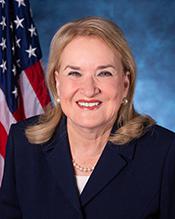
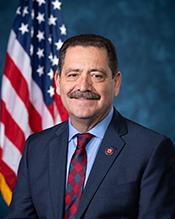
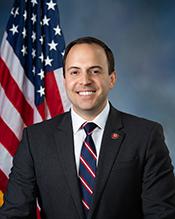
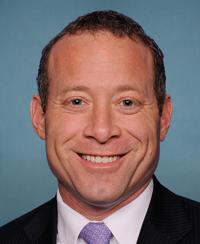

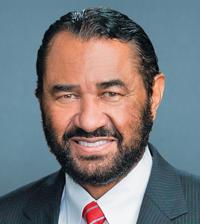
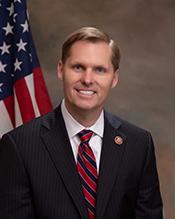
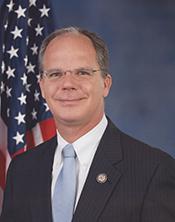
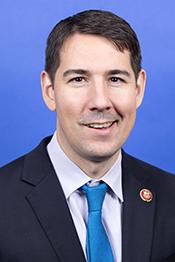
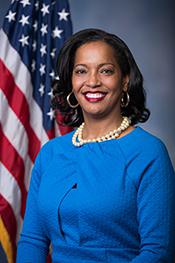
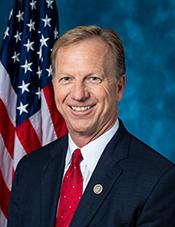











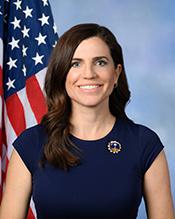
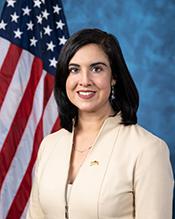
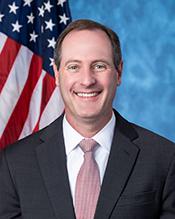

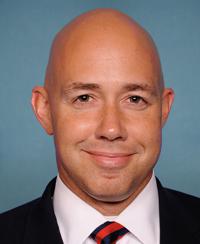

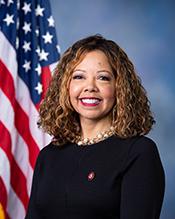

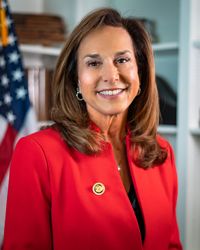


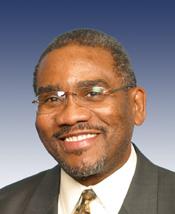
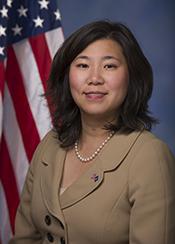

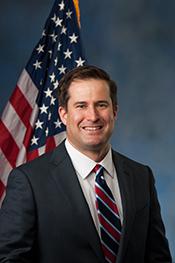
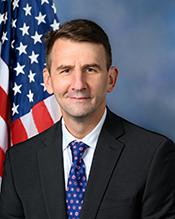
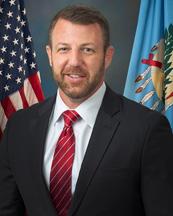
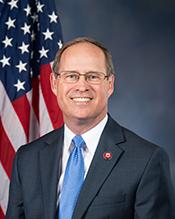
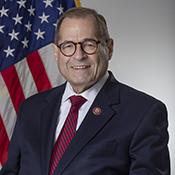
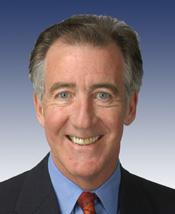

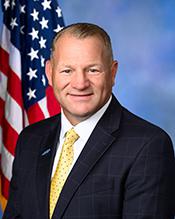

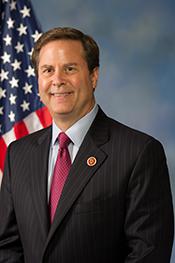



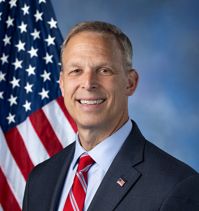
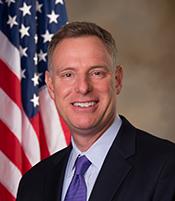
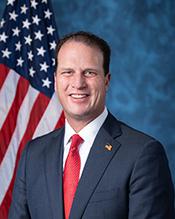
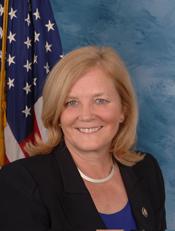
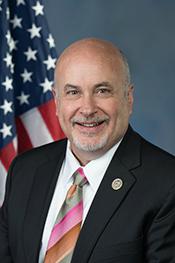
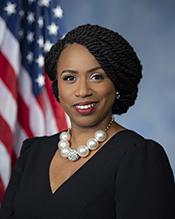
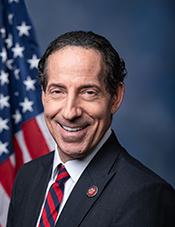
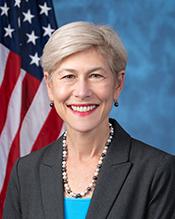
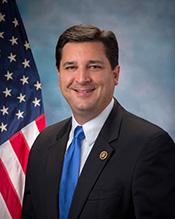
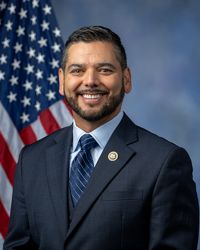
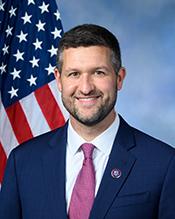




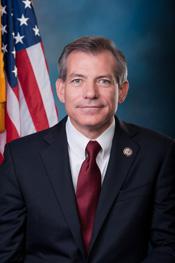
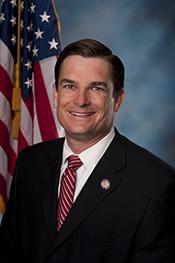
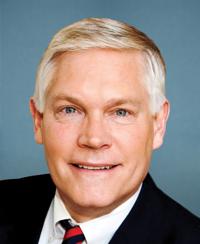
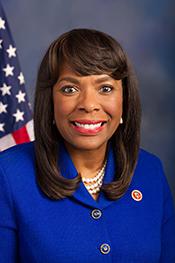

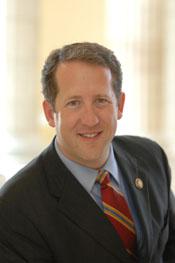

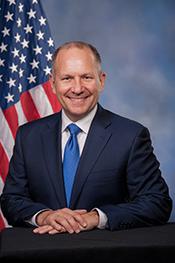
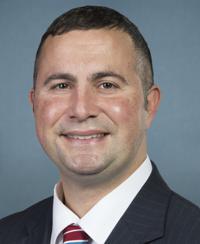
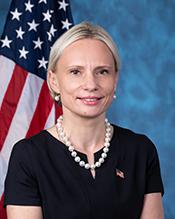
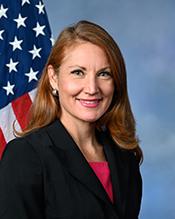
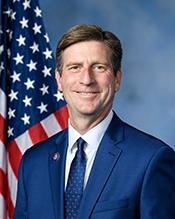
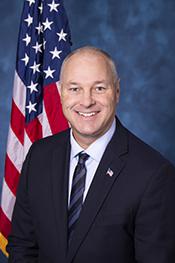

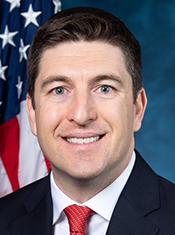
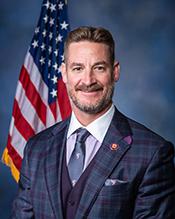
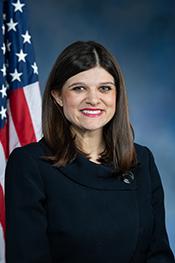
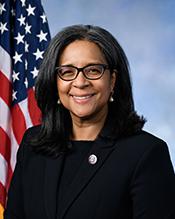

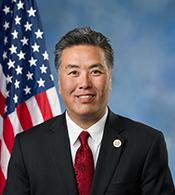
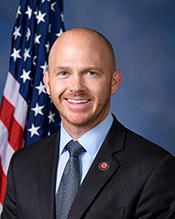

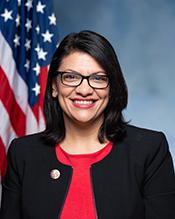

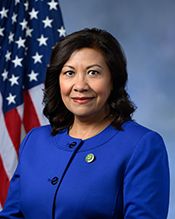
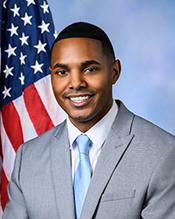
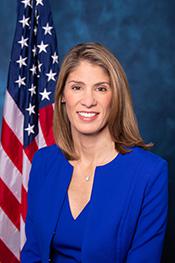
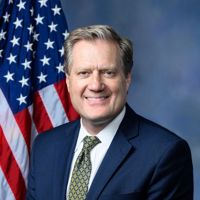

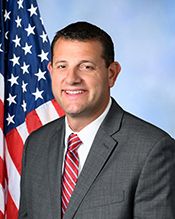
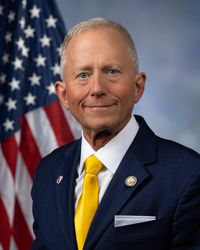



SPONSORS
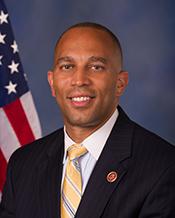
Hakeem S. Jeffries
D-NY · Primary
1 COSPONSOR
REPUBLICAN● 1 R
SPONSOR FUNDING
Top industries funding Jeffries
Party & Leadership29%
Party & Leadership 29% of classified donations
Lawyers & Lobbyists10%
Lawyers & Lobbyists 10% of classified donations
Securities & Investment9%
Securities & Investment 9% of classified donations
Health Services6%
Health Services 6% of classified donations
Real Estate6%
Real Estate 6% of classified donations
TRAIL AI
The Patents for Humanity Act of 2022 establishes a program allowing patent applicants to receive expedited examination of their patent applications in exchange for voluntarily licensing patents related to humanitarian technologies to organizations addressing global challenges in areas such as food security, water purification, and disease prevention. The bill passed the House with bipartisan support, receiving 274 votes in favor and 18 opposed, with all 145 voting Democrats in support and 129 of 145 voting Republicans in favor. The measure was signed into law during the 117th Congress.
Based on public voting records. Does not imply causation.
TIMELINE
INTRODUCEDNov 1, 2021
PASSED SENATENov 28, 2022
SIGNEDDec 20, 2022
DATA SOURCES
Bill data: Congress.gov · 117th–119th Congress (2021–present)
Vote records: House Clerk / Senate · 2021–present
Reflects public records. Does not imply causation.