S3427-118 · 118th Congress
Signed
Signed Feb 6, 2024Overtime Pay for Protective Services Act of 2023
Overtime Pay for Protective Services Act of 2023 This bill extends through 2028 and modifies the authority to provide premium pay for protective services employees of the U.S. Secret Service that exceeds certain statutory limits on premium pay. The bill also requires the Secret Service to provide related information to Congress. The bill provides that, if the bill is enacted after December 31, 2023, the extension applies as if it were enacted on December 31, 2023. The bill also specifies that employees who perform routine administrative or technical work are not eligible for this premium pay. Next, within 180 days of the bill's enactment, the Secret Service must report to Congress on how it is addressing the demand for Secret Service protection personnel and recommend strategies for reducing the use of overtime. The bill also requires the Secret Service to report to Congress: (1) the number of employees receiving premium pay above the statutory cap; (2) the number of employees who were not fully compensated due to the statutory cap and the total amount that employees would have been paid without the cap; (3) the total, median, mean, and greatest amounts of premium pay above the cap; and (4) a list of personnel who received premium pay above the cap and separated from the agency. This information must be provided for each calendar year and updated quarterly. Further, the Secret Service must report to Congress on the effect that the bill has had on this data.
VOTE BREAKDOWN
Final passage · 361 politicians tracked
320
YEA
17
NAY
0
PRESENT
24
NOT VOTING
Dem YEA 170Ind YEA 1Rep NAY 17Rep YEA 149
BY PARTY · ✕ NAY ← | → YEA ✓
DEM
0
170
REP
17
149
IND
0
1
MONEY ON THIS BILL
Which donor industries fund each side of the vote — total contributions from that industry to those members, all cycles · plus lobbying activity in affected industries
⬆ YEA voters — top donor industries
- 1. Lawyers & Lobbyists$196.1M
- 2. Securities & Investment$138.2M
- 3. Health Services$130.9M
⬇ NAY voters — top donor industries
- 1. Health Services$3.3M
- 2. Construction & Engineering$2.3M
- 3. Lawyers & Lobbyists$2.2M
◎ Lobbying activity by issue area
No bill-issue lobbying matches.
Dollar figures are each industry's total contributions to those members across all tracked cycles — not money given for this specific bill. Statistical patterns in public records; correlation, not causation.
LOBBYING ON THIS BILL
8 federal lobbying reports name this bill in their activity descriptions · LDA disclosures
COOPERATIVE REGIONS OF ORGANIC PRODUCER POOLS (CROPP)3 reports
SUMITOMO PHARMA AMERICA, INC. (FORMERLY SUNOVION PHARMACEUTICALS INC.)3 reports
FEDERAL LAW ENFORCEMENT OFFICERS ASSOCIATION2 reports
⟳ The revolving door — lobbyists on this bill with disclosed former government roles
Molly RossIntern, Staff Asst., Leg. Corr., Leg. Aide, Leg. Asst., Sen. Susan Collins
“Covered position” is the former government job lobbyists must disclose by law (LDA §4). Prior service is stated on the filings; it carries no implication of wrongdoing. Full revolving-door board →
A report naming a bill means the organization disclosed lobbying activity on it — the disclosure does not state a position for or against.
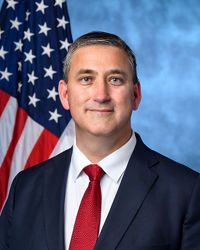
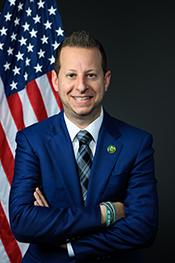
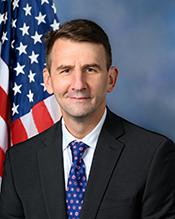
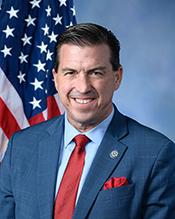
INDIVIDUAL VOTES
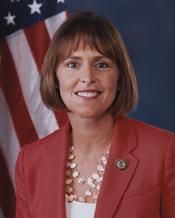
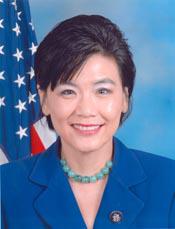
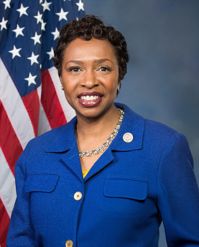
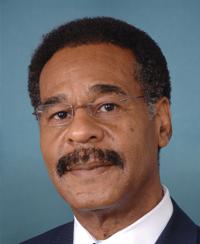
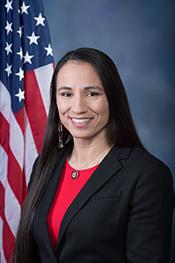
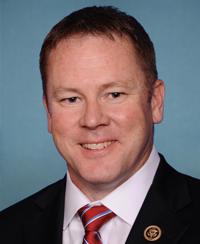
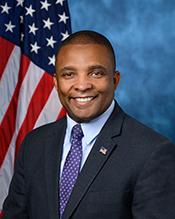
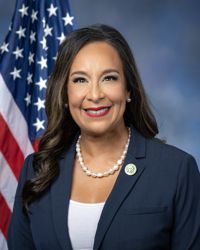
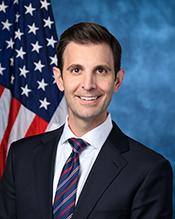
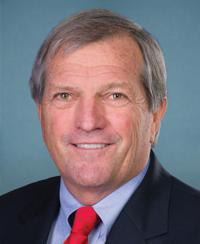
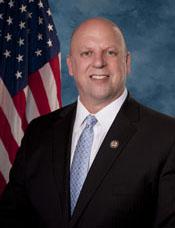
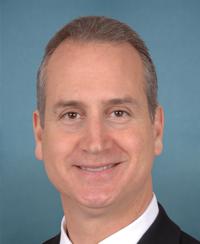
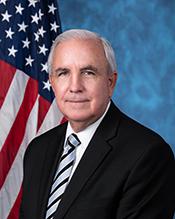
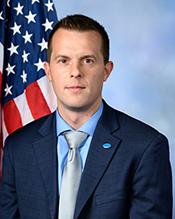
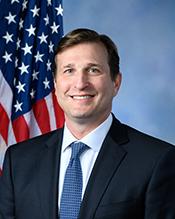
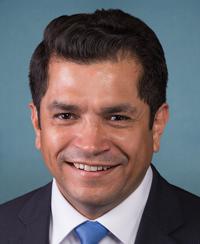
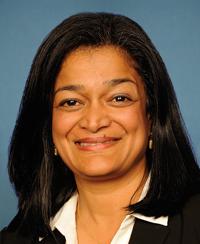
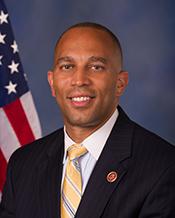
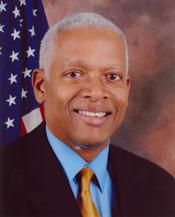
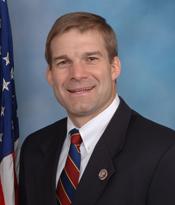
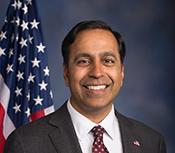
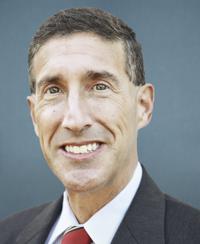
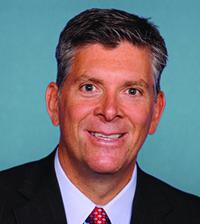
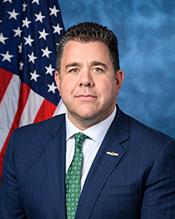
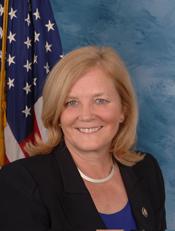
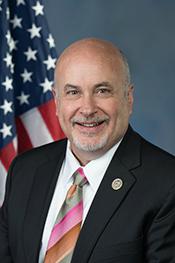
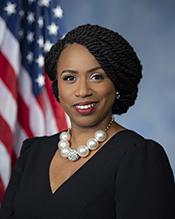
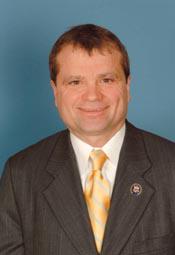
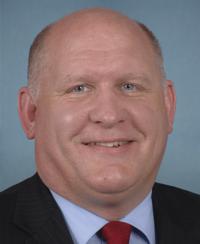
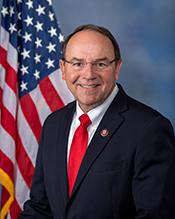
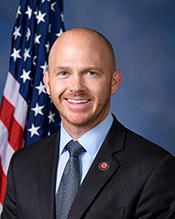
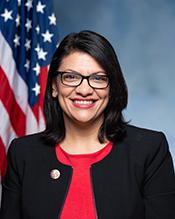
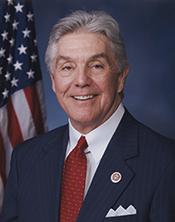
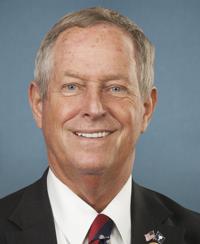
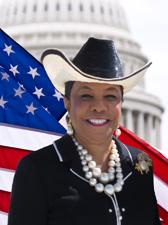
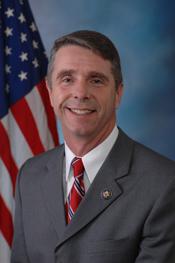
Recorded positions for tracked politicians
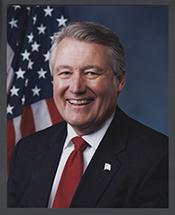
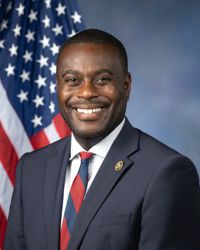
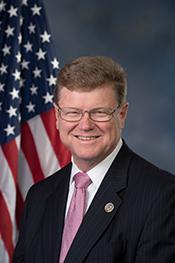
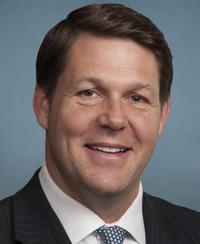


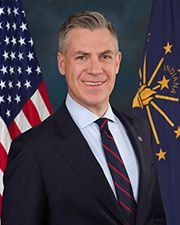
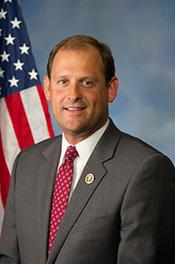

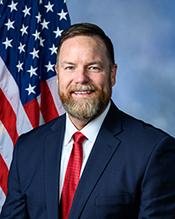
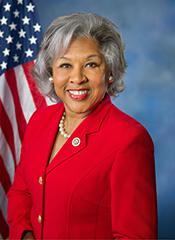
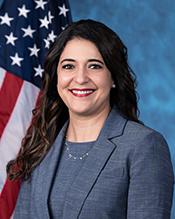
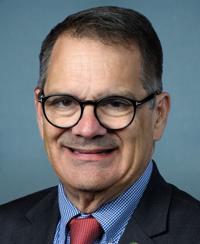
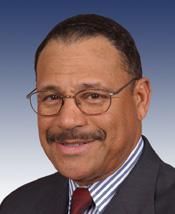
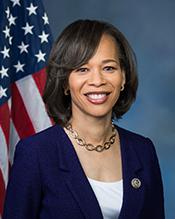
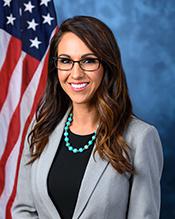
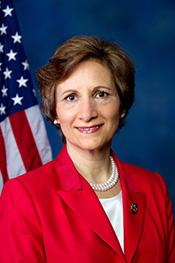
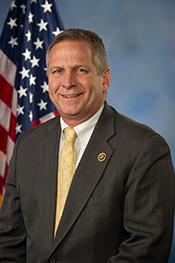

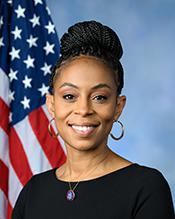
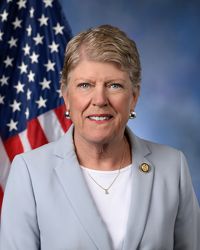
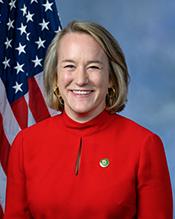
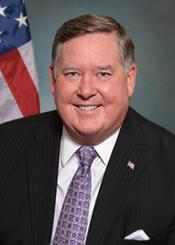
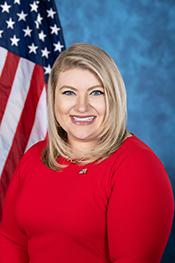


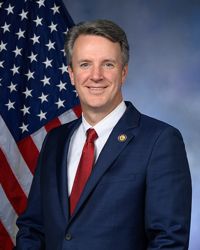
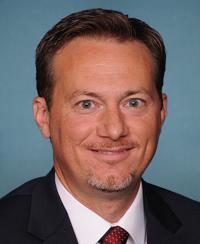

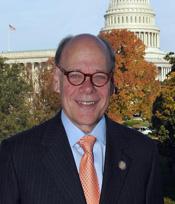
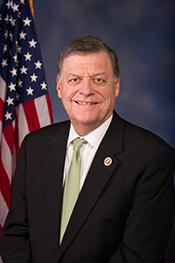
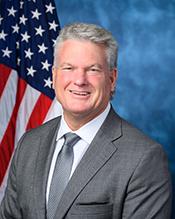
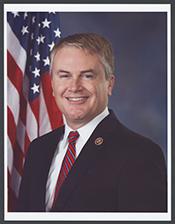
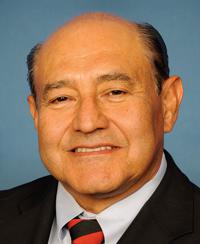
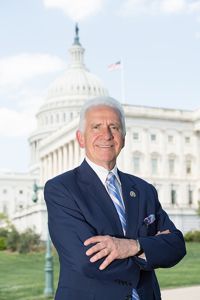
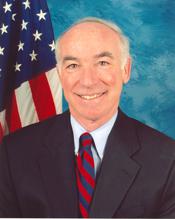
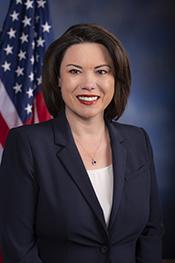


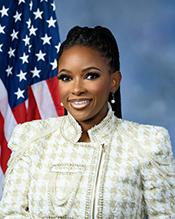

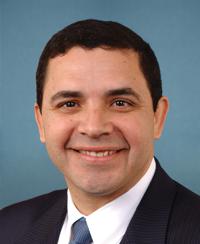

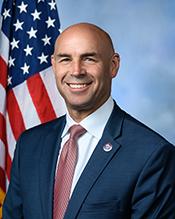
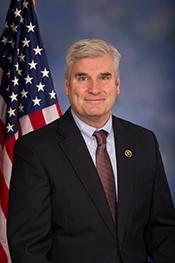
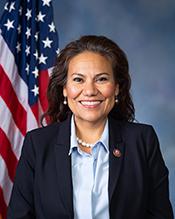
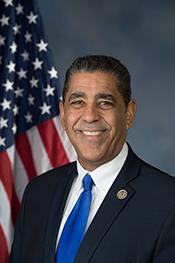
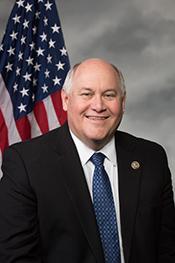
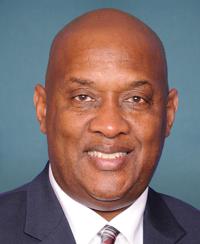
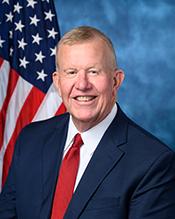
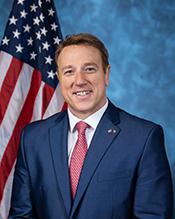
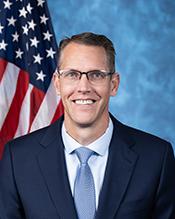
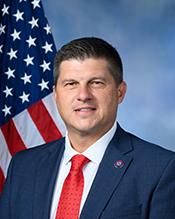
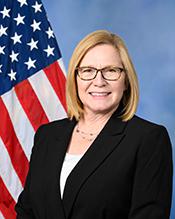
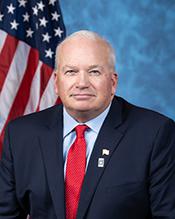
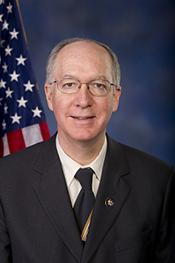
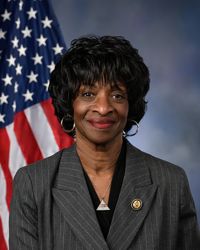

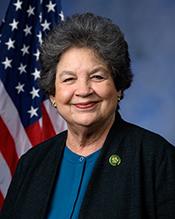
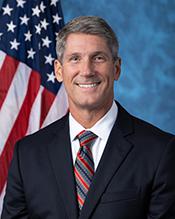

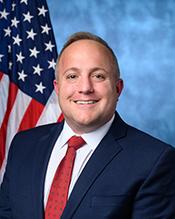
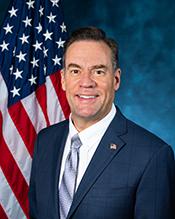
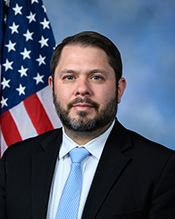
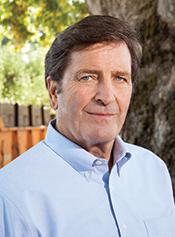
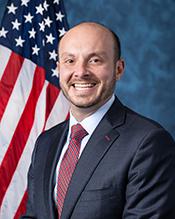
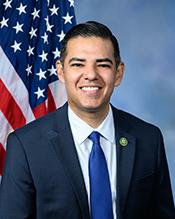
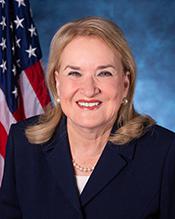
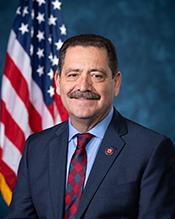
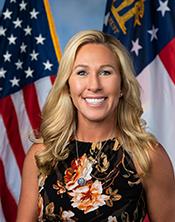
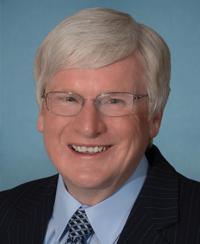
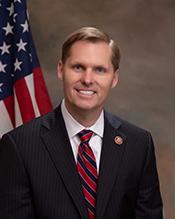
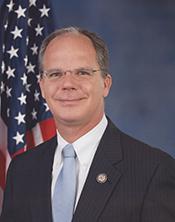
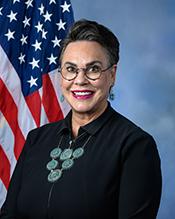
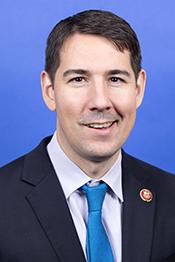
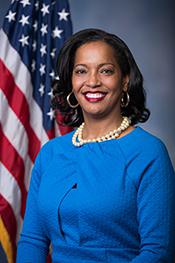
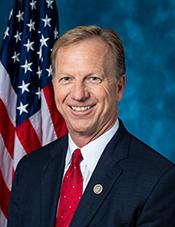
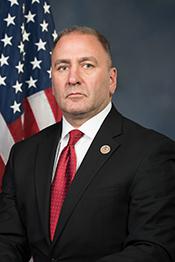
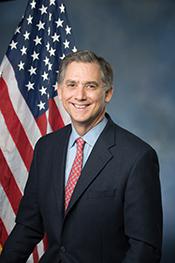
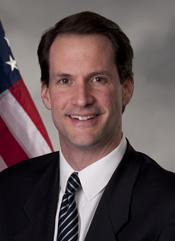
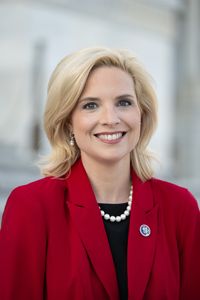
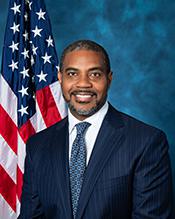
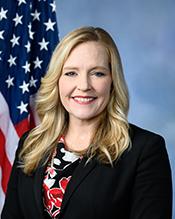


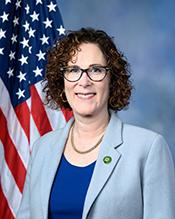
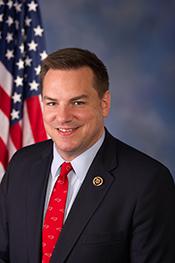
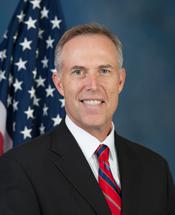
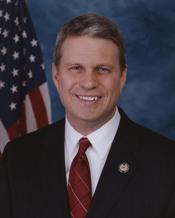
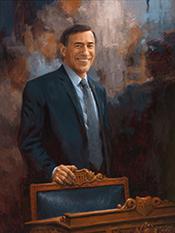
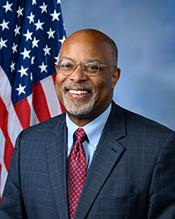
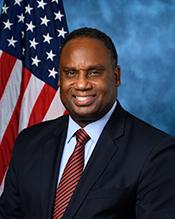
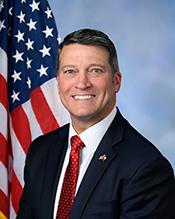
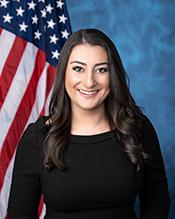
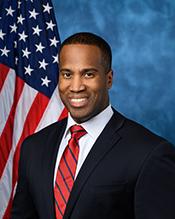

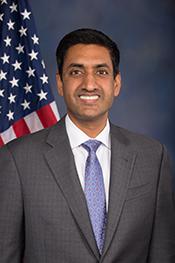
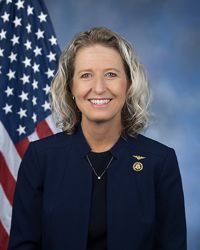
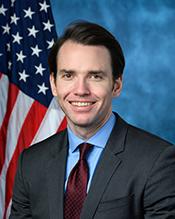

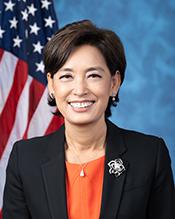
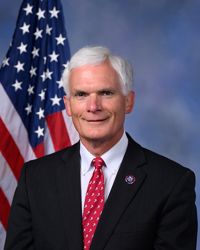
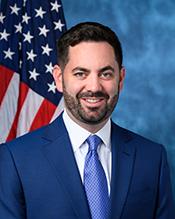
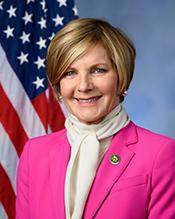
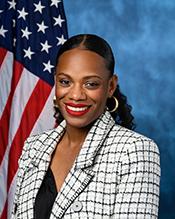
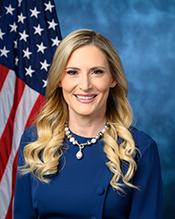
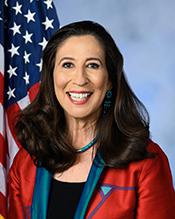

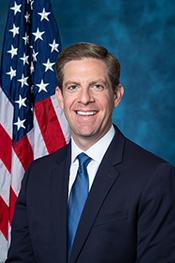
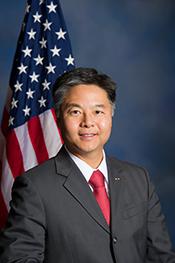
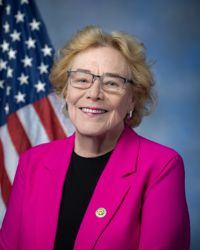
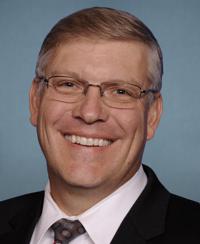
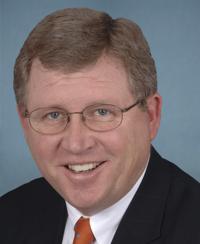
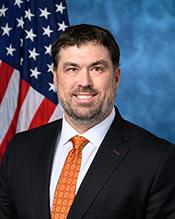

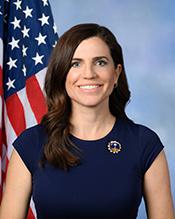
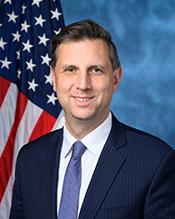
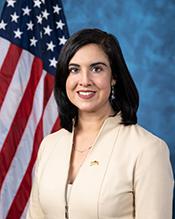
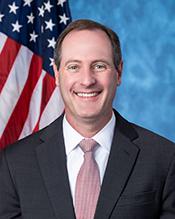

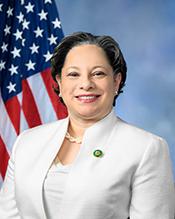
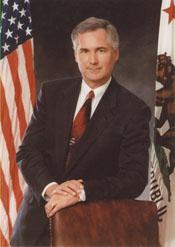
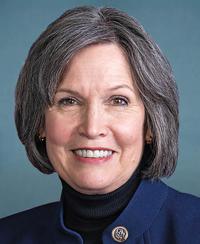
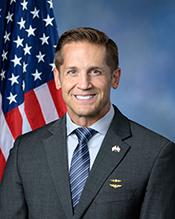
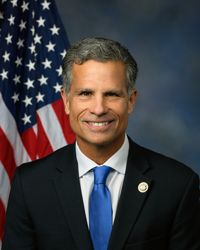
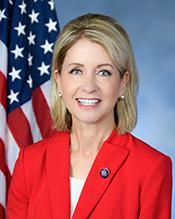
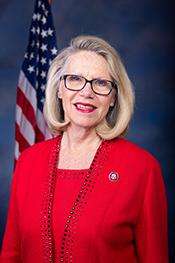
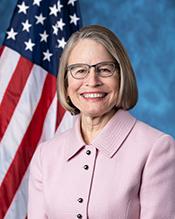
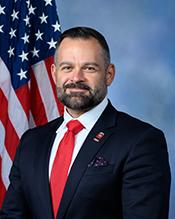
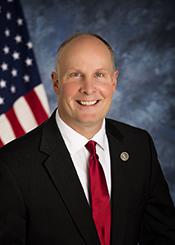
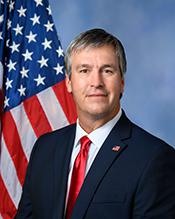
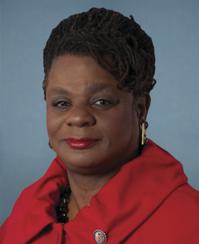

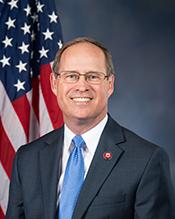
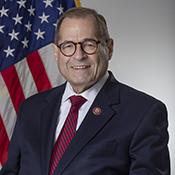
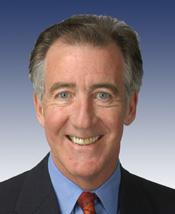

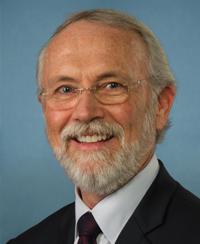
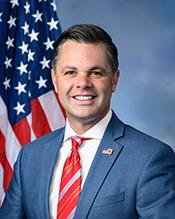
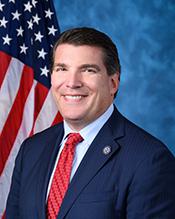
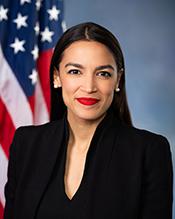

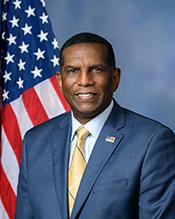

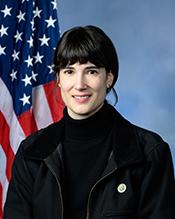
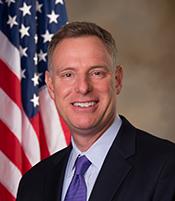
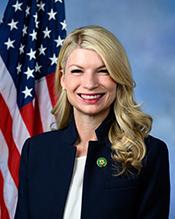
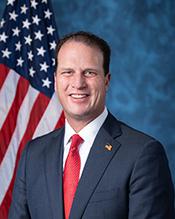
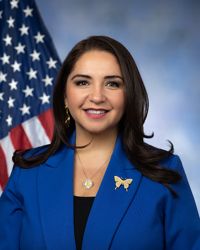
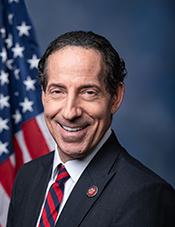
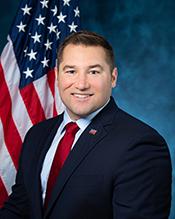
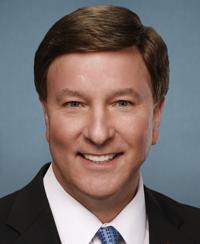
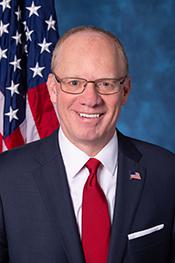
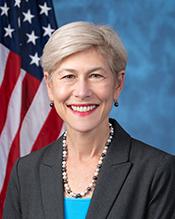
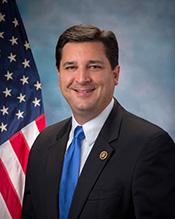
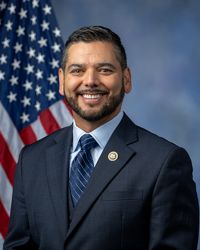
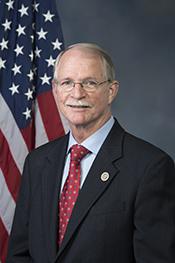
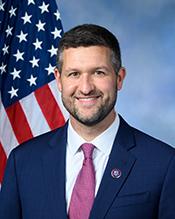

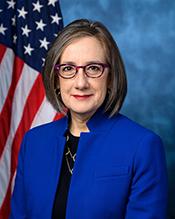



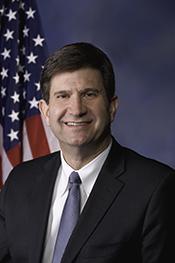
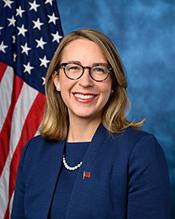
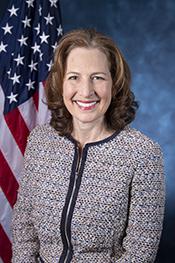
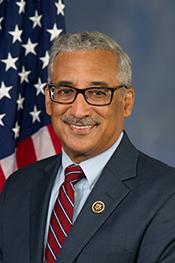
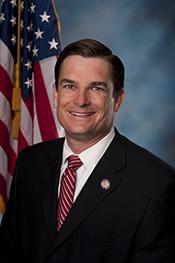
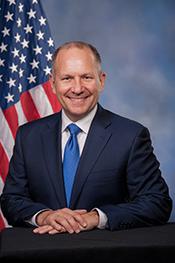
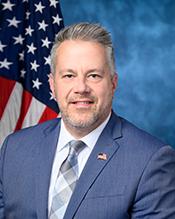
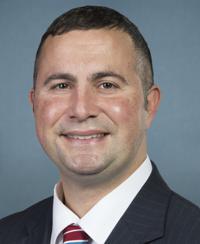
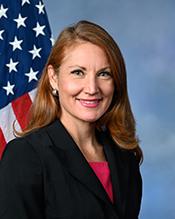
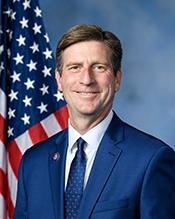
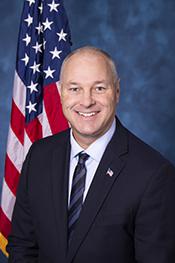

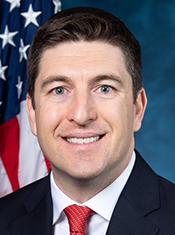
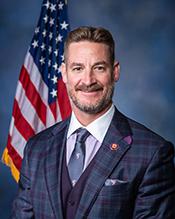
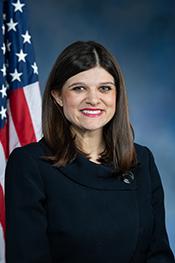
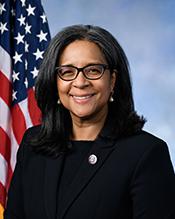
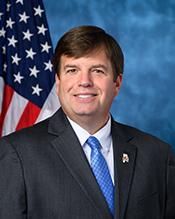
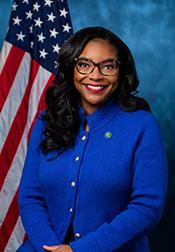

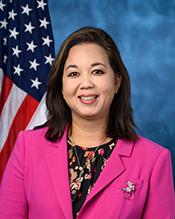

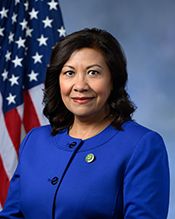
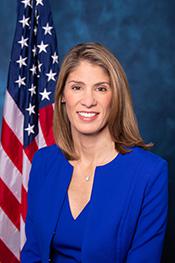
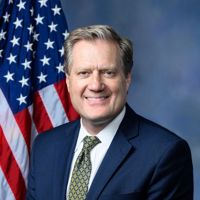
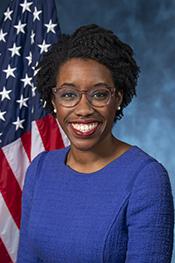
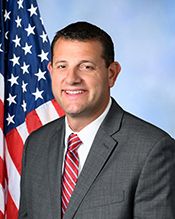
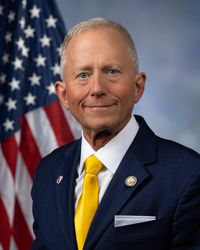
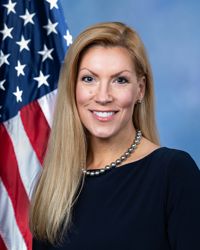
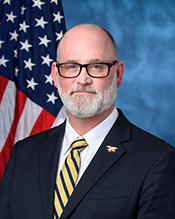
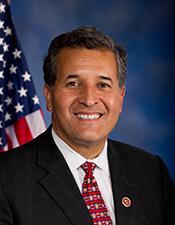
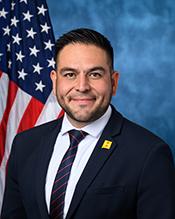
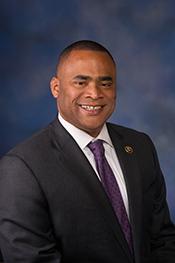


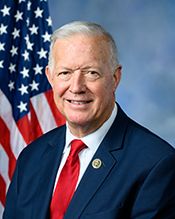
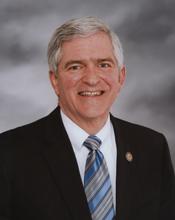
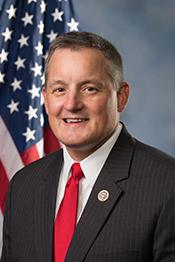
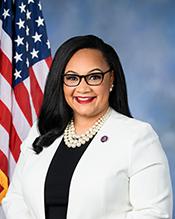

SPONSORS
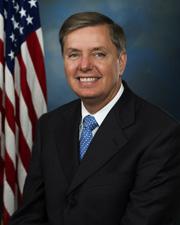
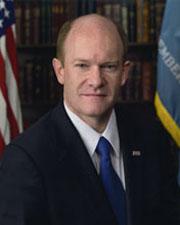
Lindsey Graham
R-SC · Primary
3 COSPONSORS
BIPARTISAN● 2 D● 1 R

SPONSOR FUNDING
Top industries funding Graham
Party & Leadership36%
Party & Leadership 36% of classified donations
Securities & Investment29%
Securities & Investment 29% of classified donations
Lawyers & Lobbyists5%
Lawyers & Lobbyists 5% of classified donations
Single-Issue Advocacy4%
Single-Issue Advocacy 4% of classified donations
Health Services3%
Health Services 3% of classified donations
TRAIL AI
The Overtime Pay for Protective Services Act of 2023 addresses compensation requirements for workers in protective services roles. The bill passed with broad bipartisan support, receiving 320 votes in favor and 17 opposed, with all opposing votes coming from Republican members while Democrats voted unanimously in favor. The legislation has been signed into law.
Based on public voting records. Does not imply causation.
TIMELINE
INTRODUCEDDec 6, 2023
PASSED SENATEDec 18, 2023
SIGNEDFeb 6, 2024
DATA SOURCES
Bill data: Congress.gov · 117th–119th Congress (2021–present)
Vote records: House Clerk / Senate · 2021–present
Reflects public records. Does not imply causation.