HR7335-117 · 117th Congress
Signed
Signed Dec 27, 2022MST Claims Coordination Act
MST Claims Coordination Act This bill modifies the Department of Veterans Affairs (VA) claims process for claims related to military sexual trauma (MST). During or immediately after a medical examination, hearing before the Board of Veterans' Appeals, or other relevant event, the Veterans Benefits Administration (VBA) must coordinate with the Veterans Health Administration (VHA) to provide veterans who elect to receive materials with outreach letters, information on the Veterans Crisis Line, information on how to make an appointment with a mental health provider, and other information on available resources relating to MST. Additionally, the VHA and the VBA must provide such materials with the determination the VA provides to the claimant in connection with a claim for compensation. In a claim for compensation arising from MST experienced by a veteran who is enrolled in the VA health care system and consents to the notification system, the VBA must automatically notify the VHA before the veteran (1) participates in a medical examination, hearing, or other relevant event; or (2) receives a determination from the VA in connection with the claim for compensation.
VOTE BREAKDOWN
Final passage · 293 politicians tracked
286
YEA
0
NAY
0
PRESENT
7
NOT VOTING
Dem YEA 144Rep YEA 142
BY PARTY · ✕ NAY ← | → YEA ✓
DEM
0
144
REP
0
142
MONEY ON THIS BILL
Which donor industries fund each side of the vote — total contributions from that industry to those members, all cycles · plus lobbying activity in affected industries
⬆ YEA voters — top donor industries
- 1. Lawyers & Lobbyists$171.7M
- 2. Securities & Investment$122.7M
- 3. Health Services$121.5M
⬇ NAY voters — top donor industries
No data yet.
◎ Lobbying activity by issue area
No bill-issue lobbying matches.
Dollar figures are each industry's total contributions to those members across all tracked cycles — not money given for this specific bill. Statistical patterns in public records; correlation, not causation.
LOBBYING ON THIS BILL
1 federal lobbying report name this bill in their activity descriptions · LDA disclosures
THE IMMIGRATION HUB LLC1 report
A report naming a bill means the organization disclosed lobbying activity on it — the disclosure does not state a position for or against.
INDIVIDUAL VOTES
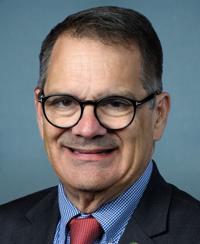
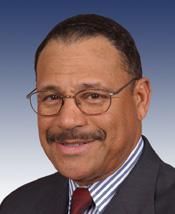
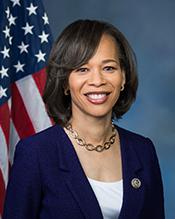
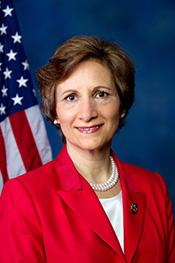
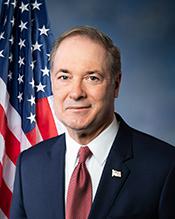
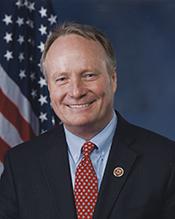
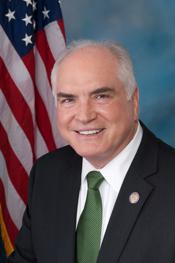
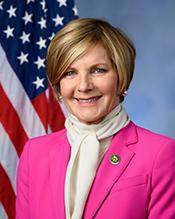
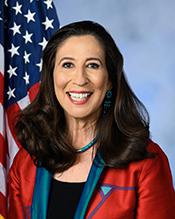
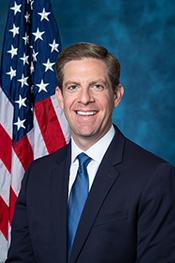
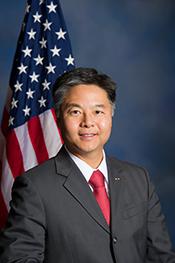
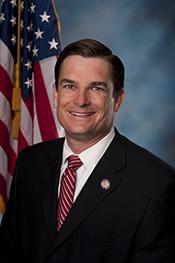
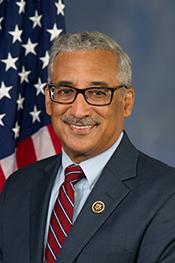
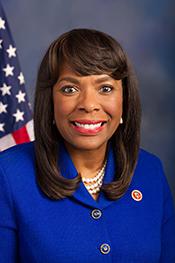
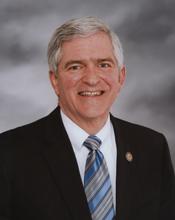
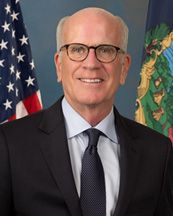
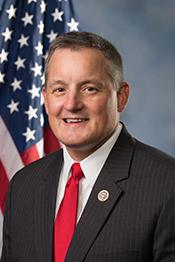
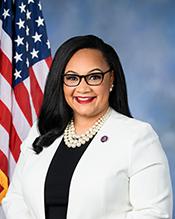
Recorded positions for tracked politicians


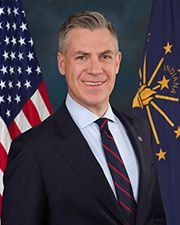
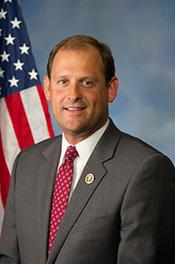

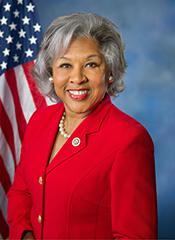
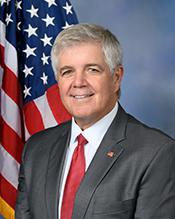


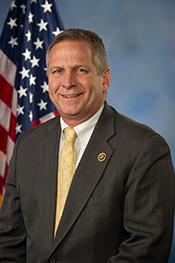


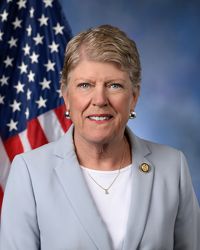
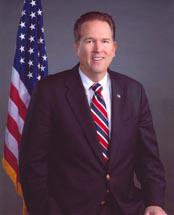
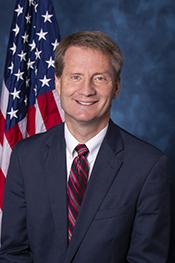
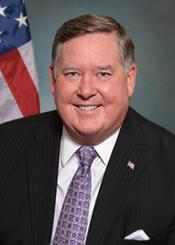
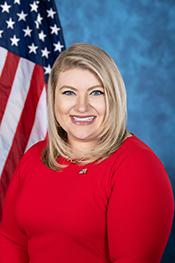
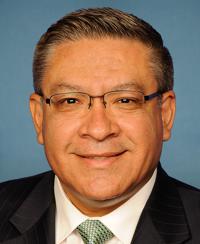

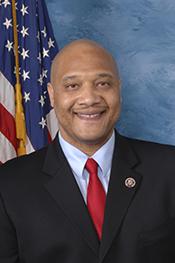






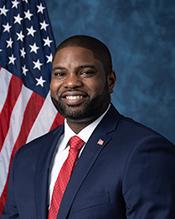
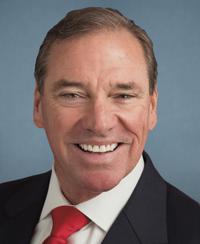
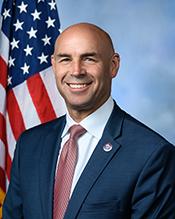
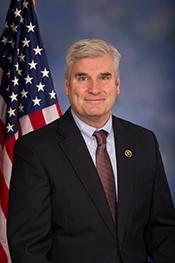
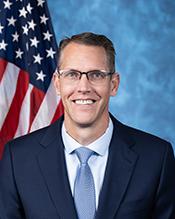
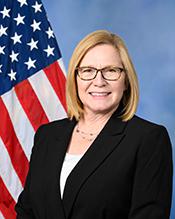
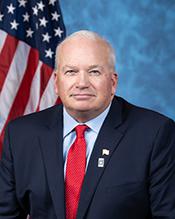
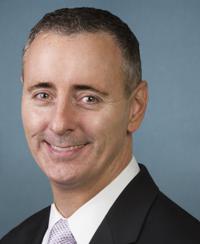
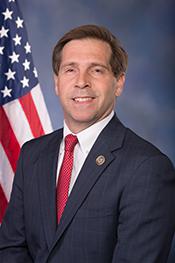
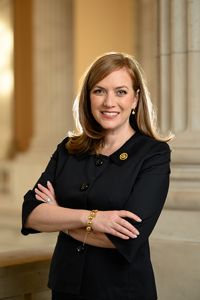
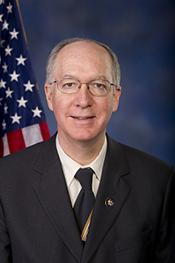
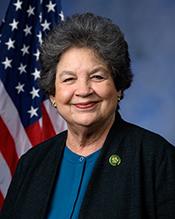
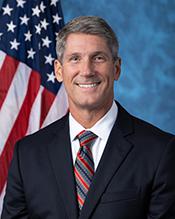
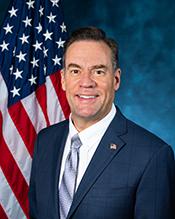
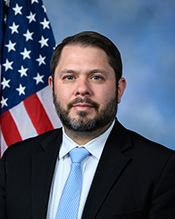
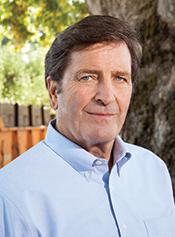
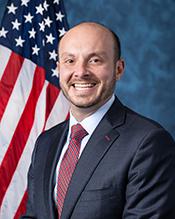
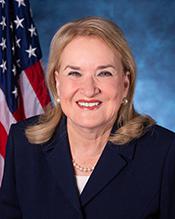
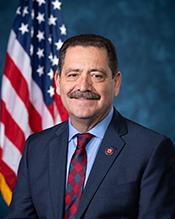
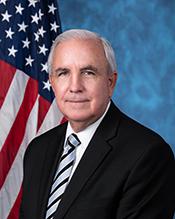

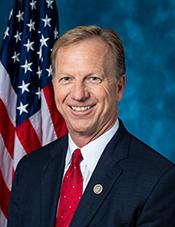
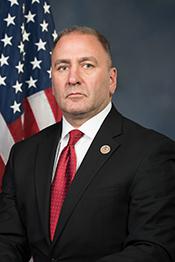
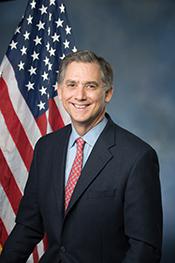
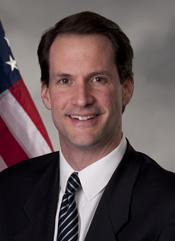




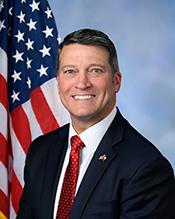


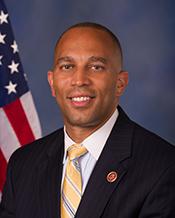

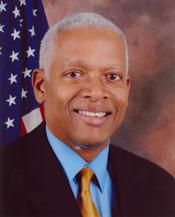

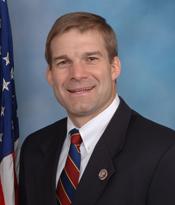




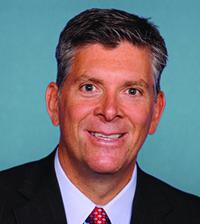
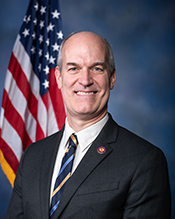
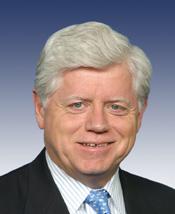
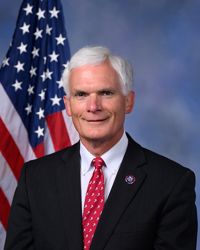

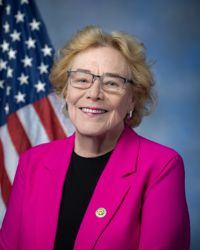
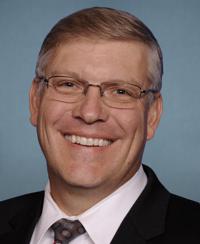
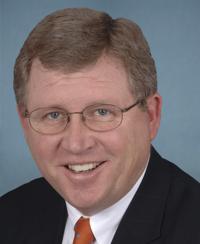

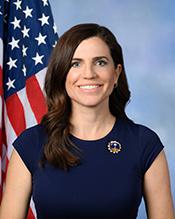







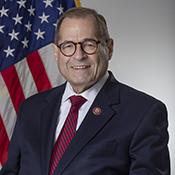
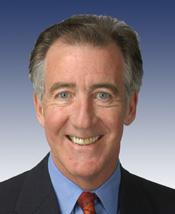

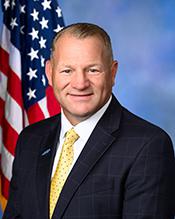

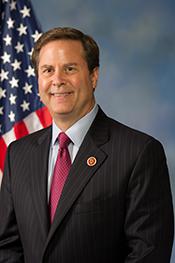
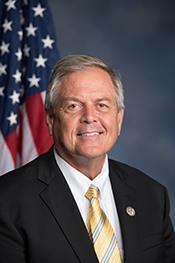
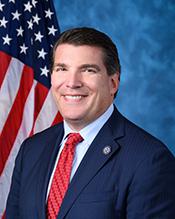
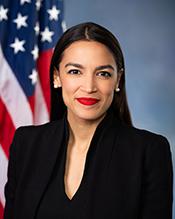

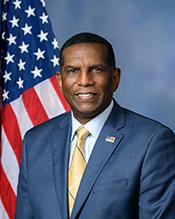
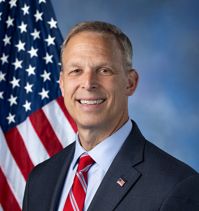

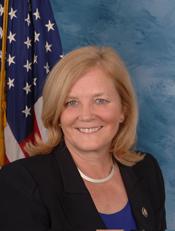
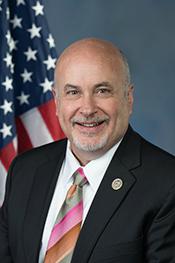
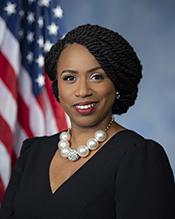
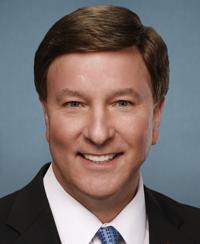
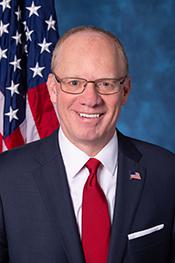
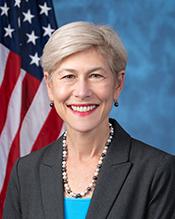
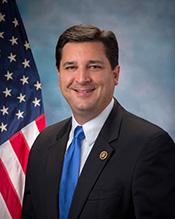




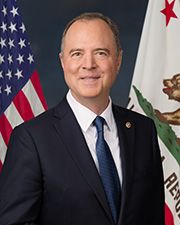
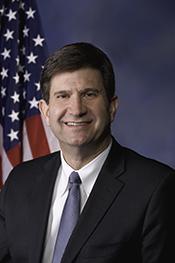
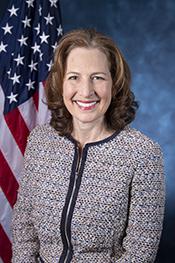
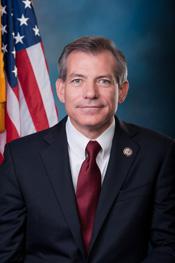



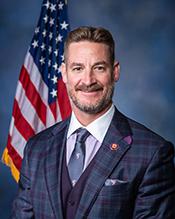
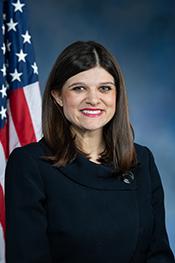
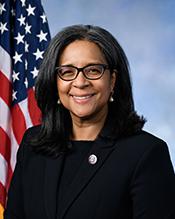

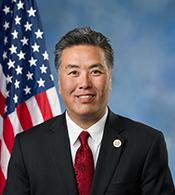
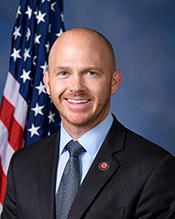

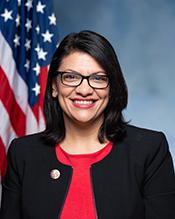

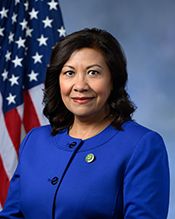
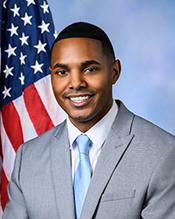
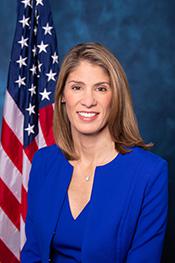
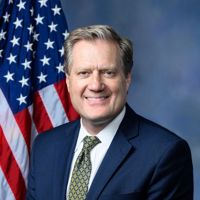

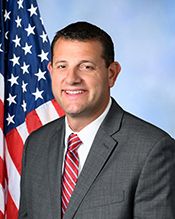
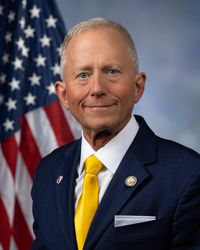


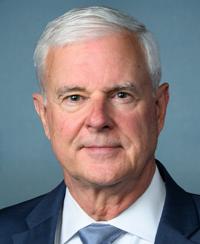
SPONSORS
1 COSPONSOR
REPUBLICAN● 1 R
TRAIL AI
The MST Claims Coordination Act (HR 7335) addresses the coordination of claims related to Military Sexual Trauma, establishing procedures for how such claims are processed and managed. The bill passed with unanimous support, receiving 285 votes in favor and 0 votes against, with 144 Democratic votes and 141 Republican votes. The legislation was signed into law during the 117th Congress.
Based on public voting records. Does not imply causation.
TIMELINE
INTRODUCEDMar 31, 2022
PASSED SENATEDec 19, 2022
SIGNEDDec 27, 2022
DATA SOURCES
Bill data: Congress.gov · 117th–119th Congress (2021–present)
Vote records: House Clerk / Senate · 2021–present
Reflects public records. Does not imply causation.