S958-117 · 117th Congress
Signed
Signed Oct 17, 2022Maximizing Outcomes through Better Investments in Lifesaving Equipment for (MOBILE) Health Care Act
Maximizing Outcomes through Better Investments in Lifesaving Equipment for (MOBILE) Health Care Act This bill expands and otherwise modifies the allowable uses of New Access Point grant funds. These grants help health centers establish new delivery sites to provide comprehensive primary care to medically underserved populations. Specifically, health centers may use funds to construct or renovate buildings or to set up mobile medical clinics. In addition, a mobile clinic may qualify for grant funding as a new delivery site regardless of whether it is associated with a permanent, full-time site.
VOTE BREAKDOWN
Final passage · 296 politicians tracked
288
YEA
3
NAY
0
PRESENT
5
NOT VOTING
Dem YEA 144Rep NAY 3Rep YEA 144
BY PARTY · ✕ NAY ← | → YEA ✓
DEM
0
144
REP
3
144
MONEY ON THIS BILL
Which donor industries fund each side of the vote — total contributions from that industry to those members, all cycles · plus lobbying activity in affected industries
⬆ YEA voters — top donor industries
- 1. Lawyers & Lobbyists$175.3M
- 2. Securities & Investment$126.5M
- 3. Health Services$122.8M
⬇ NAY voters — top donor industries
- 1. Lawyers & Lobbyists$263K
- 2. Construction & Engineering$259K
- 3. Real Estate$192K
◎ Lobbying activity by issue area
No bill-issue lobbying matches.
Dollar figures are each industry's total contributions to those members across all tracked cycles — not money given for this specific bill. Statistical patterns in public records; correlation, not causation.
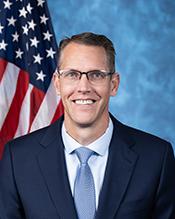
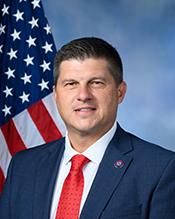
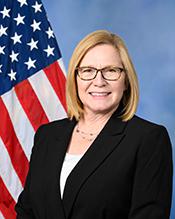
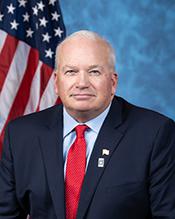
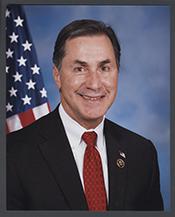
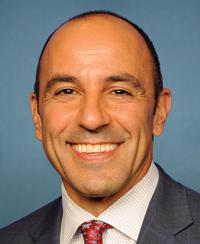
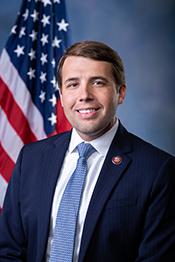
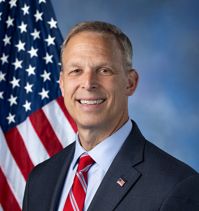
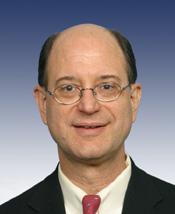
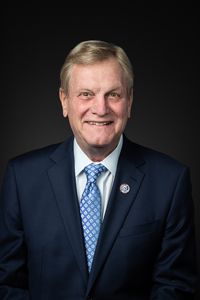
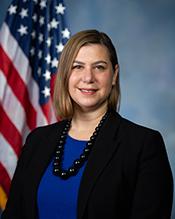
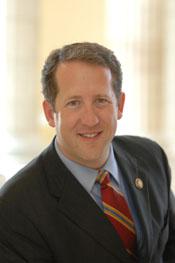
INDIVIDUAL VOTES
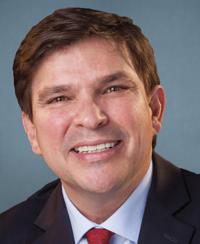
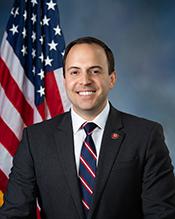
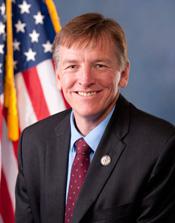
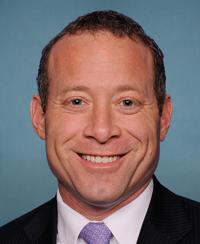
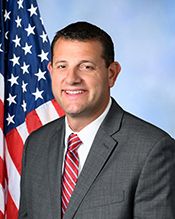
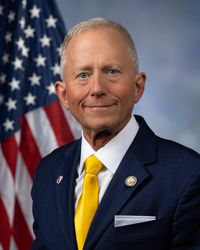
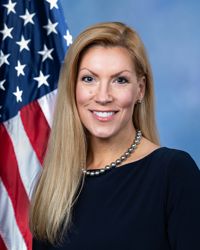
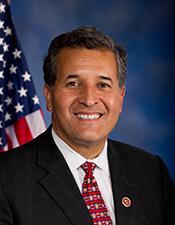
Recorded positions for tracked politicians


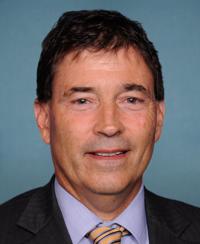
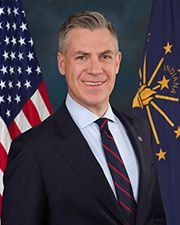
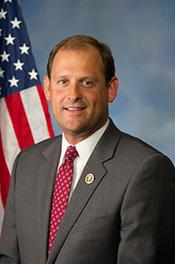

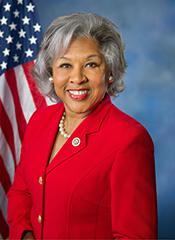
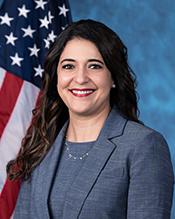
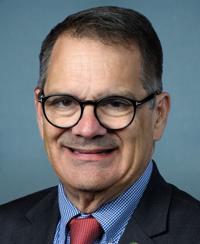
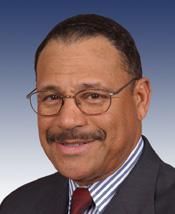
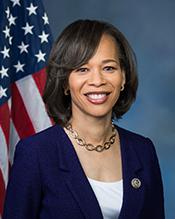
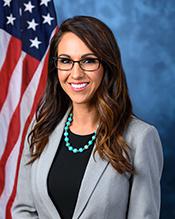
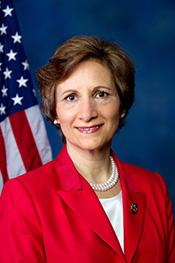
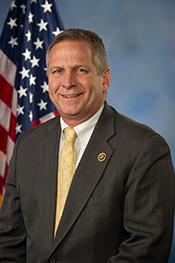


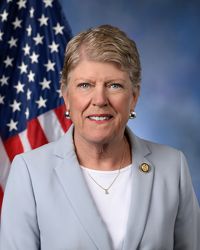
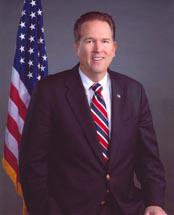
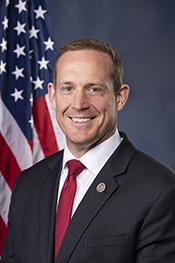
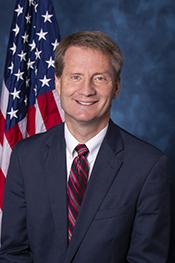
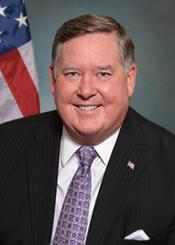
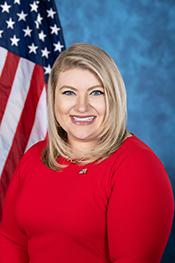
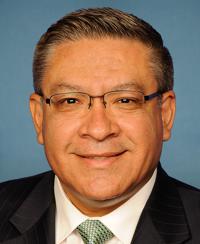
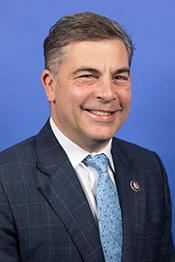
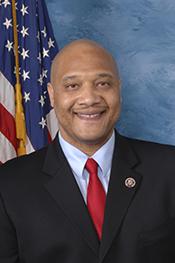
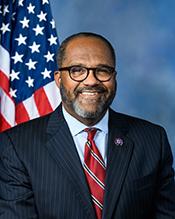
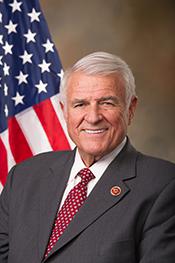
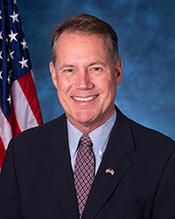
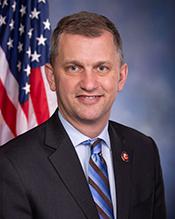
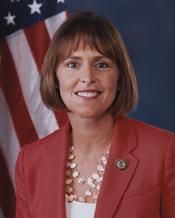

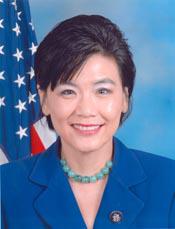

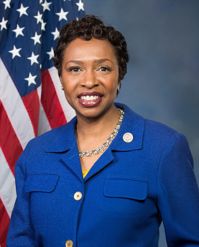
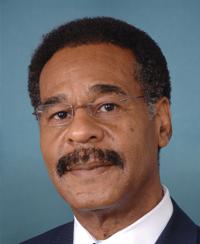
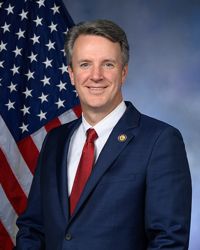

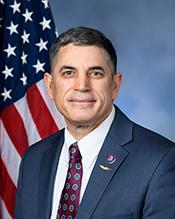
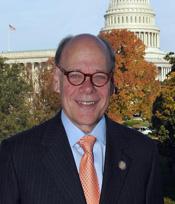
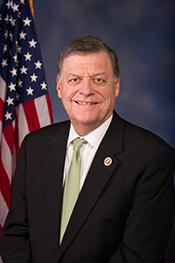
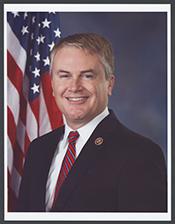
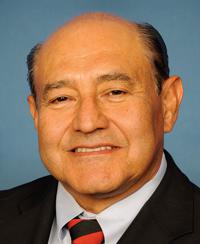
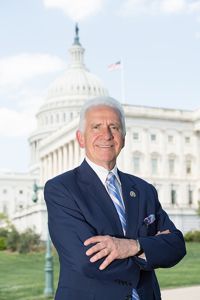
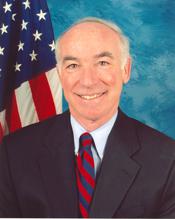
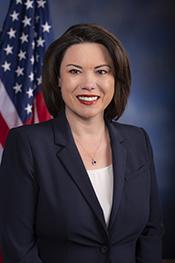

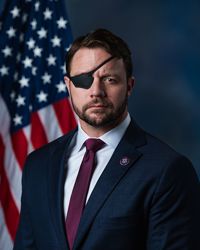

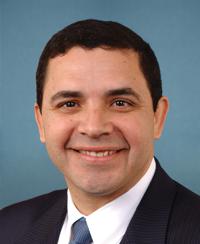
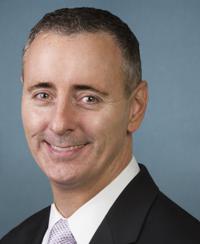
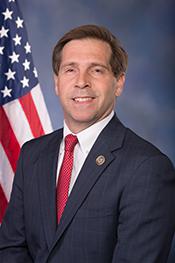
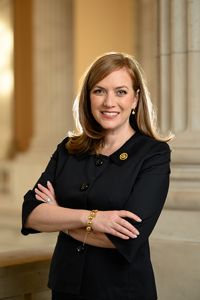
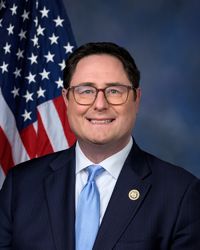
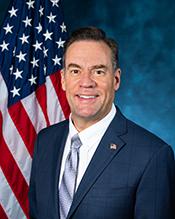
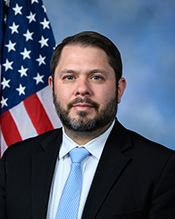

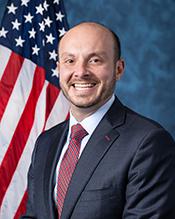
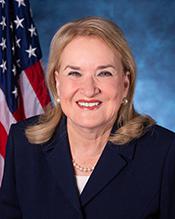
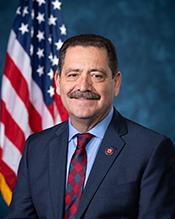
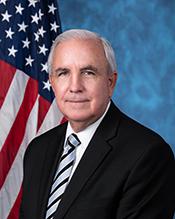
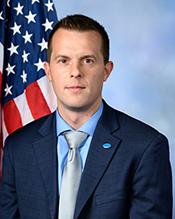
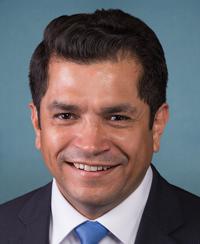
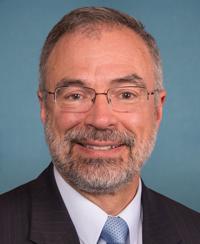
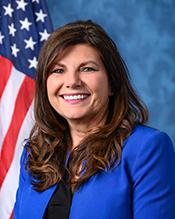

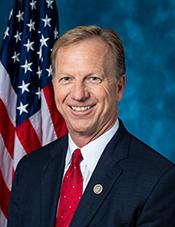
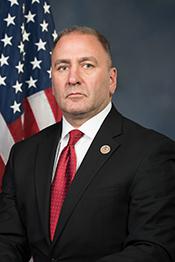



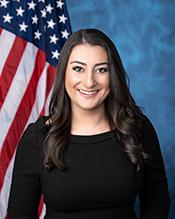

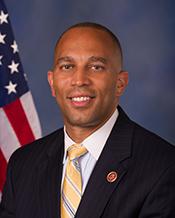



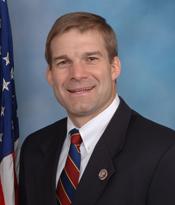
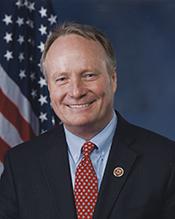
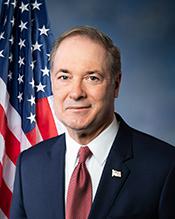
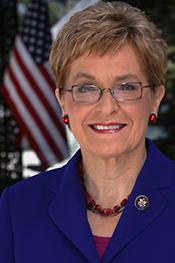
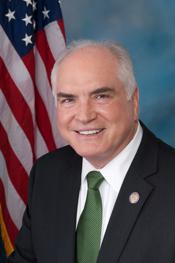



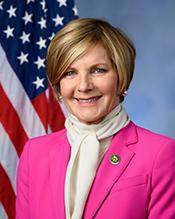
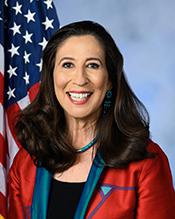

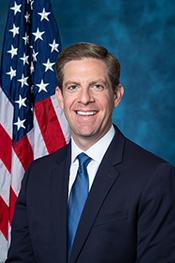
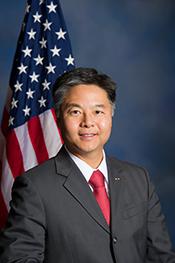
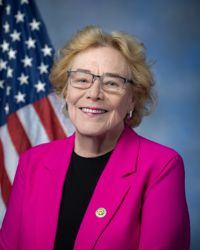
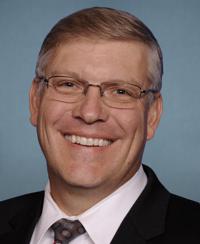
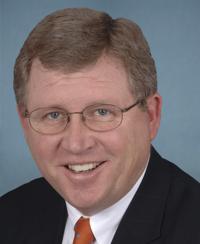

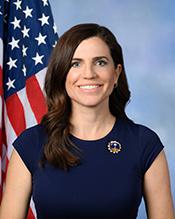
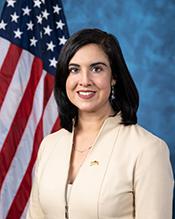
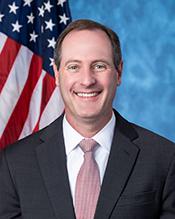

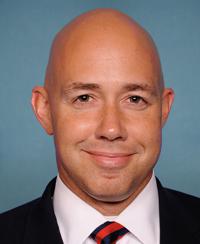

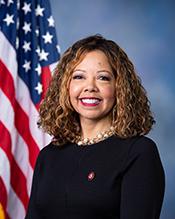




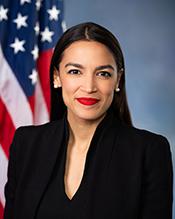
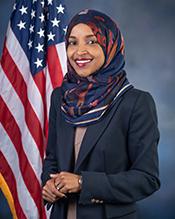
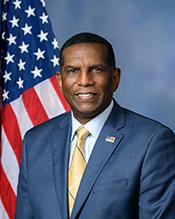
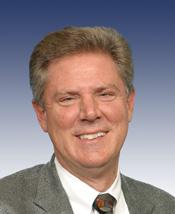




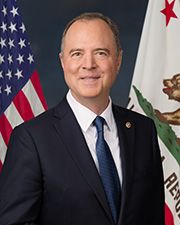
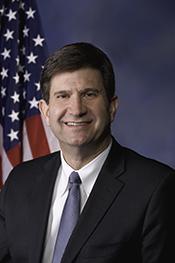
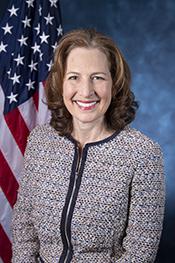
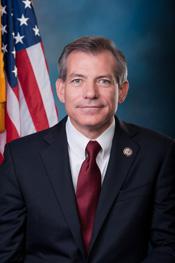
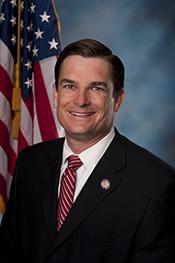
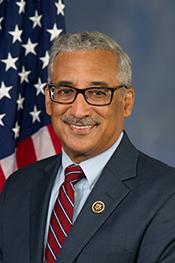
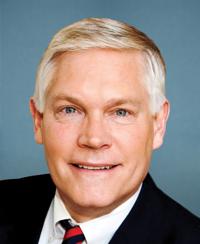
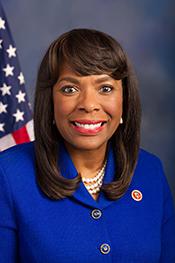
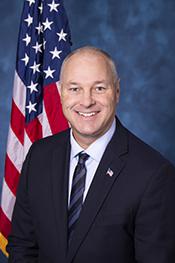

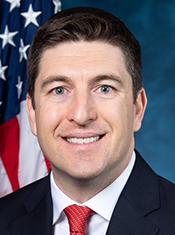
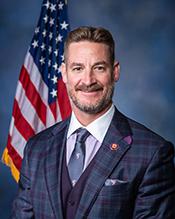
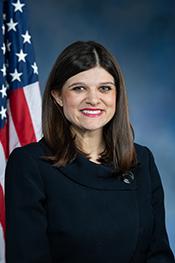





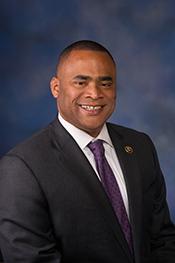

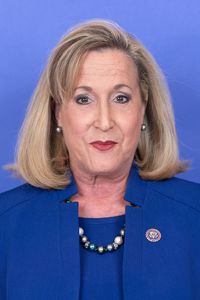
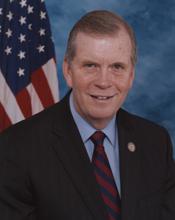
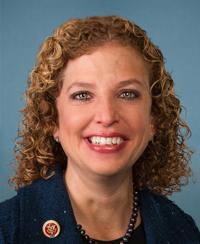

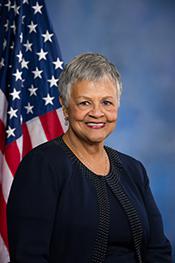
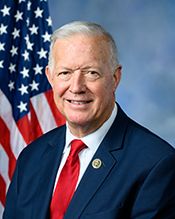
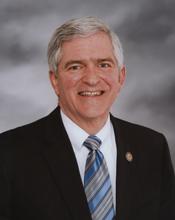
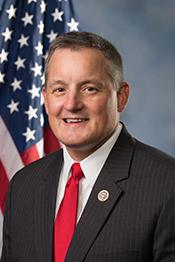
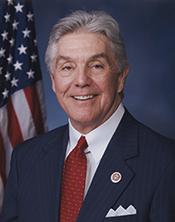
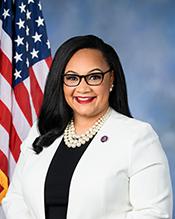
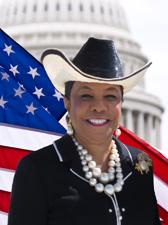
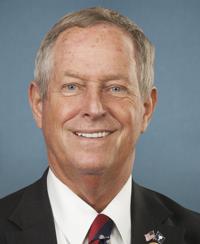
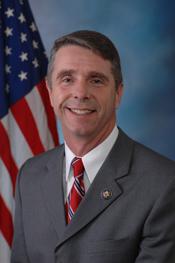
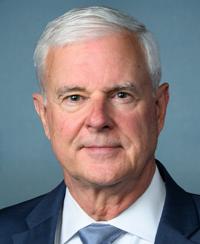
SPONSORS

Jacky Rosen
D-NV · Primary
4 COSPONSORS
BIPARTISAN● 2 D● 2 R

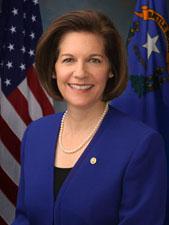


SPONSOR FUNDING
Top industries funding Rosen
Party & Leadership27%
Party & Leadership 27% of classified donations
Lawyers & Lobbyists11%
Lawyers & Lobbyists 11% of classified donations
Securities & Investment9%
Securities & Investment 9% of classified donations
Single-Issue Advocacy8%
Single-Issue Advocacy 8% of classified donations
Health Services6%
Health Services 6% of classified donations
TRAIL AI
The MOBILE Health Care Act (S 958) directs the Department of Health and Human Services to establish standards and provide grants for mobile health clinics to expand access to preventive and primary care services in underserved areas. The bill passed the House with overwhelming bipartisan support, receiving 287 votes in favor and 3 votes opposed, with all Democratic representatives voting yes and 143 of 144 Republican votes supporting the measure. The legislation has been signed into law.
Based on public voting records. Does not imply causation.
TIMELINE
INTRODUCEDMar 24, 2021
PASSED SENATESep 6, 2022
SIGNEDOct 17, 2022
DATA SOURCES
Bill data: Congress.gov · 117th–119th Congress (2021–present)
Vote records: House Clerk / Senate · 2021–present
Reflects public records. Does not imply causation.