HR3746-118 · 118th Congress
792 lobbying reports name this bill. See the war room — the surge, who showed up, and the money behind the vote→Signed
Signed Jun 3, 2023Fiscal Responsibility Act of 2023
Fiscal Responsibility Act of 2023 This bill increases the federal debt limit, establishes new discretionary spending limits, rescinds unobligated funds, and expands work requirements for federal programs. Specifically, the bill suspends the federal debt limit through January 1, 2025, and increases the limit on January 2, 2025, to accommodate the obligations issued during the suspension period. In addition, the bill establishes new discretionary spending limits for FY2024 and FY2025 that are enforced with sequestration (i.e., automatic spending cuts). It also changes the limits to 1% below the FY2023 base funding levels if a continuing resolution is in effect on or after January 1, 2024, or on or after January 1, 2025, because all 12 regular appropriations bills were not enacted by the end of the prior year. The bill also includes provisions that rescind certain unobligated funds that were provided to address COVID-19 and to the Internal Revenue Service; provide funding for the Department of Veterans Affairs Cost of War Toxic Exposure Fund; provide funding for the Department of Commerce Nonrecurring Expenses Fund; provide statutory authority through 2024 for the requirement for agencies that propose certain administrative actions that will increase direct spending to also propose at least one administrative action that will decrease direct spending by at least the same amount (commonly known as administrative pay-as-you-go rules); terminate the suspension of federal student loan payments; expand the work requirements for the Supplemental Nutrition Assistance Program (SNAP) a…
VOTE BREAKDOWN
Final passage · 445 politicians tracked
307
YEA
133
NAY
0
PRESENT
5
NOT VOTING
Dem YEA 169Dem NAY 44Ind YEA 2Ind NAY 1Rep NAY 88Rep YEA 136
BY PARTY · ✕ NAY ← | → YEA ✓
DEM
44
169
REP
88
136
IND
1
2
MONEY ON THIS BILL
Which donor industries fund each side of the vote — total contributions from that industry to those members, all cycles · plus lobbying activity in affected industries
⬆ YEA voters — top donor industries
- 1. Lawyers & Lobbyists$255.9M
- 2. Securities & Investment$178.6M
- 3. Health Services$156.6M
⬇ NAY voters — top donor industries
- 1. Lawyers & Lobbyists$63.2M
- 2. Securities & Investment$49.8M
- 3. Health Services$49.7M
◎ Lobbying activity by issue area
No bill-issue lobbying matches.
Dollar figures are each industry's total contributions to those members across all tracked cycles — not money given for this specific bill. Statistical patterns in public records; correlation, not causation.
LOBBYING ON THIS BILL
792 federal lobbying reports name this bill in their activity descriptions · LDA disclosures
EDISON ELECTRIC INSTITUTE27 reports
AECOM TECHNICAL SERVICES, INC.12 reports
ASSOCIATED GENERAL CONTRACTORS OF AMERICA12 reports
OPEN SPACE INSTITUTE, INC.11 reports
AMEREN SERVICES10 reports
UNITED STATES TELECOM ASSOCIATION9 reports
BARRICK GOLD OF NORTH AMERICA INC.9 reports
CENTRAL PUGET SOUND REGIONAL TRANSIT9 reports
⟳ The revolving door — lobbyists on this bill with disclosed former government roles
Kenny HulshofU.S. Congress- Missouri District 9
Jeffrey MarkeyLD/Deputy Chief of Staff, Representative Doc Hastings.
Steven SchultzLegislative Assistant and Legislative Correspondent, Legislative Assistant, Senior Legislative Assistant, and Legislative Counsel for the office of Rep. Donald M. Payne, Jr.; Shared Staff for the Committee on Transportation and Infrastructure.
David MartenLegislative Director, Sen. Maria Cantwell; Legislative Assistant, Sen. Maria Cantwell; Legislative Assistant, Rep. Denny Heck; Legislative Correspondent, Rep. Denny Heck.
Samuel WhitehornDeputy SD/GC, US Senate Commerce Committee; Acting SD, US Senate Commerce Committee; Sr. Counsel, US Senate Commerce Committee.
James EdwardsLD, Rep. Ed Bryant; LA/Press Secretary, Rep. John Duncan; Special Assistant, Senate Judiciary Committee
“Covered position” is the former government job lobbyists must disclose by law (LDA §4). Prior service is stated on the filings; it carries no implication of wrongdoing. Full revolving-door board →
A report naming a bill means the organization disclosed lobbying activity on it — the disclosure does not state a position for or against.
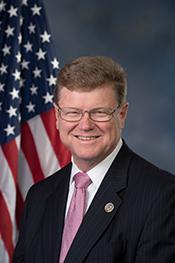
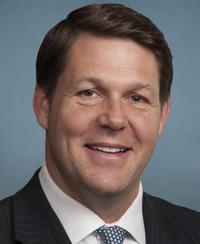
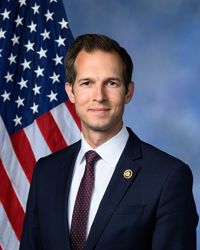
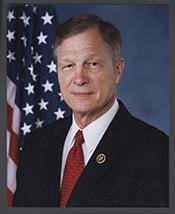
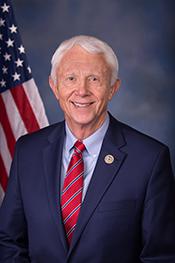
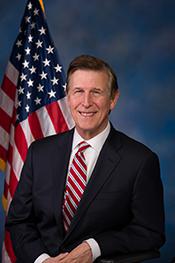
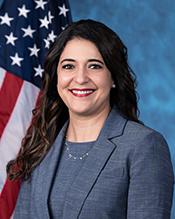
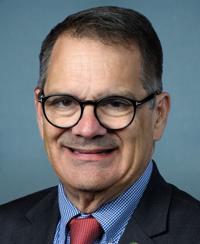
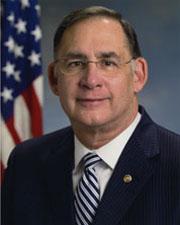
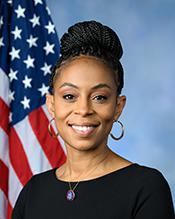
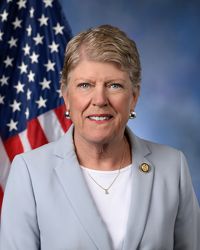
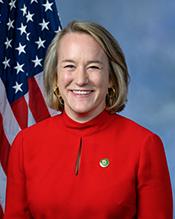
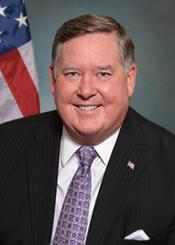
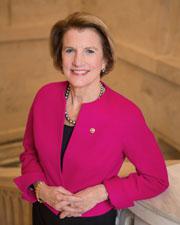
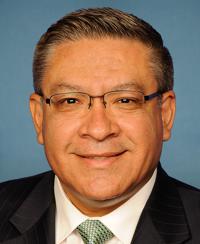
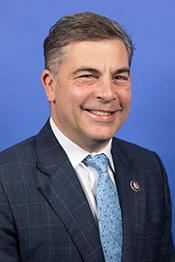
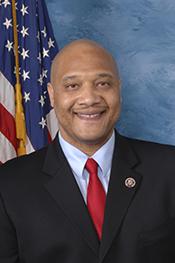
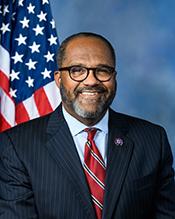
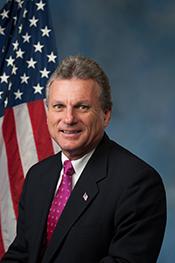
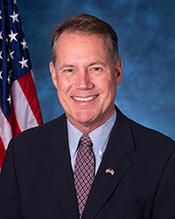
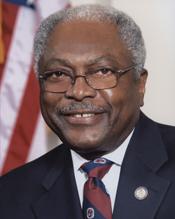
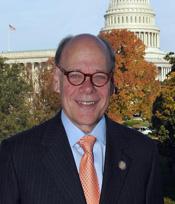
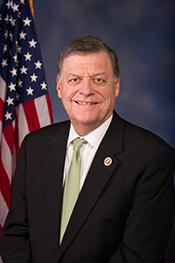
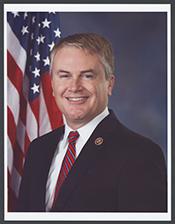
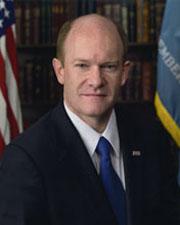
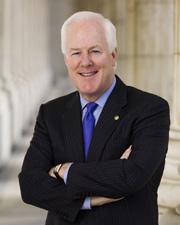
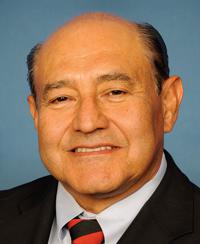
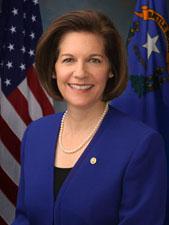
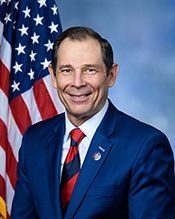
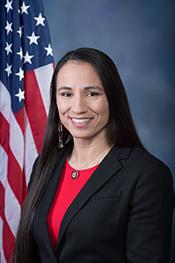
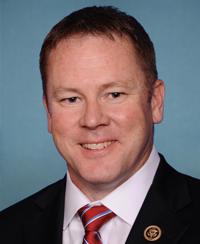
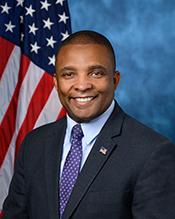
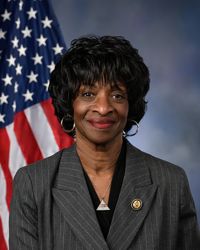
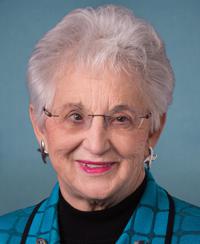
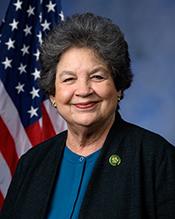
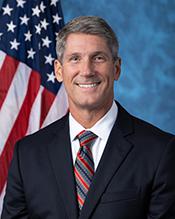
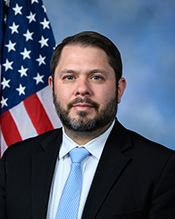
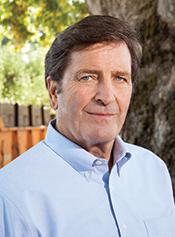
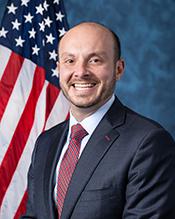
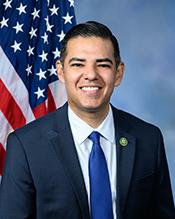
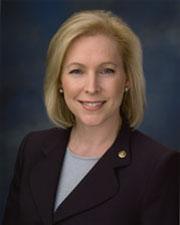
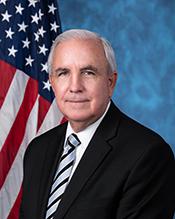
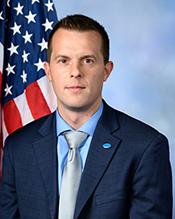
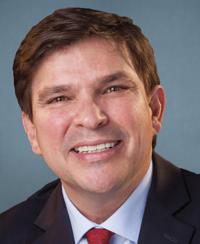
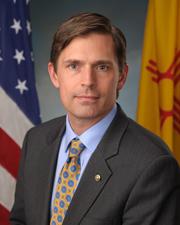
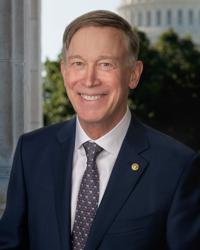
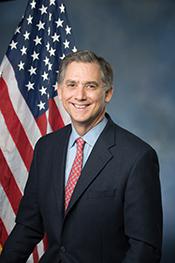
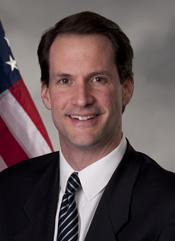
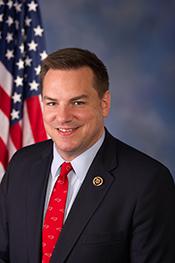
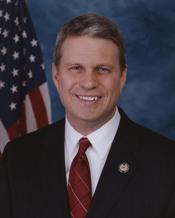
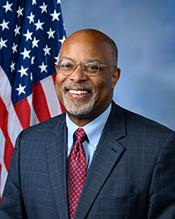
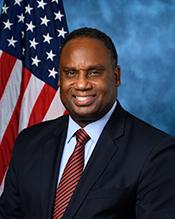
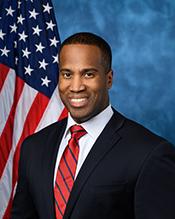
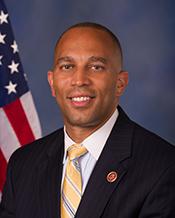
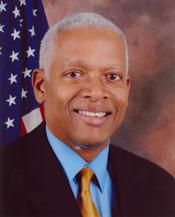
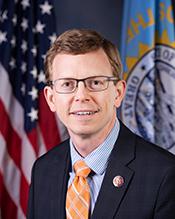
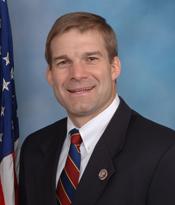
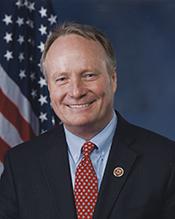
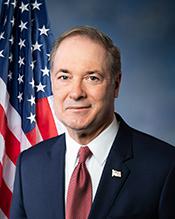
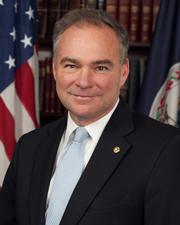
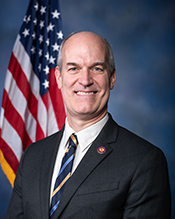
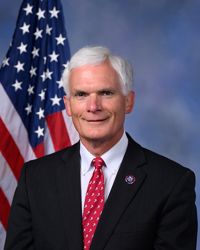
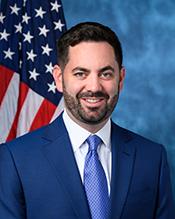
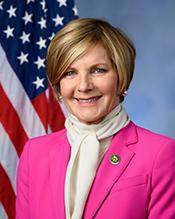
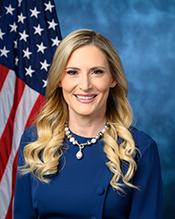
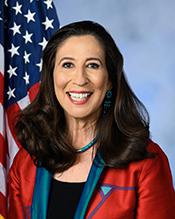
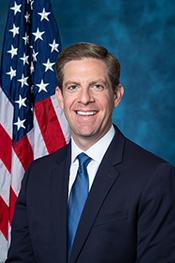
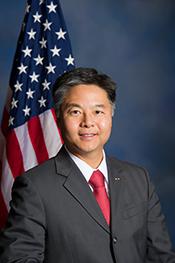
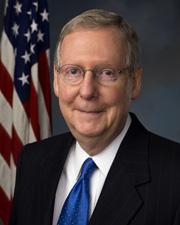
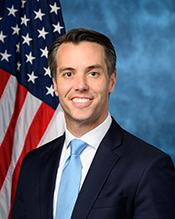
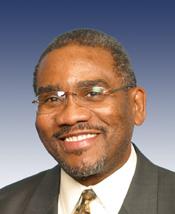
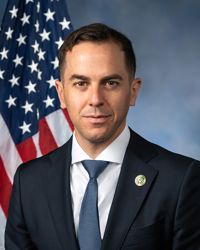
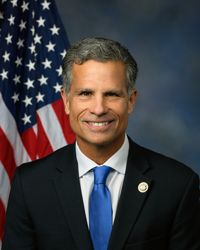
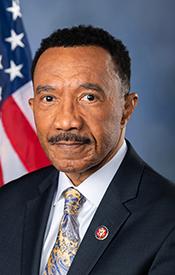
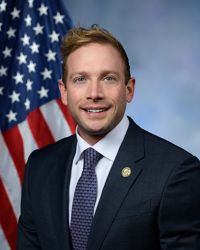
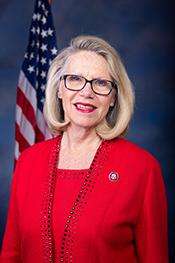
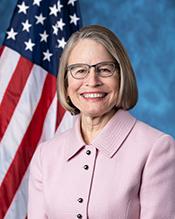
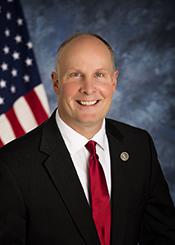
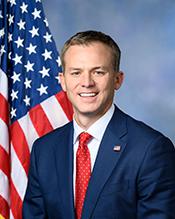
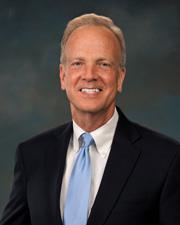
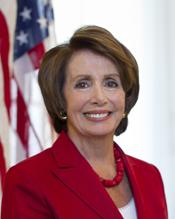
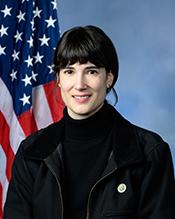
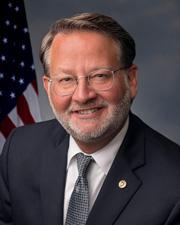
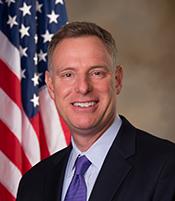
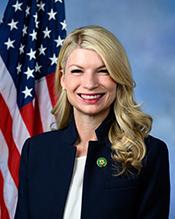
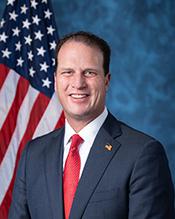
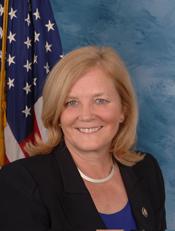
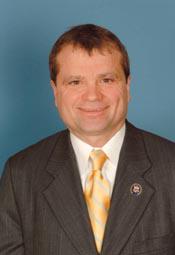
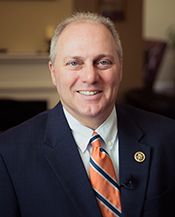
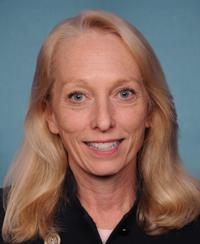
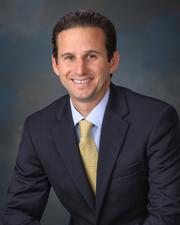
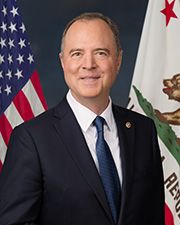
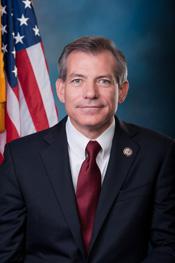
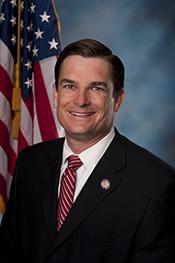
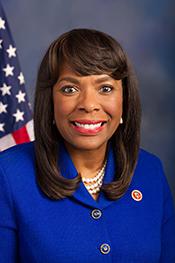
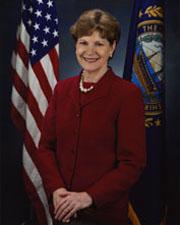
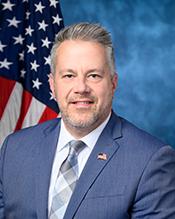
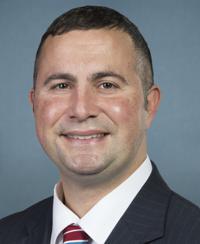
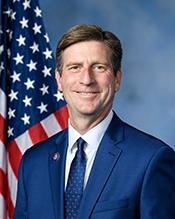
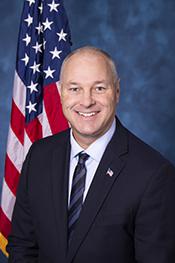
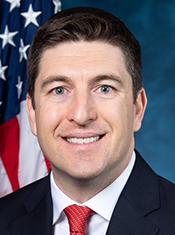
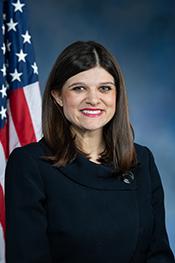
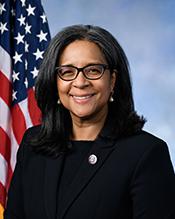
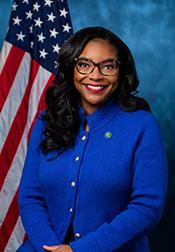
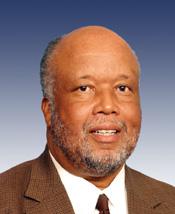
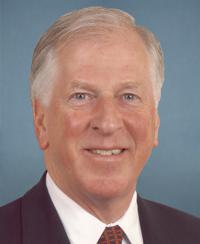
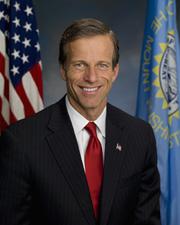
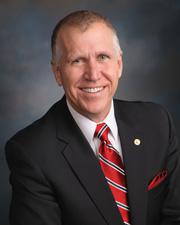
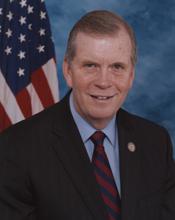
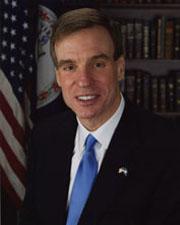
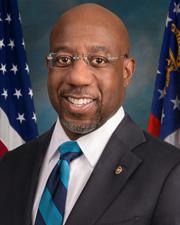
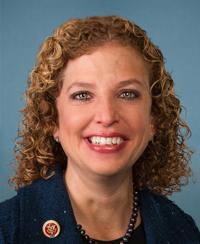
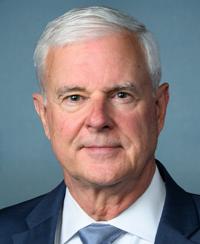
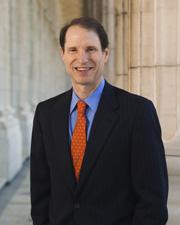
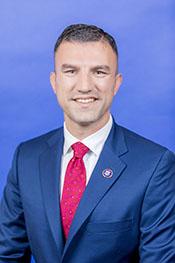
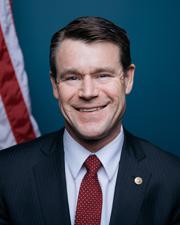
INDIVIDUAL VOTES
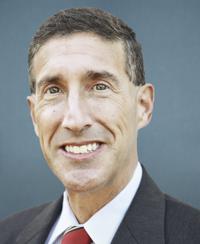
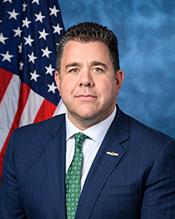
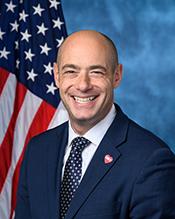
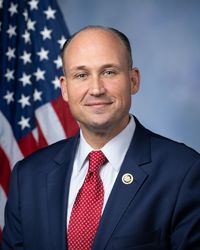
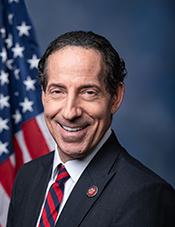
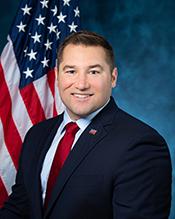
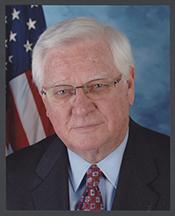
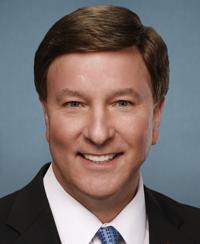
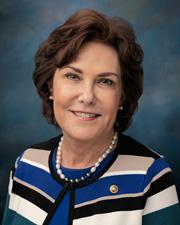
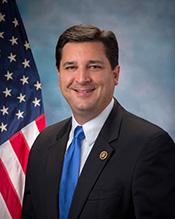
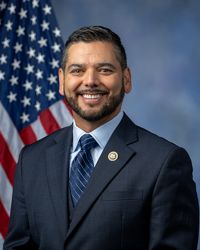
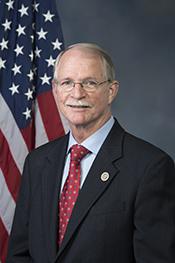
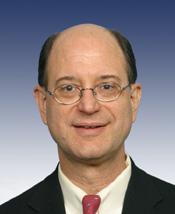
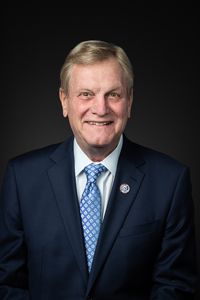
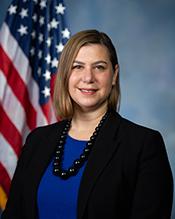
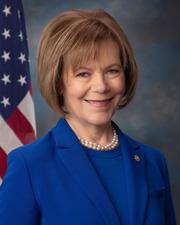
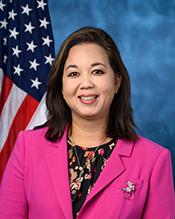
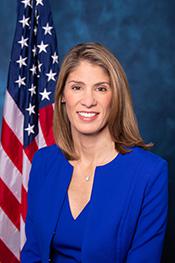
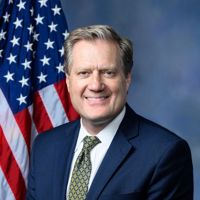
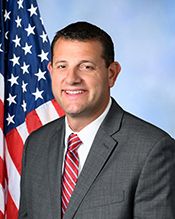
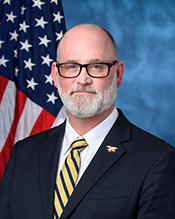
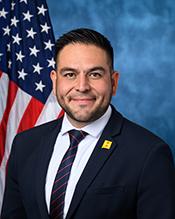
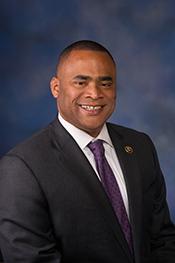
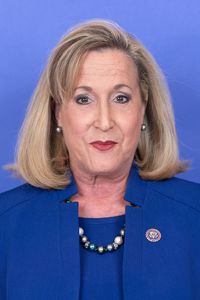
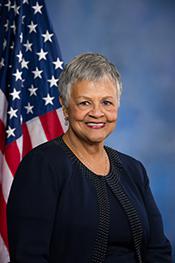
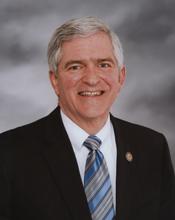
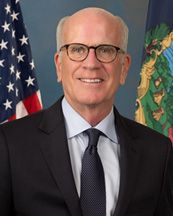
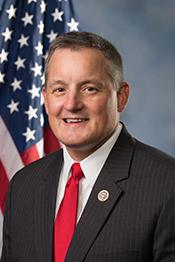
Recorded positions for tracked politicians














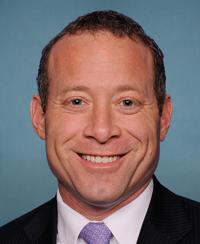

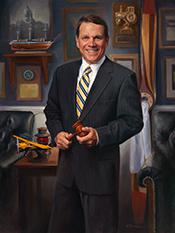
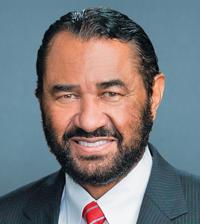
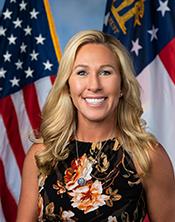











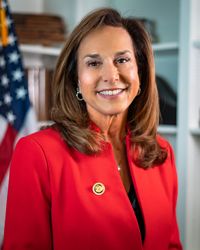
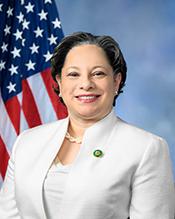
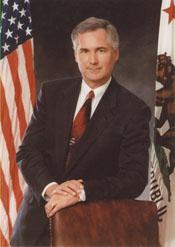
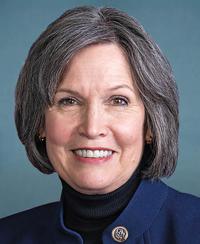

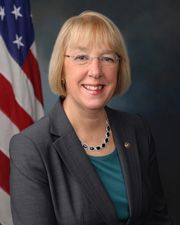
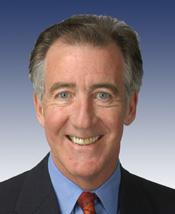

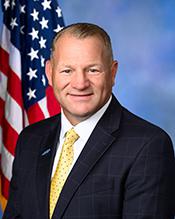
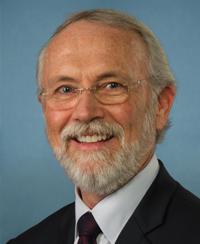
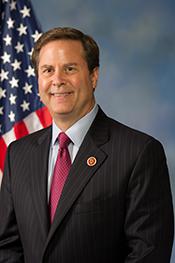
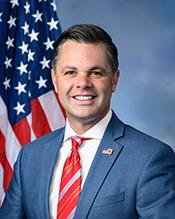
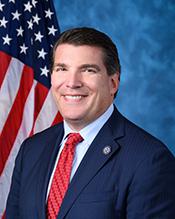


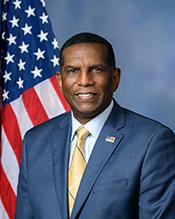
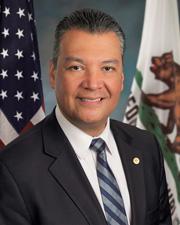
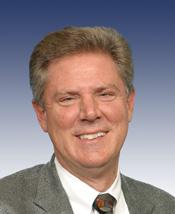
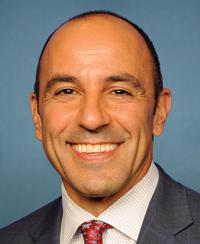
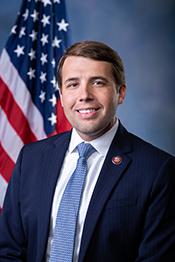


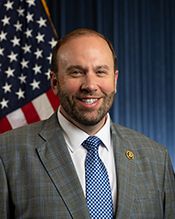
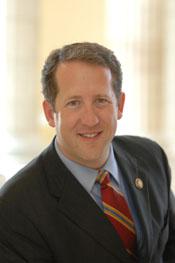

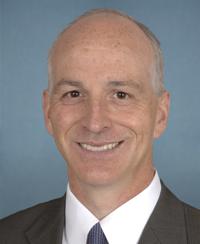
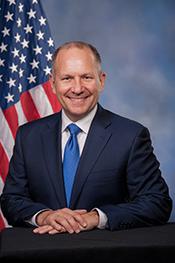






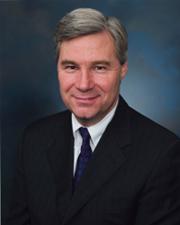
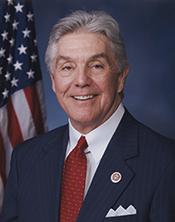
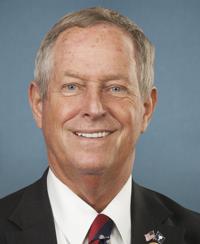
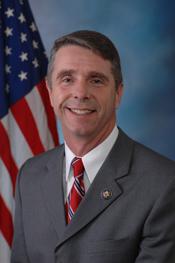
TRAIL AI
HR 3746, the Fiscal Responsibility Act of 2023, addressed federal spending and debt ceiling provisions and has been signed into law during the 118th Congress. The bill passed with 306 votes in favor and 133 opposed, with 169 Democrats and 44 Democrats voting yes, while 135 Republicans and 88 Republicans voted in favor. The legislation received support from members of both parties, though Democrats voted in favor at a higher rate than Republicans.
Based on public voting records. Does not imply causation.
TIMELINE
INTRODUCEDMay 29, 2023
PASSED HOUSEMay 31, 2023
PASSED SENATEJun 1, 2023
SIGNEDJun 3, 2023
DATA SOURCES
Bill data: Congress.gov · 117th–119th Congress (2021–present)
Vote records: House Clerk / Senate · 2021–present
Reflects public records. Does not imply causation.