HR521-117 · 117th Congress
Signed
Signed Dec 9, 2022First Responder Fair RETIRE Act
First Responder Fair Return for Employees on Their Initial Retirement Earned Act of 2021 or the First Responder Fair RETIRE Act This bill allows disabled federal first responders (e.g., law enforcement officers, customs and border protection officers, and firefighters) to continue receiving federal retirement benefits in the same manner as though they had not been disabled. Under current law, federal first responders are subject to a mandatory retirement age of 57. To facilitate this earlier retirement, federal first responders are required to pay a greater percentage of their salary towards retirement. Additionally, their annuity amount is calculated at a higher rate than other federal employees. This bill allows a federal first responder to remain in the accelerated retirement system if they are placed in another civil service position outside of that system after returning to work from a work-related injury or illness. Further, if such an employee is separated from service before they are entitled to receive an annuity, they may receive a refund of their accelerated contributions.
VOTE BREAKDOWN
Final passage · 294 politicians tracked
290
YEA
0
NAY
0
PRESENT
4
NOT VOTING
Dem YEA 144Rep YEA 146
BY PARTY · ✕ NAY ← | → YEA ✓
DEM
0
144
REP
0
146
MONEY ON THIS BILL
Which donor industries fund each side of the vote — total contributions from that industry to those members, all cycles · plus lobbying activity in affected industries
⬆ YEA voters — top donor industries
- 1. Lawyers & Lobbyists$174.3M
- 2. Securities & Investment$125.2M
- 3. Health Services$123.6M
⬇ NAY voters — top donor industries
No data yet.
◎ Lobbying activity by issue area
No bill-issue lobbying matches.
Dollar figures are each industry's total contributions to those members across all tracked cycles — not money given for this specific bill. Statistical patterns in public records; correlation, not causation.
LOBBYING ON THIS BILL
9 federal lobbying reports name this bill in their activity descriptions · LDA disclosures
NATIONAL AIR TRAFFIC CONTROLLERS ASSOCIATION8 reports
NATIONAL EDUCATION ASSOCIATION1 report
A report naming a bill means the organization disclosed lobbying activity on it — the disclosure does not state a position for or against.
INDIVIDUAL VOTES
Recorded positions for tracked politicians


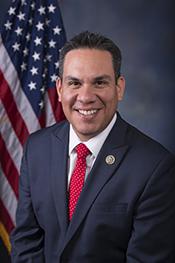







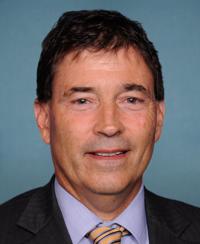

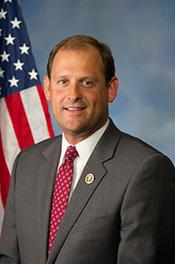


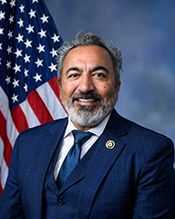












































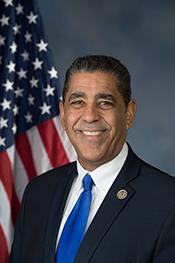
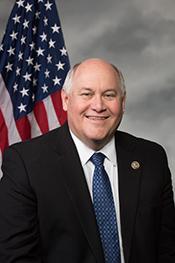
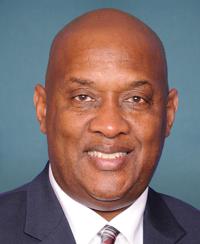



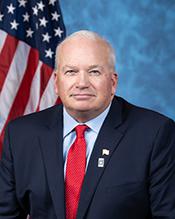













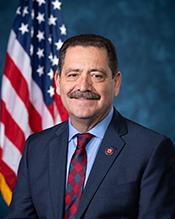




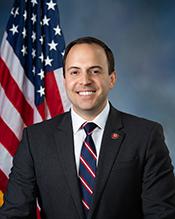

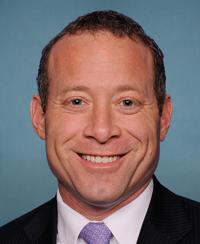


























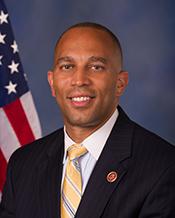







































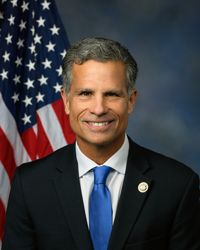









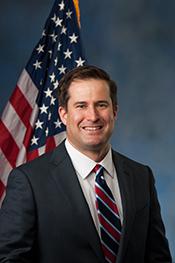



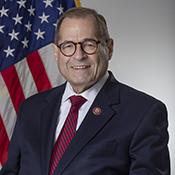


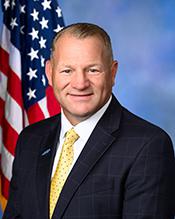











































































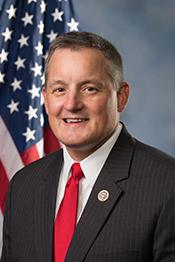






SPONSORS
15 COSPONSORS
BIPARTISAN● 10 D● 5 R
+9 more (see dot grid above)
TRAIL AI
The First Responder Fair RETIRE Act (HR 521) addresses retirement benefits and related provisions for first responders. The bill passed with unanimous support, receiving 289 votes in favor and zero votes against, with equal backing from both Democrats (144 votes) and Republicans (145 votes), and was subsequently signed into law during the 117th Congress.
Based on public voting records. Does not imply causation.
TIMELINE
INTRODUCEDJan 28, 2021
PASSED SENATENov 17, 2022
SIGNEDDec 9, 2022
DATA SOURCES
Bill data: Congress.gov · 117th–119th Congress (2021–present)
Vote records: House Clerk / Senate · 2021–present
Reflects public records. Does not imply causation.