HR5863-118 · 118th Congress
Signed
Signed Dec 12, 2024Federal Disaster Tax Relief Act of 2023
Federal Disaster Tax Relief Act of 2023 This bill extends rules for the treatment of certain disaster-related personal casualty losses and provides tax relief for losses due to wildfires and a certain incident involving a train derailment. Specifically, the bill excludes from taxpayer gross income, for income tax purposes, any amount received by an individual taxpayer as compensation for expenses or losses incurred due to a qualified wildfire disaster (a disaster declared after 2014 as a result of a forest or range fire). It also excludes relief payments for losses resulting from the East Palestine, Ohio, train derailment on February 3, 2023.
VOTE BREAKDOWN
Final passage · 363 politicians tracked
330
YEA
4
NAY
0
PRESENT
29
NOT VOTING
Dem YEA 168Ind YEA 1Rep NAY 4Rep YEA 161
BY PARTY · ✕ NAY ← | → YEA ✓
DEM
0
168
REP
4
161
IND
0
1
MONEY ON THIS BILL
Which donor industries fund each side of the vote — total contributions from that industry to those members, all cycles · plus lobbying activity in affected industries
⬆ YEA voters — top donor industries
- 1. Lawyers & Lobbyists$198.2M
- 2. Securities & Investment$137.9M
- 3. Health Services$132.3M
⬇ NAY voters — top donor industries
- 1. Securities & Investment$760K
- 2. Construction & Engineering$671K
- 3. Lawyers & Lobbyists$563K
◎ Lobbying activity by issue area
No bill-issue lobbying matches.
Dollar figures are each industry's total contributions to those members across all tracked cycles — not money given for this specific bill. Statistical patterns in public records; correlation, not causation.
LOBBYING ON THIS BILL
38 federal lobbying reports name this bill in their activity descriptions · LDA disclosures
NORFOLK SOUTHERN CORPORATION10 reports
NATIONAL ASSOCIATION OF MUTUAL INSURANCE COMPANIES7 reports
BNSF RAILWAY COMPANY6 reports
AMERICAN FAMILY MUTUAL INSURANCE COMPANY, S.I.5 reports
AMERICAN PROPERTY CASUALTY INSURANCE ASSOCIATION5 reports
AICPA ASSOCIATION OF INTERNATIONAL CERTIFIED PROFESSIONAL ACCOUNTANTS2 reports
AMERICAN ASSOCIATION FOR JUSTICE2 reports
AMERICAN PROPERTY CASUALTY INSURANCE ASSOCIATION FKA PROPERTY CASUALTY INSURERS1 report
⟳ The revolving door — lobbyists on this bill with disclosed former government roles
Heather SagerRep. Cheri Bustos - Deputy Chief of Staff
Justice EstradaSenator Charles Schumer, Intern; Senator Dianne Feinstein, Legislative Correspondent
Theodore NastaseSenate Subcommittee on Federal Spending Oversight and Emergency Planning, Senator Gary Peters, Intern
Molly CareyDeputy Chief of Staff and Legislative Director-Rep. Sean Patrick Maloney (NY-18)
Lauren VaheyRep Gus Bilirakis; Sen Angus King, Jr.
Monica PoppChief of Staff/Deputy Chief of Staff, Office of Senate Republican Whip John Cornyn; Professional Staff Member, U.S. House of Representatives-Energy & Commerce Committee; Legislative Assistant, Senator Jim DeMint
“Covered position” is the former government job lobbyists must disclose by law (LDA §4). Prior service is stated on the filings; it carries no implication of wrongdoing. Full revolving-door board →
A report naming a bill means the organization disclosed lobbying activity on it — the disclosure does not state a position for or against.
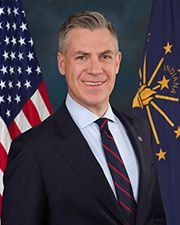
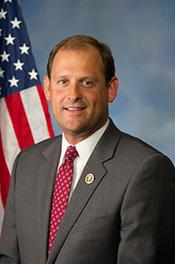
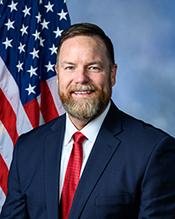
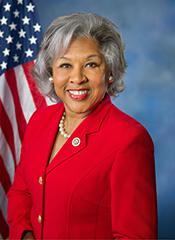
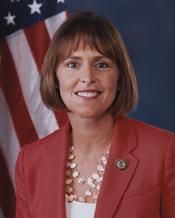
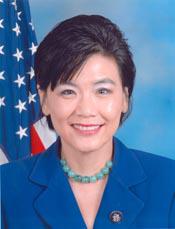
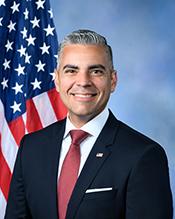
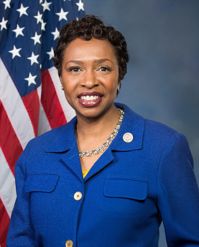
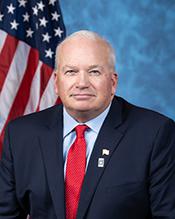
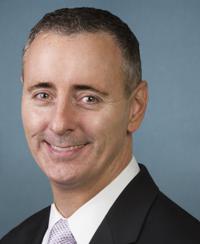
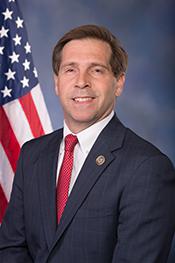
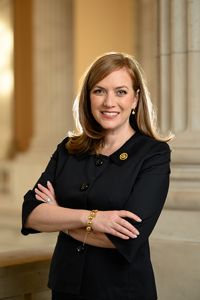
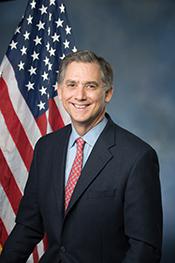
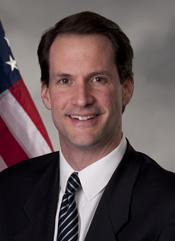
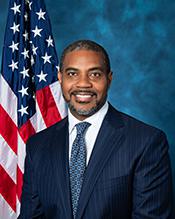
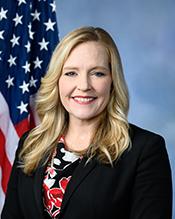
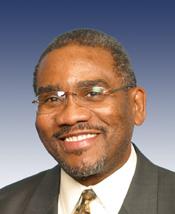
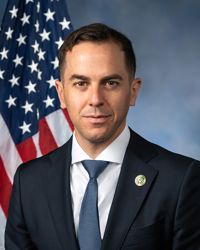
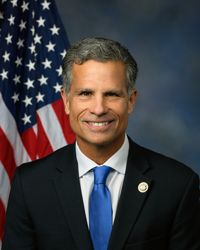
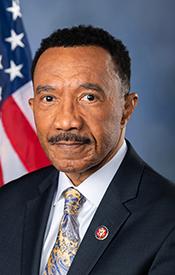
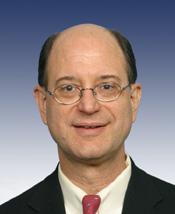
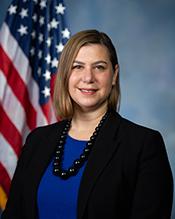
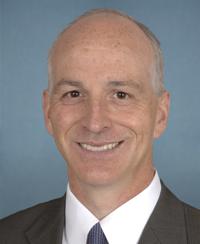
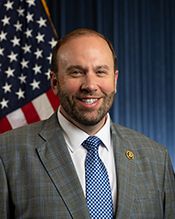
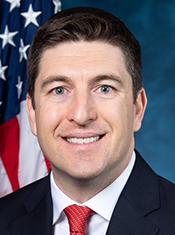
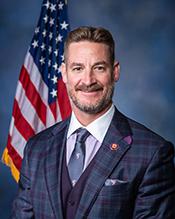
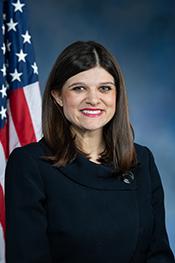
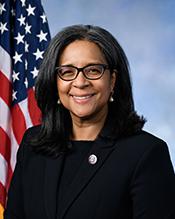
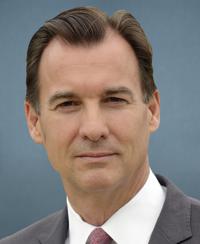
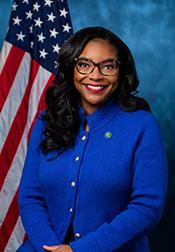
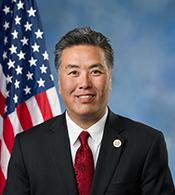
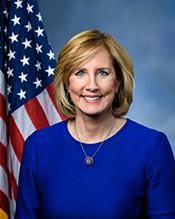
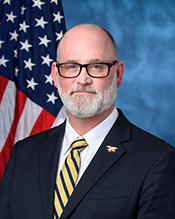
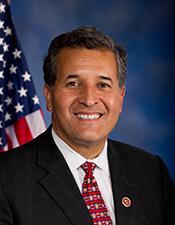
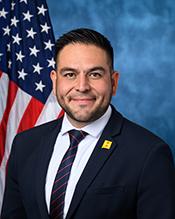
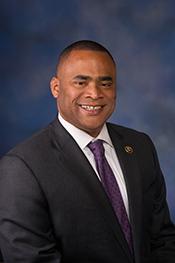
INDIVIDUAL VOTES
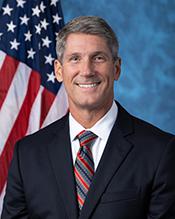
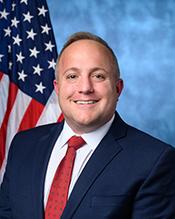
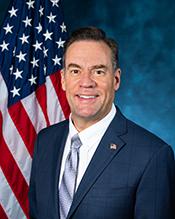
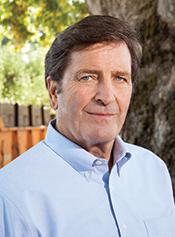
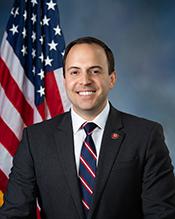
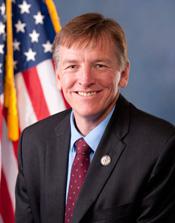
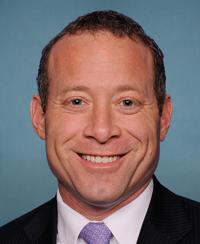
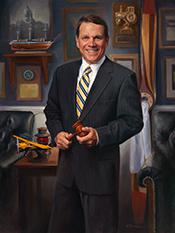
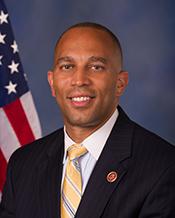
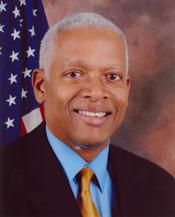
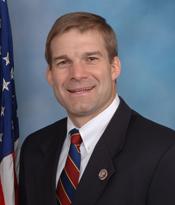
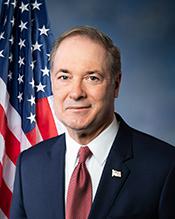
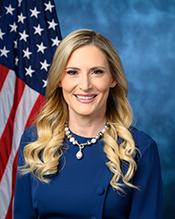
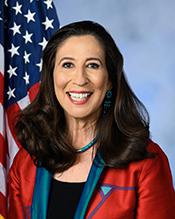
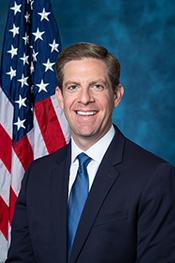
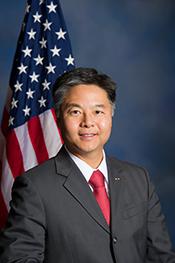
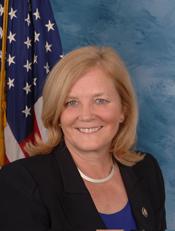
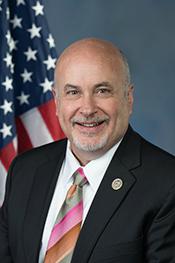
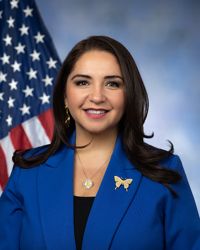
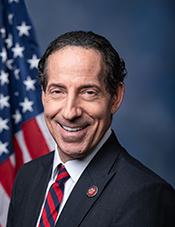
Recorded positions for tracked politicians






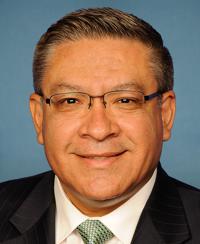

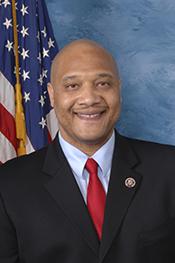
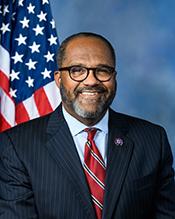
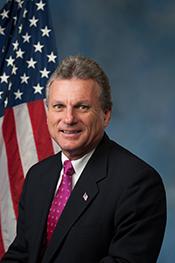







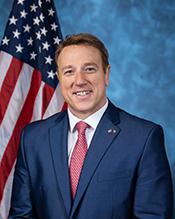
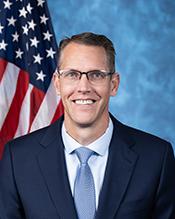
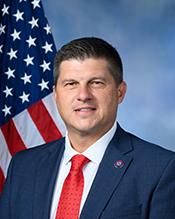
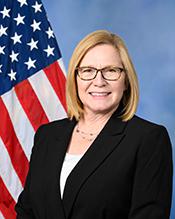

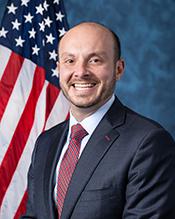
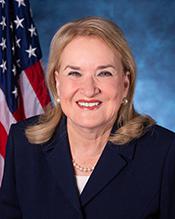
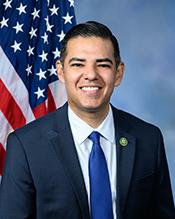
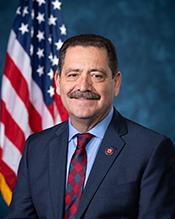

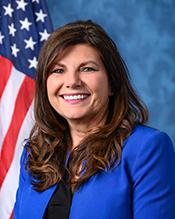
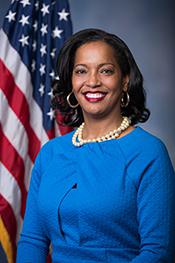
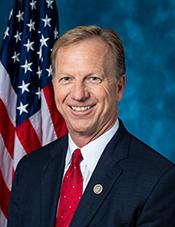
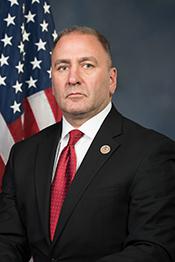



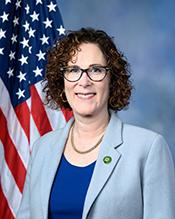
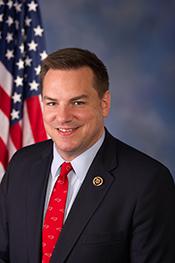
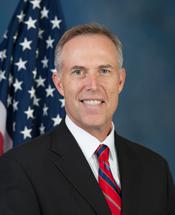
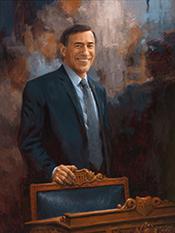










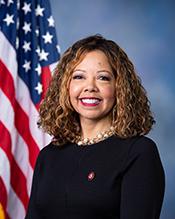
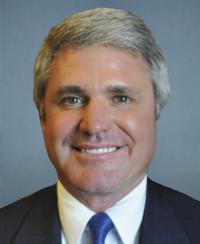
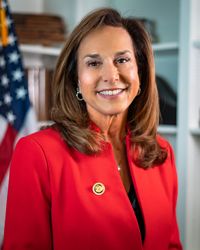
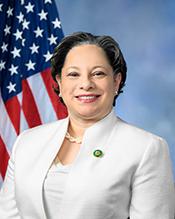





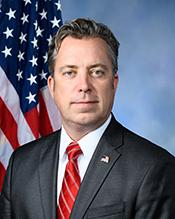




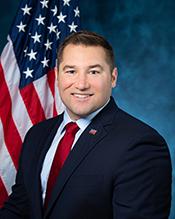





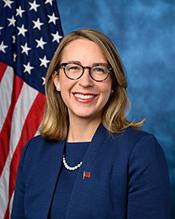
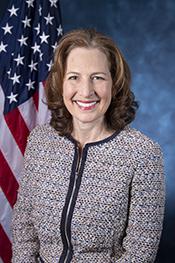
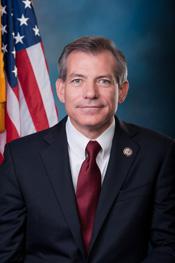
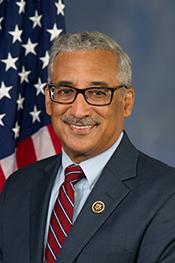
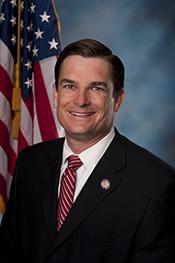
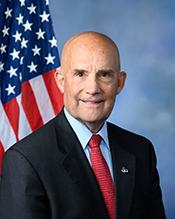
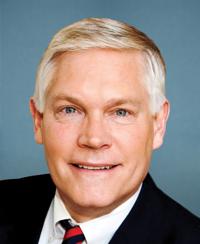
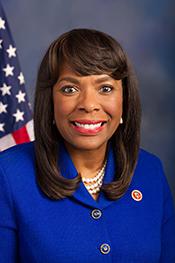




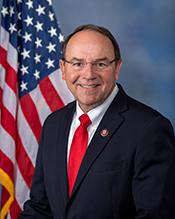
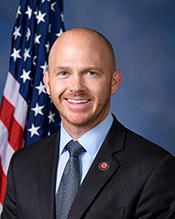

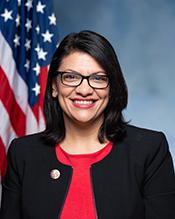
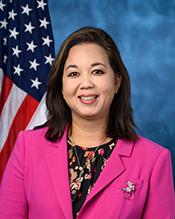





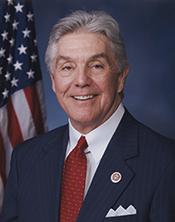
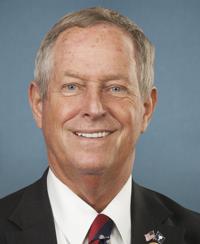
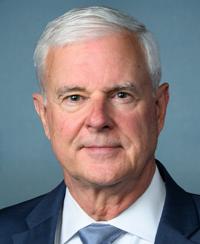

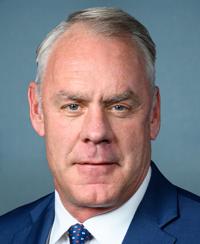
SPONSORS
W. Gregory Steube
R-FL · Primary
28 COSPONSORS
BIPARTISAN● 14 D● 13 R● 1 I
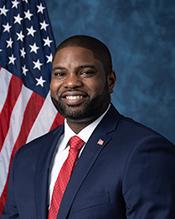
+22 more (see dot grid above)
SPONSOR FUNDING
Top industries funding Steube
Lawyers & Lobbyists15%
Lawyers & Lobbyists 15% of classified donations
Health Services12%
Health Services 12% of classified donations
Agriculture9%
Agriculture 9% of classified donations
Insurance9%
Insurance 9% of classified donations
Construction & Engineering6%
Construction & Engineering 6% of classified donations
TRAIL AI
The Federal Disaster Tax Relief Act of 2023 (HR 5863) provides tax relief measures for individuals and businesses affected by federally declared disasters. The bill passed the House with overwhelming bipartisan support, receiving 330 votes in favor and 4 votes in opposition, with all 4 opposing votes coming from Republicans and no Democratic opposition. The legislation has been signed into law.
Based on public voting records. Does not imply causation.
TIMELINE
INTRODUCEDOct 2, 2023
PASSED SENATEDec 4, 2024
SIGNEDDec 12, 2024
DATA SOURCES
Bill data: Congress.gov · 117th–119th Congress (2021–present)
Vote records: House Clerk / Senate · 2021–present
Reflects public records. Does not imply causation.