HR8932-118 · 118th Congress
Signed
Signed Dec 11, 2024FAFSA Deadline Act
FAFSA Deadline Act This bill requires the Department of Education (ED) to make the Free Application for Federal Student Aid (FAFSA) available by October 1 of each year. (Students apply for federal student aid by completing the FAFSA.) Under current law, ED must enable applicants to submit the FAFSA and initiate the processing of submitted FAFSAs by January 1 of the applicant's planned year of enrollment, and to the maximum extent practicable, on or around October 1 prior to the applicant's planned year of enrollment. This bill removes the January 1 flexibility and imposes a statutory deadline for release of the FAFSA as October 1.
VOTE BREAKDOWN
Final passage · 367 politicians tracked
336
YEA
1
NAY
0
PRESENT
30
NOT VOTING
Dem YEA 164Dem NAY 1Ind YEA 1Rep YEA 171
BY PARTY · ✕ NAY ← | → YEA ✓
DEM
1
164
REP
0
171
IND
0
1
MONEY ON THIS BILL
Which donor industries fund each side of the vote — total contributions from that industry to those members, all cycles · plus lobbying activity in affected industries
⬆ YEA voters — top donor industries
- 1. Lawyers & Lobbyists$197.6M
- 2. Securities & Investment$140.8M
- 3. Health Services$139.2M
⬇ NAY voters — top donor industries
- 1. Technology$1.3M
- 2. Lawyers & Lobbyists$1.0M
- 3. Labor Unions$320K
◎ Lobbying activity by issue area
No bill-issue lobbying matches.
Dollar figures are each industry's total contributions to those members across all tracked cycles — not money given for this specific bill. Statistical patterns in public records; correlation, not causation.
LOBBYING ON THIS BILL
16 federal lobbying reports name this bill in their activity descriptions · LDA disclosures
UNIVERSITY OF MICHIGAN2 reports
THE UNIVERSITY OF NORTH CAROLINA SYSTEM2 reports
NATIONAL EDUCATION ASSOCIATION2 reports
VANDERBILT UNIVERSITY2 reports
ASSOCIATION OF AMERICAN MEDICAL COLLEGES1 report
AMERICAN PSYCHOLOGICAL ASSOCIATION SERVICES INC.(FKA AMERICAN PSYCHOLOGICAL ASSN1 report
RUTGERS THE STATE UNIVERSITY OF NEW JERSEY1 report
BOARD OF REGENTS OF UNIVERSITY OF WISCONSIN SYSTEM1 report
⟳ The revolving door — lobbyists on this bill with disclosed former government roles
Christina WestAssociate V/C, Vanderbilt University Federal Relations
Elizabeth MorraElizabeth Morra, VP Federal Relations, UNC System
Heather BloemhardDirector, Vanderbilt University Federal Relations
Allison SteilDeputy Chief of Staff, Congressman Paul D. Ryan (WI-01)
“Covered position” is the former government job lobbyists must disclose by law (LDA §4). Prior service is stated on the filings; it carries no implication of wrongdoing. Full revolving-door board →
A report naming a bill means the organization disclosed lobbying activity on it — the disclosure does not state a position for or against.
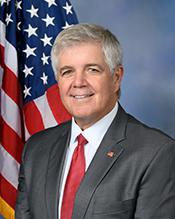
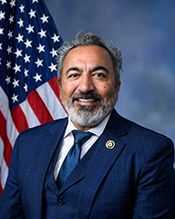
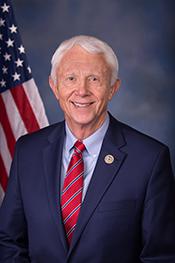
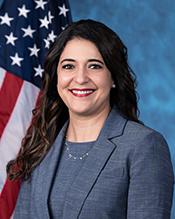
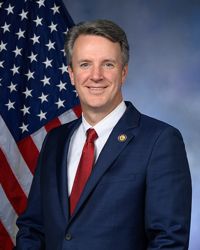
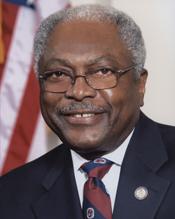
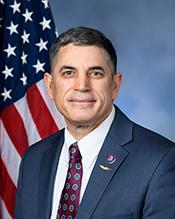
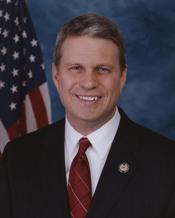
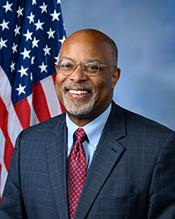
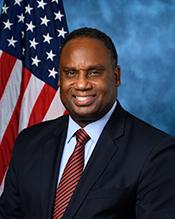
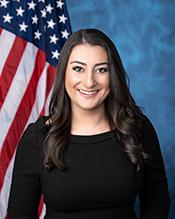
INDIVIDUAL VOTES
Recorded positions for tracked politicians


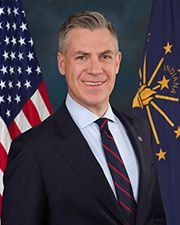
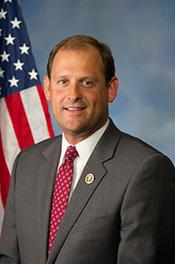

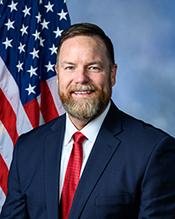
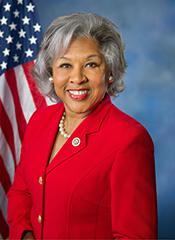

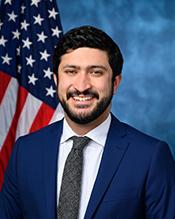
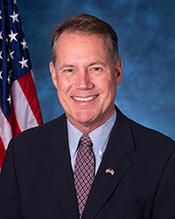
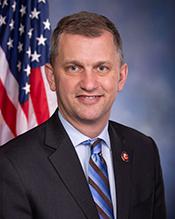
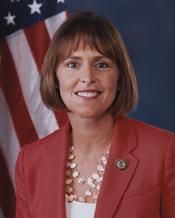

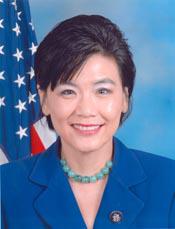
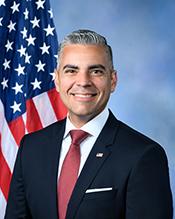

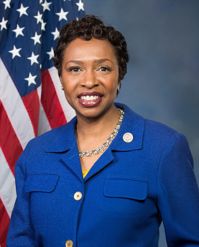
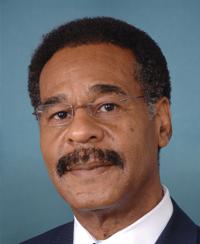


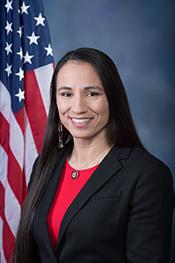
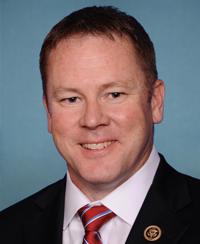
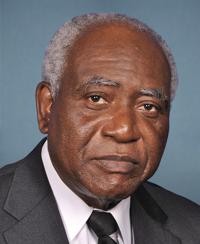
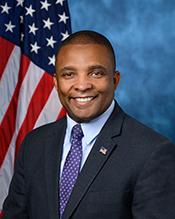

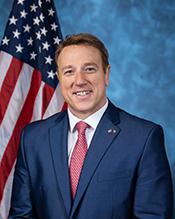
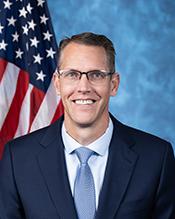
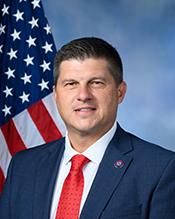
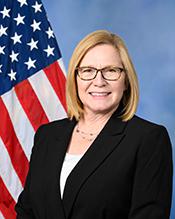

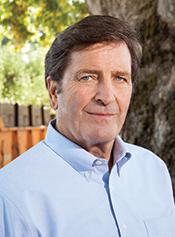
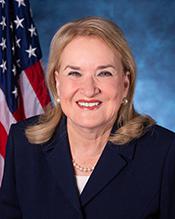
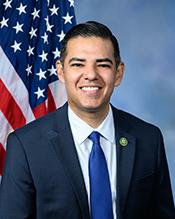
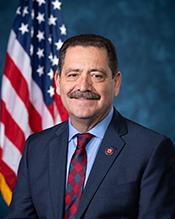
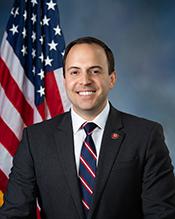
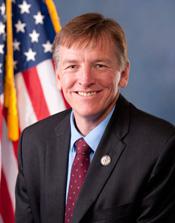
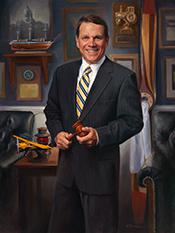
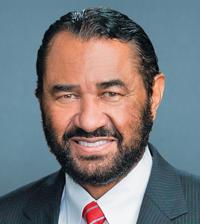
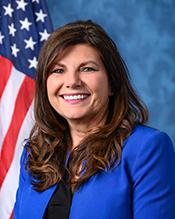
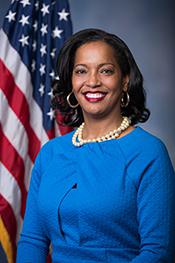
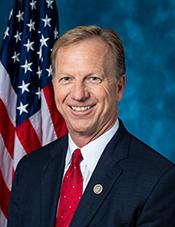
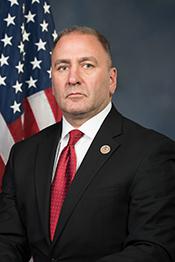



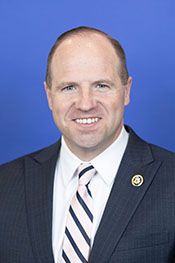
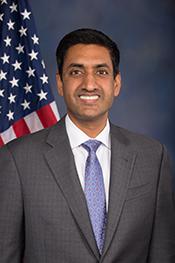
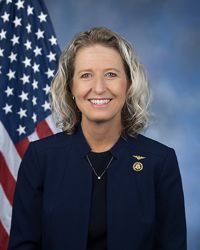
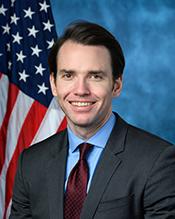
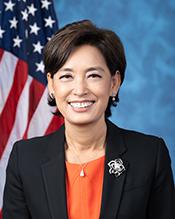

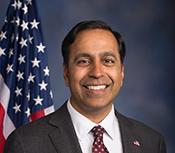
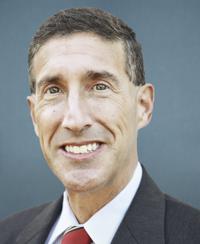
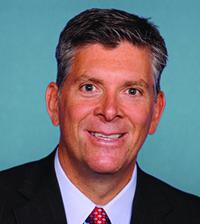




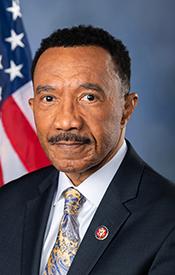
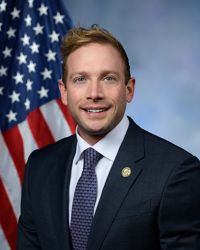
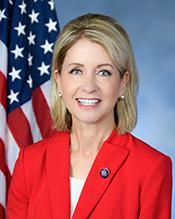
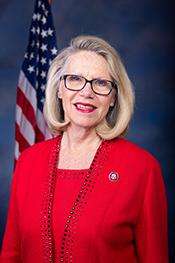
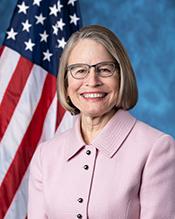
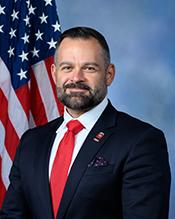
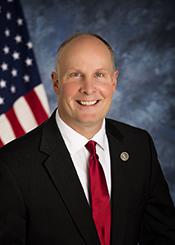
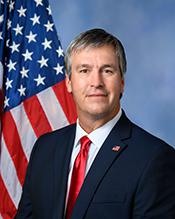
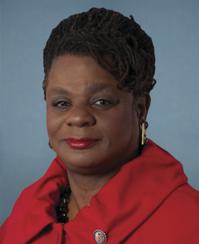
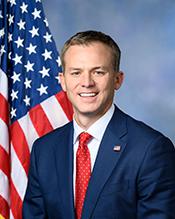
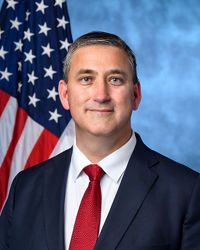

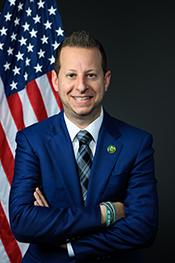

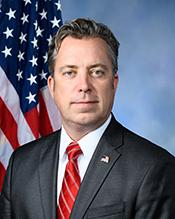
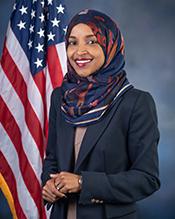
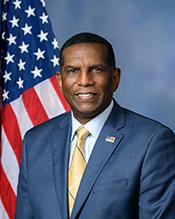
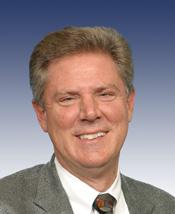
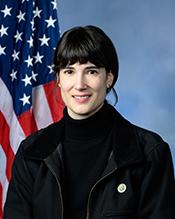
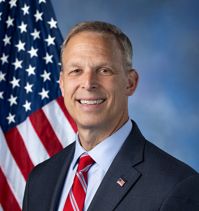
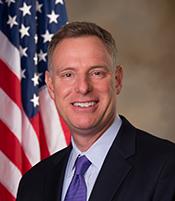
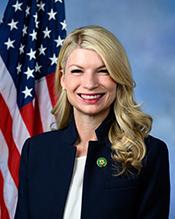
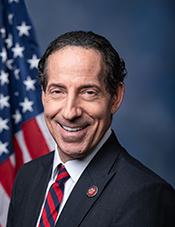
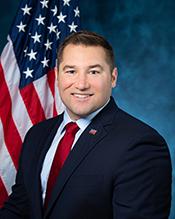
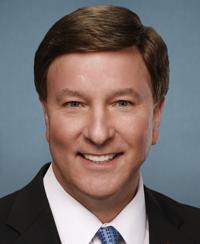
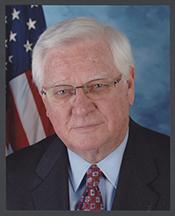
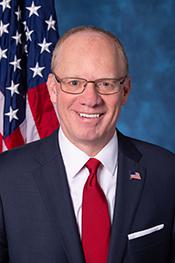
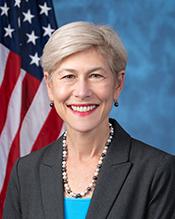
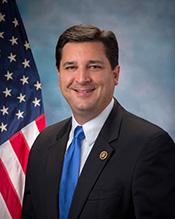
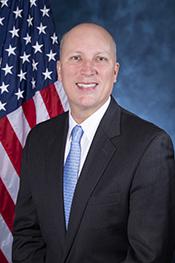
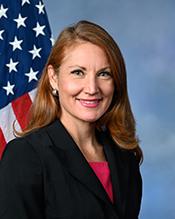
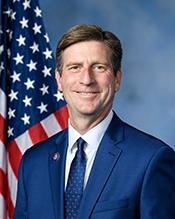
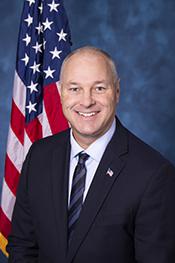

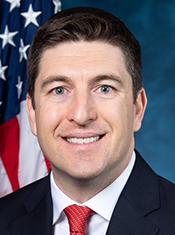
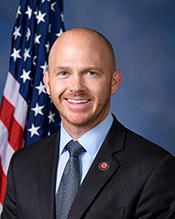

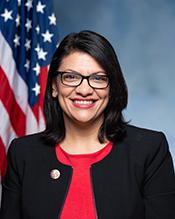
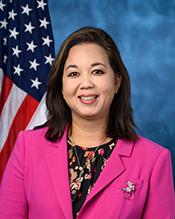

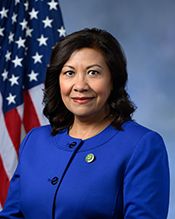


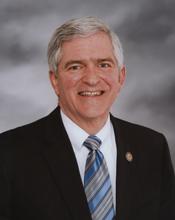
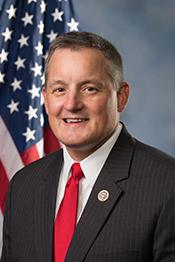
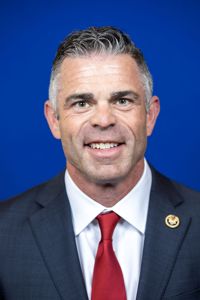
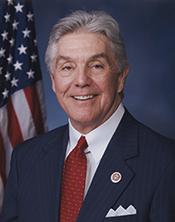
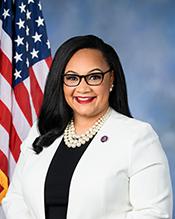
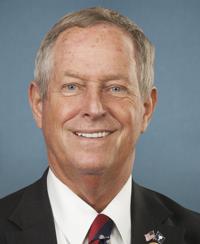
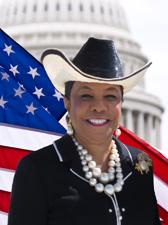
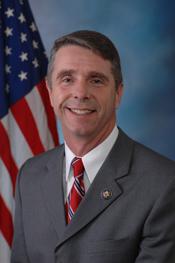
SPONSORS
Erin Houchin
R-IN · Primary
9 COSPONSORS
REPUBLICAN● 8 R● 1 I
+3 more (see dot grid above)
SPONSOR FUNDING
Top industries funding Houchin
Single-Issue Advocacy11%
Single-Issue Advocacy 11% of classified donations
Securities & Investment10%
Securities & Investment 10% of classified donations
Lawyers & Lobbyists9%
Lawyers & Lobbyists 9% of classified donations
Insurance9%
Insurance 9% of classified donations
Health Services7%
Health Services 7% of classified donations
TRAIL AI
HR 8932, the FAFSA Deadline Act, addresses the deadline for submitting the Free Application for Federal Student Aid (FAFSA) form. The bill passed with overwhelming bipartisan support, receiving 336 yes votes and 1 no vote, with Democrats voting 164 to 1 in favor and Republicans voting 171 to 0 in favor. The bill was signed into law during the 118th Congress.
Based on public voting records. Does not imply causation.
TIMELINE
INTRODUCEDJul 5, 2024
PASSED SENATENov 21, 2024
SIGNEDDec 11, 2024
DATA SOURCES
Bill data: Congress.gov · 117th–119th Congress (2021–present)
Vote records: House Clerk / Senate · 2021–present
Reflects public records. Does not imply causation.