S4052-117 · 117th Congress
Signed
Signed Dec 20, 2022Early Hearing Detection and Intervention Act of 2022
Early Hearing Detection and Intervention Act of 2022 This bill reauthorizes through FY2027 various activities carried out by the Health Resources and Services Administration, the Centers for Disease Control and Prevention, and the National Institute on Deafness and Other Communication Disorders that support screening and early intervention services for newborns, infants, and young children who are deaf or hard of hearing. The Government Accountability Office must also conduct a study of state early hearing detection and intervention programs, including with respect to disparities in accessing the programs.
VOTE BREAKDOWN
Final passage · 297 politicians tracked
284
YEA
10
NAY
0
PRESENT
3
NOT VOTING
Dem YEA 145Rep NAY 10Rep YEA 139
BY PARTY · ✕ NAY ← | → YEA ✓
DEM
0
145
REP
10
139
MONEY ON THIS BILL
Which donor industries fund each side of the vote — total contributions from that industry to those members, all cycles · plus lobbying activity in affected industries
⬆ YEA voters — top donor industries
- 1. Lawyers & Lobbyists$174.3M
- 2. Health Services$123.9M
- 3. Securities & Investment$123.5M
⬇ NAY voters — top donor industries
- 1. Lawyers & Lobbyists$1.2M
- 2. Construction & Engineering$1.1M
- 3. Health Services$1.0M
◎ Lobbying activity by issue area
No bill-issue lobbying matches.
Dollar figures are each industry's total contributions to those members across all tracked cycles — not money given for this specific bill. Statistical patterns in public records; correlation, not causation.
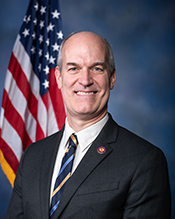
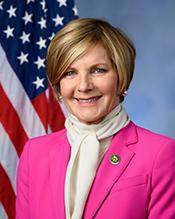
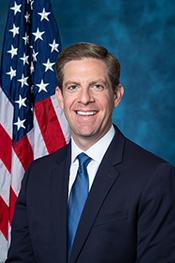
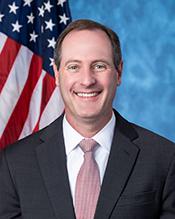
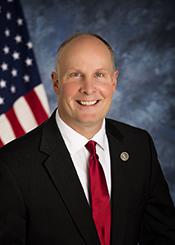
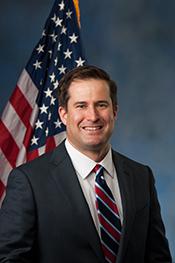
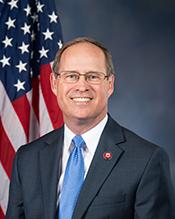
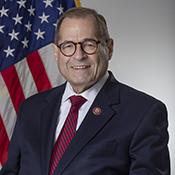
INDIVIDUAL VOTES
Recorded positions for tracked politicians
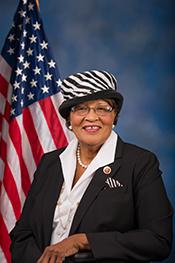

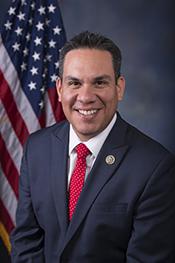

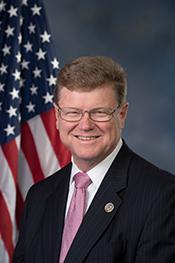

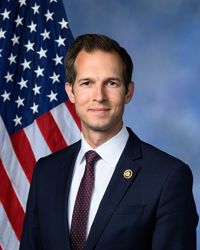









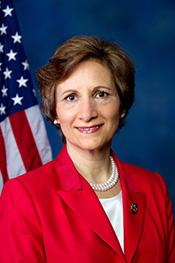
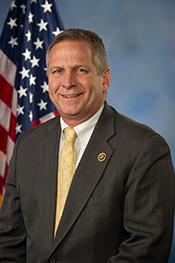


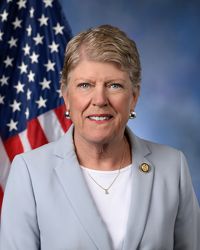
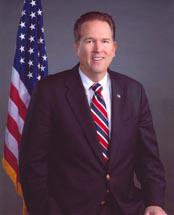
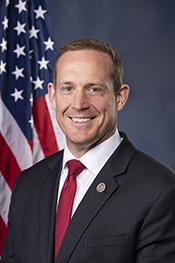

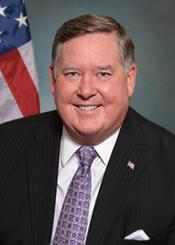

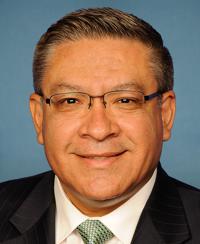

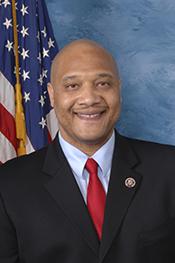















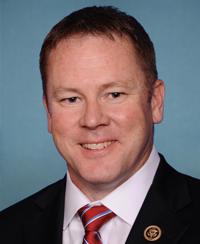
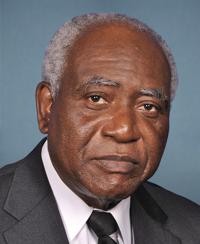



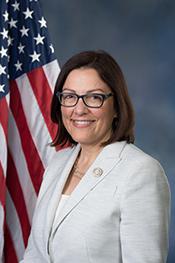
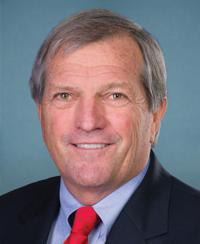
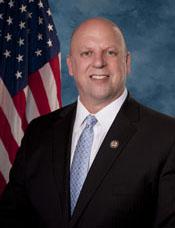
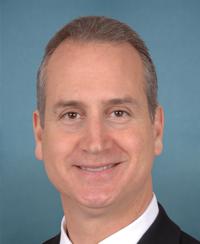



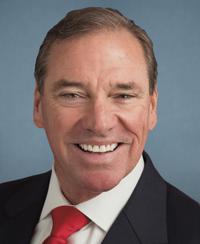
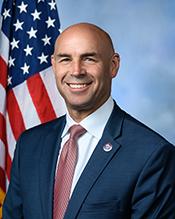
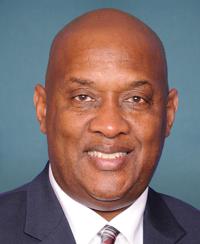


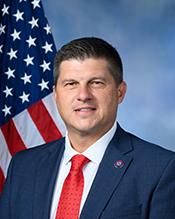

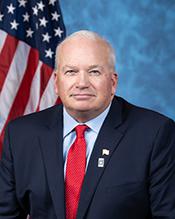

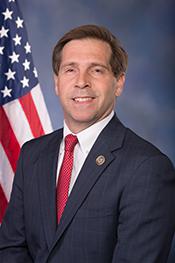



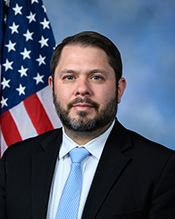


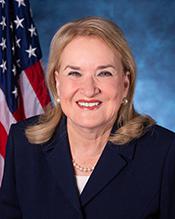
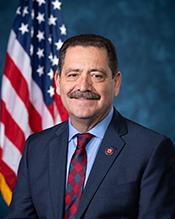
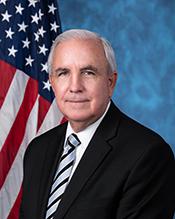



















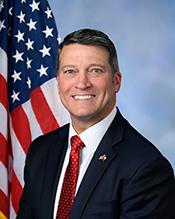


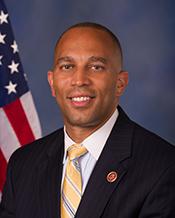



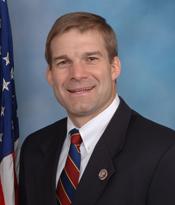
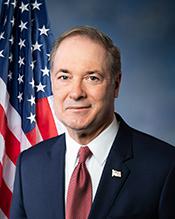
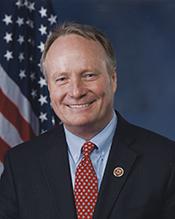


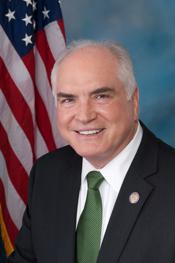

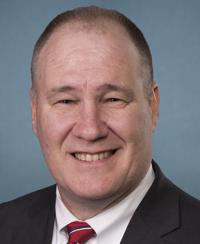





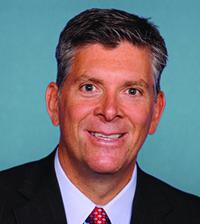





























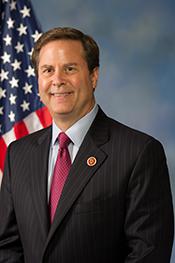
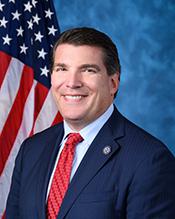


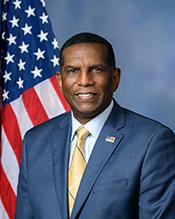

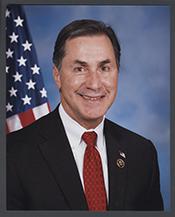








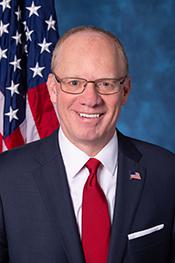

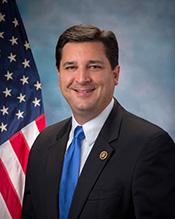
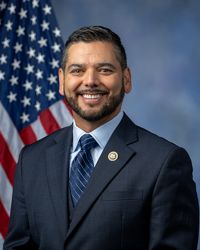
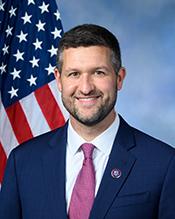





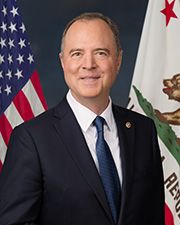
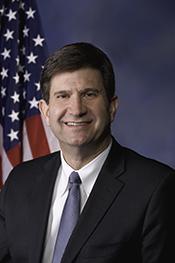


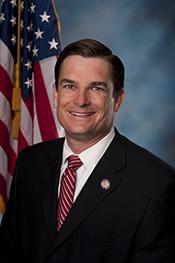
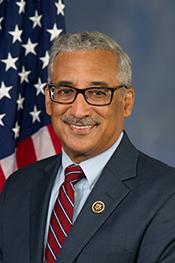










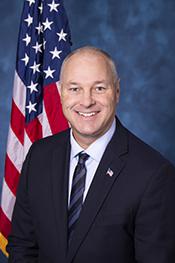




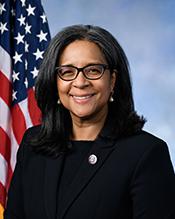

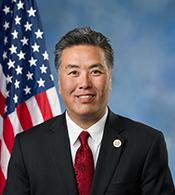
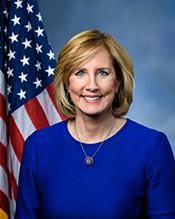

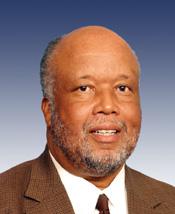

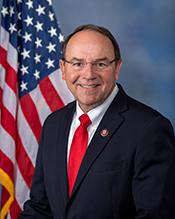
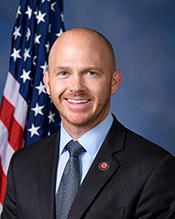

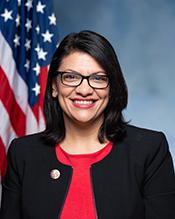

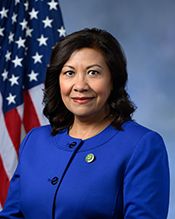



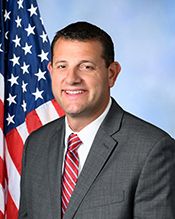


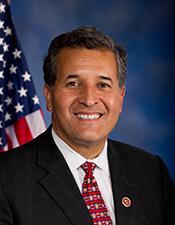
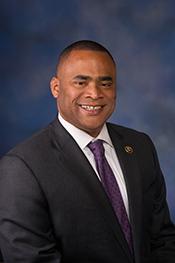





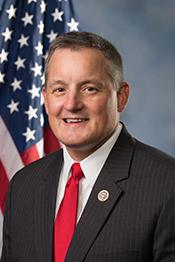
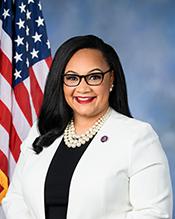
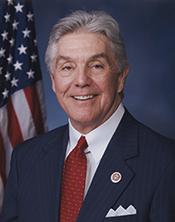





SPONSORS
3 COSPONSORS
BIPARTISAN● 2 D● 1 R



TRAIL AI
The Early Hearing Detection and Intervention Act of 2022 addresses programs and services for early identification and treatment of hearing loss in infants and children. The bill passed with bipartisan support, receiving 283 votes in favor and 10 votes against, with all opposing votes coming from Republicans while Democrats voted unanimously in favor. The legislation was signed into law during the 117th Congress.
Based on public voting records. Does not imply causation.
TIMELINE
INTRODUCEDApr 7, 2022
PASSED SENATEDec 1, 2022
SIGNEDDec 20, 2022
DATA SOURCES
Bill data: Congress.gov · 117th–119th Congress (2021–present)
Vote records: House Clerk / Senate · 2021–present
Reflects public records. Does not imply causation.