S3875-117 · 117th Congress
Signed
Signed Dec 20, 2022Community Disaster Resilience Zones Act of 2022
Community Disaster Resilience Zones Act of 2022 This bill requires the President to continue to maintain a natural disaster assessment program that develops and maintains publicly available products to show the risk of natural hazards across the United States. Such products shall show the risk of natural hazards and include ratings and data for loss exposure, social vulnerability, community resilience, and any other element determined by the President. The President shall (1) review the underlying methodology of any product that is a natural disaster hazard risk assessment, and (2) consider including additional data in any product that is a natural disaster hazard risk assessment. Additionally, the President must conduct such reviews to evaluate and update the assessments at least every five years. Using the reviewed assessments, the President must periodically identify and designate community disaster resilience zones (CDRZs), which shall be (1) the 50 census tracts assigned the highest individual hazard risk ratings; and (2) in each state, not less than 1% of census tracts that are assigned a high risk rating, taking into consideration specified geographic balance. The President may provide financial, technical, or other assistance to an eligible entity (a state, Indian tribal government, or local government) that plans to perform a resilience or mitigation project within, or that primarily benefits, a CDRZ.
VOTE BREAKDOWN
Final passage · 297 politicians tracked
223
YEA
71
NAY
0
PRESENT
3
NOT VOTING
Dem YEA 144Rep NAY 71Rep YEA 79
BY PARTY · ✕ NAY ← | → YEA ✓
DEM
0
144
REP
71
79
MONEY ON THIS BILL
Which donor industries fund each side of the vote — total contributions from that industry to those members, all cycles · plus lobbying activity in affected industries
⬆ YEA voters — top donor industries
- 1. Lawyers & Lobbyists$154.4M
- 2. Securities & Investment$108.9M
- 3. Health Services$105.0M
⬇ NAY voters — top donor industries
- 1. Lawyers & Lobbyists$22.2M
- 2. Health Services$20.1M
- 3. Securities & Investment$18.6M
◎ Lobbying activity by issue area
No bill-issue lobbying matches.
Dollar figures are each industry's total contributions to those members across all tracked cycles — not money given for this specific bill. Statistical patterns in public records; correlation, not causation.
LOBBYING ON THIS BILL
33 federal lobbying reports name this bill in their activity descriptions · LDA disclosures
COMMON CAUSE4 reports
CAMPAIGN LEGAL CENTER, INC.4 reports
GOOGLE CLIENT SERVICES LLC3 reports
X CORP. (FORMERLY TWITTER, INC.)3 reports
LEADERSHIP CONFERENCE ON CIVIL AND HUMAN RIGHTS3 reports
UNIDOSUS (FKA NATIONAL COUNCIL OF LA RAZA)3 reports
PUBLIC CITIZEN3 reports
AMERICAN FEDERATION OF TEACHERS2 reports
⟳ The revolving door — lobbyists on this bill with disclosed former government roles
Eric KashdanLegislative Assistant, Senator Edward Markey (D-MA)
Elizabeth KingAll with Congressman Chaka Fattah (PA-02): 2005-2007 Legislative Assistant 2007-2010 Senior Legislative Assistant 2010-2012 Senior Policy Advisor 2012-2013 Legislative Director
Chloe WhiteLegislative Correspondent/Legislative Assistant, Rep. Dennis Moore, KS-03 (2009-2011)
Peggy RaminU.S. Representative Maurice Hinchey (NY-22) (Aug 2010 - Dec 2010) U.S. Representative Gabrielle Giffords (AZ-08) (May 2009 - Aug 2009)
Rahul RandhavaRep. Barney Frank: Counsel, Apr. 1999 - Dec. 2000 Rep. Rod Blagojevich: Special Assistant, Aug. 1998 - Apr. 1999
Jesselyn MccurdyCounsel, House Committee on the Judiciary (2008-2010)
“Covered position” is the former government job lobbyists must disclose by law (LDA §4). Prior service is stated on the filings; it carries no implication of wrongdoing. Full revolving-door board →
A report naming a bill means the organization disclosed lobbying activity on it — the disclosure does not state a position for or against.
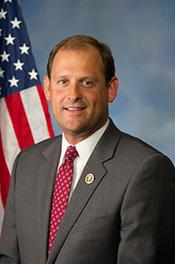
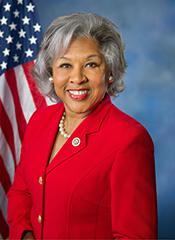
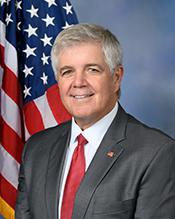
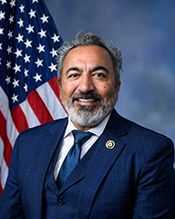
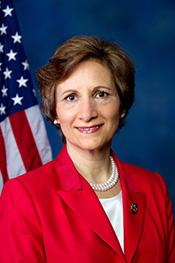
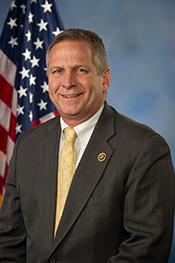
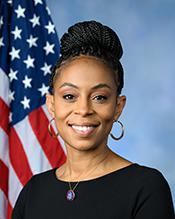
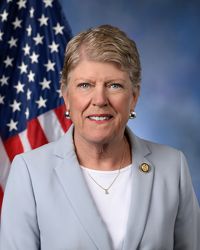
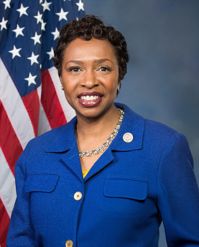
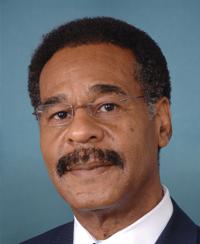
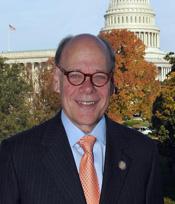
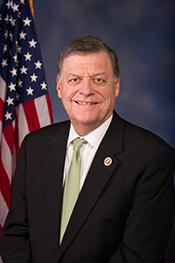
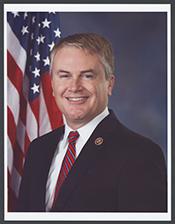
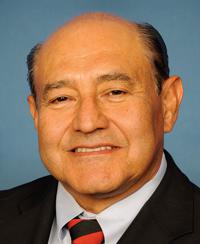
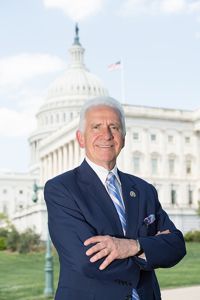
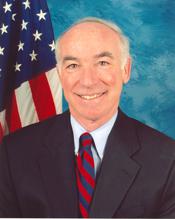
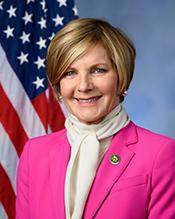
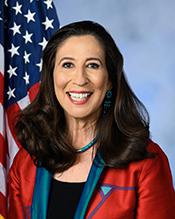
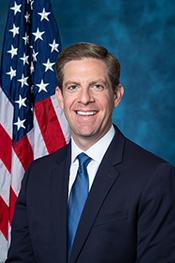
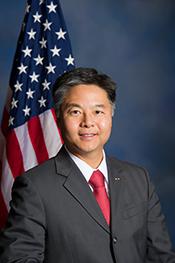
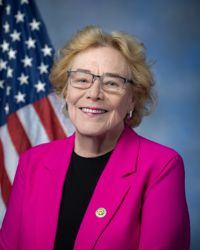
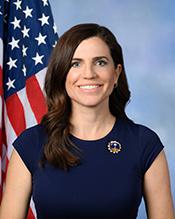
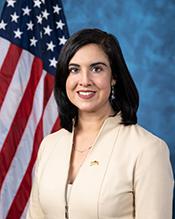
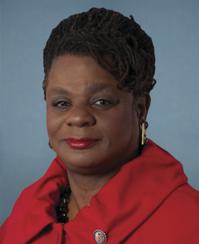
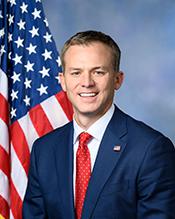
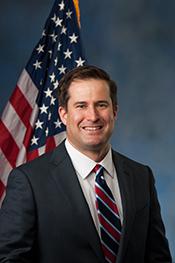
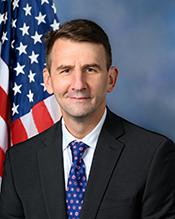
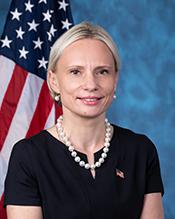
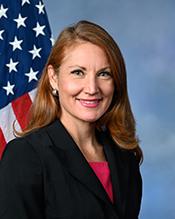
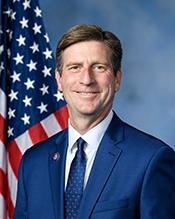
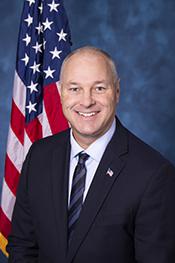
INDIVIDUAL VOTES
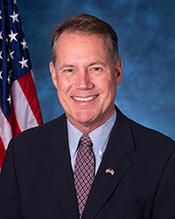
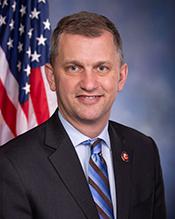
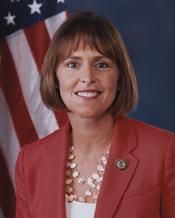
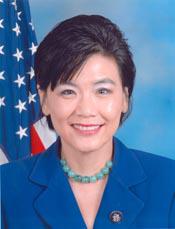
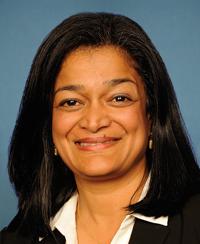
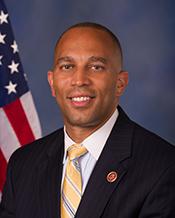
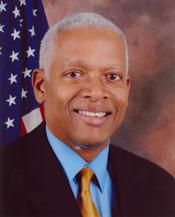
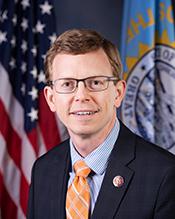
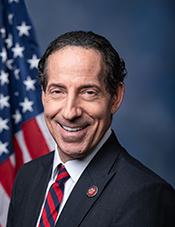
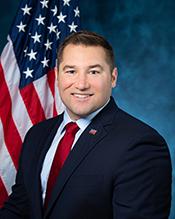
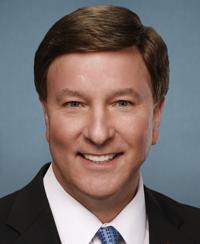
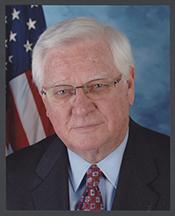
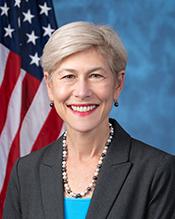
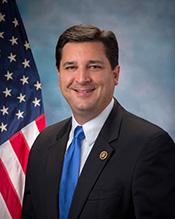
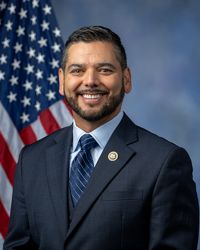
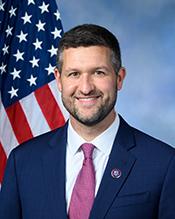
Recorded positions for tracked politicians

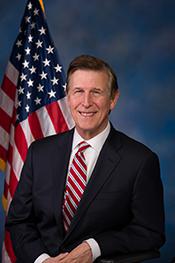
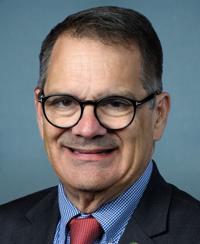
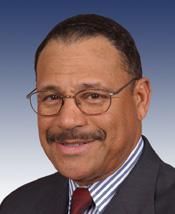
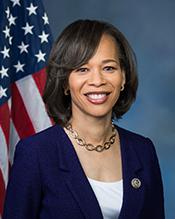

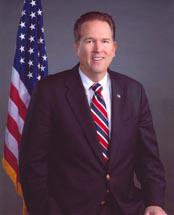
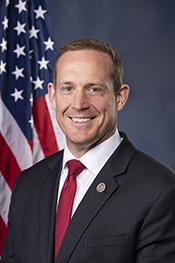
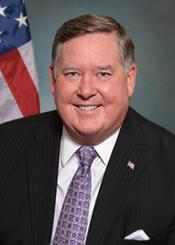
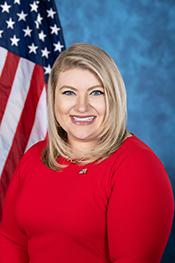



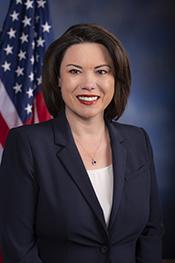


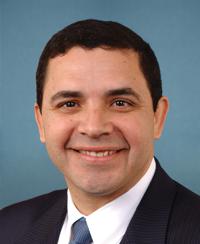
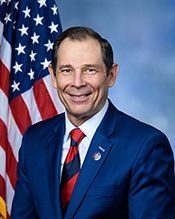
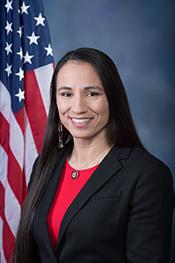
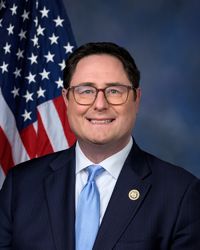
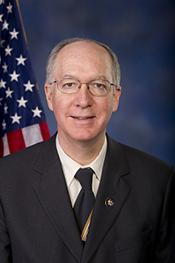
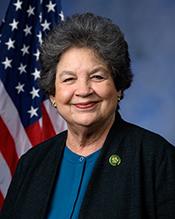
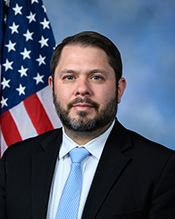
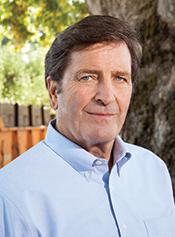
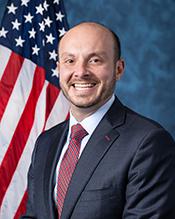
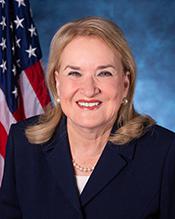
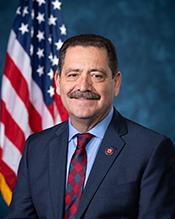
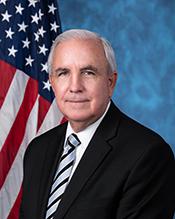
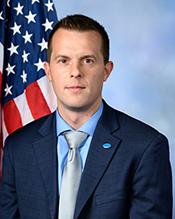
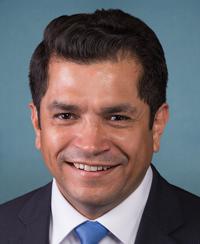
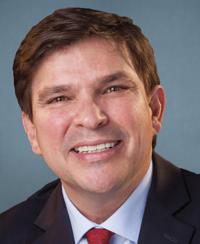

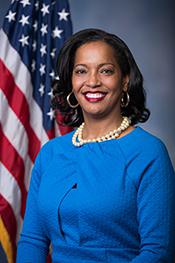
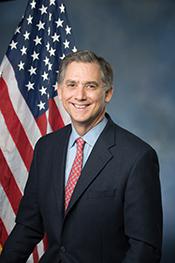
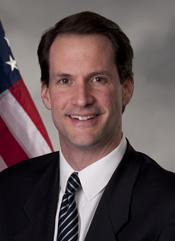
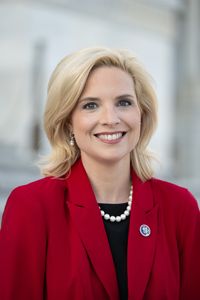








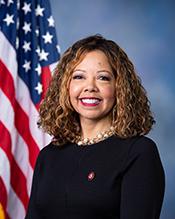
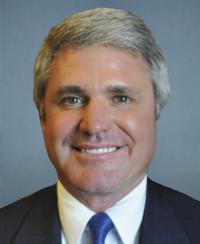
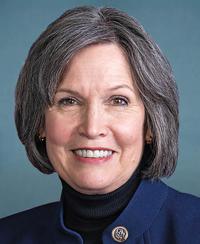

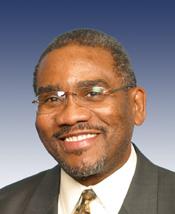
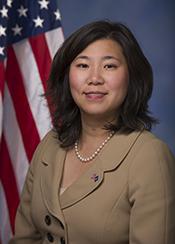
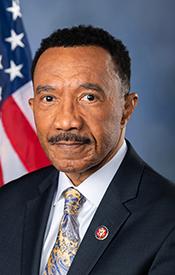
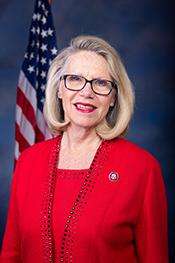
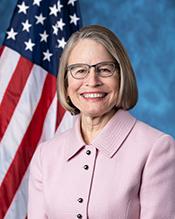




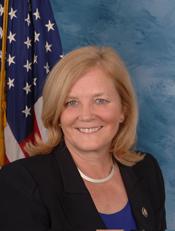
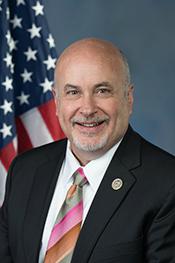
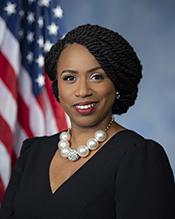
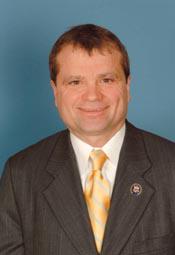

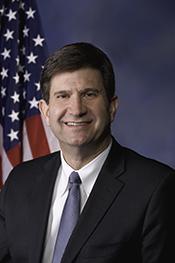
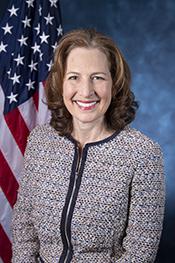
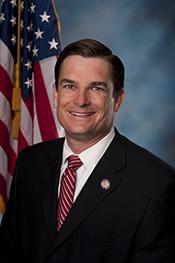
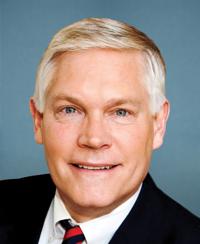



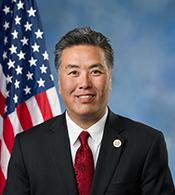
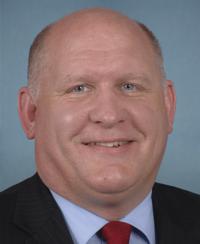
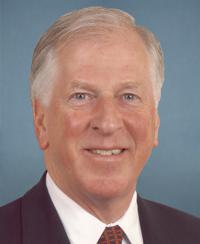
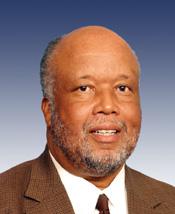

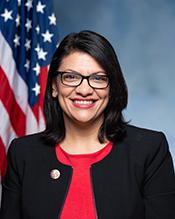

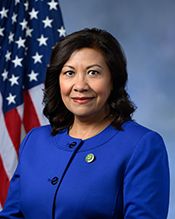
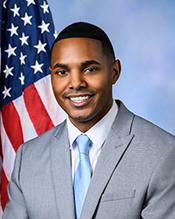
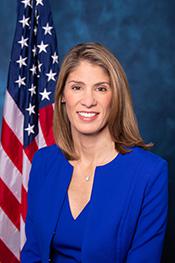


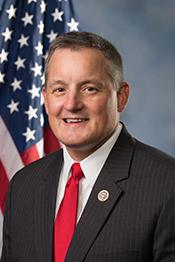
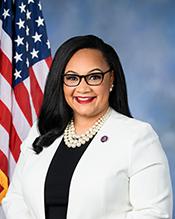
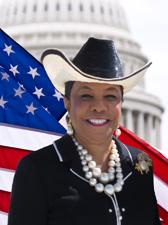
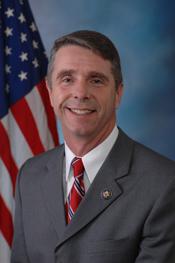
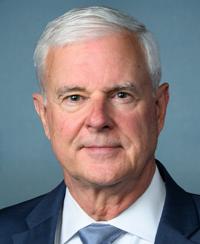
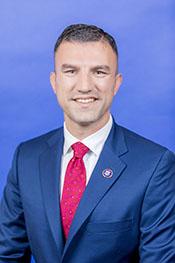
SPONSORS
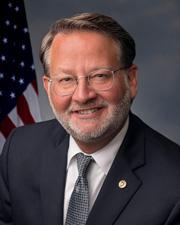
Gary C. Peters
D-MI · Primary
SPONSOR FUNDING
Top industries funding Peters
Lawyers & Lobbyists22%
Lawyers & Lobbyists 22% of classified donations
Health Services9%
Health Services 9% of classified donations
Securities & Investment8%
Securities & Investment 8% of classified donations
Technology7%
Technology 7% of classified donations
Insurance5%
Insurance 5% of classified donations
TRAIL AI
The Community Disaster Resilience Zones Act of 2022 establishes designated zones to support community-level infrastructure and resilience efforts in areas vulnerable to disasters. The bill passed the House with 222 votes in favor and 71 opposed, with all 144 voting Democrats supporting it and Republicans splitting 78-71 on the measure. The legislation was signed into law during the 117th Congress.
Based on public voting records. Does not imply causation.
TIMELINE
INTRODUCEDMar 17, 2022
PASSED SENATESep 28, 2022
SIGNEDDec 20, 2022
DATA SOURCES
Bill data: Congress.gov · 117th–119th Congress (2021–present)
Vote records: House Clerk / Senate · 2021–present
Reflects public records. Does not imply causation.