S3308-117 · 117th Congress
Signed
Signed Jan 5, 2023Colorado River Indian Tribes Water Resiliency Act of 2022
Colorado River Indian Tribes Water Resiliency Act of 2021 This bill authorizes the Colorado River Indian Tribes (CRIT) to enter into an agreement or option to lease or exchange a portion of the consumptive use of water to be used off the tribe's reservation if the use off the reservation is located in the Lower Basin in the state of Arizona. The CRIT is authorized to enter into an agreement, including with the Arizona Water Banking Authority, for the storage of a portion of the consumptive use, or the water received under an exchange pursuant to an exchange agreement under this bill, at one or more underground storage facilities or groundwater savings facilities off the reservation if the facility is located in the Lower Basin. The Department of the Interior, when approving a lease or exchange or storage agreement, must ensure that such agreement complies with the National Environmental Policy Act of 1969, the Endangered Species Act of 1973, and other federal environmental laws.
VOTE BREAKDOWN
Final passage · 297 politicians tracked
280
YEA
8
NAY
0
PRESENT
9
NOT VOTING
Dem YEA 144Rep NAY 8Rep YEA 136
BY PARTY · ✕ NAY ← | → YEA ✓
DEM
0
144
REP
8
136
MONEY ON THIS BILL
Which donor industries fund each side of the vote — total contributions from that industry to those members, all cycles · plus lobbying activity in affected industries
⬆ YEA voters — top donor industries
- 1. Lawyers & Lobbyists$171.5M
- 2. Securities & Investment$122.0M
- 3. Health Services$121.9M
⬇ NAY voters — top donor industries
- 1. Agriculture$1.4M
- 2. Construction & Engineering$1.1M
- 3. Health Services$1.0M
◎ Lobbying activity by issue area
No bill-issue lobbying matches.
Dollar figures are each industry's total contributions to those members across all tracked cycles — not money given for this specific bill. Statistical patterns in public records; correlation, not causation.
LOBBYING ON THIS BILL
5 federal lobbying reports name this bill in their activity descriptions · LDA disclosures
NATIONAL TREASURY EMPLOYEES UNION5 reports
⟳ The revolving door — lobbyists on this bill with disclosed former government roles
Jennifer TyreeU.S. Office of Personnel Management/Dep. Dir. Off. of Congressional, Leg. & Intergovernmental Affairs; Off. of Sen. Daniel K. Akaka (D-HI)/Leg. Dir. & Counsel; Sen. Homeland Sec. and Gov. Affairs Cmte/Subcom. Counsel; Rep. Bart Gordon (D-TN)/intern
Katherine SybengaSenate Homeland Security and Gov. Affairs Committee/Chief Counsel for Gov. Affairs, Senior Counsel, Director, Gov. Affairs, Counsel; Office of Senator Carl Levin (D-MI)/Legislative Assistant, Legislative Aide/Correspondent, Staff Assistant, intern
Matthew SowardsOffice of John D. Rockefeller, IV (D-WV), Legislative Correspondent (2012-2015), Intern (2009); Office of Congressman Nick J. Rahall (D-WV), Intern (2009)
“Covered position” is the former government job lobbyists must disclose by law (LDA §4). Prior service is stated on the filings; it carries no implication of wrongdoing. Full revolving-door board →
A report naming a bill means the organization disclosed lobbying activity on it — the disclosure does not state a position for or against.
INDIVIDUAL VOTES
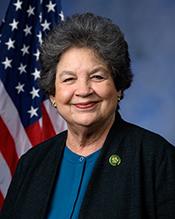
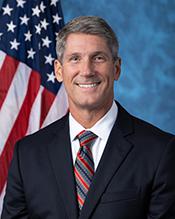
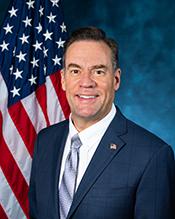
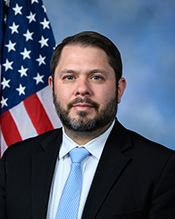
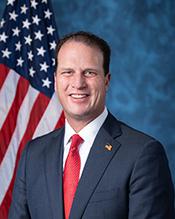
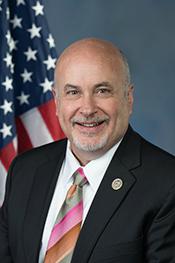
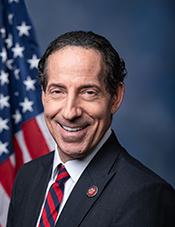
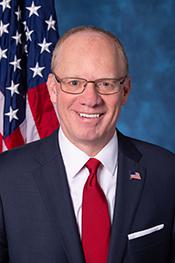
Recorded positions for tracked politicians















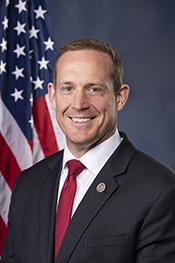

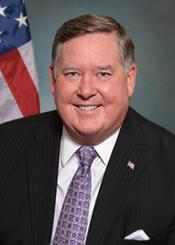

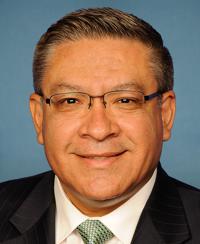

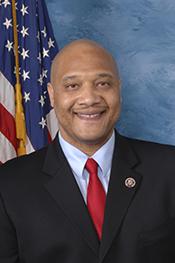













































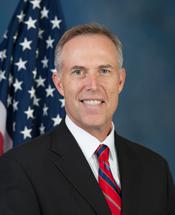


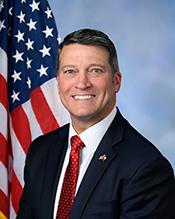


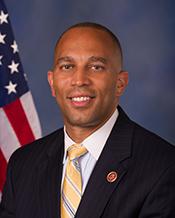



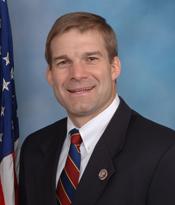
















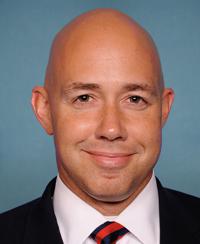









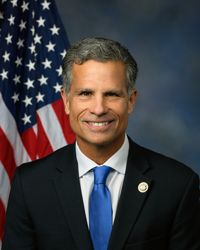
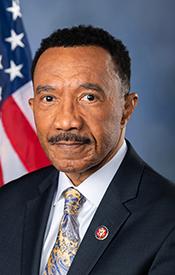






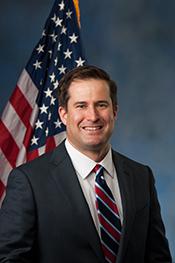


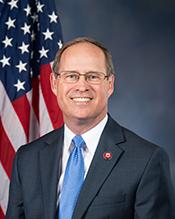
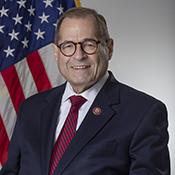


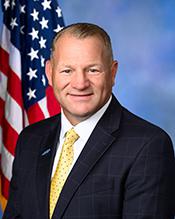
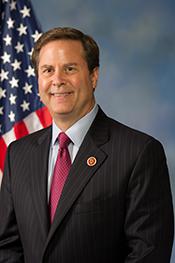












































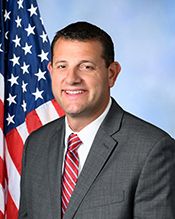
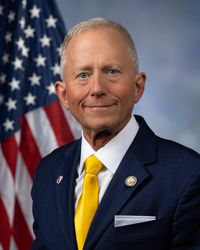

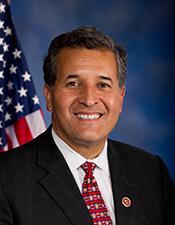
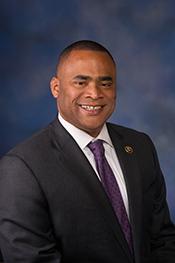




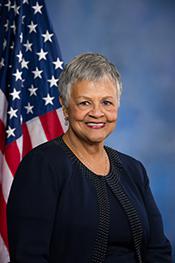
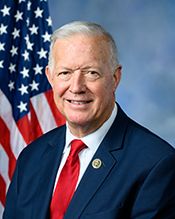
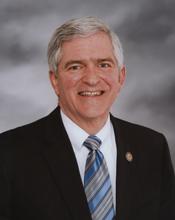
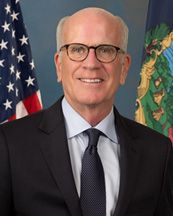


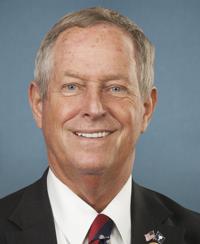

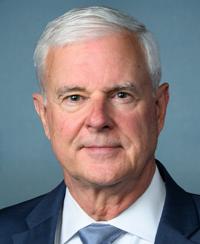

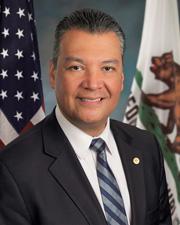
SPONSORS

Mark Kelly
D-AZ · Primary
1 COSPONSOR
DEMOCRATIC● 1 D
SPONSOR FUNDING
Top industries funding Kelly
Lawyers & Lobbyists14%
Lawyers & Lobbyists 14% of classified donations
Party & Leadership12%
Party & Leadership 12% of classified donations
Health Services10%
Health Services 10% of classified donations
Education10%
Education 10% of classified donations
Single-Issue Advocacy8%
Single-Issue Advocacy 8% of classified donations
TRAIL AI
S 3308, the Colorado River Indian Tribes Water Resiliency Act of 2022, addresses water rights and resource management for Colorado River Indian Tribes by authorizing funding and policies to enhance water security in the region. The bill passed the House with 279 votes in favor and 8 opposed, with all 144 voting Democrats supporting it and 135 Republicans voting yes alongside 8 Republican votes against. The legislation was signed into law during the 117th Congress.
Based on public voting records. Does not imply causation.
TIMELINE
INTRODUCEDDec 2, 2021
PASSED SENATEDec 19, 2022
SIGNEDJan 5, 2023
DATA SOURCES
Bill data: Congress.gov · 117th–119th Congress (2021–present)
Vote records: House Clerk / Senate · 2021–present
Reflects public records. Does not imply causation.