S3157-117 · 117th Congress
Signed
Signed Oct 17, 2022Bridging the Gap for New Americans Act
Bridging the Gap for New Americans Act This bill requires the Department of Labor to submit to Congress a study on the factors affecting employment opportunities for certain individuals with professional credentials obtained in a non-U.S. country, specifically individuals who are lawfully present noncitizens or naturalized U.S. citizens. The study shall include policy recommendations for better enabling such individuals to obtain skill-appropriate employment in the United States.
VOTE BREAKDOWN
Final passage · 296 politicians tracked
251
YEA
38
NAY
0
PRESENT
7
NOT VOTING
Dem YEA 141Rep NAY 38Rep YEA 110
BY PARTY · ✕ NAY ← | → YEA ✓
DEM
0
141
REP
38
110
MONEY ON THIS BILL
Which donor industries fund each side of the vote — total contributions from that industry to those members, all cycles · plus lobbying activity in affected industries
⬆ YEA voters — top donor industries
- 1. Lawyers & Lobbyists$164.3M
- 2. Securities & Investment$114.3M
- 3. Health Services$111.2M
⬇ NAY voters — top donor industries
- 1. Health Services$9.8M
- 2. Lawyers & Lobbyists$8.3M
- 3. Securities & Investment$7.6M
◎ Lobbying activity by issue area
No bill-issue lobbying matches.
Dollar figures are each industry's total contributions to those members across all tracked cycles — not money given for this specific bill. Statistical patterns in public records; correlation, not causation.
LOBBYING ON THIS BILL
5 federal lobbying reports name this bill in their activity descriptions · LDA disclosures
AMERICAN PSYCHIATRIC ASSOCIATION5 reports
A report naming a bill means the organization disclosed lobbying activity on it — the disclosure does not state a position for or against.
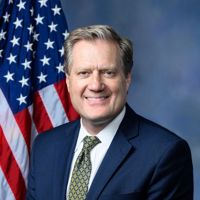
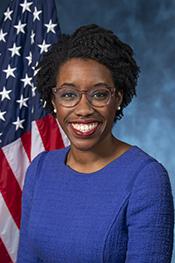
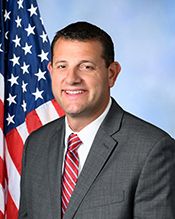
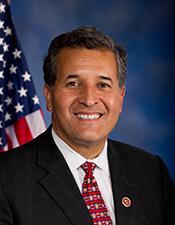
INDIVIDUAL VOTES
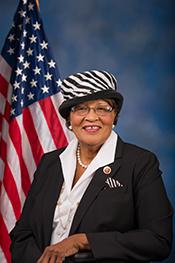
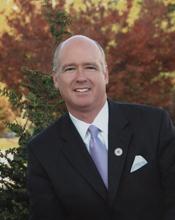
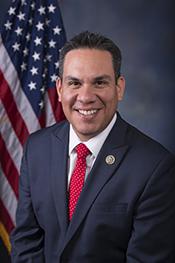
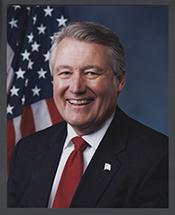
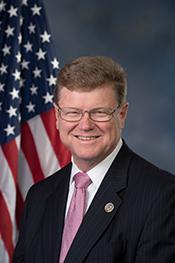
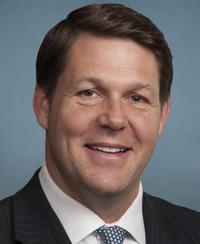
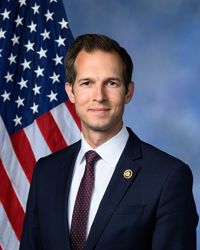
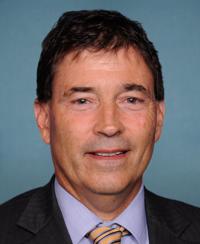
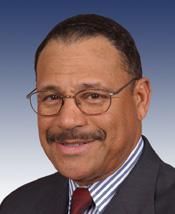
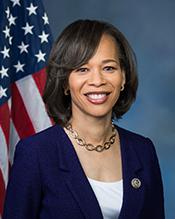
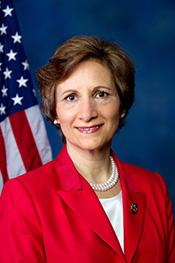
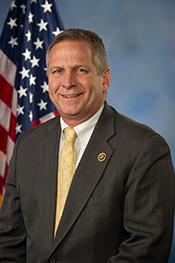
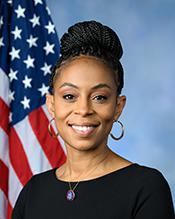
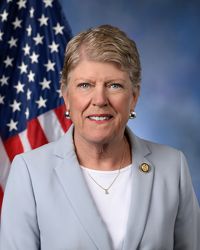
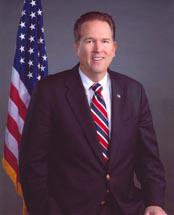
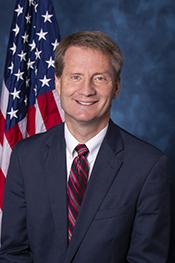
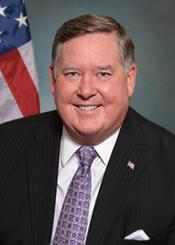
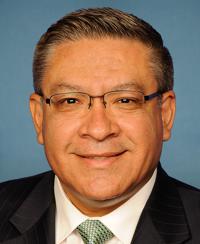
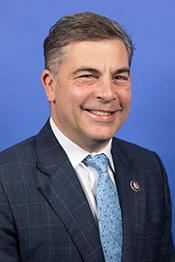
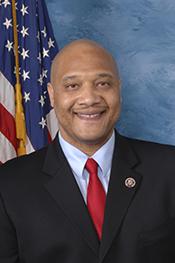
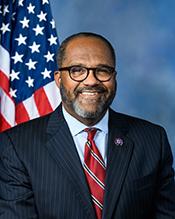
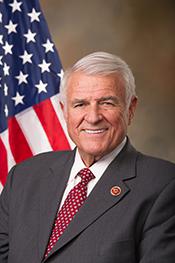
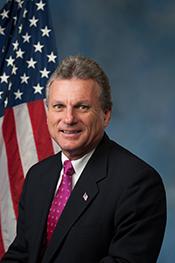
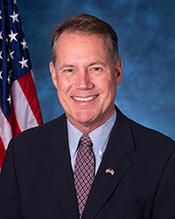
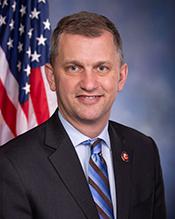
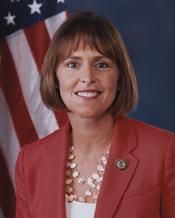
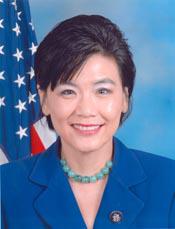
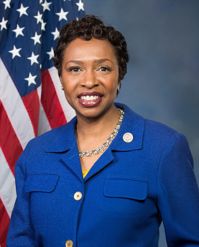
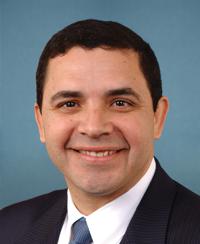
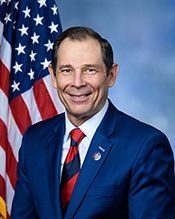
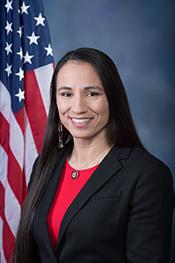
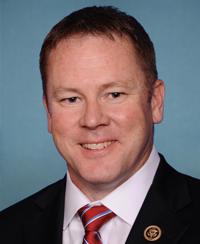
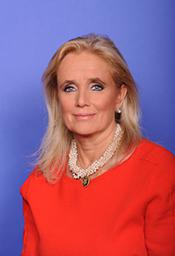
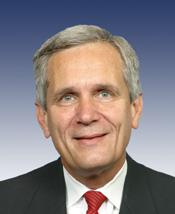
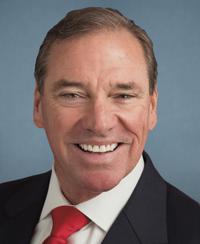
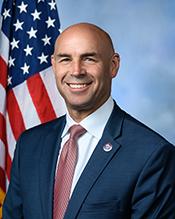
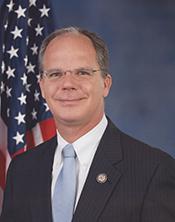
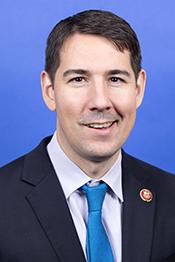
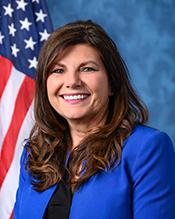
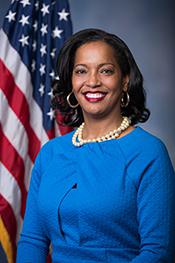
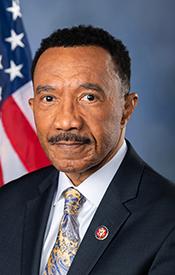
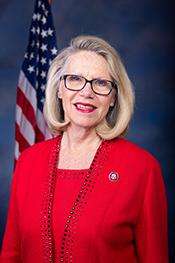
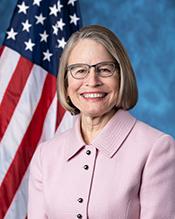
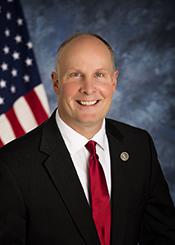
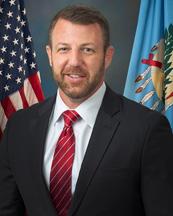
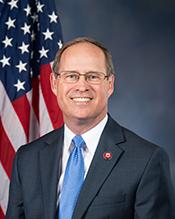
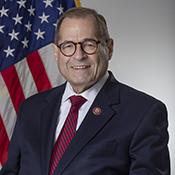
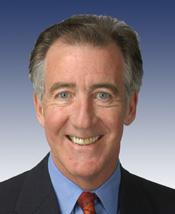
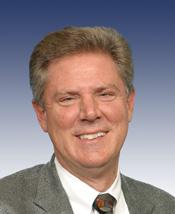
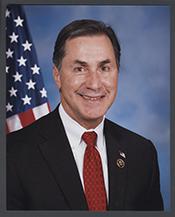
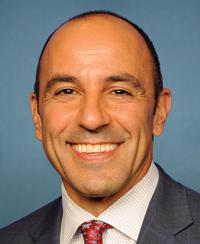
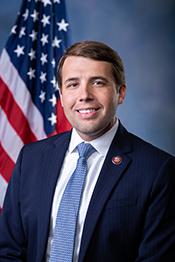
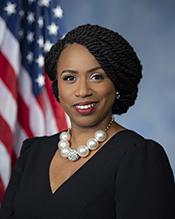
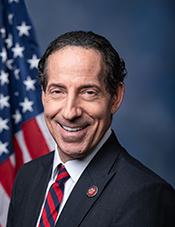
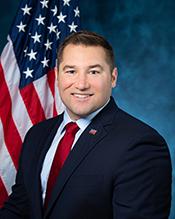
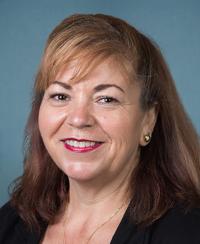
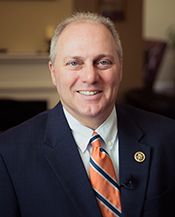
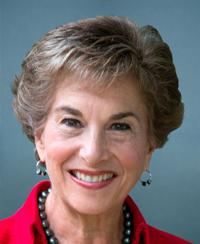
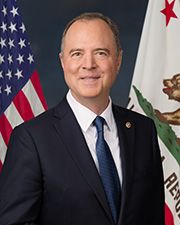
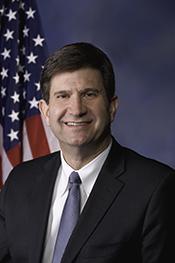
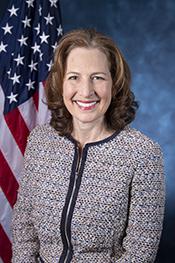
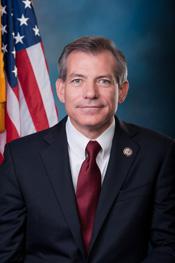
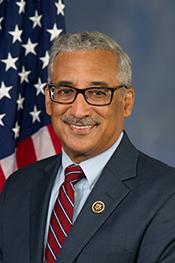
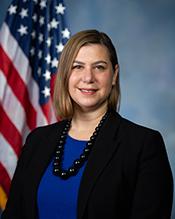
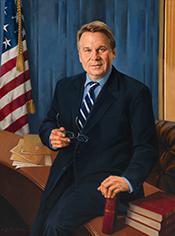
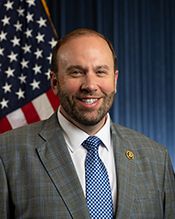
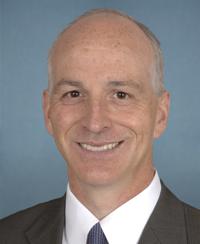
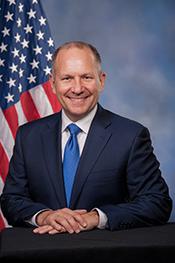
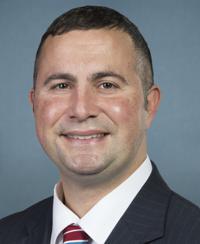
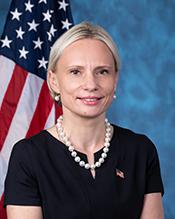
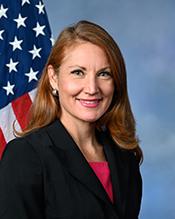
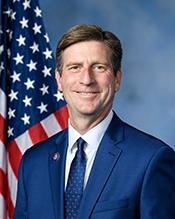
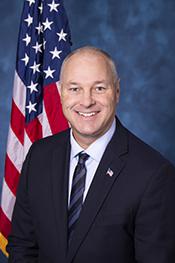
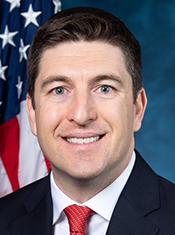
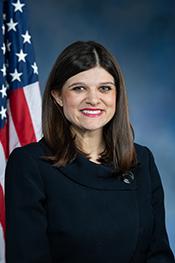
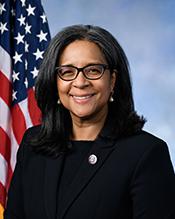
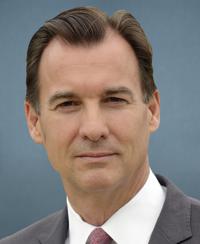
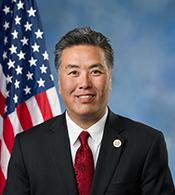
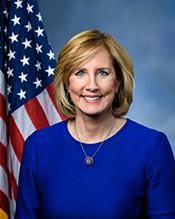
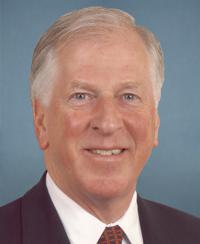
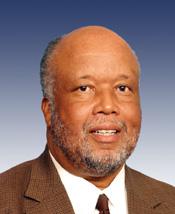
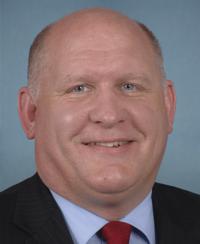
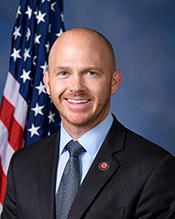
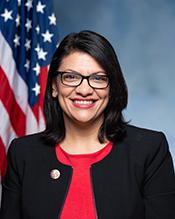
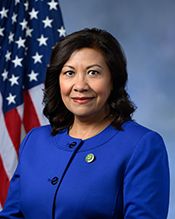
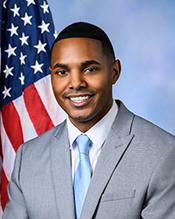
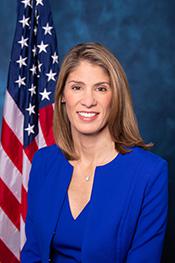
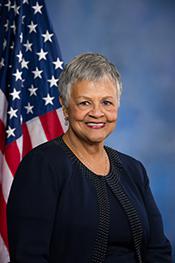
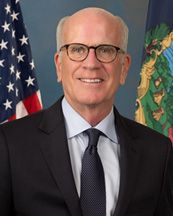
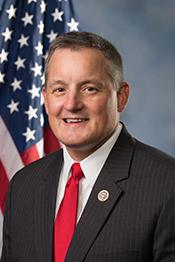
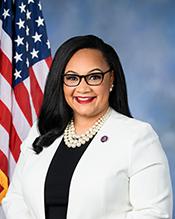
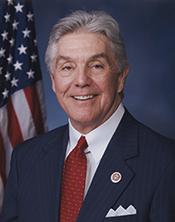
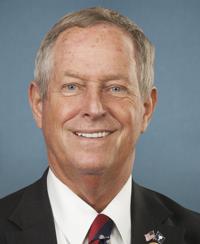
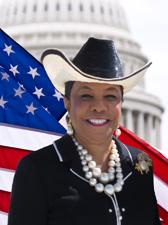
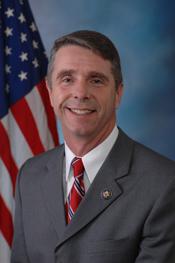
Recorded positions for tracked politicians













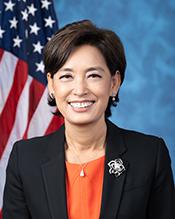
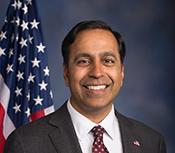
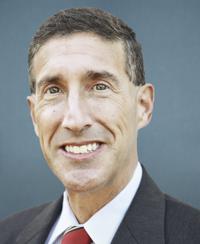
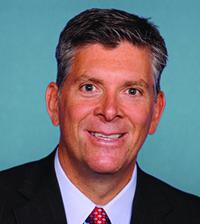
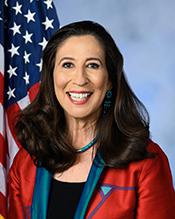

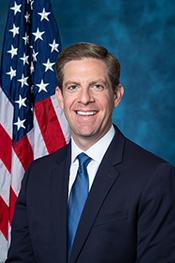
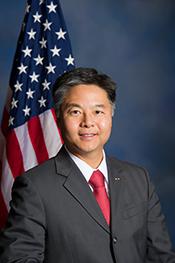
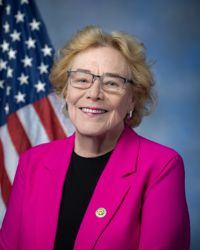












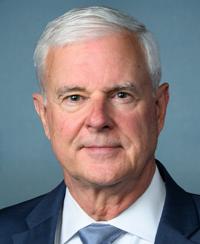
SPONSORS
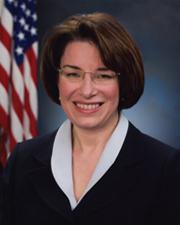
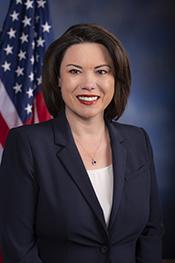
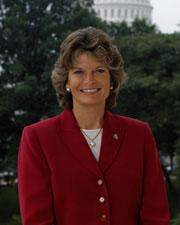
Amy Klobuchar
D-MN · Primary
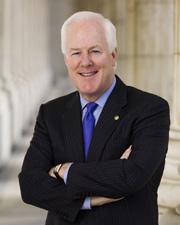
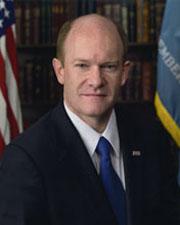
5 COSPONSORS
BIPARTISAN● 2 D● 3 R


SPONSOR FUNDING
Top industries funding Klobuchar
Lawyers & Lobbyists19%
Lawyers & Lobbyists 19% of classified donations
Securities & Investment12%
Securities & Investment 12% of classified donations
Health Services7%
Health Services 7% of classified donations
Agriculture7%
Agriculture 7% of classified donations
Education6%
Education 6% of classified donations
TRAIL AI
The Bridging the Gap for New Americans Act (S 3157) addresses immigration and integration services for new Americans and was signed into law during the 117th Congress. The bill passed with 250 votes in favor and 38 against, with all 141 voting Democrats supporting it and Republicans divided 109 in favor to 38 opposed. The legislation was primarily sponsored by Senator Amy Klobuchar of Minnesota.
Based on public voting records. Does not imply causation.
TIMELINE
INTRODUCEDNov 3, 2021
PASSED SENATEJun 23, 2022
SIGNEDOct 17, 2022
DATA SOURCES
Bill data: Congress.gov · 117th–119th Congress (2021–present)
Vote records: House Clerk / Senate · 2021–present
Reflects public records. Does not imply causation.