S2629-117 · 117th Congress
Signed
Signed May 5, 2022Better Cybercrime Metrics Act
Better Cybercrime Metrics Act This bill establishes various requirements to improve the collection of data related to cybercrime and cyber-enabled crime (cybercrime). Among the requirements the Department of Justice (DOJ) must enter into an agreement with the National Academy of Sciences to develop a taxonomy for categorizing different types of cybercrime faced by individuals and businesses; DOJ must establish a category in the National Incident-Based Reporting System for collecting cybercrime reports from federal, state, and local officials; DOJ's Bureau of Justice Statistics and the Bureau of the Census must include questions about cybercrime in the annual National Crime Victimization Survey; and the Government Accountability Office must assess the effectiveness of reporting mechanisms for cybercrime and disparities in reporting cybercrime data and other types of crime data.
VOTE BREAKDOWN
Final passage · 293 politicians tracked
254
YEA
36
NAY
0
PRESENT
3
NOT VOTING
Dem YEA 143Rep NAY 36Rep YEA 111
BY PARTY · ✕ NAY ← | → YEA ✓
DEM
0
143
REP
36
111
MONEY ON THIS BILL
Which donor industries fund each side of the vote — total contributions from that industry to those members, all cycles · plus lobbying activity in affected industries
⬆ YEA voters — top donor industries
- 1. Lawyers & Lobbyists$161.6M
- 2. Health Services$113.0M
- 3. Securities & Investment$112.7M
⬇ NAY voters — top donor industries
- 1. Health Services$7.8M
- 2. Lawyers & Lobbyists$7.4M
- 3. Securities & Investment$6.7M
◎ Lobbying activity by issue area
No bill-issue lobbying matches.
Dollar figures are each industry's total contributions to those members across all tracked cycles — not money given for this specific bill. Statistical patterns in public records; correlation, not causation.
INDIVIDUAL VOTES
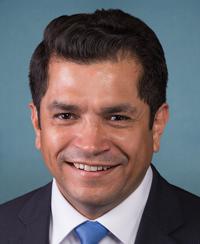
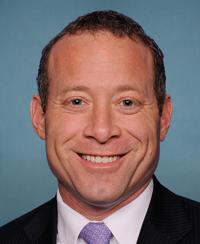
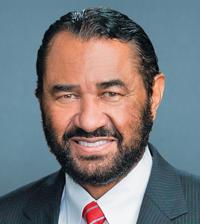
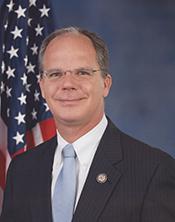
Recorded positions for tracked politicians









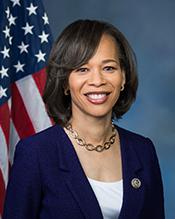
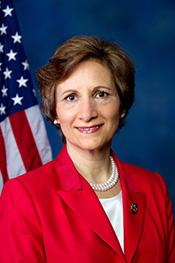
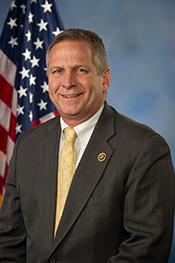


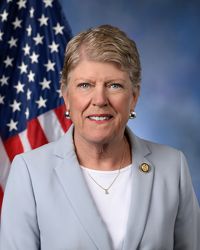




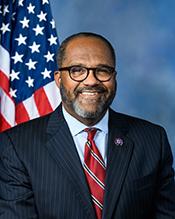
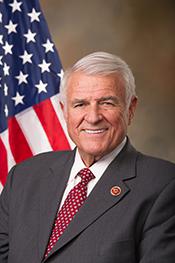








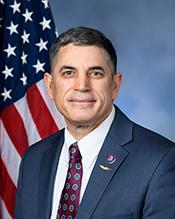






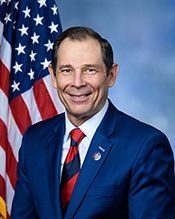
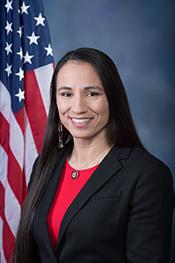
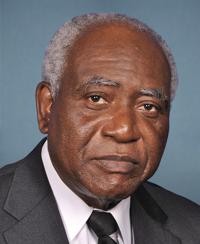

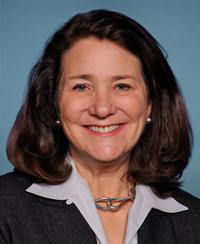

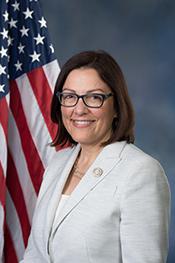
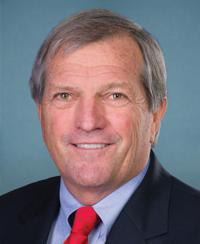
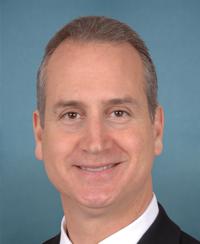



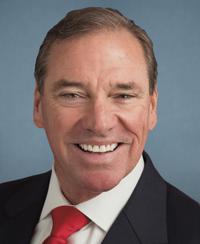















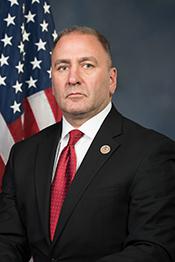









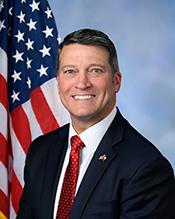


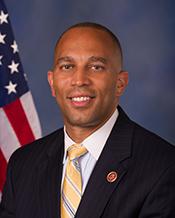



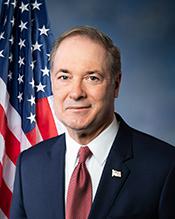
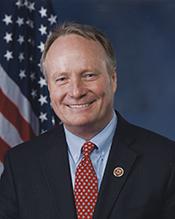


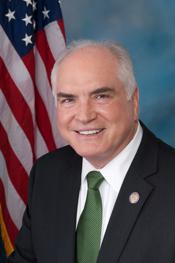


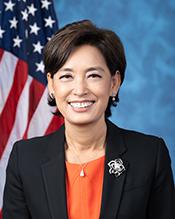




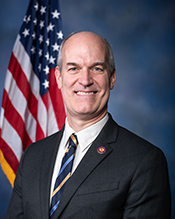


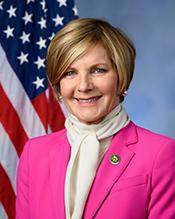


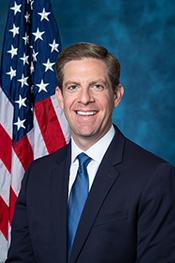






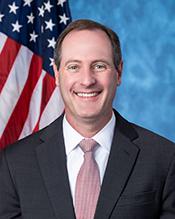



























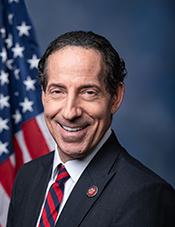




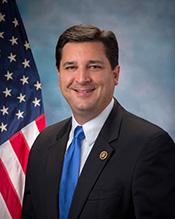
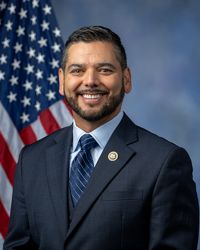





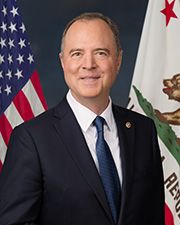
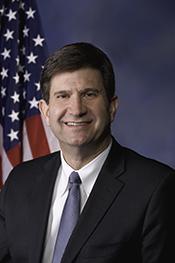
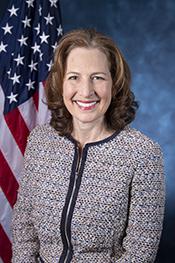

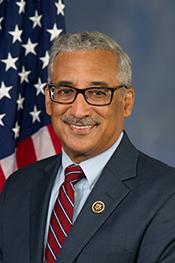
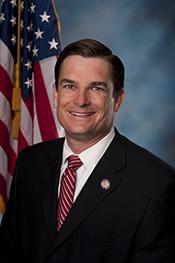

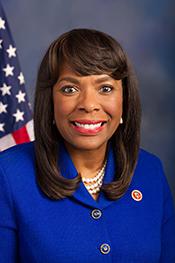


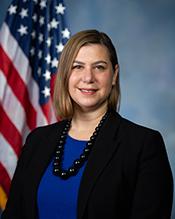
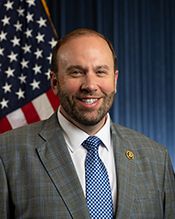













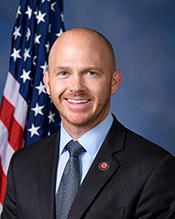

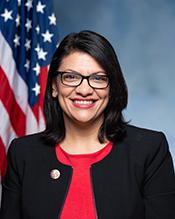





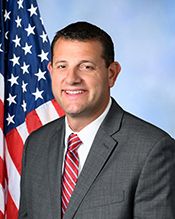


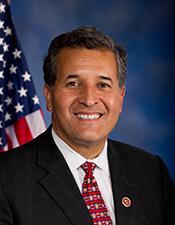






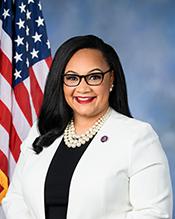
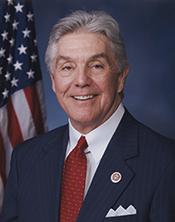




SPONSORS

Brian Schatz
D-HI · Primary
4 COSPONSORS
BIPARTISAN● 2 D● 2 R


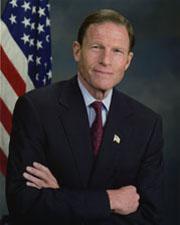

SPONSOR FUNDING
Top industries funding Schatz
Lawyers & Lobbyists19%
Lawyers & Lobbyists 19% of classified donations
Real Estate9%
Real Estate 9% of classified donations
Telecommunications8%
Telecommunications 8% of classified donations
Labor Unions7%
Labor Unions 7% of classified donations
Technology7%
Technology 7% of classified donations
TRAIL AI
The Better Cybercrime Metrics Act (S 2629) directs federal agencies to develop standardized methods for collecting and reporting data on cybercrime incidents and their economic impact. The bill was passed with 253 votes in favor and 36 opposed, with all Democrats supporting it and Republicans dividing 110 in favor to 36 against, and was subsequently signed into law.
Based on public voting records. Does not imply causation.
TIMELINE
INTRODUCEDAug 5, 2021
PASSED SENATEDec 7, 2021
SIGNEDMay 5, 2022
DATA SOURCES
Bill data: Congress.gov · 117th–119th Congress (2021–present)
Vote records: House Clerk / Senate · 2021–present
Reflects public records. Does not imply causation.