S2551-117 · 117th Congress
Signed
Signed Oct 17, 2022AI Training Act
Artificial Intelligence Training for the Acquisition Workforce Act or the AI Training Act This bill requires the Office of Management and Budget (OMB) to establish or otherwise provide an artificial intelligence (AI) training program for the acquisition workforce of executive agencies (e.g., those responsible for program management or logistics). The purpose of the program is to ensure that the workforce has knowledge of the capabilities and risks associated with AI. The OMB must (1) update the program at least every two years, and (2) ensure there is a way to understand and measure the participation of the workforce and to receive and consider feedback from program participants.
VOTE BREAKDOWN
Final passage · 296 politicians tracked
272
YEA
22
NAY
0
PRESENT
2
NOT VOTING
Dem YEA 145Rep NAY 22Rep YEA 127
BY PARTY · ✕ NAY ← | → YEA ✓
DEM
0
145
REP
22
127
MONEY ON THIS BILL
Which donor industries fund each side of the vote — total contributions from that industry to those members, all cycles · plus lobbying activity in affected industries
⬆ YEA voters — top donor industries
- 1. Lawyers & Lobbyists$172.5M
- 2. Securities & Investment$124.3M
- 3. Health Services$119.0M
⬇ NAY voters — top donor industries
- 1. Health Services$5.5M
- 2. Lawyers & Lobbyists$4.2M
- 3. Construction & Engineering$3.0M
◎ Lobbying activity by issue area
No bill-issue lobbying matches.
Dollar figures are each industry's total contributions to those members across all tracked cycles — not money given for this specific bill. Statistical patterns in public records; correlation, not causation.
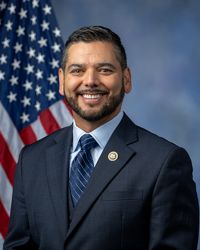
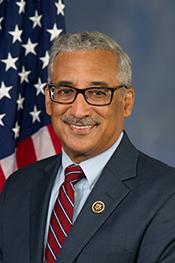
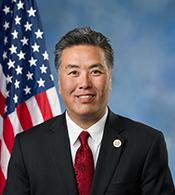
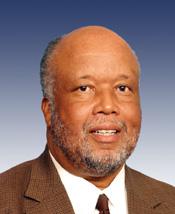
INDIVIDUAL VOTES
Recorded positions for tracked politicians


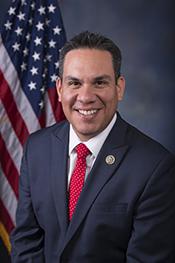






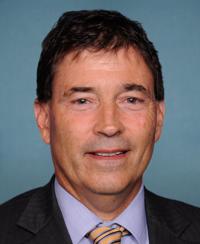

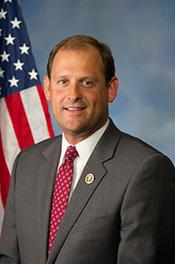

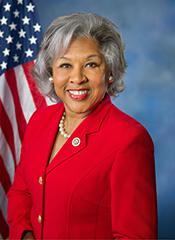
















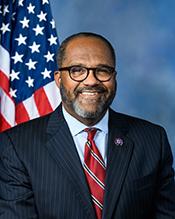
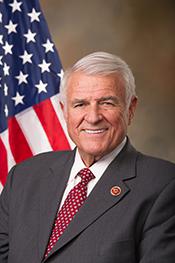










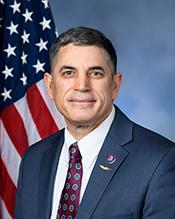



















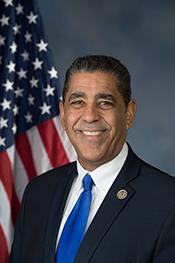
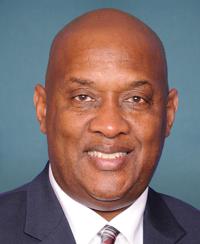




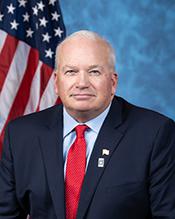







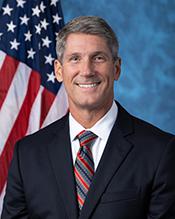
















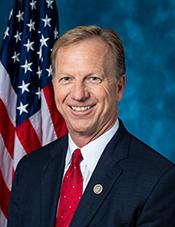














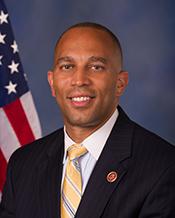



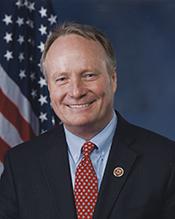


















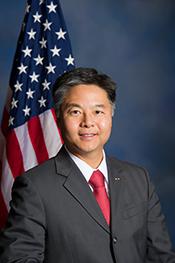
















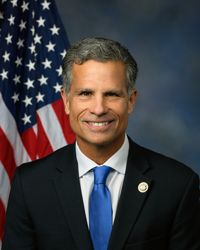














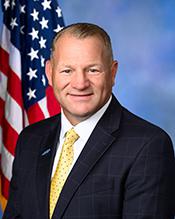

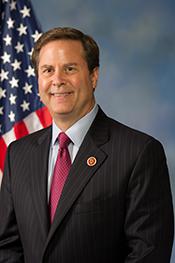





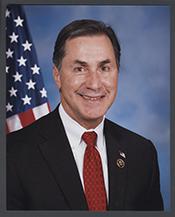























































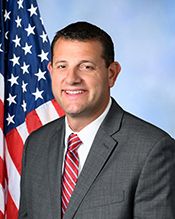

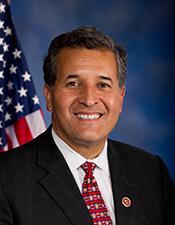







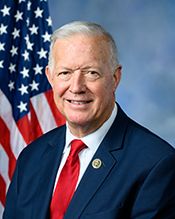


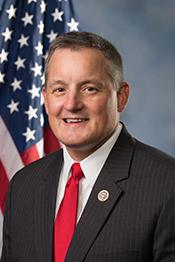

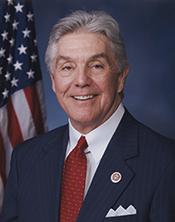




SPONSORS

Gary C. Peters
D-MI · Primary
SPONSOR FUNDING
Top industries funding Peters
Lawyers & Lobbyists22%
Lawyers & Lobbyists 22% of classified donations
Health Services9%
Health Services 9% of classified donations
Securities & Investment8%
Securities & Investment 8% of classified donations
Technology7%
Technology 7% of classified donations
Insurance5%
Insurance 5% of classified donations
TRAIL AI
The AI Training Act (S 2551) establishes requirements for transparency and accountability in the development and training of artificial intelligence systems. The bill passed with bipartisan support, receiving 271 votes in favor and 22 opposed, with all Democratic votes in support and Republican votes splitting 126 to 22 in favor. The legislation has been signed into law.
Based on public voting records. Does not imply causation.
TIMELINE
INTRODUCEDJul 29, 2021
PASSED SENATEDec 18, 2021
SIGNEDOct 17, 2022
DATA SOURCES
Bill data: Congress.gov · 117th–119th Congress (2021–present)
Vote records: House Clerk / Senate · 2021–present
Reflects public records. Does not imply causation.