SJRES24-118 · 118th Congress
Vetoed
A joint resolution providing for congressional disapproval under chapter 8 of title 5, United States
A joint resolution providing for congressional disapproval under chapter 8 of title 5, United States Code, of the rule submitted by the United States Fish and Wildlife Service relating to "Endangered and Threatened Wildlife and Plants; Endangered Species Status for Northern Long-Eared Bat".
This joint resolution nullifies the final rule issued by the U.S. Fish and Wildlife Service titled Endangered and Threatened Wildlife and Plants; Endangered Species Status for Northern Long-Eared Bat and published on November 30, 2022. This rule reclassifies the northern long-eared bat ( Myotis septentrionalis ) from a threatened species to an endangered species under the Endangered Species Act. The rule also removes the northern long-eared bat's species-specific rule, which applied only when the bat was listed as a threatened species.
VOTE BREAKDOWN
Final passage · 445 politicians tracked
227
YEA
212
NAY
0
PRESENT
6
NOT VOTING
Dem YEA 3Dem NAY 209Ind YEA 1Ind NAY 2Rep NAY 1Rep YEA 223
BY PARTY · ✕ NAY ← | → YEA ✓
REP
1
223
DEM
209
3
IND
2
1
MONEY ON THIS BILL
Which donor industries fund each side of the vote — total contributions from that industry to those members, all cycles · plus lobbying activity in affected industries
⬆ YEA voters — top donor industries
- 1. Lawyers & Lobbyists$101.1M
- 2. Securities & Investment$90.4M
- 3. Health Services$80.3M
⬇ NAY voters — top donor industries
- 1. Lawyers & Lobbyists$214.0M
- 2. Securities & Investment$134.3M
- 3. Health Services$122.4M
◎ Lobbying activity by issue area
No bill-issue lobbying matches.
Dollar figures are each industry's total contributions to those members across all tracked cycles — not money given for this specific bill. Statistical patterns in public records; correlation, not causation.
LOBBYING ON THIS BILL
60 federal lobbying reports name this bill in their activity descriptions · LDA disclosures
NATIONAL ASSOCIATION OF HOME BUILDERS13 reports
NATIONAL RURAL ELECTRIC COOPERATIVE ASSOCIATION (NRECA)7 reports
EARTHJUSTICE6 reports
DEFENDERS OF WILDLIFE4 reports
SIERRA CLUB4 reports
U.S. TIRE MANUFACTURERS ASSOCIATION3 reports
HUMANE WORLD ACTION FUND3 reports
NATIONAL PARKS CONSERVATION ASSOCIATION3 reports
⟳ The revolving door — lobbyists on this bill with disclosed former government roles
Anna Marie MalloyStaff Assistant, Office of Congressman Mike Fitzpatrick Legislative Correspondent, Office of Congressman Mike Fitzpatrick Legislative Assistant Office, of Congressman Mike Fitzpatrick
Alison GraabAttorney, Surface Transportation Board; Counsel, Senate Commerce Cmte; Policy Director, Senate Commerce Cmte.; Clerk, Senate Appropriations Cmte THUD
Curtis PhilipDeputy Chief of Staff, Rep. Lamar Smith/Professional Staff member, House Science Cmte; Legislative Director, Rep. Louie Gohmert; Legislative Counsel, Rep. Bill Cassidy; Legislative Correspondent, Sen. Chuck Grassley
Elizabeth SmithLegislative Fellow, Office of Congressman Matt Cartwright
Jason SchendleLegislative Counsel, Sen. Mary Landrieu
Jennifer EskraProfessional Staff Member, Committee on Appropriations, United States Senate
“Covered position” is the former government job lobbyists must disclose by law (LDA §4). Prior service is stated on the filings; it carries no implication of wrongdoing. Full revolving-door board →
A report naming a bill means the organization disclosed lobbying activity on it — the disclosure does not state a position for or against.
INDIVIDUAL VOTES
Recorded positions for tracked politicians

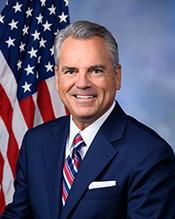


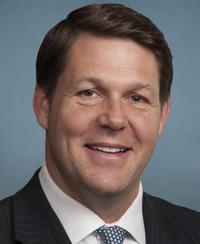



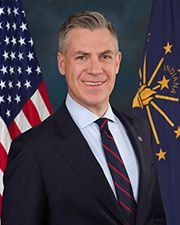
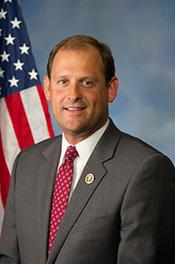

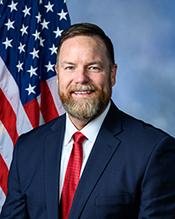
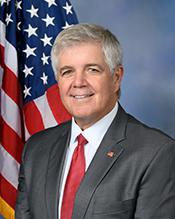
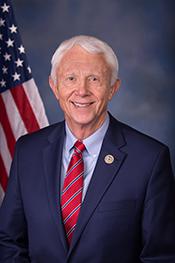










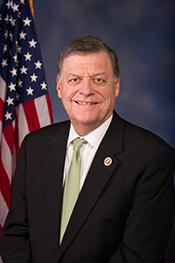

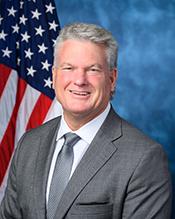
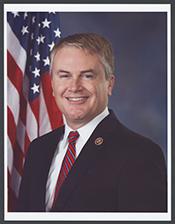







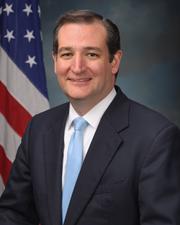
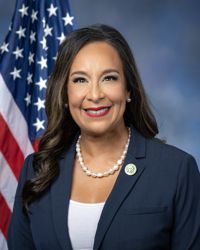
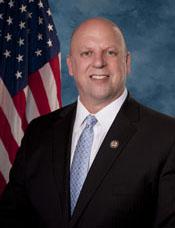

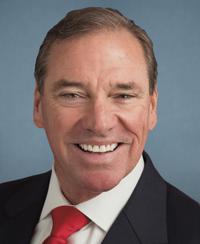

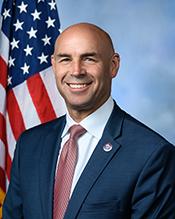
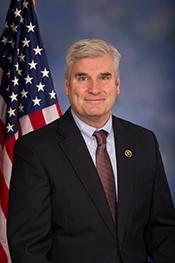
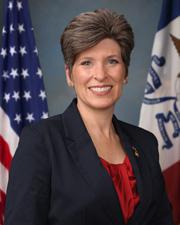
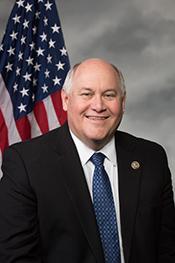






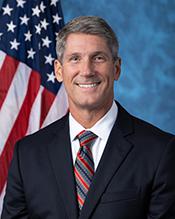

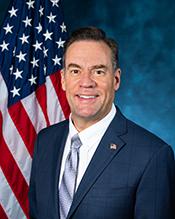

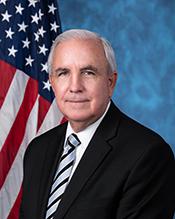

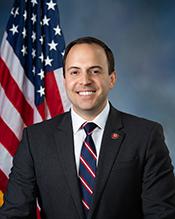










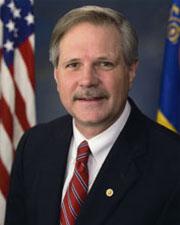

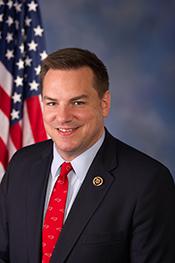
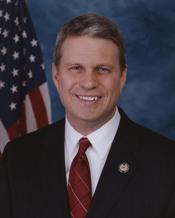



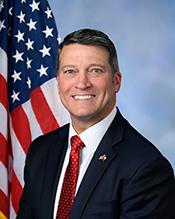



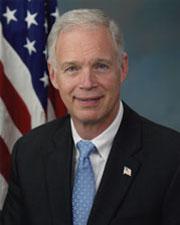
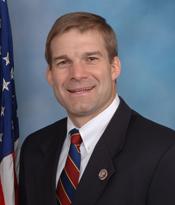
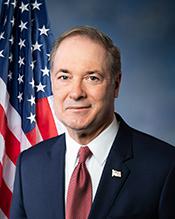
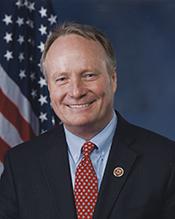
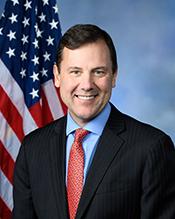
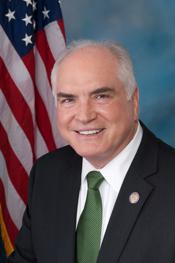
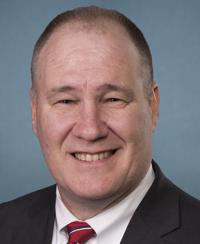

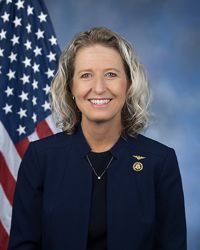






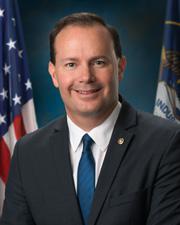


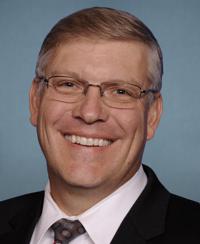
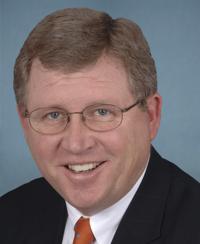





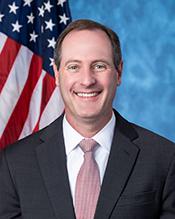
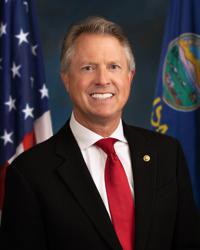

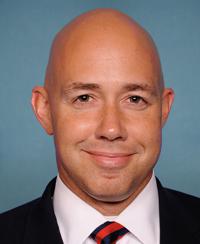




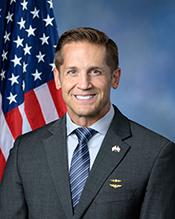
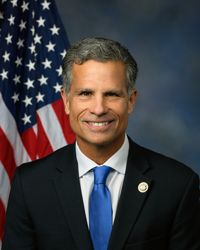








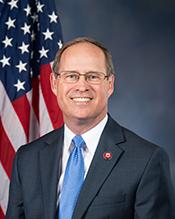
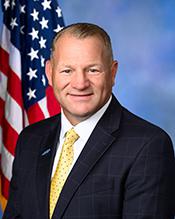

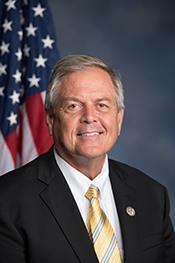
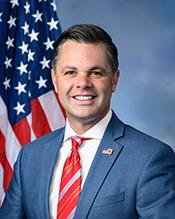


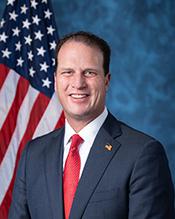
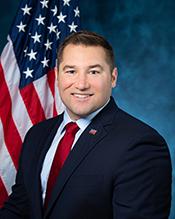
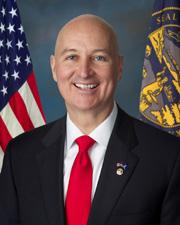

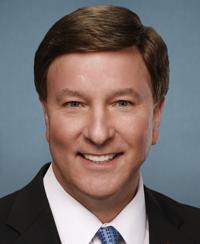

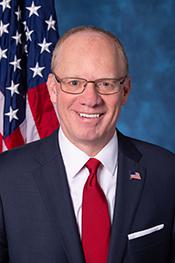

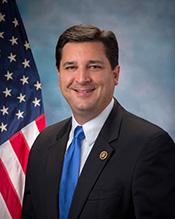
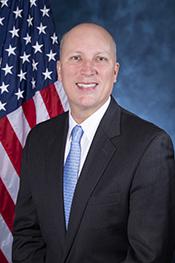
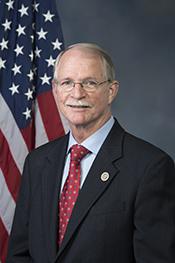


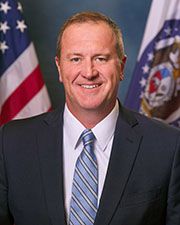
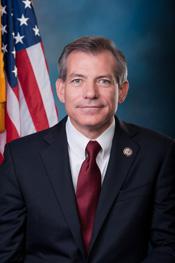
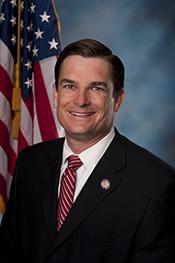
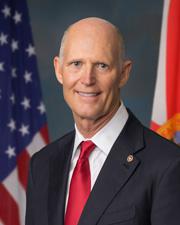
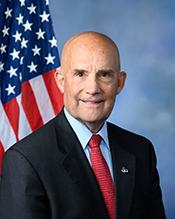
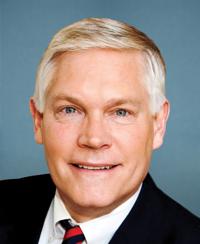


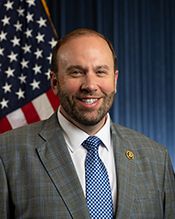



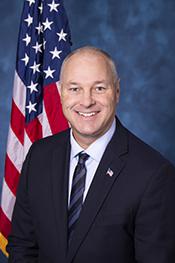


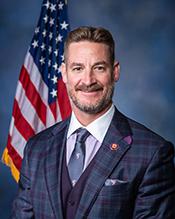
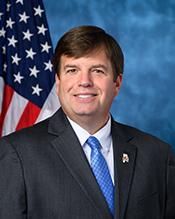


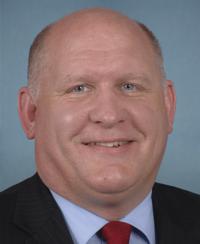
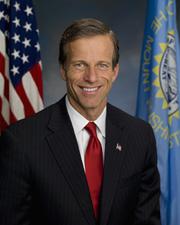
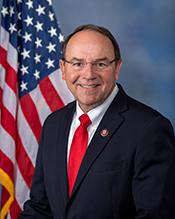
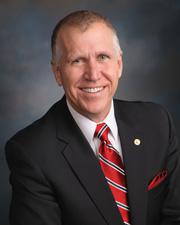
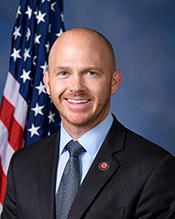
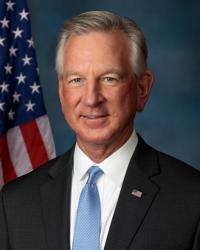

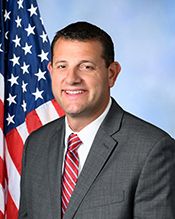
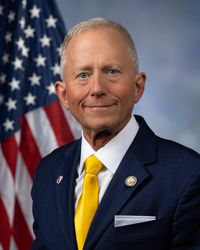

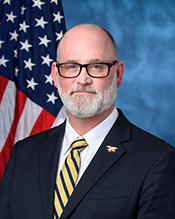

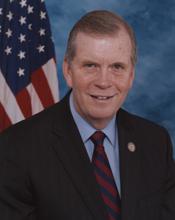



SPONSORS
Markwayne Mullin
R-OK · Primary
13 COSPONSORS
REPUBLICAN● 13 R
+7 more (see dot grid above)
SPONSOR FUNDING
Top industries funding Mullin
Lawyers & Lobbyists12%
Lawyers & Lobbyists 12% of classified donations
Health Services11%
Health Services 11% of classified donations
Oil & Gas9%
Oil & Gas 9% of classified donations
Construction & Engineering6%
Construction & Engineering 6% of classified donations
Agriculture5%
Agriculture 5% of classified donations
TRAIL AI
Senate Joint Resolution 24 is a disapproval resolution under the Congressional Review Act that seeks to overturn a federal regulation through legislative action. The resolution passed the House with 226 votes in favor and 212 opposed, with strong partisan support from Republicans (222-1) while most Democrats opposed it (209-3). The measure was subsequently vetoed and did not become law.
Based on public voting records. Does not imply causation.
TIMELINE
INTRODUCEDMar 30, 2023
PASSED HOUSEJul 26, 2023
PASSED SENATEMay 11, 2023
DATA SOURCES
Bill data: Congress.gov · 117th–119th Congress (2021–present)
Vote records: House Clerk / Senate · 2021–present
Reflects public records. Does not imply causation.