HR7377-118 · 118th Congress
Signed
Signed Sep 20, 2024Royalty Resiliency Act
Royalty Resiliency Act This bill modifies the process under which oil and gas leaseholders who have entered into a joint drilling agreement (i.e., a communitization agreement or a unit agreement) to drill wells on leased land pay royalties to the Department of the Interior under the Federal Oil and Gas Royalty Management Act of 1982. Under current law, Interior must issue a determination of allocations of royalty payments for oil and gas production under a joint agreement within 120 days of a request for determination. Generally, the first leaseholder to drill must pay any royalties due to Interior for all oil and gas production on the land subject to the agreement until Interior determines the royalty allocations of each leaseholder. If Interior fails to issue the determination by that deadline, then it must waive interest due on royalty obligations until the end of the month following the month in which the determination was made. Under the bill, a leaseholder must pay royalties on oil and gas production based on the lessee's proposed allocation of production under the joint agreement until Interior issues a determination of royalty allocations. After Interior issues the determination, then the lessee must correct, if necessary, the amount of royalties paid by the end of the third month following the month in which the lessee received the determination from Interior. The bill also directs Interior to waive interest due on royalty obligations until the end of the third month.
MONEY ON THIS BILL
Which donor industries fund each side of the vote — total contributions from that industry to those members, all cycles · plus lobbying activity in affected industries
⬆ YEA voters — top donor industries
No data yet.
⬇ NAY voters — top donor industries
No data yet.
◎ Lobbying activity by issue area
- oil_gas1,000 filings
Dollar figures are each industry's total contributions to those members across all tracked cycles — not money given for this specific bill. Statistical patterns in public records; correlation, not causation.
LOBBYING ON THIS BILL
28 federal lobbying reports name this bill in their activity descriptions · LDA disclosures
AMERICAN EXPLORATION & PRODUCTION COUNCIL5 reports
INDEPENDENT PETROLEUM ASSOCIATION OF AMERICA4 reports
CHEVRON U.S.A. INC.3 reports
AMERICAN EXPLORATION & PRODUCTION COUNCIL (AXPC)2 reports
CONOCOPHILLIPS2 reports
AMERICAN PETROLEUM INSTITUTE2 reports
TOYOTA MOTOR NORTH AMERICA INC (TMA)2 reports
EARTHJUSTICE1 report
⟳ The revolving door — lobbyists on this bill with disclosed former government roles
Steve StombresChief of Staff, Office of the Majority Leader 10-14; Chief of Staff, Office of the Minority Whip 08-09; Chief of Staff, Office of the Chief DeputyMajorityWhip04-07; Chief of Staff, Congressman Eric Cantor 01-03.
John LeganskiChief Dep., Speaker Off. '23; Chief Dep., Min. Leader Off. '22; Floor Dir., Min. Leader Off. '19-'21; Floor Dir., Maj. Leader Off. '17-'19; Dep. Floor Dir., Maj. Leader Off. '16; Floor Assist. Maj. Leader Off. '14-'15; Floor Assist. Maj. Whip Off.'13
Jonathan SlemrodAssociate Director, Legislative Affairs, Office of Management and Budget, '17-'18, Policy Advisor, Office of the Sen. Republican Whip, '12-'17, Legislative Assistant, Sen. Marco Rubio '11-'12.
Kyle NevinsDeputy Chief of Staff, House Majority Leader 11-13; Floor Director, Rep. Eric Cantor 09-10; Floor Director, Rep. Roy Blunt 07-08; Floor Assistant, Rep. Roy Blunt 03-06.
Manny RossmanChief of Staff, Office of the Senate Republican Whip 07-09; Senior Policy Advisor, Office of Sen. Trent Lott 05-06; Legislative Director, Rep. Phil Crane 03-04; Legislative Assistant, Rep. Phil Crane 01-02.
Daniel ClaytonLegislative Assistant- Office of Congresswoman Marcy Kaptur 2025 (D-OH) Senior Legislative Assistant- Office of Congressman C.A. Dutch Ruppersberger (D-MD) 2018-2025
“Covered position” is the former government job lobbyists must disclose by law (LDA §4). Prior service is stated on the filings; it carries no implication of wrongdoing. Full revolving-door board →
A report naming a bill means the organization disclosed lobbying activity on it — the disclosure does not state a position for or against.
VOTE BREAKDOWN
No recorded floor vote
Most bills never receive a recorded roll-call vote — they're referred to committee and don't advance to the floor. The sponsor and funding context on this page still tells you who is behind it and what industries have a stake.
SPONSORS

Wesley Hunt
R-TX · Primary
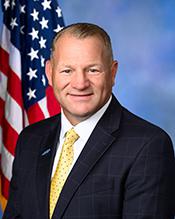
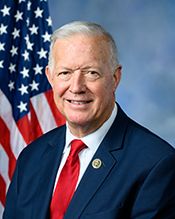
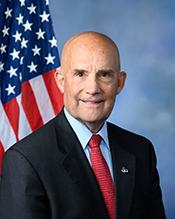
5 COSPONSORS
REPUBLICAN● 5 R


SPONSOR FUNDING
Top industries funding Hunt
Government17%
Government 17% of classified donations
Real Estate16%
Real Estate 16% of classified donations
Lawyers & Lobbyists16%
Lawyers & Lobbyists 16% of classified donations
Non-profit / NGO12%
Non-profit / NGO 12% of classified donations
Health Services8%
Health Services 8% of classified donations
TRAIL AI
HR 7377, the Royalty Resiliency Act, was introduced by Representative Wesley Hunt of Texas during the 118th Congress and has been signed into law. The bill addresses federal oil and gas royalty payment structures and related revenue provisions. Specific vote data from floor proceedings is not yet available.
Based on public voting records. Does not imply causation.
TIMELINE
INTRODUCEDFeb 15, 2024
PASSED SENATESep 11, 2024
SIGNEDSep 20, 2024
DATA SOURCES
Bill data: Congress.gov · 117th–119th Congress (2021–present)
Vote records: House Clerk / Senate · 2021–present
Reflects public records. Does not imply causation.