S3405-117 · 117th Congress
Signed
Signed Jan 5, 2023Low Power Protection Act
Low Power Protection Act This bill provides for a one-year period during which eligible low-power television stations may apply to the Federal Communications Commission (FCC) for Class A licenses. To be eligible, a station must serve a media market with a limited number of television households, broadcast a minimum number of hours, and meet other requirements. A low-power station with a Class A license obtains certain broadcast rights, including primary status with respect to its allocation of the electromagnetic spectrum. (Typically, low-power stations have secondary status and may be displaced from their spectrum in the event the FCC reallocates it to a primary user.)
MONEY ON THIS BILL
Which donor industries fund each side of the vote — total contributions from that industry to those members, all cycles · plus lobbying activity in affected industries
⬆ YEA voters — top donor industries
No data yet.
⬇ NAY voters — top donor industries
No data yet.
◎ Lobbying activity by issue area
- telecom1,000 filings
Dollar figures are each industry's total contributions to those members across all tracked cycles — not money given for this specific bill. Statistical patterns in public records; correlation, not causation.
VOTE BREAKDOWN
No recorded floor vote
Most bills never receive a recorded roll-call vote — they're referred to committee and don't advance to the floor. The sponsor and funding context on this page still tells you who is behind it and what industries have a stake.
SPONSORS
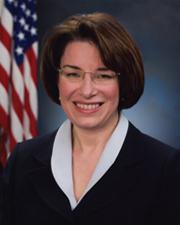
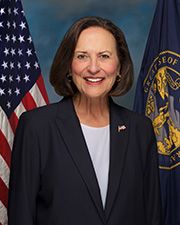
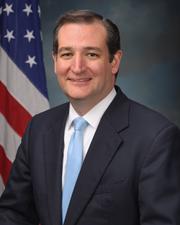
4 COSPONSORS
BIPARTISAN● 2 D● 2 R

TRAIL AI
S 3405, titled the Low Power Protection Act, was introduced during the 117th Congress and has been signed into law. The bill addresses protections related to low power operations, though specific details regarding its provisions and primary sponsor are not currently available. Vote data for this legislation has not yet been recorded in accessible sources.
Based on public voting records. Does not imply causation.
TIMELINE
INTRODUCEDDec 15, 2021
PASSED SENATEDec 21, 2022
SIGNEDJan 5, 2023
DATA SOURCES
Bill data: Congress.gov · 117th–119th Congress (2021–present)
Vote records: House Clerk / Senate · 2021–present
Reflects public records. Does not imply causation.