S4240-117 · 117th Congress
Signed
Signed Jan 5, 2023Justice for Victims of War Crimes Act
Justice for Victims of War Crimes Act This bill broadens the scope of individuals who are subject to federal prosecution for war crime offenses. Currently, the federal war crimes statute provides federal jurisdiction over war crime offenses committed anywhere (i.e., inside or outside the United States) if the victim or offender is a member of the Armed Forces or a U.S. national. First, this bill extends federal jurisdiction over war crime offenses committed anywhere to offenses where (1) the victim or offender is an alien lawfully admitted for permanent residence; or (2) the offender is present in the United States, regardless of the nationality of the victim or the offender. Second, the bill expands federal jurisdiction over war crime offenses to include offenses that occur in whole or in part within the United States, regardless of whether the victim or offender is a member of the Armed Forces, a U.S. national, or an alien lawfully admitted for permanent residence.
VOTE BREAKDOWN
No recorded floor vote
Most bills never receive a recorded roll-call vote — they're referred to committee and don't advance to the floor. The sponsor and funding context on this page still tells you who is behind it and what industries have a stake.
SPONSORS

Chuck Grassley
R-IA · Primary
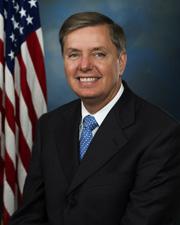
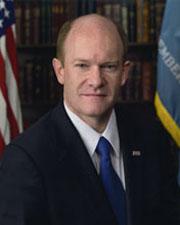
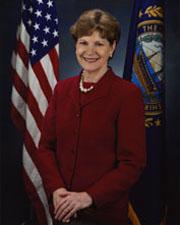
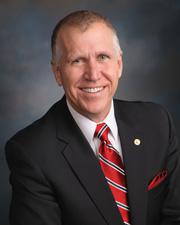
5 COSPONSORS
BIPARTISAN● 3 D● 2 R

SPONSOR FUNDING
Top industries funding Grassley
Party & Leadership21%
Party & Leadership 21% of classified donations
Health Services9%
Health Services 9% of classified donations
Single-Issue Advocacy8%
Single-Issue Advocacy 8% of classified donations
Lawyers & Lobbyists8%
Lawyers & Lobbyists 8% of classified donations
Agriculture7%
Agriculture 7% of classified donations
TRAIL AI
S 4240, the Justice for Victims of War Crimes Act, was introduced by Senator Chuck Grassley of Iowa during the 117th Congress and has been signed into law. The bill addresses legal remedies and procedures related to victims of war crimes, though specific legislative provisions are not detailed in the available data. Voting data on this measure is not yet available.
Based on public voting records. Does not imply causation.
TIMELINE
INTRODUCEDMay 18, 2022
PASSED SENATEDec 21, 2022
SIGNEDJan 5, 2023
DATA SOURCES
Bill data: Congress.gov · 117th–119th Congress (2021–present)
Vote records: House Clerk / Senate · 2021–present
Reflects public records. Does not imply causation.