S1884-119 · 119th Congress
Signed
Signed Apr 13, 2026Holocaust Expropriated Art Recovery Act of 2025
Holocaust Expropriated Art Recovery Act of 2025 This bill permanently extends and expands judicial authority under the Holocaust Expropriated Art Recovery Act of 2016. The law allows and establishes procedures for civil claims and causes of action to recover artwork and other property lost between 1933 and 1945 because of Nazi persecution. Among the changes, the bill removes the deadline for filing civil claims or causes of action. Currently, the filing deadline is December 31, 2026. (Claims must still be filed within six years of the claimant's discovery of the property in question.) The bill permits courts to exercise jurisdiction over civil claims or causes of action against a foreign state without regard to the nationality or citizenship of the alleged victim. The art or property at issue must still have a connection to the foreign state's commercial activities in the United States. Additionally, the bill authorizes nationwide service of process, which allows courts to exercise personal jurisdiction over defendants in any judicial district where they may be found, reside, have an agent, or transact business. Finally, the bill limits the defenses that may be asserted against civil claims or causes of action, including by prohibiting defenses based on the passage of time, including equitable defenses such as laches (i.e., unreasonable delays); and discretionary bases for dismissal that are unrelated to the merits of the claim, including international comity (i.e., deference to the laws of other countries). These changes apply to pending and future civil claims or cau…
LOBBYING ON THIS BILL
18 federal lobbying reports name this bill in their activity descriptions · LDA disclosures
WORLD JEWISH RESTITUTION ORGANIZATION5 reports
ART ASHES4 reports
REPUBLICAN JEWISH COALITION4 reports
ART RESTITUTION TO ASSIST SURVIVORS OF THE HOLOCAUST EMERGENCY SERVICES FDN.3 reports
FEDERAL BAR ASSOCIATION2 reports
⟳ The revolving door — lobbyists on this bill with disclosed former government roles
Arie DanaChief of Staff, Rep. Michelle Steel
Shawn SmeallieSpecial Assistant to President Bush for Legislative Affairs; Special Assistant to Director for Legislative Affairs at OMB
Manus CooneyStaff Director & Chief Counsel, Senate Judiciary Committee
Jamie SusskindLegislative Director/Policy Adviser, Senator Marsha Blackburn; Chief of Staff/Legal Adviser, FCC; Chief Counsel/Legislative Counsel, Senator Deb Fischer; FCC Detailee, Senate Commerce, Science & Transportation Committee
Julie PhilpLD, Rep. John Campbell; LA/Senior LA, Rep. Gil Gutknecht; LA and Scheduler, Rep. Michael Burgess; LA, Scheduler, Rep. Connie Morella; LA, Ileana Ros-Lehtinen
Diane TombAssistant Secretary Public Affairs-HUD; Associate, Office of Business Liaison/Director Public Affairs-ITA; Staff Asst-Office of VP; Special Asst to Counsel of President; Press Assoc-WH
“Covered position” is the former government job lobbyists must disclose by law (LDA §4). Prior service is stated on the filings; it carries no implication of wrongdoing. Full revolving-door board →
A report naming a bill means the organization disclosed lobbying activity on it — the disclosure does not state a position for or against.
VOTE BREAKDOWN
No recorded floor vote
Most bills never receive a recorded roll-call vote — they're referred to committee and don't advance to the floor. The sponsor and funding context on this page still tells you who is behind it and what industries have a stake.
SPONSORS
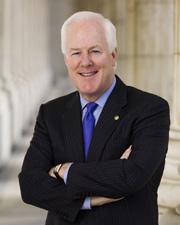
John Cornyn
R-TX · Primary
21 COSPONSORS
BIPARTISAN● 11 D● 10 R

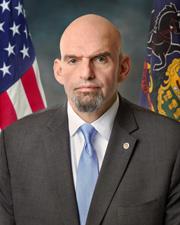
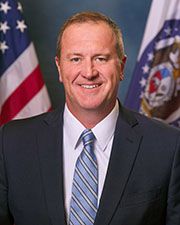
+15 more (see dot grid above)
SPONSOR FUNDING
Top industries funding Cornyn
Securities & Investment15%
Securities & Investment 15% of classified donations
Lawyers & Lobbyists11%
Lawyers & Lobbyists 11% of classified donations
Real Estate8%
Real Estate 8% of classified donations
Health Services7%
Health Services 7% of classified donations
Technology6%
Technology 6% of classified donations
TRAIL AI
The Holocaust Expropriated Art Recovery Act of 2025 (S 1884) addresses the recovery and restitution of artwork stolen or looted during the Holocaust. The bill was signed into law during the 119th Congress with primary sponsorship from Senator John Cornyn of Texas. Vote data for this legislation has not yet been made publicly available.
Based on public voting records. Does not imply causation.
TIMELINE
INTRODUCEDMay 22, 2025
PASSED SENATEDec 10, 2025
SIGNEDApr 13, 2026
DATA SOURCES
Bill data: Congress.gov · 117th–119th Congress (2021–present)
Vote records: House Clerk / Senate · 2021–present
Reflects public records. Does not imply causation.