HR5536-118 · 118th Congress
Signed
Signed Dec 11, 2024Grant Transparency Act of 2023
Grant Transparency Act of 2023 This bill establishes transparency requirements for notices of funding opportunity in applications for competitive grants awarded by federal agencies, excluding the Government Accountability Office. Specifically, each notice of funding opportunity issued by an agency for a competitive grant must include a description of any rating system and evaluation and selection criteria the agency uses to assess applications for the grant; a statement of whether the agency uses a weighted scoring method and a description of any such method that it uses for the grant, including the amount by which the agency weighs each criterion; and any other qualitative or quantitative merit-based approach the agency uses to evaluate an application for the grant.
LOBBYING ON THIS BILL
13 federal lobbying reports name this bill in their activity descriptions · LDA disclosures
LUNDBECK LLC5 reports
ADVION (FORMERLY NATIONAL ASSOCIATION FOR THE SUPPORT OF LONG TERM CARE)3 reports
NATIONWIDE MUTUAL INSURANCE COMPANY2 reports
SHIRLEY RYAN ABILITYLAB2 reports
AMERICAN COLLEGE OF OBSTETRICIANS AND GYNECOLOGISTS1 report
⟳ The revolving door — lobbyists on this bill with disclosed former government roles
Edward PrettymanLegislative Correspondent and Constituent Services Representative, Sen. Tom Carper (D-DE)
Michaela SimsLegislative Counsel, Sen. Ben Nelson (D-NE); Legislative Director and Counsel, Sen. Bob Kerrey (D-NE)
“Covered position” is the former government job lobbyists must disclose by law (LDA §4). Prior service is stated on the filings; it carries no implication of wrongdoing. Full revolving-door board →
A report naming a bill means the organization disclosed lobbying activity on it — the disclosure does not state a position for or against.
VOTE BREAKDOWN
No recorded floor vote
Most bills never receive a recorded roll-call vote — they're referred to committee and don't advance to the floor. The sponsor and funding context on this page still tells you who is behind it and what industries have a stake.
SPONSORS
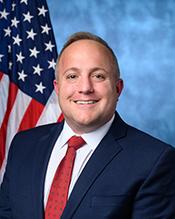
Russell Fry
R-SC · Primary
14 COSPONSORS
BIPARTISAN● 1 D● 13 R

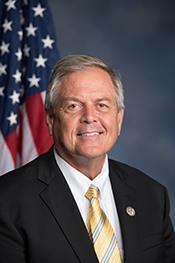
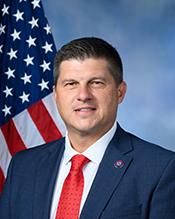
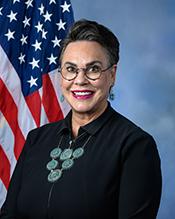

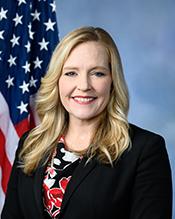
+8 more (see dot grid above)
SPONSOR FUNDING
Top industries funding Fry
Lawyers & Lobbyists14%
Lawyers & Lobbyists 14% of classified donations
Party & Leadership12%
Party & Leadership 12% of classified donations
Real Estate9%
Real Estate 9% of classified donations
Health Services8%
Health Services 8% of classified donations
Construction & Engineering7%
Construction & Engineering 7% of classified donations
TRAIL AI
The Grant Transparency Act of 2023 (HR 5536) was introduced by Representative Russell Fry of South Carolina during the 118th Congress and has been signed into law. The bill addresses transparency requirements for federal grants. Voting data for this legislation is not yet available.
Based on public voting records. Does not imply causation.
TIMELINE
INTRODUCEDSep 18, 2023
PASSED SENATEDec 3, 2024
SIGNEDDec 11, 2024
DATA SOURCES
Bill data: Congress.gov · 117th–119th Congress (2021–present)
Vote records: House Clerk / Senate · 2021–present
Reflects public records. Does not imply causation.