HR5861-118 · 118th Congress
Signed
Signed Nov 25, 2024BRIDGE for Workers Act
Building on Reemployment Improvements to Deliver Good Employment for Workers Act or the BRIDGE for Workers Act This bill permanently expands the allowable purposes for certain Department of Labor grants to states for reemployment services and eligibility assessments. Specifically, the bill permanently allows these grants to be used to fund reemployment services and eligibility assessments for all claimants for unemployment compensation. (Under the current statute, the grants may only be used to provide such services to a subset of claimants who have been identified by the state as likely to exhaust unemployment benefits and need job search assistance to become employed. However, in recent years, annual appropriations acts have allowed the grants to be used for all claimants for unemployment compensation. This bill makes this authority permanent.)
LOBBYING ON THIS BILL
12 federal lobbying reports name this bill in their activity descriptions · LDA disclosures
AMERICAN MEDICAL ASSOCIATION5 reports
NISKANEN CENTER FOR PUBLIC POLICY3 reports
NATIONAL ALLIANCE ON MENTAL ILLNESS3 reports
AARP1 report
⟳ The revolving door — lobbyists on this bill with disclosed former government roles
Michael LinskeyLegislative Correspondent for Debbie Wassermann Schultz 4/2005-10/2005
Angela FranklinFellow, Sen. Cory Booker's Office
“Covered position” is the former government job lobbyists must disclose by law (LDA §4). Prior service is stated on the filings; it carries no implication of wrongdoing. Full revolving-door board →
A report naming a bill means the organization disclosed lobbying activity on it — the disclosure does not state a position for or against.
VOTE BREAKDOWN
No recorded floor vote
Most bills never receive a recorded roll-call vote — they're referred to committee and don't advance to the floor. The sponsor and funding context on this page still tells you who is behind it and what industries have a stake.
SPONSORS
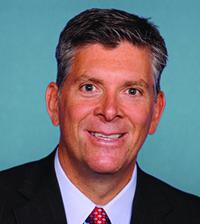
Darin LaHood
R-IL · Primary
1 COSPONSOR
DEMOCRATIC● 1 D
SPONSOR FUNDING
Top industries funding LaHood
Lawyers & Lobbyists13%
Lawyers & Lobbyists 13% of classified donations
Insurance12%
Insurance 12% of classified donations
Securities & Investment10%
Securities & Investment 10% of classified donations
Health Services8%
Health Services 8% of classified donations
Real Estate6%
Real Estate 6% of classified donations
TRAIL AI
The BRIDGE for Workers Act (HR 5861) addresses workforce development and support for workers transitioning between jobs or industries. The bill was signed into law during the 118th Congress under primary sponsorship by Representative Darin LaHood of Illinois. Voting data for this legislation is not yet available.
Based on public voting records. Does not imply causation.
TIMELINE
INTRODUCEDOct 2, 2023
PASSED SENATENov 13, 2024
SIGNEDNov 25, 2024
DATA SOURCES
Bill data: Congress.gov · 117th–119th Congress (2021–present)
Vote records: House Clerk / Senate · 2021–present
Reflects public records. Does not imply causation.