SCONRES5-117 · 117th Congress
145 lobbying reports name this bill. See the war room — the surge, who showed up, and the money behind the vote→Passed House
A concurrent resolution setting forth the congressional budget for the United States Government for
A concurrent resolution setting forth the congressional budget for the United States Government for fiscal year 2021 and setting forth the appropriate budgetary levels for fiscal years 2022 through 2030.
This concurrent resolution establishes the congressional budget for the federal government for FY2021, sets forth budgetary levels for FY2022-FY2030, and provides reconciliation instructions for legislation that increases the deficit. The resolution recommends levels and amounts for FY2021-FY2030 for federal revenues, new budget authority, budget outlays, deficits, public debt, debt held by the public, and the major functional categories of spending. It also recommends levels and amounts for Social Security and Postal Service discretionary administrative expenses for the purpose of budget enforcement in the Senate. The resolution includes reconciliation instructions that direct several House and Senate committees to submit changes in laws within their jurisdictions that will increase the deficit over FY2021-FY2030 by no more than an amount specified for each committee. The committees must submit the legislation to their respective budget committees by February 16, 2021. (Under current law, reconciliation bills are considered by Congress using expedited legislative procedures that prevent a filibuster and restrict amendments in the Senate.) The resolution establishes reserve funds that allow (1) the chairs of the House and Senate Budget Committees to revise committee allocations, aggregates, and other budgetary levels to accommodate reconciliation legislation that complies with the instructions in this resolution; and (2) the chair of the House Budget Committee to make similar adjustments for deficit-neutral legislation. The resolution also exempts reconciliation legislation…
VOTE BREAKDOWN
Final passage · 78 politicians tracked
38
YEA
40
NAY
0
PRESENT
0
NOT VOTING
Dem YEA 36Ind YEA 2Rep NAY 40
BY PARTY · ✕ NAY ← | → YEA ✓
DEM
0
36
IND
0
2
REP
40
0
MONEY ON THIS BILL
Which donor industries fund each side of the vote — total contributions from that industry to those members, all cycles · plus lobbying activity in affected industries
⬆ YEA voters — top donor industries
- 1. Lawyers & Lobbyists$70.4M
- 2. Securities & Investment$39.3M
- 3. Health Services$36.7M
⬇ NAY voters — top donor industries
- 1. Securities & Investment$33.4M
- 2. Lawyers & Lobbyists$28.0M
- 3. Health Services$22.2M
◎ Lobbying activity by issue area
No bill-issue lobbying matches.
Dollar figures are each industry's total contributions to those members across all tracked cycles — not money given for this specific bill. Statistical patterns in public records; correlation, not causation.
LOBBYING ON THIS BILL
145 federal lobbying reports name this bill in their activity descriptions · LDA disclosures
NATIONAL ASSOCIATION OF BROADCASTERS48 reports
IHEARTMEDIA INC24 reports
IHEARTMEDIA, INC.16 reports
SOUNDEXCHANGE10 reports
RECORDING INDUSTRY ASSOCIATION OF AMERICA9 reports
UNIVERSAL MUSIC GROUP9 reports
IHEARTMEDIA7 reports
NATIONAL ASSN OF BROADCASTERS7 reports
⟳ The revolving door — lobbyists on this bill with disclosed former government roles
Omar FrancoChief of Staff, Rep. Mario Diaz-Balart
Paul BrathwaiteExecutive Director, Congressional Black Caucus; Deputy Assistant Secretary, ESA, Department of Labor; Chief of Staff, ESA, Department of Labor; Special Assistant, U.S. Secretary of Labor, Department of Labor.
Ven NerallaChief of Staff, U.S. Rep. Andy Levin; Deputy Chief of Staff, U.S. Rep. Pramila Jayapal; Legislative Director, U.S. Rep. Barbara Lee; Legislative Assistant, U.S. Rep. Peter DeFazio; Senior Advisor, USDA; OPP; and MCC.
Natalie ArmijoChief of Staff, U.S. Rep. Michelle Lujan Grisham; and Deputy Chief of Staff, U.S. Rep. Michelle Lujan Grisham
Andrew JonesLegislative Counsel, U.S. Representative Ruben Hinojosa; Legislative Director and Counsel, U.S. Representative Ben Ray Lujan
Joseph GibsonCounsel for Legislative & Intergovernmental Affairs Anti-Trust Division, DOJ 2001-2002; Chief Antitrust Counsel, House Judiciary Committee 1997-2001; Counsel, House Judiciary Committee 1995-1997
“Covered position” is the former government job lobbyists must disclose by law (LDA §4). Prior service is stated on the filings; it carries no implication of wrongdoing. Full revolving-door board →
A report naming a bill means the organization disclosed lobbying activity on it — the disclosure does not state a position for or against.
INDIVIDUAL VOTES
Recorded positions for tracked politicians


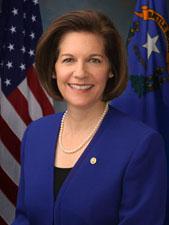


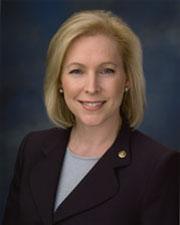
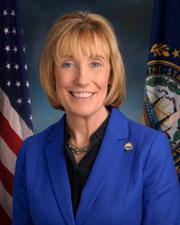
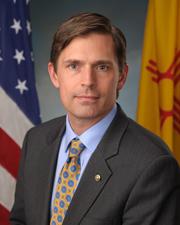




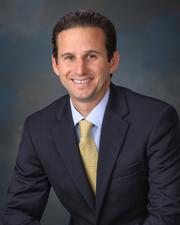
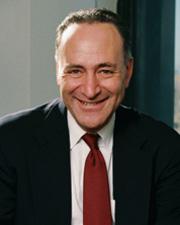
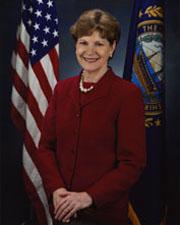
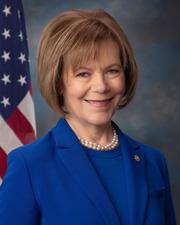


SPONSORS
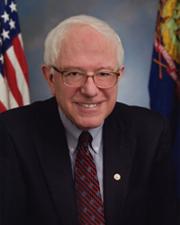
Bernard Sanders
I-VT · Primary
SPONSOR FUNDING
Top industries funding Sanders
Commercial Banks21%
Commercial Banks 21% of classified donations
Education15%
Education 15% of classified donations
Technology14%
Technology 14% of classified donations
Health Services13%
Health Services 13% of classified donations
Government6%
Government 6% of classified donations
TRAIL AI
Senate Concurrent Resolution 5 is a concurrent resolution that sets forth the congressional budget for the United States Government. The measure passed the House with a vote of 38 to 40, with all 36 voting Democrats and Independent sponsor Bernard Sanders voting in favor, while all 40 voting Republicans opposed it. The resolution was introduced by Senator Bernie Sanders of Vermont.
Based on public voting records. Does not imply causation.
TIMELINE
INTRODUCEDFeb 2, 2021
PASSED HOUSEFeb 5, 2021
DATA SOURCES
Bill data: Congress.gov · 117th–119th Congress (2021–present)
Vote records: House Clerk / Senate · 2021–present
Reflects public records. Does not imply causation.