SCONRES14-117 · 117th Congress
145 lobbying reports name this bill. See the war room — the surge, who showed up, and the money behind the vote→Passed House
A concurrent resolution setting forth the congressional budget for the United States Government for
A concurrent resolution setting forth the congressional budget for the United States Government for fiscal year 2022 and setting forth the appropriate budgetary levels for fiscal years 2023 through 2031.
This concurrent resolution establishes the congressional budget for the federal government for FY2022, sets forth budgetary levels for FY2023-FY2031, and provides reconciliation instructions for legislation that increases the deficit. The resolution recommends levels and amounts for FY2022-FY2031 for federal revenues, new budget authority, budget outlays, deficits, public debt, debt held by the public, and the major functional categories of spending. It also recommends levels and amounts for Social Security and Postal Service discretionary administrative expenses for the purpose of budget enforcement in the Senate. The resolution includes reconciliation instructions that direct (1) several House and Senate committees to report legislation that will increase the deficit over FY2022-FY2031 by no more than an amount specified for each committee, and (2) the Senate Finance Committee and the House Ways and Means Committee to report legislation that will reduce the deficit by at least $1 billion over FY2022-FY2031. (Under current law, reconciliation bills are considered by Congress using expedited legislative procedures that prevent a filibuster and restrict amendments in the Senate.) In addition, the resolution establishes reserve funds that allow certain adjustments to committee allocations and other budgetary levels to accommodate reconciliation legislation, tax legislation that does not raise taxes on people making less than $400,000, and legislation that would not increase the deficit over specified time periods. The resolution also sets forth budget enforcement procedures t…
VOTE BREAKDOWN
Final passage · 78 politicians tracked
38
YEA
39
NAY
0
PRESENT
1
NOT VOTING
Dem YEA 36Ind YEA 2Rep NAY 39
BY PARTY · ✕ NAY ← | → YEA ✓
DEM
0
36
IND
0
2
REP
39
0
MONEY ON THIS BILL
Which donor industries fund each side of the vote — total contributions from that industry to those members, all cycles · plus lobbying activity in affected industries
⬆ YEA voters — top donor industries
- 1. Lawyers & Lobbyists$70.4M
- 2. Securities & Investment$39.3M
- 3. Health Services$36.7M
⬇ NAY voters — top donor industries
- 1. Securities & Investment$32.7M
- 2. Lawyers & Lobbyists$27.6M
- 3. Health Services$22.1M
◎ Lobbying activity by issue area
No bill-issue lobbying matches.
Dollar figures are each industry's total contributions to those members across all tracked cycles — not money given for this specific bill. Statistical patterns in public records; correlation, not causation.
LOBBYING ON THIS BILL
145 federal lobbying reports name this bill in their activity descriptions · LDA disclosures
FINSECA17 reports
BOYD GAMING CORPORATION14 reports
ROCK CENTRAL11 reports
TERAWATT INFRASTRUCTURE10 reports
CHAMBER OF COMMERCE OF THE U.S.A.9 reports
FMR LLC8 reports
ALKERMES, INC.8 reports
SYENSQO USA LLC8 reports
⟳ The revolving door — lobbyists on this bill with disclosed former government roles
Gary PalmquistLegislative Director: Rep. Dennis Cardoza, Rep. Bob Clement, Rep. Ken Bentsen
Kevin CaseySenior Pol Dir, Dem Caucus; Counselor, Leg. Dir, Leg. Asst, Rep. Joseph Crowley; Staff Asst, Leg. Correspondent, Rep. Bob Weygand
Alex DelpizzoLegislative Director/Legislative Asst, Rep. Ferguson; Staff Asst, House Transportation and Infrastructure Committee
Jose CeballosSenior Advisor to the Secretary, Dept of Transportation; Special Assistant to the Secretary, Dept of Transportation; Confidential Assistant, Office of the Secretary, Business Liaison, Dept of Commerce
Kate DickensChief of Staff, US Sen Mark Kirk; Leg Director, Rep Mike Castle; Foreign Policy Adv, Rep. Connie Morella
Martin ReiserPolicy Director, Republican Whip Steve Scalise, professional staff House Ways and Means Committee, Chief of Staff, Rep. Dan Miller, Budget Associate, House Budget Committee
“Covered position” is the former government job lobbyists must disclose by law (LDA §4). Prior service is stated on the filings; it carries no implication of wrongdoing. Full revolving-door board →
A report naming a bill means the organization disclosed lobbying activity on it — the disclosure does not state a position for or against.
INDIVIDUAL VOTES
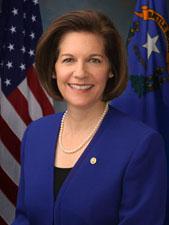
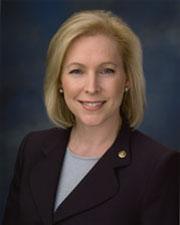
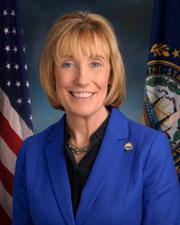
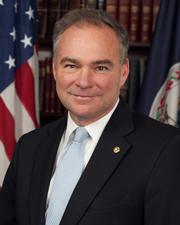
Recorded positions for tracked politicians








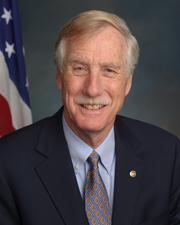
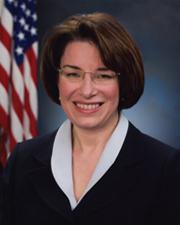
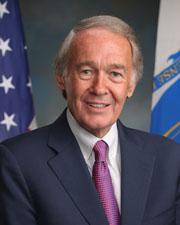
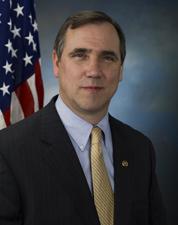

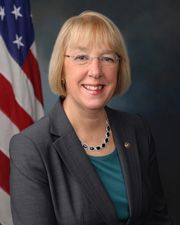

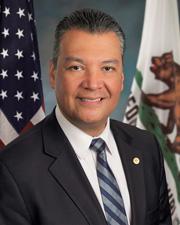
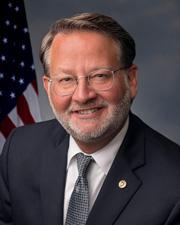
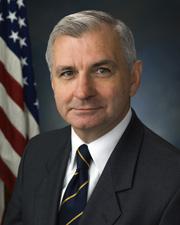

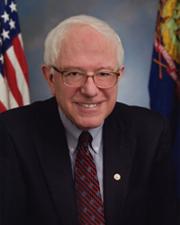


SPONSORS
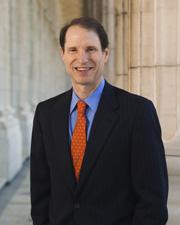
Bernard Sanders
I-VT · Primary
9 COSPONSORS
DEMOCRATIC● 9 D
+3 more (see dot grid above)
SPONSOR FUNDING
Top industries funding Sanders
Commercial Banks21%
Commercial Banks 21% of classified donations
Education15%
Education 15% of classified donations
Technology14%
Technology 14% of classified donations
Health Services13%
Health Services 13% of classified donations
Government6%
Government 6% of classified donations
TRAIL AI
Senate Concurrent Resolution 14 is a concurrent resolution that sets forth the congressional budget for the United States Government. The measure passed the House with a vote of 38 to 39, with all 36 voting Democrats in favor, one independent in favor, and all 39 voting Republicans opposed. The resolution was sponsored by Senator Bernard Sanders, an Independent from Vermont.
Based on public voting records. Does not imply causation.
TIMELINE
INTRODUCEDAug 9, 2021
PASSED HOUSEAug 24, 2021
DATA SOURCES
Bill data: Congress.gov · 117th–119th Congress (2021–present)
Vote records: House Clerk / Senate · 2021–present
Reflects public records. Does not imply causation.